Fine Motor Skills Easy Math Worksheets for Ages 6-9 - Page 2
42 filtered results
-
From - To
Number 8 Printable
 Assign to My Students
Planting Seeds for 11 Worksheet
Let's Pick Fruit Worksheet
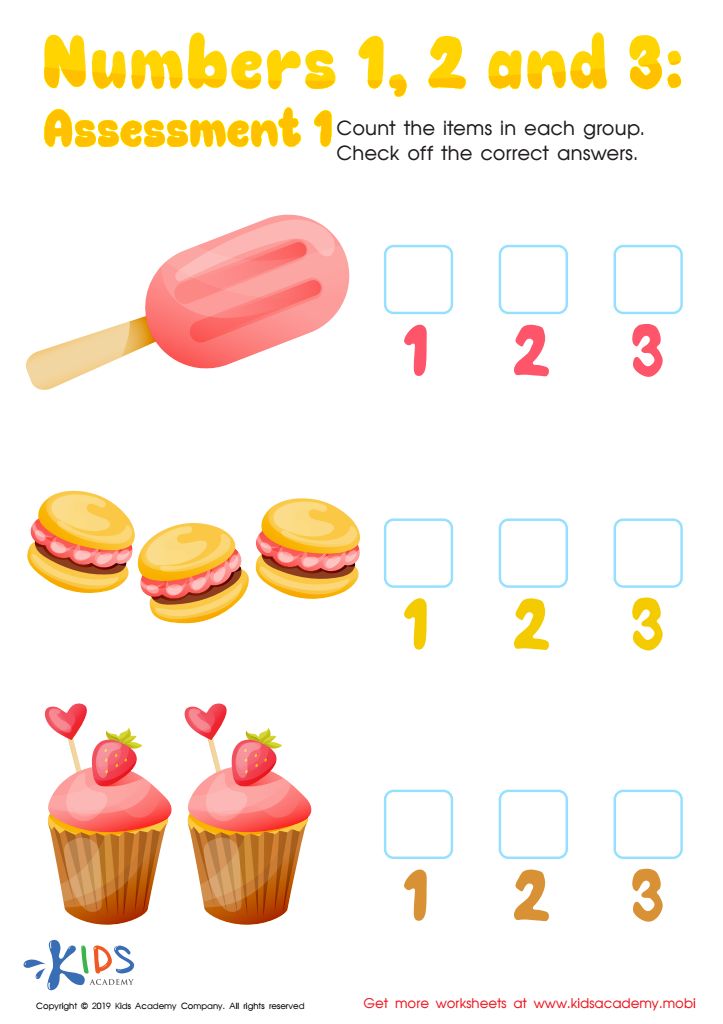
Numbers 1, 2 and 3: Assessment 1 Worksheet
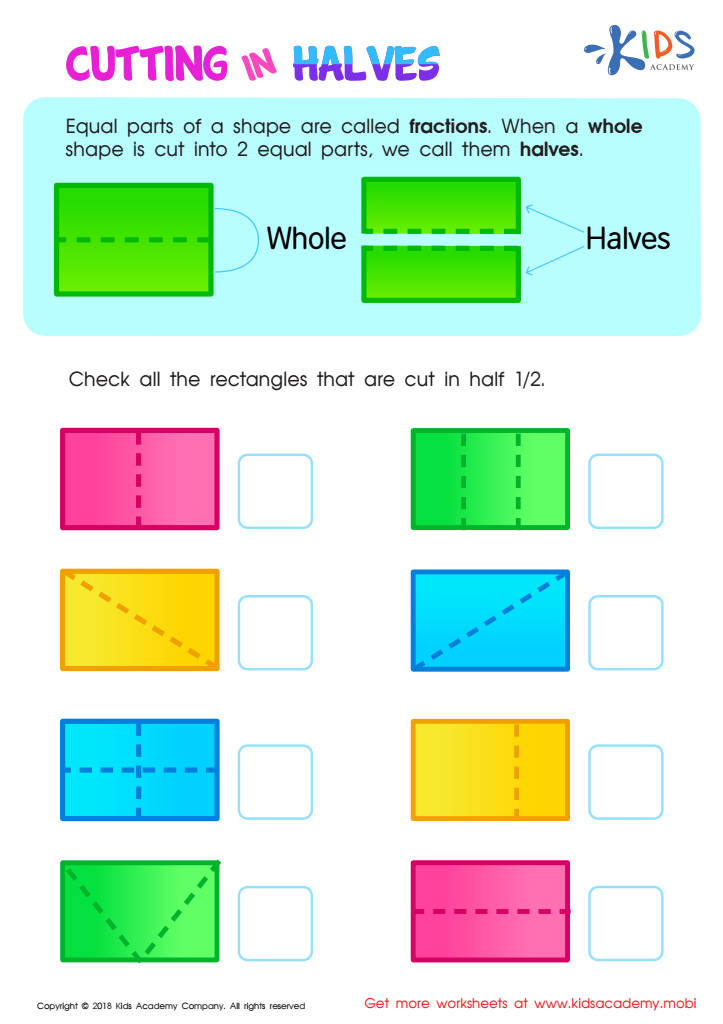
Cutting in Halves Worksheet
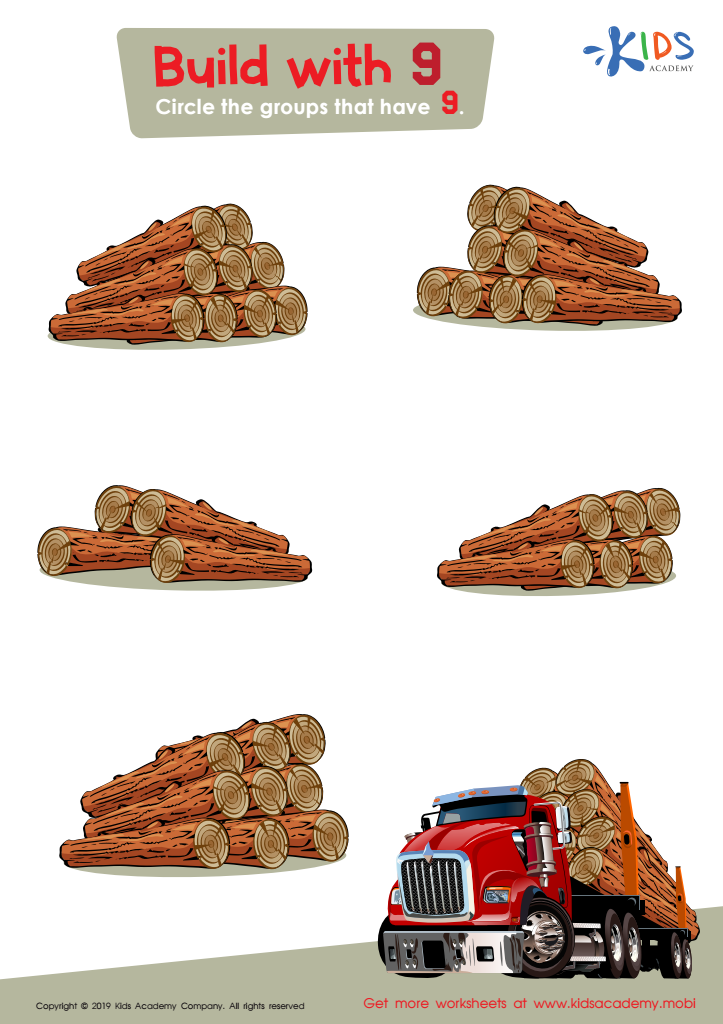
Build with 9 Worksheet
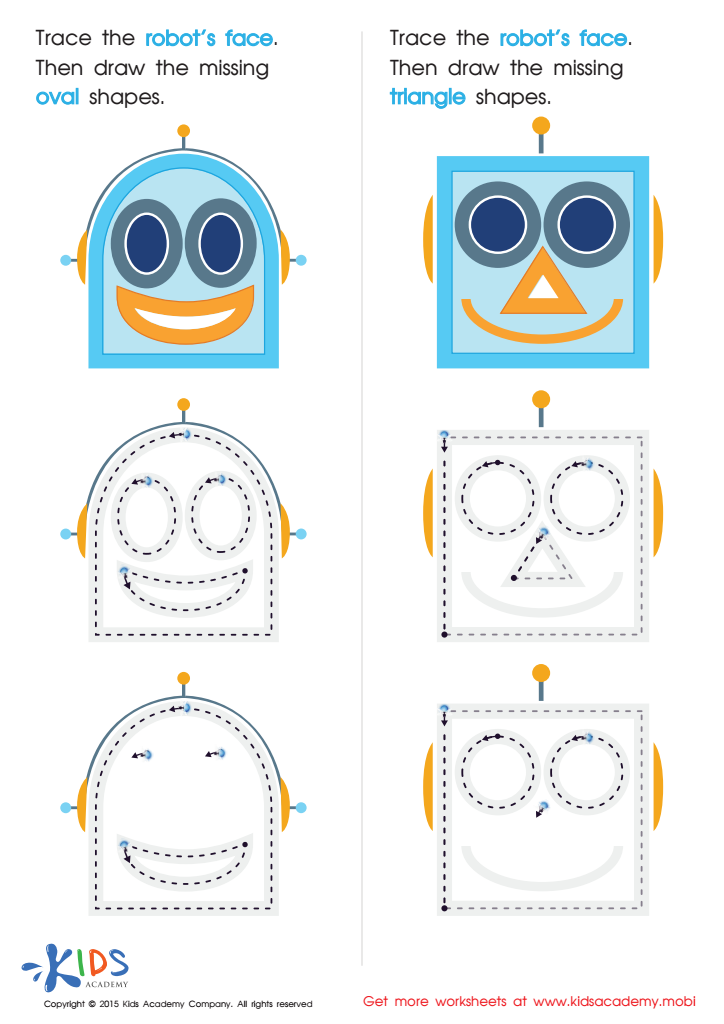
Drawing Ovals And Triangles with Fun Printable
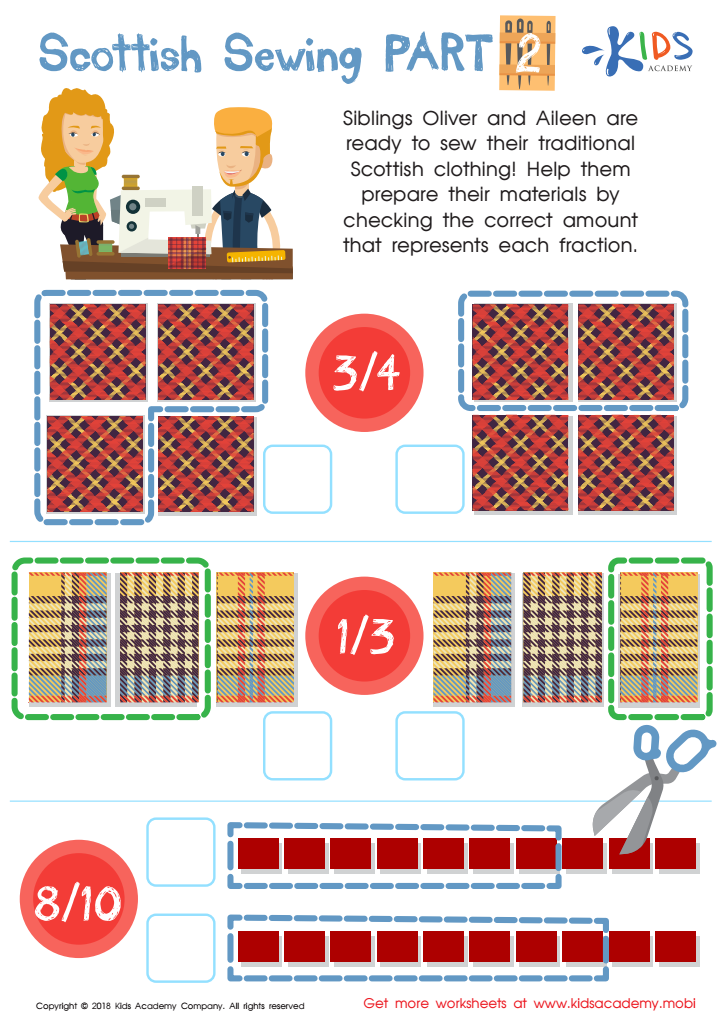
Scottish Sewing Part 2 Worksheet
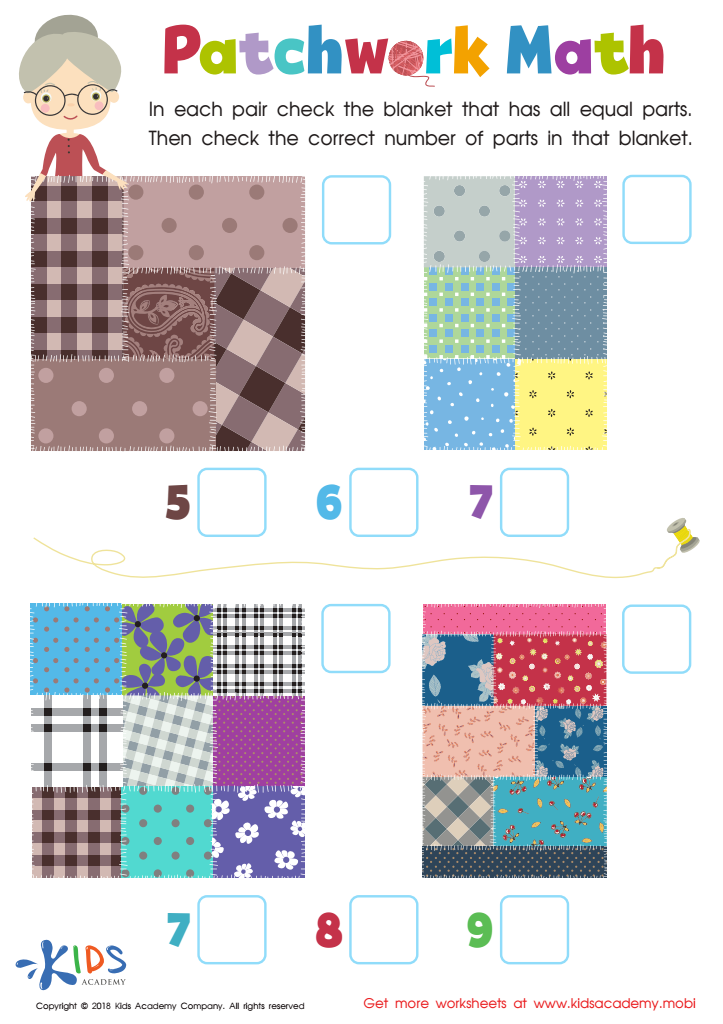
Patchwork Math Worksheet
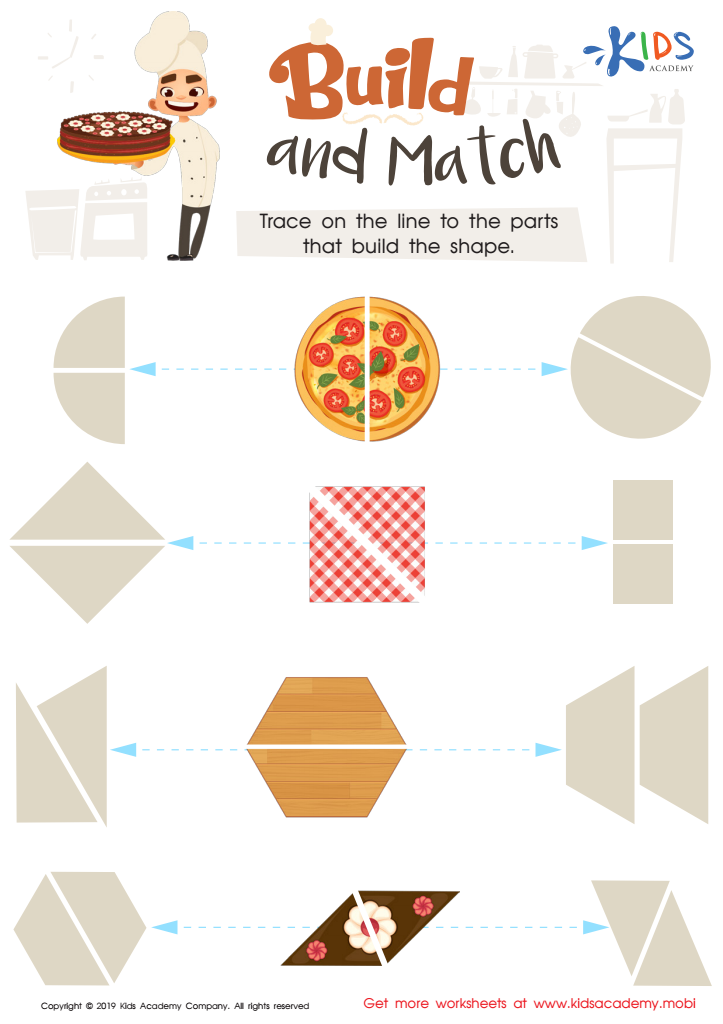
Build and Match Worksheet
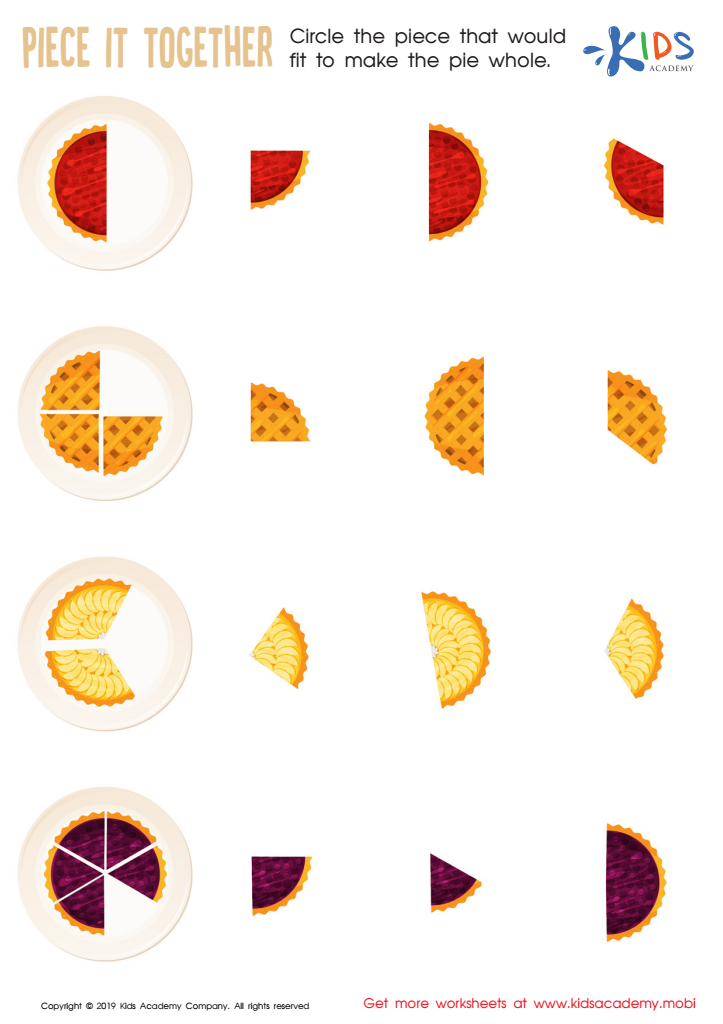
Piece it together Worksheet
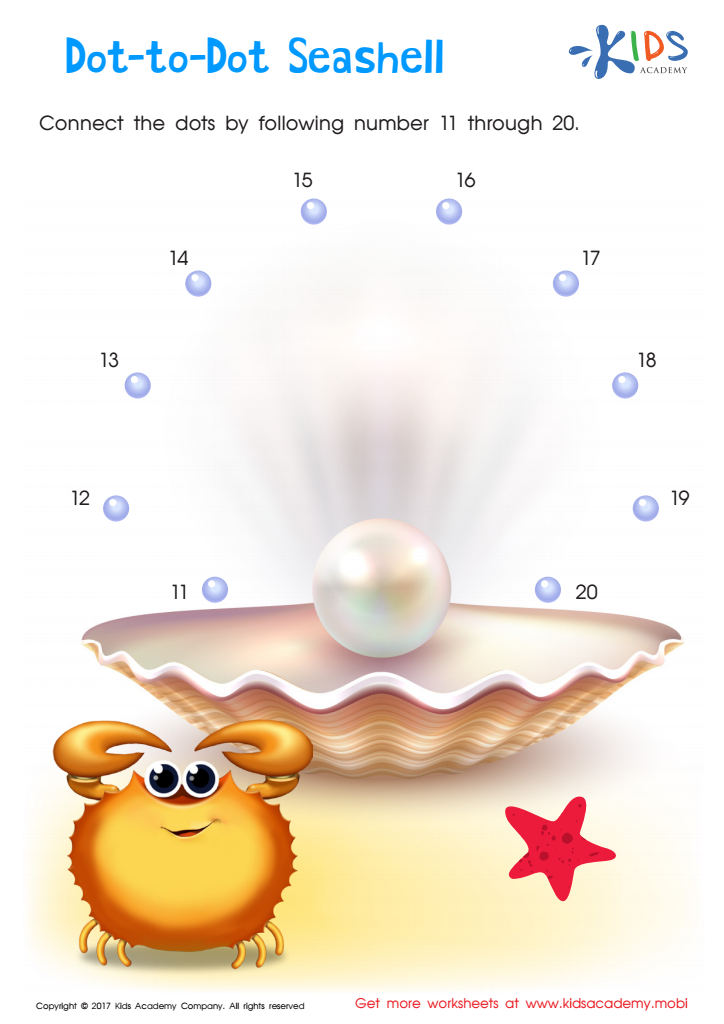
Ordering 11–20: Dot–to–dot Seashell Printable
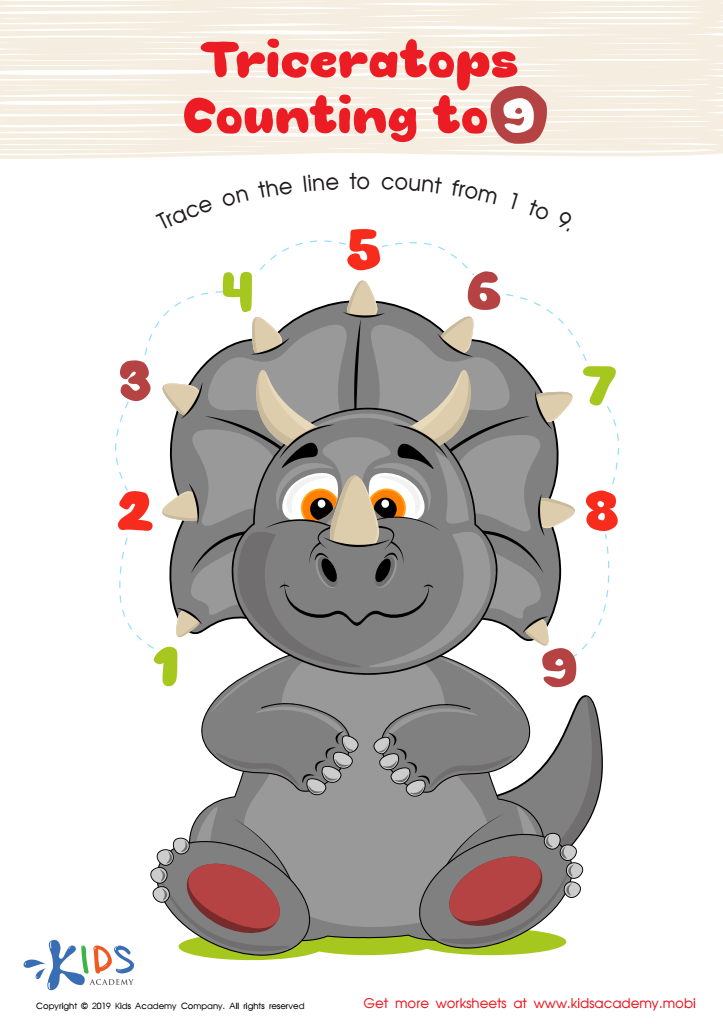
Triceratops Counting to 9 Worksheet

Counting on the City Skyline: Dot-to-Dot Worksheet
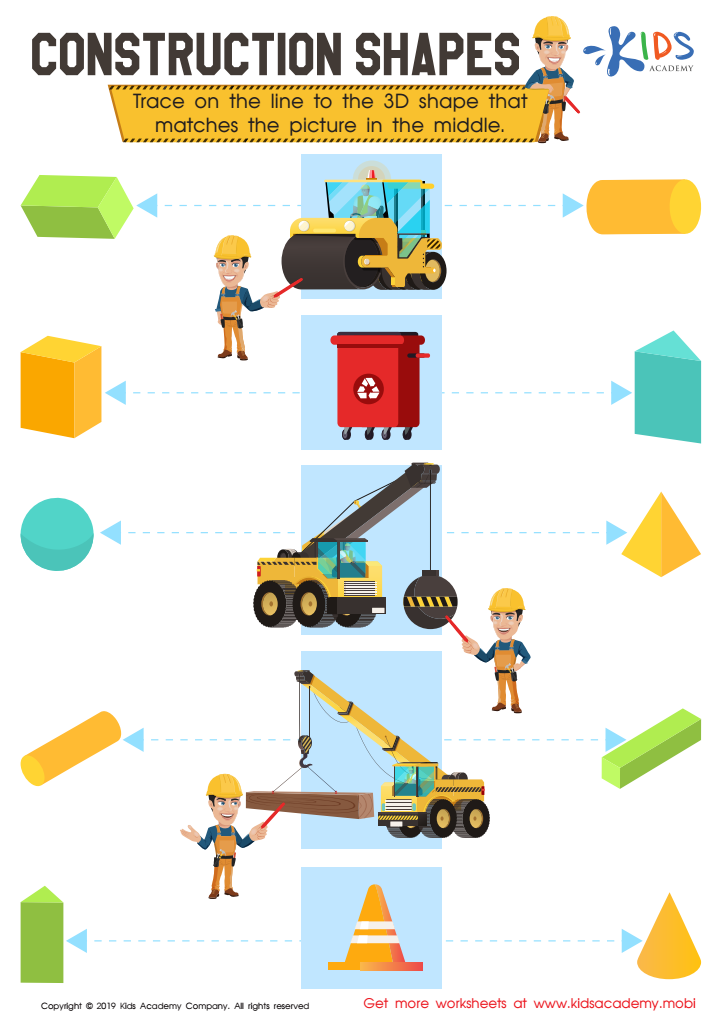
Construction Shapes Worksheet
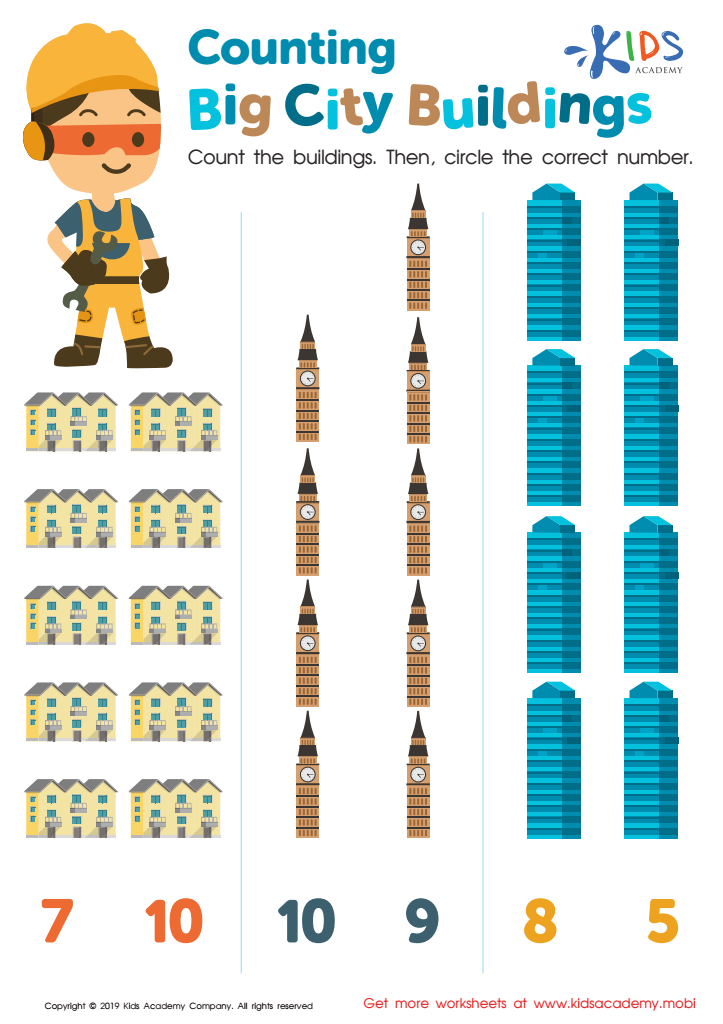
Counting Big City Buildings Worksheet

Night Sky Numbers Worksheet








Fine motor skills and foundational math proficiency are critical competencies that significantly influence a child’s overall development and academic success. For children aged 6-9, these areas are exceptionally pivotal as they are in their early stages of formal schooling.
Fine motor skills involve the coordination of small muscles in actions such as writing, buttoning, and cutting with scissors. Enhancing these skills is essential because they are prerequisites for effective handwriting, a vital component of the academic and communication tasks students engage in. Practicing with tasks that integrate fine motor skills, like sorting small objects during math exercises, bolsters hand-eye coordination and dexterity.
Simultaneously, easy math practice builds essential problem-solving and logical thinking abilities. At this age, math exercises that are enjoyable and appropriately challenging cultivate a positive attitude towards mathematics. Fluency in basic math concepts, like addition and subtraction, forms the foundation for more advanced mathematical learning. Intertwining math with motor skills, through engaging activities such as counting beads, playing with geometric shapes, and sequencing tasks, makes learning both fun and productive.
Caring about these skills sets the groundwork for a child's future academic journey. Strong fine motor skills and math fluency at a young age enhance self-confidence, foster independence, and are demonstrations of a holistic learning approach that prepares children for success in and outside the classroom.








