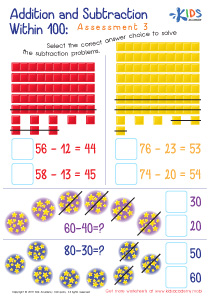
Fine Motor Skills Easy Numbers up to 100 Worksheets for Ages 6-9
5 filtered results
-
From - To
Boost your child's fine motor skills with our engaging "Easy Numbers up to 100 Worksheets" designed specifically for children ages 6-9. These fun and educational printables from Kids Academy are perfect for enhancing hand-eye coordination. Each worksheet provides practice with numbers up to 100, aiming to improve precision in writing digits. Whether your child is tracing, writing, or solving simple math problems, our worksheets support their development in a structured and enjoyable way. Prepare your young learner for math success while strengthening essential motor skills for a steady hand. Download today and watch their confidence grow!
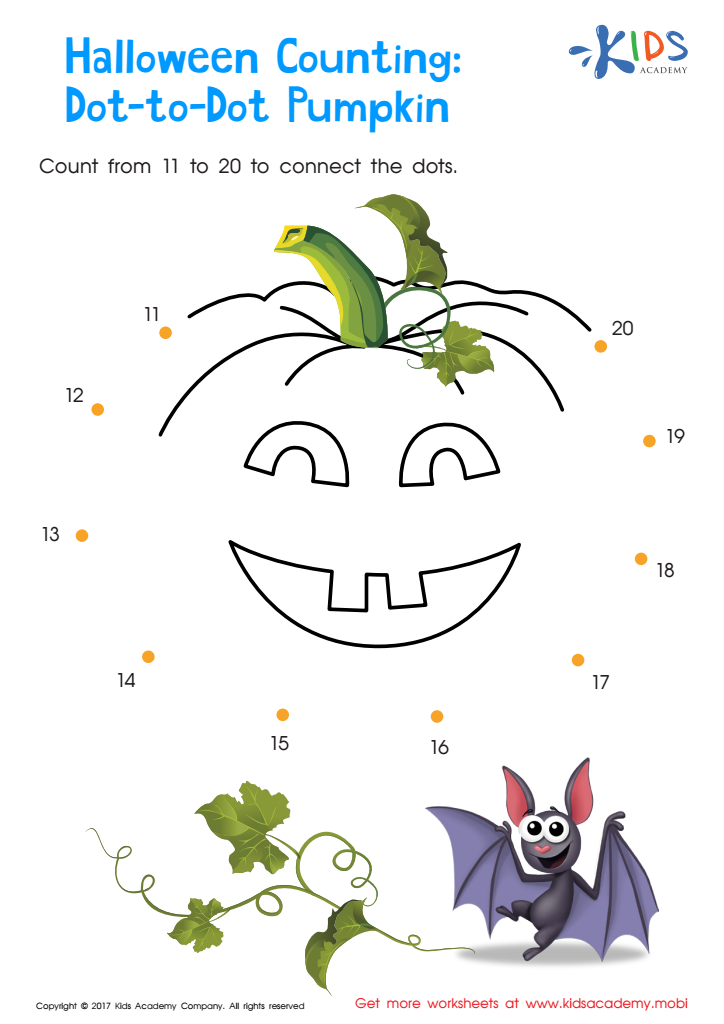
Ordering 11–20: Halloween Counting Worksheet
 Assign to My Students
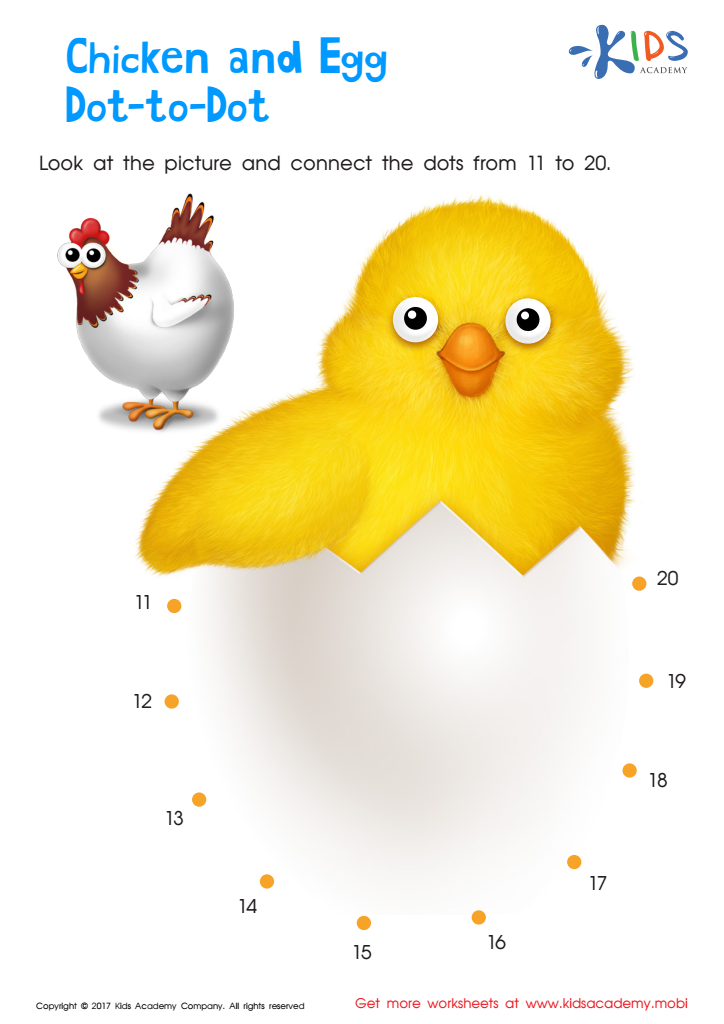
Ordering 11–20: Chicken & Egg Dot–to–dot Worksheet
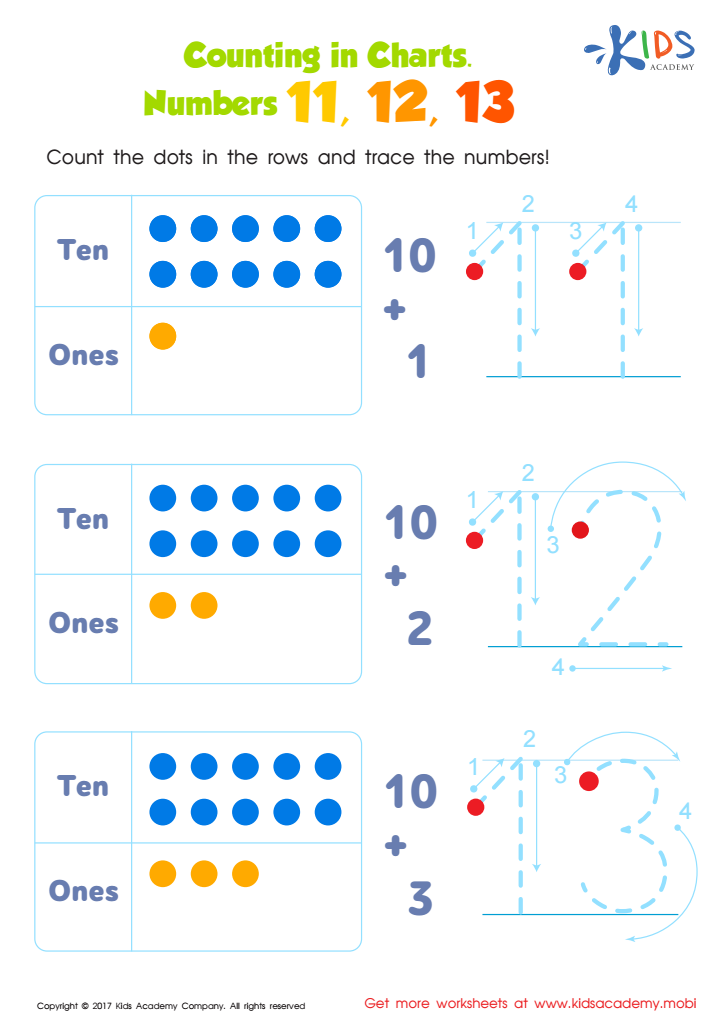
Number Tracing Worksheet For Kindergarten
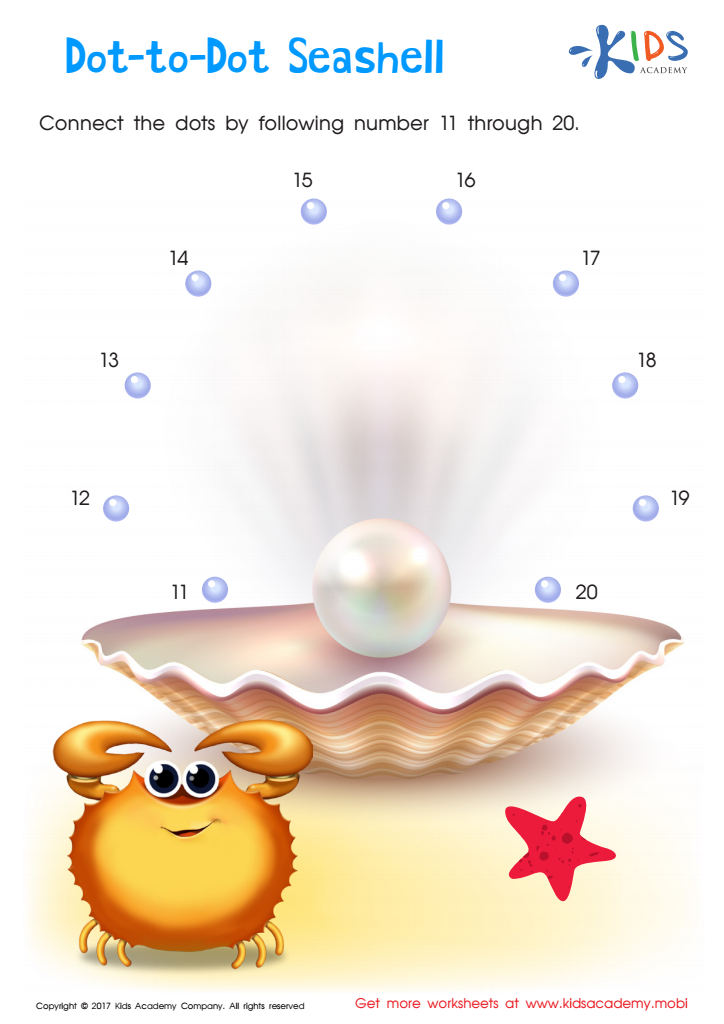
Ordering 11–20: Dot–to–dot Seashell Printable

Counting on the City Skyline: Dot-to-Dot Worksheet






%20(1).jpg)
Parents and teachers should prioritize developing fine motor skills in children aged 6-9 because these skills are foundational for more complex tasks. Fine motor skills involve the coordination of small muscles in the hands and fingers, which are crucial for writing, cutting with scissors, tying shoelaces, and manipulating small objects. When children engage in activities that enhance these skills, such as tracing numbers or handling small counting objects, they are simultaneously improving their hand-eye coordination and muscle memory.
Focusing on numbers up to 100 during these early years is equally vital. Numerical literacy is a cornerstone of later math skills, and mastering numbers up to 100 provides a strong foundation for more advanced arithmetic like addition, subtraction, and estimation. Learning numbers in this range also boosts cognitive development by enhancing problem-solving acuity and logical thinking.
Integrating fine motor skill exercises with numerical lessons creates a dual benefit. For example, tracing numbers not only helps with number recognition and numerical sequencing but also refines the hand muscles needed for effective writing. This integrated approach makes learning fun and engaging, ensuring that children build the essential skills they need for academic success while also developing the fine motor abilities crucial for everyday tasks.