Categorization skills Easy Worksheets for 6-Year-Olds
5 filtered results
-
From - To
Explore engaging categorization skills worksheets designed specifically for 6-year-olds! Our easy-to-use worksheets help young learners develop essential sorting and classification skills through fun and interactive activities. Children will practice grouping items based on color, size, shapes, and other characteristics, fostering critical thinking and organizational awareness. These worksheets are perfect for enhancing preschool and early grade curriculum, making learning enjoyable and effective. Printable and accessible, our resources allow parents and educators to support children's development at home or in the classroom. Help your child build a strong foundation in categorization with our beautifully designed worksheets that make learning fun!
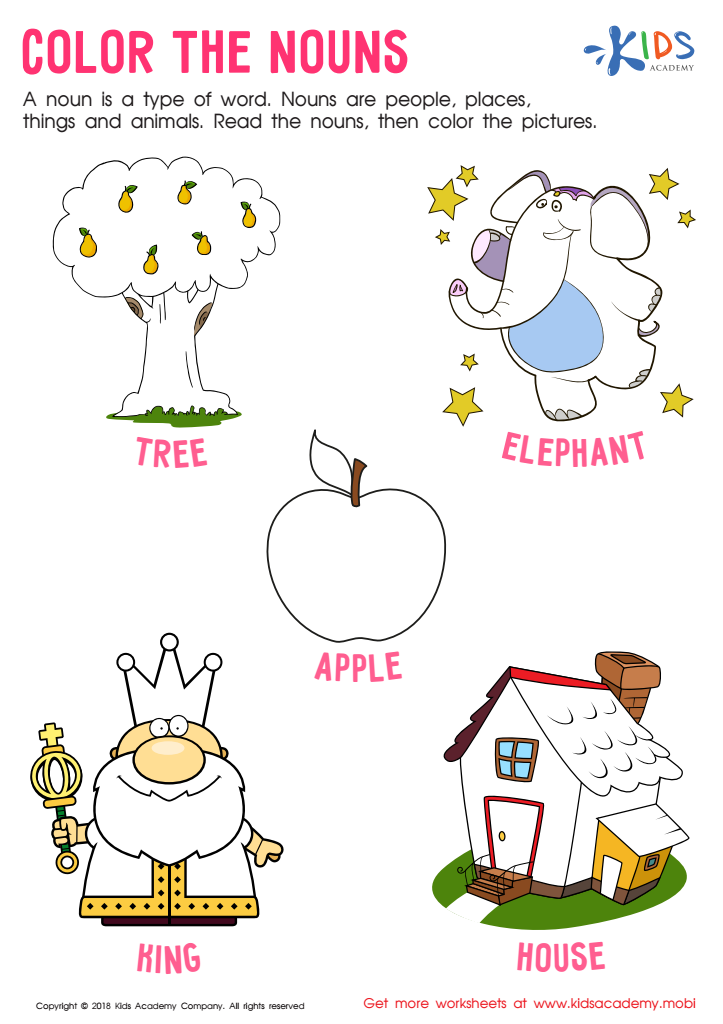
Color the Nouns Worksheet
 Assign to My Students
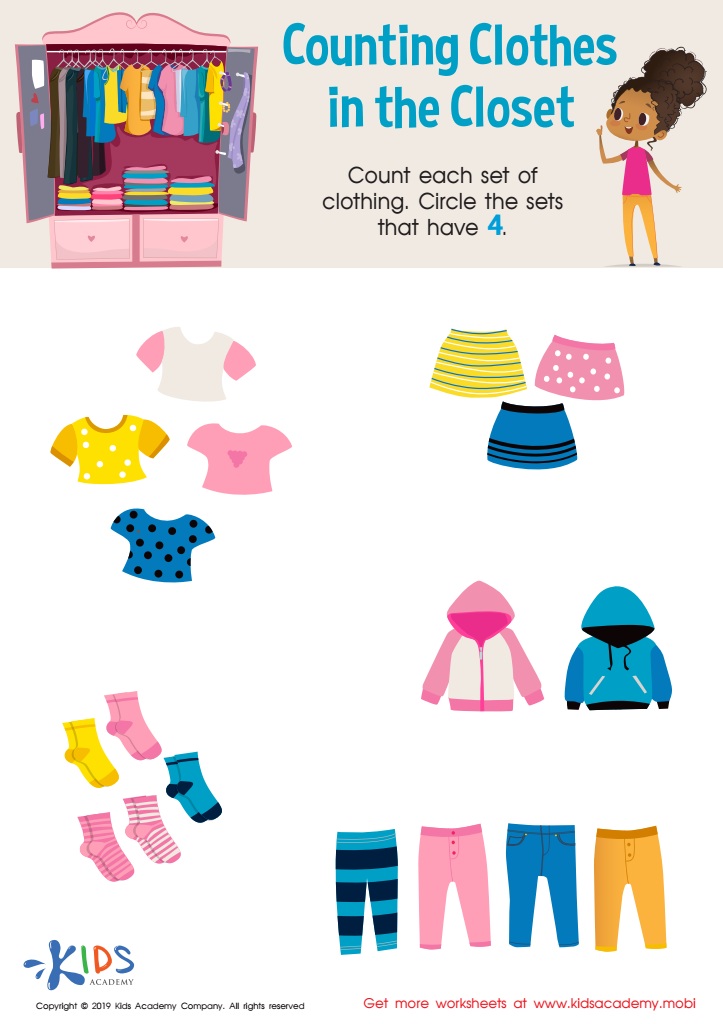
Counting Clothes Worksheet
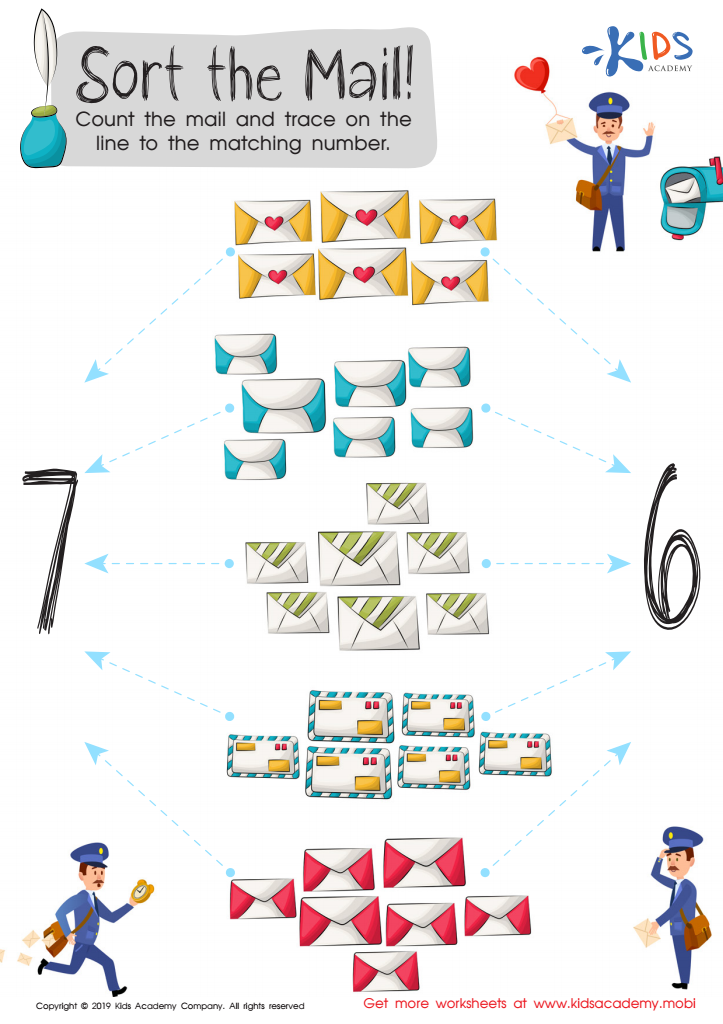
Sort the Mail Worksheet
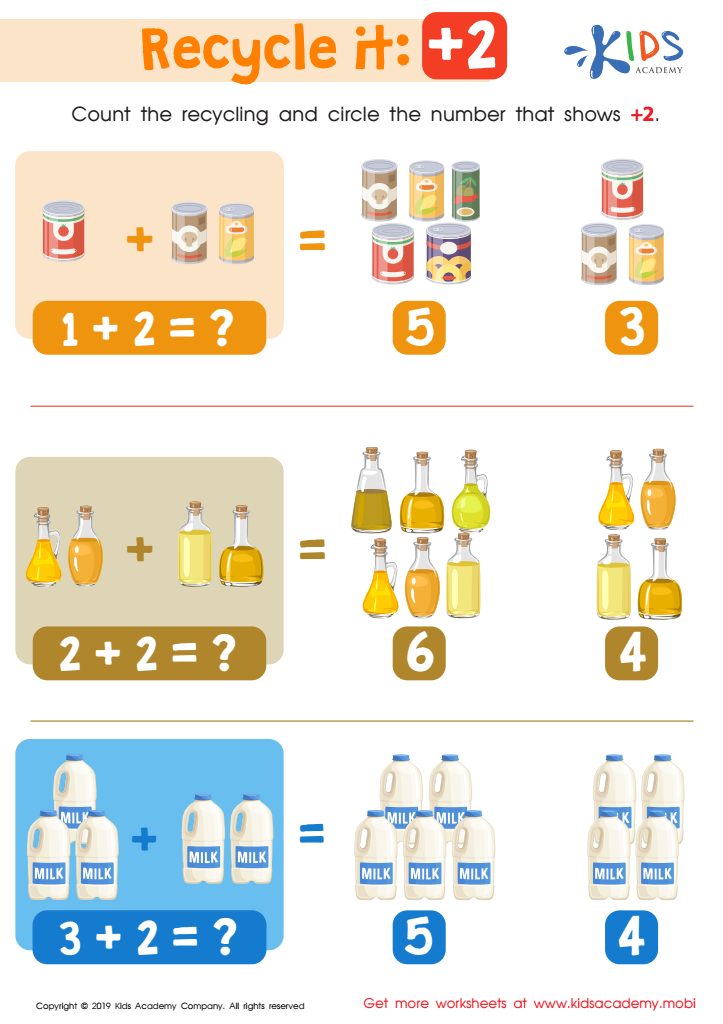
Recycle It: +2 Worksheet
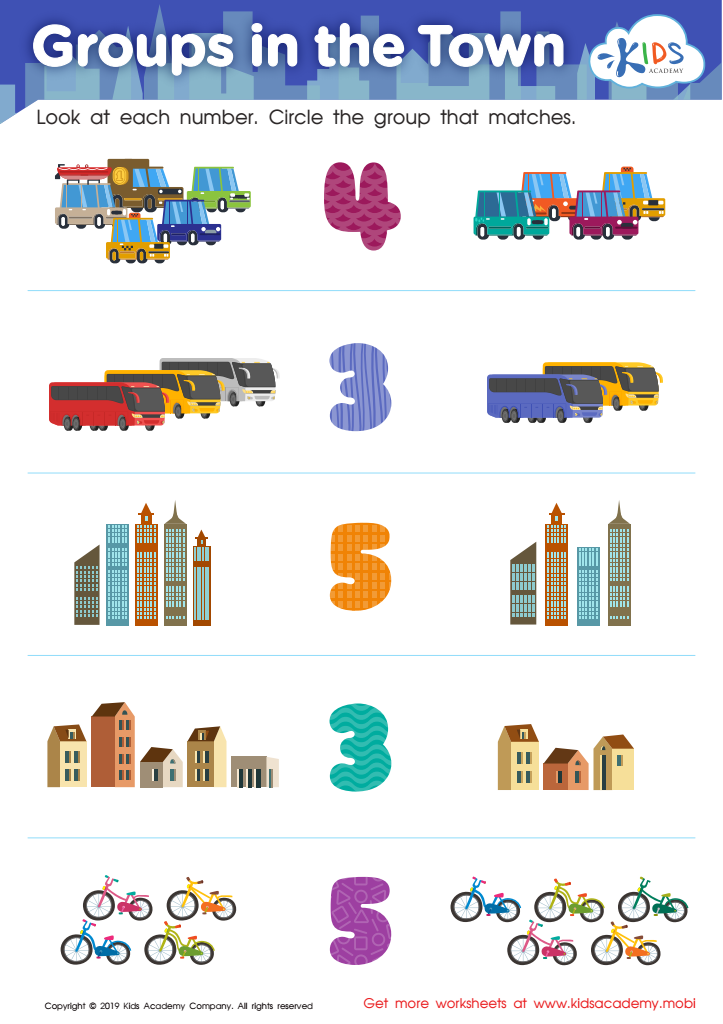
Groups in the Town Worksheet






Categorization skills are essential for young children as they significantly impact their cognitive development and everyday functioning. For parents and teachers, fostering these skills in 6-year-olds helps children learn to sort and group objects, concepts, and experiences based on shared features. This foundational ability aids in critical thinking and problem-solving skills, enabling children to make sense of the world around them.
By enhancing categorization skills, educators and caregivers can support children's language development. When children classify items, they learn new vocabulary, including descriptive words that expand their communication abilities. These skills also support academic readiness, as many subjects—like math and science—rely on the ability to classify and organize information.
Moreover, strong categorization skills promote social and emotional development. Children learn to understand similarities and differences between themselves and others. This understanding nurtures empathy and helps them navigate social situations.
In summary, investing time in developing categorization skills can lead to richer learning experiences and improved social interactions, setting a solid foundation for lifelong learning and emotional intelligence. Encouraging these skills is an investment in a child's future success in both school and beyond.








