Phonics recognition Easy Worksheets for 6-Year-Olds
3 filtered results
-
From - To
Boost your child's reading confidence with our "Phonics Recognition Easy Worksheets for 6-Year-Olds." Specially designed for early learners, these engaging worksheets focus on fundamental phonics skills like identifying letter sounds, blending, and segmenting. Each printable activity combines fun illustrations with educational exercises to make learning enjoyable and effective. Ideal for classroom use or homeschooling, our phonics worksheets support your child's journey to becoming a proficient reader. Lay a strong foundation in literacy with our expertly crafted resources aimed at enhancing phonics recognition and promoting a lifelong love of reading. Download now for free and see the difference!
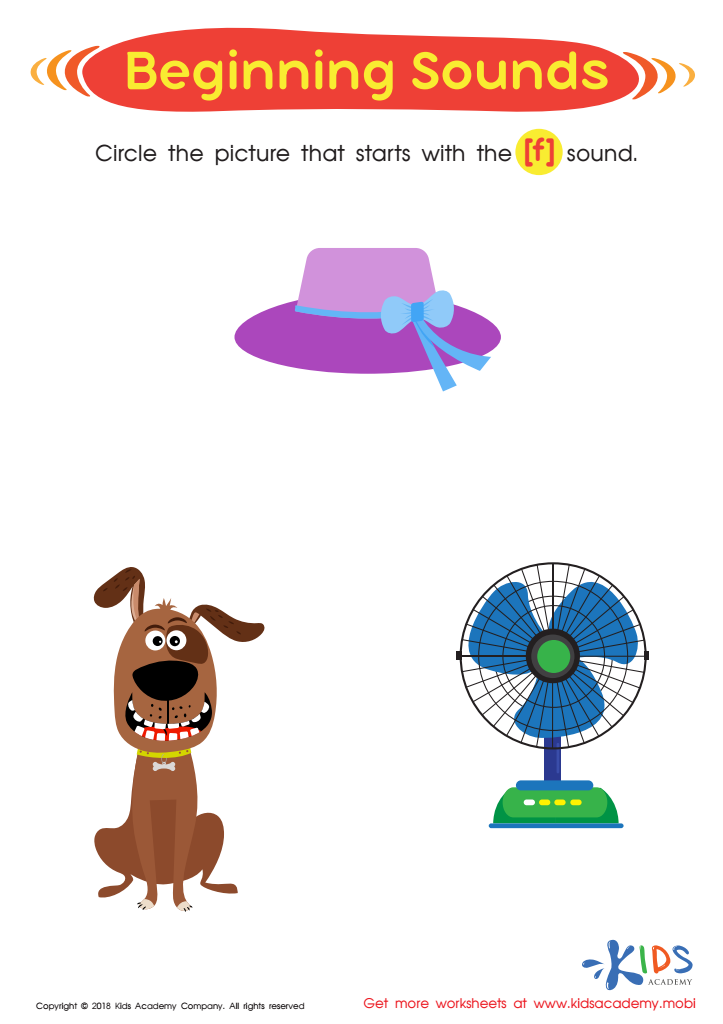
Beginning Sounds Assessment Printable
 Assign to My Students
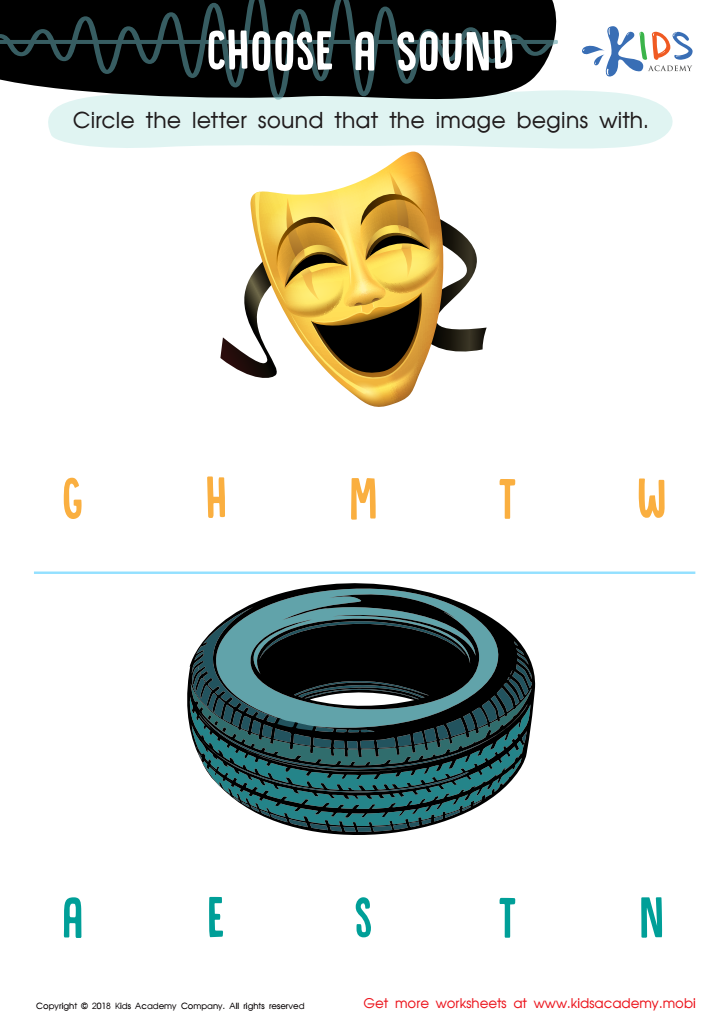
Choose a Sound Worksheet
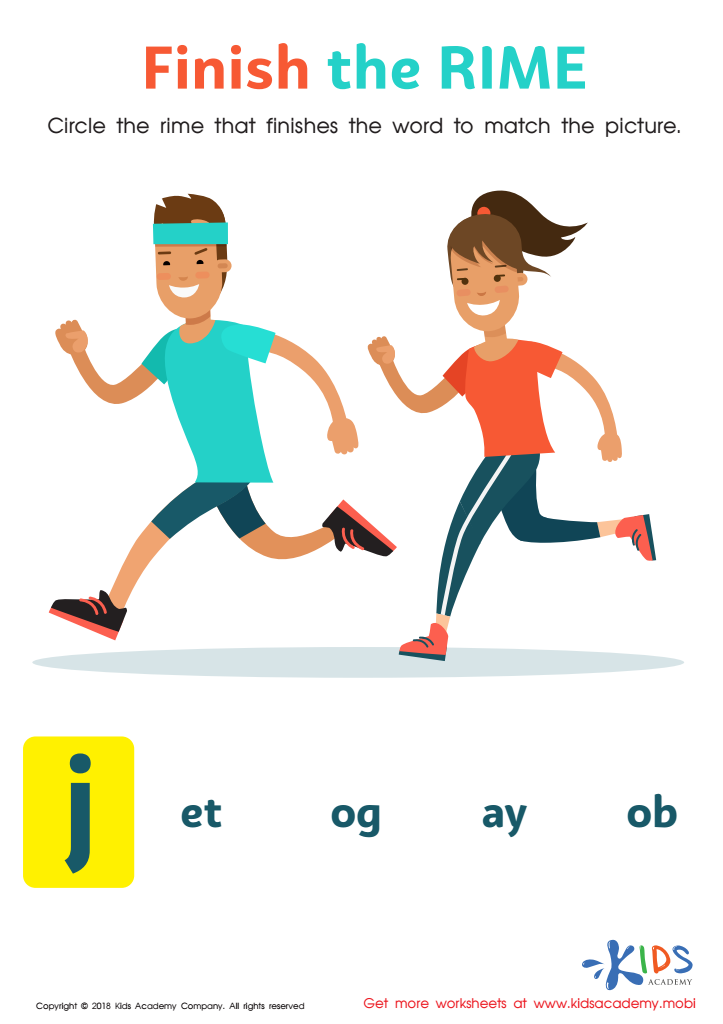
Finish the Rime Worksheet






.jpg)
Parents and teachers should prioritize phonics recognition for 6-year-olds because it forms the foundational building blocks of reading and writing skills. At this age, children are at a critical stage in their cognitive and language development. Phonics teaches the relationship between sounds and their corresponding letters or groups of letters, which empowers children to decode new words independently. This skill is essential for developing reading fluency, comprehension, and confidence.
When children grasp phonics early, they are more likely to become successful readers. This success can stimulate a lifelong love of reading and learning, opening doors to vast amounts of knowledge and creativity. Additionally, strong phonics skills enhance a child's ability to spell words correctly, contribute to more accurate and expressive writing, and support overall academic performance.
Moreover, phonics instruction plays a crucial role in bridging educational gaps and ensuring that all kids, regardless of their socioeconomic background or learning abilities, have access to effective literacy education. Especially for those who might struggle with reading, early phonics education can provide the necessary support to keep them on track with their peers.
In summary, investing time in teaching phonics recognition to 6-year-olds sets a strong educational foundation, facilitates a joy of learning, and promotes long-term academic success.








