Reading practice Easy Worksheets for 6-Year-Olds
4 filtered results
-
From - To
Discover engaging and effective reading practice with our Easy Worksheets for 6-Year-Olds! Our collection is designed to enhance early reading skills through fun and interactive activities. Tailored to the needs of young learners, these worksheets cover key reading fundamentals such as letter recognition, phonics, and simple sentence structure. With colorful illustrations and a variety of exercises, children will find learning to read enjoyable and stimulating. Perfect for parents and teachers seeking to support their child's literacy journey. Visit our site and make reading practice a delightful experience for your young reader today!
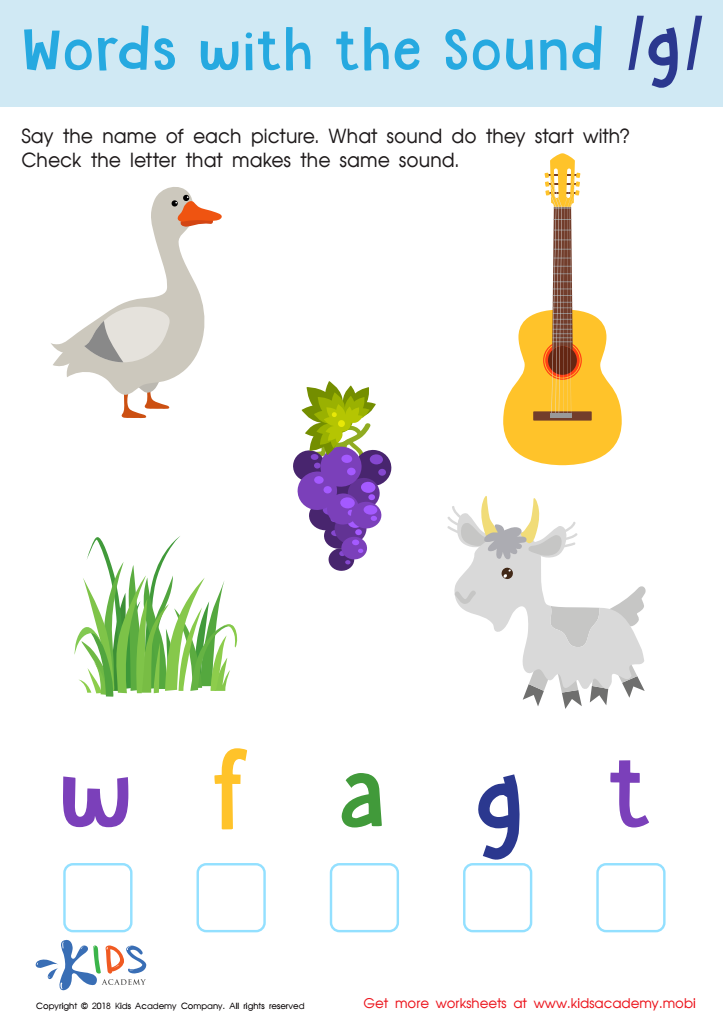
Words with sound g Reading Worksheet
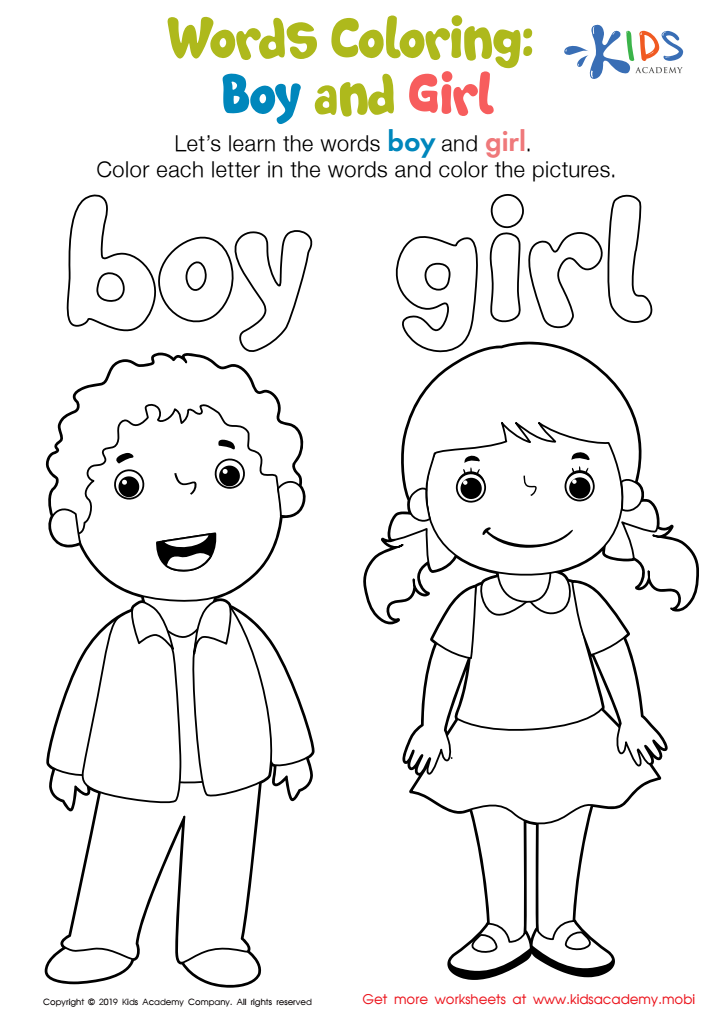
Boy and Girl Words Coloring Worksheet
 Assign to My Students

Nursery Rhymes: Twinkle Little Star Worksheet
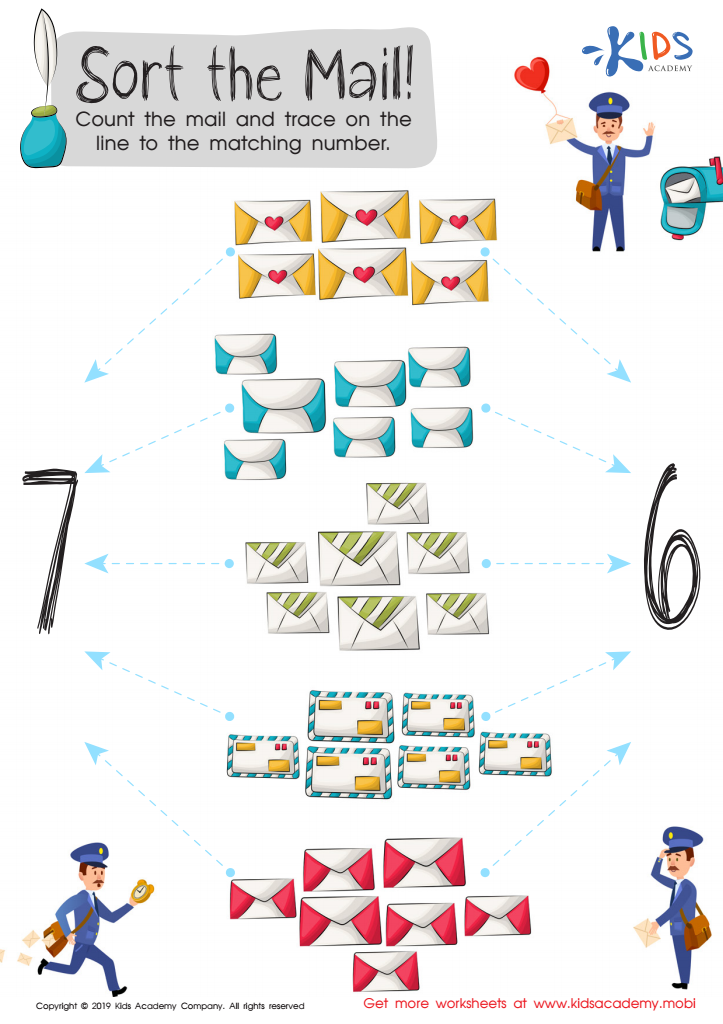
Sort the Mail Worksheet








Reading practice is crucial for 6-year-olds because it fundamentally influences their academic and intellectual development. At this age, children's brains are highly receptive to learning and development. Practicing reading helps cultivate essential skills such as phonemic awareness, vocabulary, and comprehension—cornerstones of literacy.
Enhancing phonemic awareness helps children recognize sounds and letters, making it easier for them to decode words and read fluently. Expanding vocabulary equips them with a broader range of words and deeper language knowledge, allowing them to express themselves more eloquently and comprehend reading material effectively. Strong comprehension skills ensure they grasp the meaning of texts and can infer, predict, and synthesize information.
Consistent reading practice also boosts cognitive development, improving concentration, memory, and critical thinking skills. Moreover, as children become more confident readers, their enthusiasm for learning across other subjects, such as math and science, tends to grow.
Incorporating easy and enjoyable reading practices early on fosters a lifelong love for books and learning. It promotes positive reading experiences, which motivate children to explore and read more frequently, thereby solidifying their literacy foundations. For parents and teachers, investing in reading practice means setting children up for long-term educational success and helping them become well-rounded, informed individuals.








