Color recognition Easy Plants Worksheets for Ages 7-8
3 filtered results
-
From - To
Discover engaging and educational "Color Recognition Easy Plants Worksheets for Ages 7-8" designed to captivate young learners! These beautiful, easy-to-use printables feature vibrant plant images that help children develop essential color recognition skills while introducing them to different plant species. Perfect for home or classroom use, each worksheet stimulates creativity, attention to detail, and fine motor skills. Aligned with educational standards, our worksheets make learning fun and effective. Give your 7-8-year-olds a delightful experience as they explore the fascinating world of plants and colors. Brighten up learning time with our expertly crafted resources!
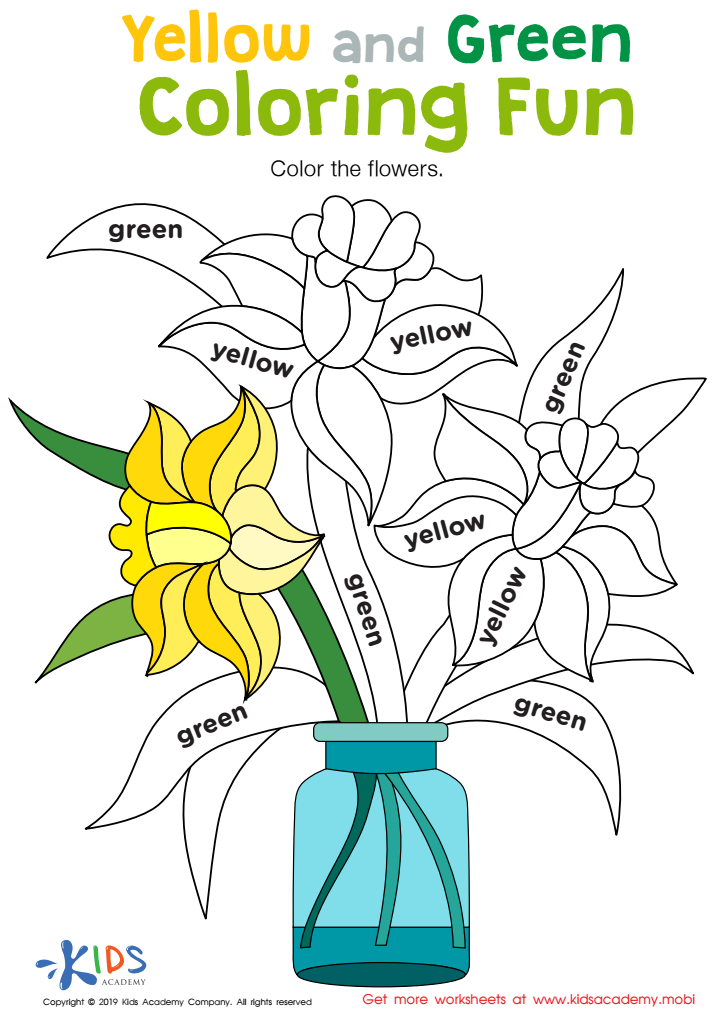
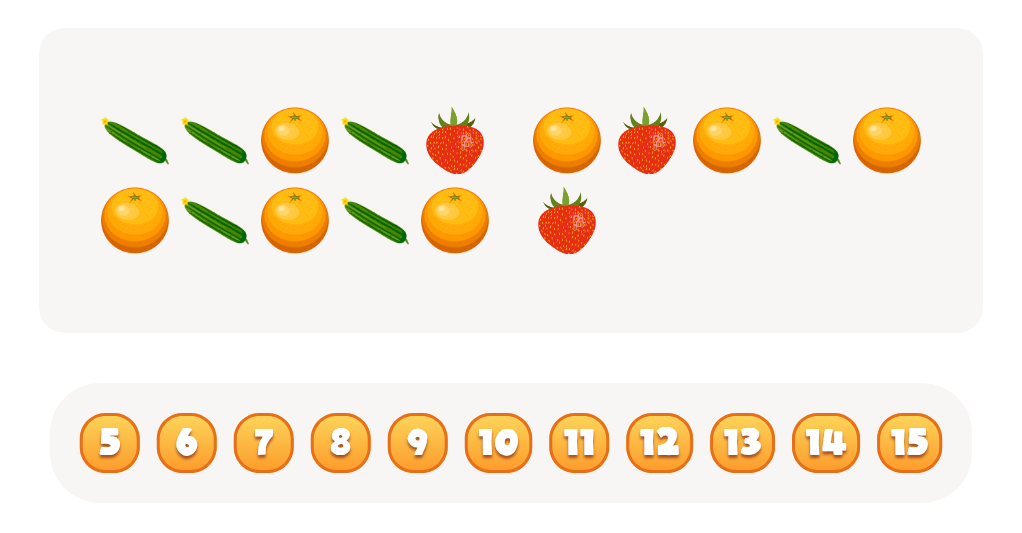
Yellow and Green Coloring Fun Worksheet
 Assign to My Students

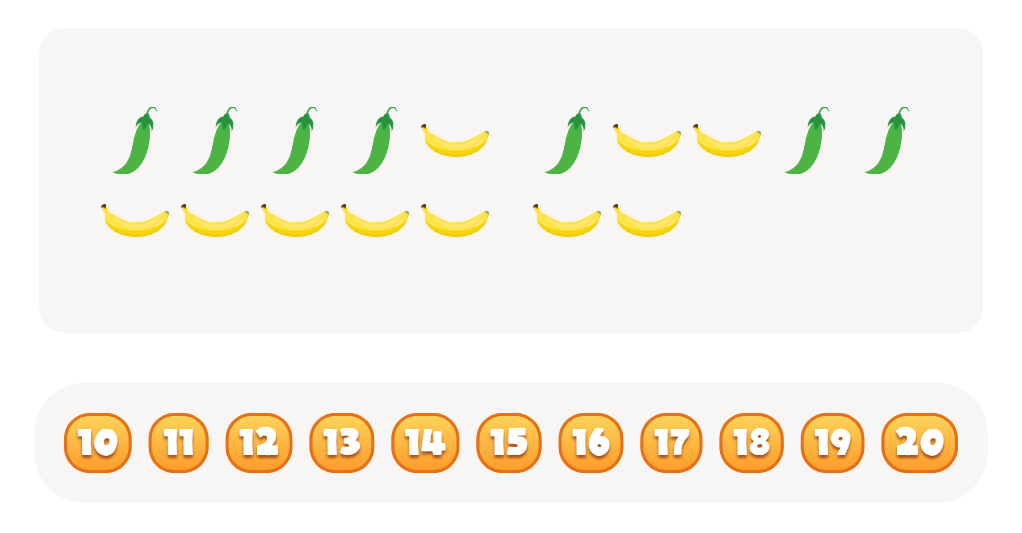
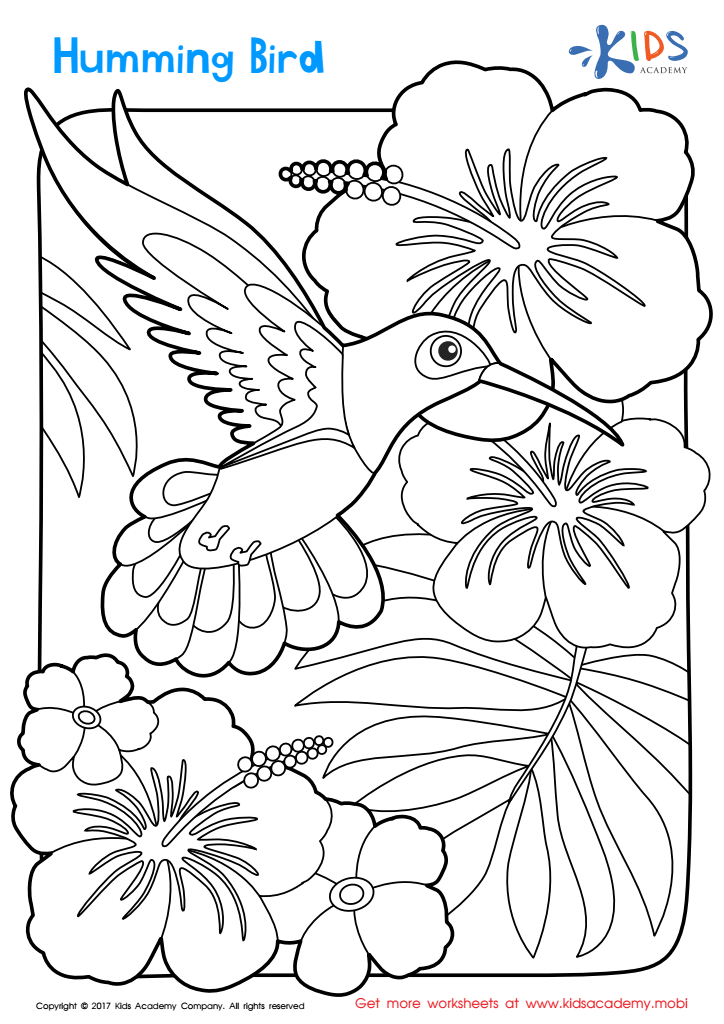
Humming Bird Worksheet
Assign to My Students
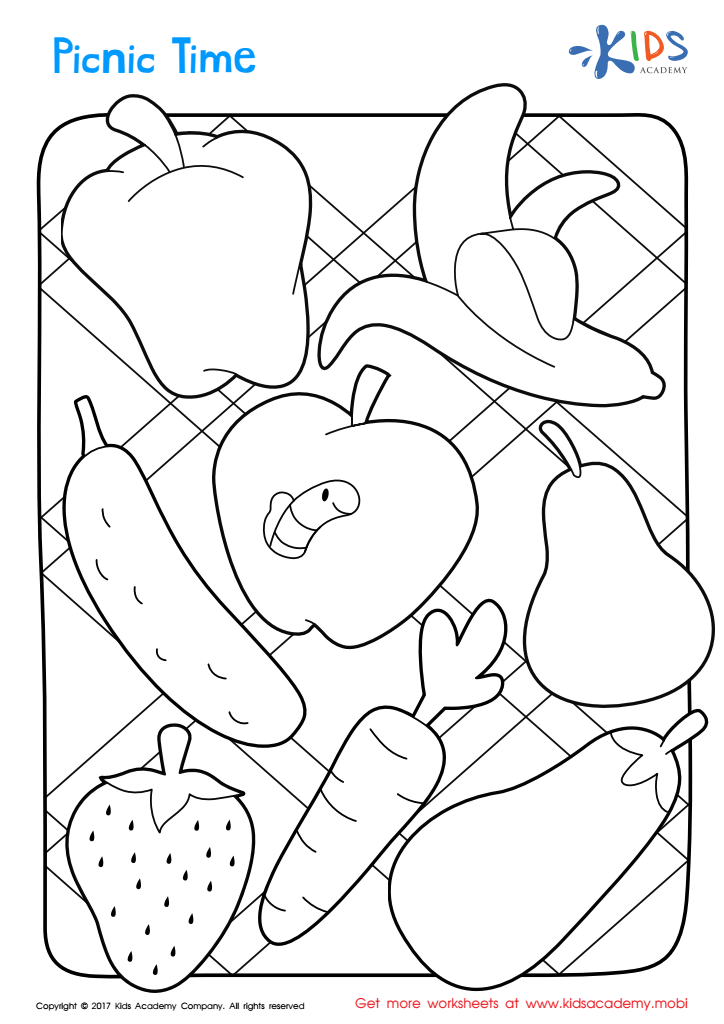
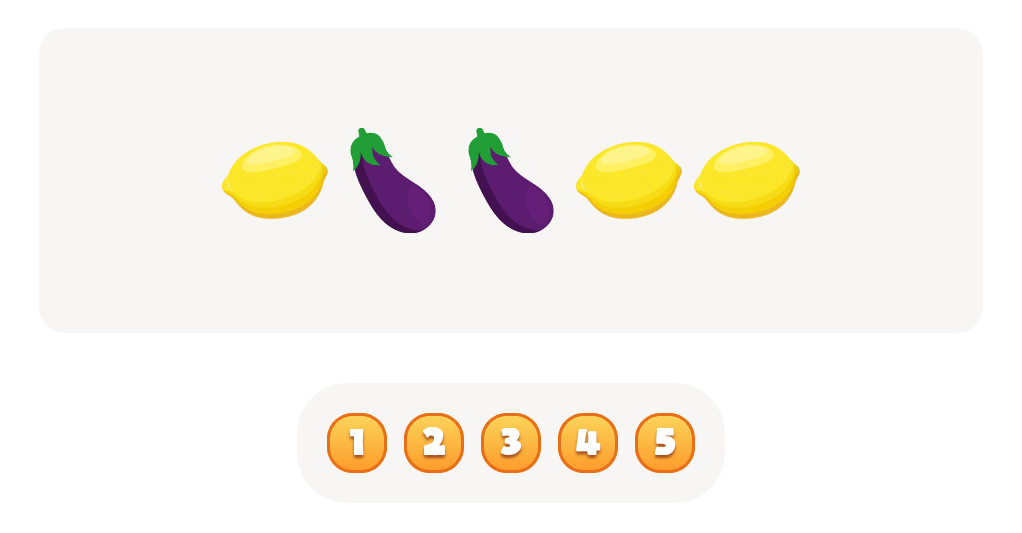
Picnic Time Coloring Page
Assign to My Students







Color recognition and exposure to plants are key components of early childhood education that offer numerous developmental benefits. For children aged 7-8, combining these aspects through activities like "Easy Plants" can significantly enhance their cognitive and sensory development.
Color recognition plays a fundamental role in a child's ability to differentiate and categorize objects. It strengthens visual perception and is crucial for tasks such as reading, because understanding contrasts and shades aids their ability to recognize letters and words. Engaging with plants allows children to associate colors with the natural environment, reinforcing their learning in an interactive and enjoyable manner.
Introducing children to plants nurtures a sense of responsibility and fosters curiosity about the natural world. It teaches basic biological concepts, linking everyday color appreciation to real-life phenomena. Observing the growth and changes in plant colors—like green leaves, colorful flowers, and varying soil—provides practical, hands-on science education that stimulates critical thinking.
Furthermore, activities involving plants can bolster emotional health, reduce stress, and enhance overall well-being. This dual exercise—color identification using natural elements—helps develop fine motor skills, offers tactile and sensory experiences, and invites opportunities for discussion and collaboration. Thus, incorporating color recognition in easy plant activities makes learning vibrant, rooted in nature, and vivacious for children aged 7-8.