Basic subtraction Easy Worksheets for Ages 7-8
4 filtered results
-
From - To
Discover our engaging Basic Subtraction Easy Worksheets designed specifically for children ages 7 to 8! These worksheets offer a fun and interactive way for young learners to master subtraction concepts. Each carefully crafted exercise builds foundational skills through colorful illustrations and age-appropriate challenges. Your child will gain confidence as they practice subtraction with numbers ranging from simple single digits to more multifaceted examples. Ideal for reinforcing classroom learning or providing additional practice at home, our worksheets promote critical thinking and problem-solving skills. Explore our collection today and support your child's journey toward mathematical proficiency while making learning enjoyable!
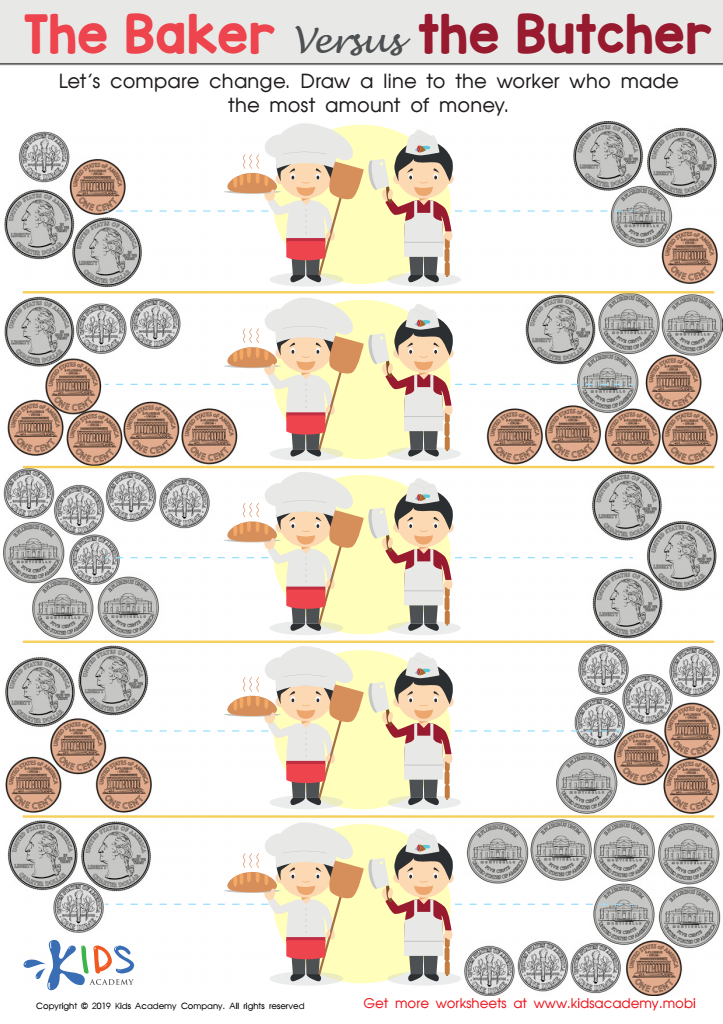
The Baker versus the Butcher Worksheet
 Assign to My Students
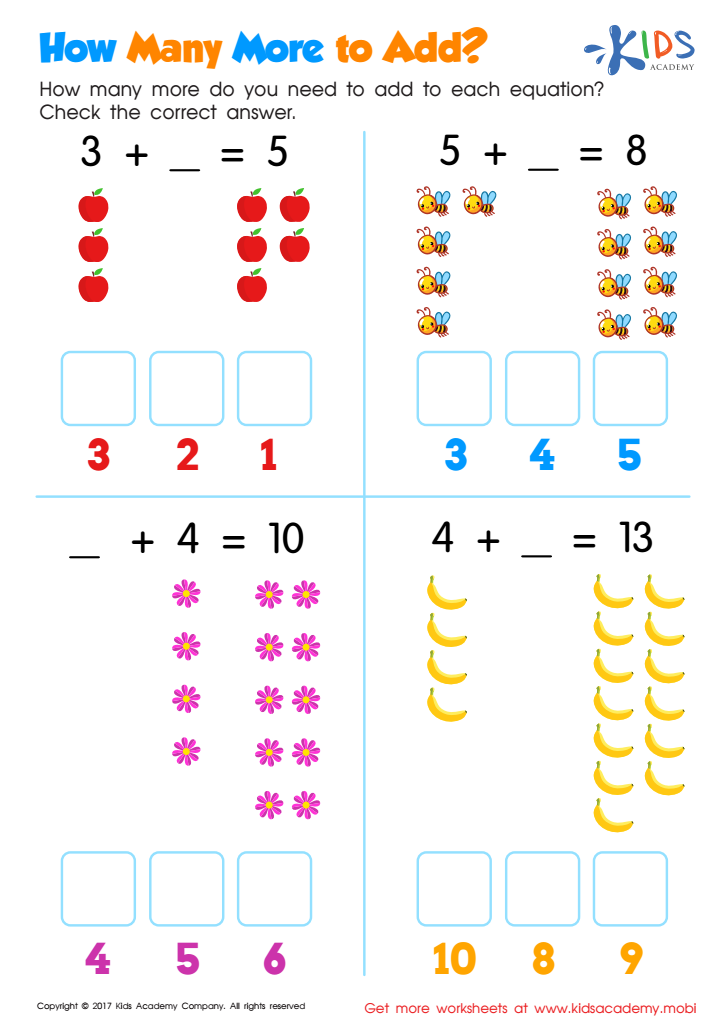
How Many More to Add Worksheet
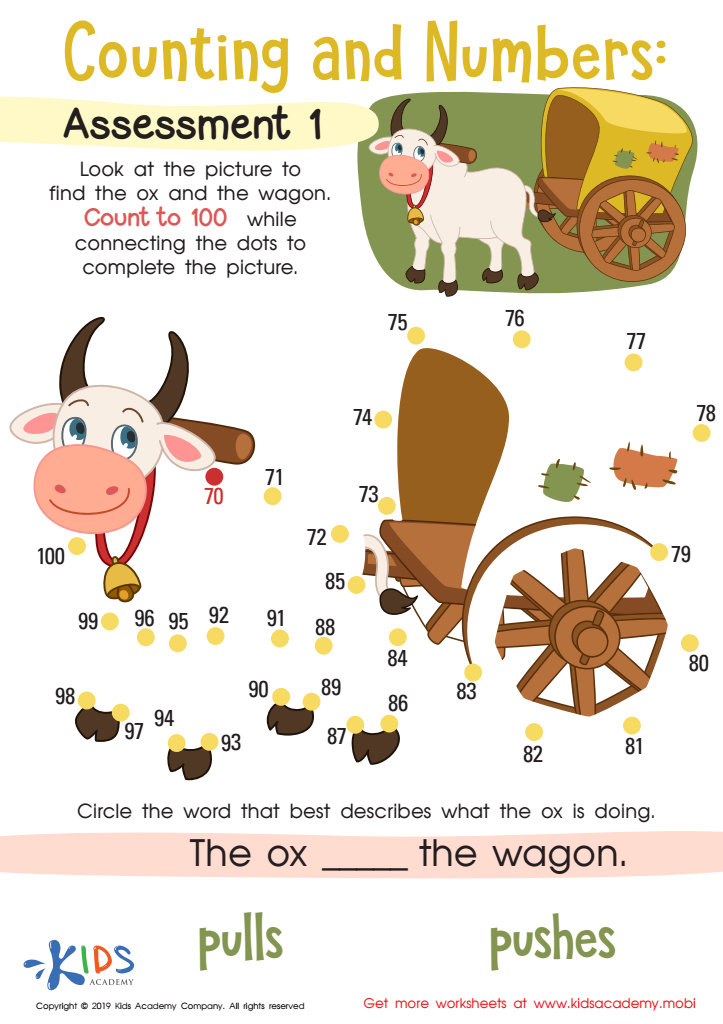
Counting and Numbers: Assessment 1 Worksheet
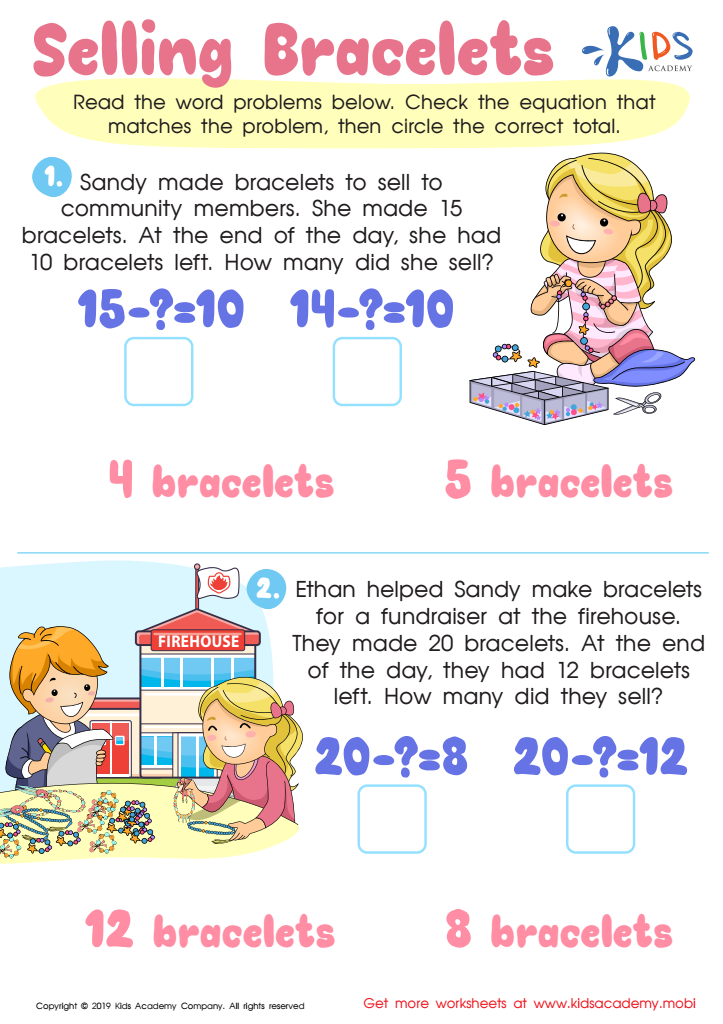
Selling the Bracelets Worksheet








Understanding basic subtraction is crucial for children aged 7-8 as it lays the foundation for their future mathematical learning. At this age, children begin to encounter more complex math concepts, and subtraction is often the first operation that is connected to larger problems they’ll face, such as addition, multiplication, and division. Mastering subtraction reinforces their critical thinking and problem-solving skills, enabling them to approach mathematical challenges with confidence.
Moreover, basic subtraction cultivates numerical fluency, which is vital for success in everyday situations such as budgeting, measuring, and time management. As children grasp these concepts, they develop perseverance and a positive attitude towards math.
Parents and teachers play a significant role in this development. Engaging with children through fun subtraction games, real-life applications, and positive reinforcement not only makes learning enjoyable but also strengthens the parent-teacher bond. It is essential to create an environment where kids feel safe to explore and make mistakes, as this reinforces their learning.
Ultimately, basic subtraction skills are not just about completing worksheets; they form a critical part of a child’s cognitive development, social interaction, and future academic success. Investing time in this crucial area pays long-term educational dividends.








