Data interpretation Easy Math Worksheets for Ages 7-9
10 filtered results
-
From - To
Discover our engaging "Data Interpretation Easy Math Worksheets" designed specifically for children aged 7-9! These worksheets make learning about data enjoyable while enhancing critical thinking and analytical skills. Each activity is tailored to help young learners interpret information from charts, graphs, and tables. With colorful illustrations and age-appropriate challenges, students will boost their comprehension of basic data concepts in a fun and interactive way. Ideal for classroom use or at-home practice, our worksheets support foundational math skills while igniting a love for learning. Equip your child with essential tools for success in math through these easy-to-understand resources!
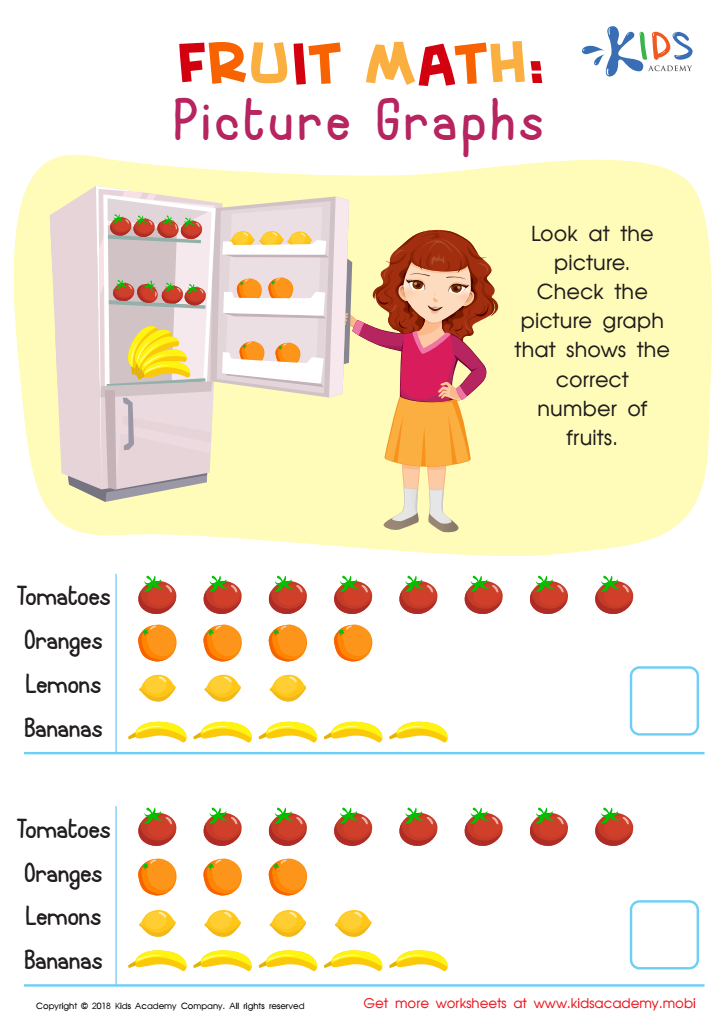
Fruit Math: Picture Graphs Worksheet
 Assign to My Students
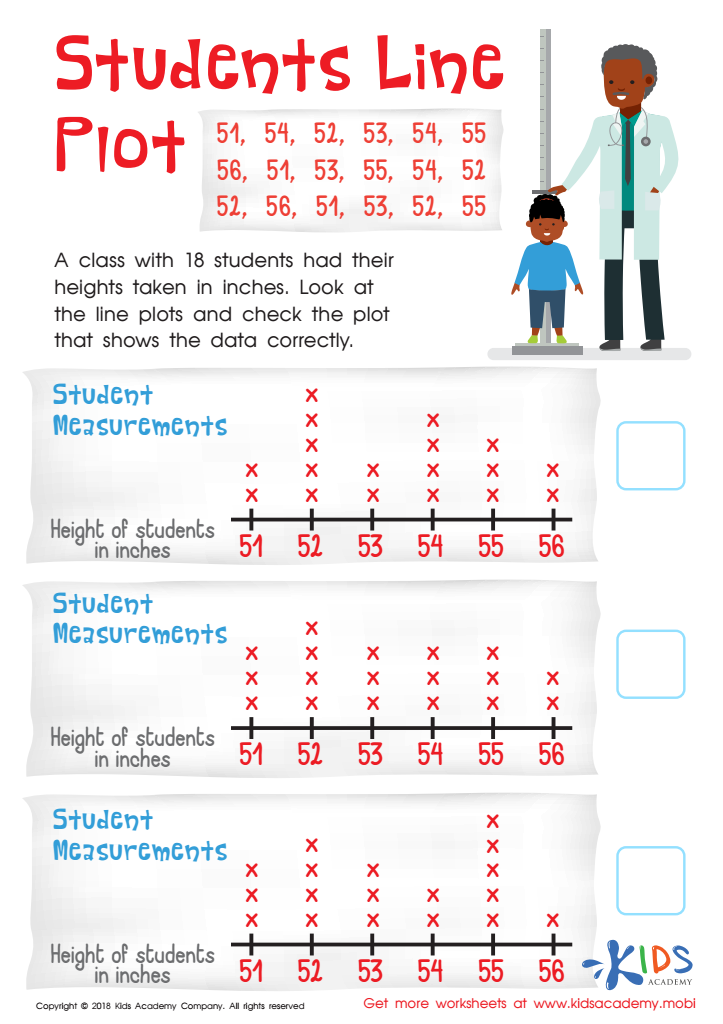
Students Line Plot Worksheet
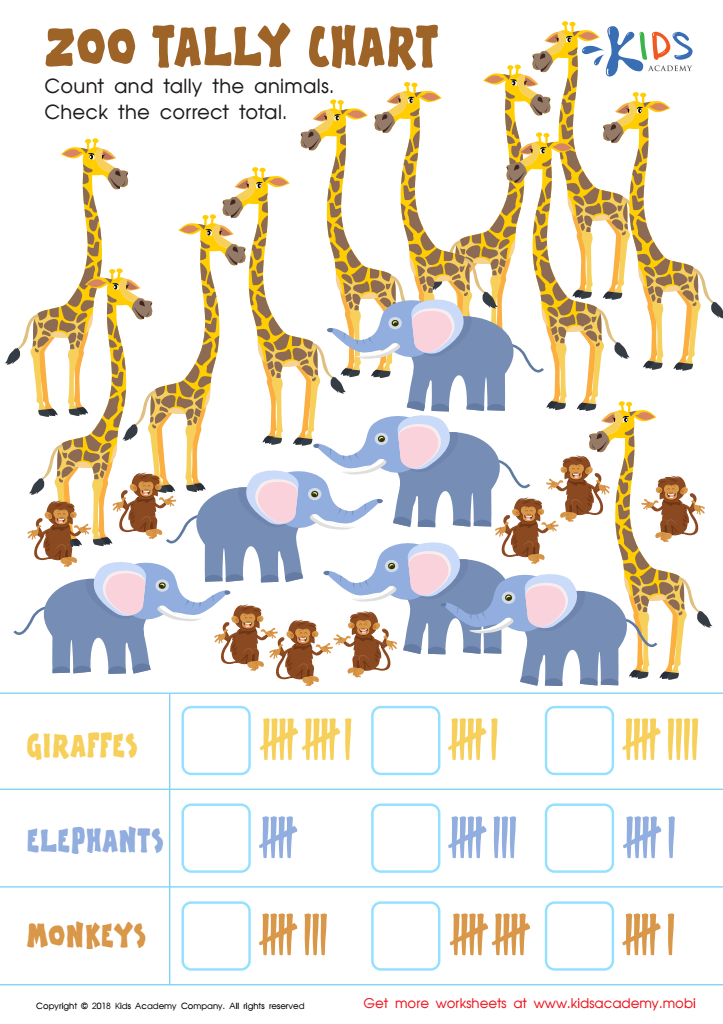
Zoo Tally Chart Worksheet
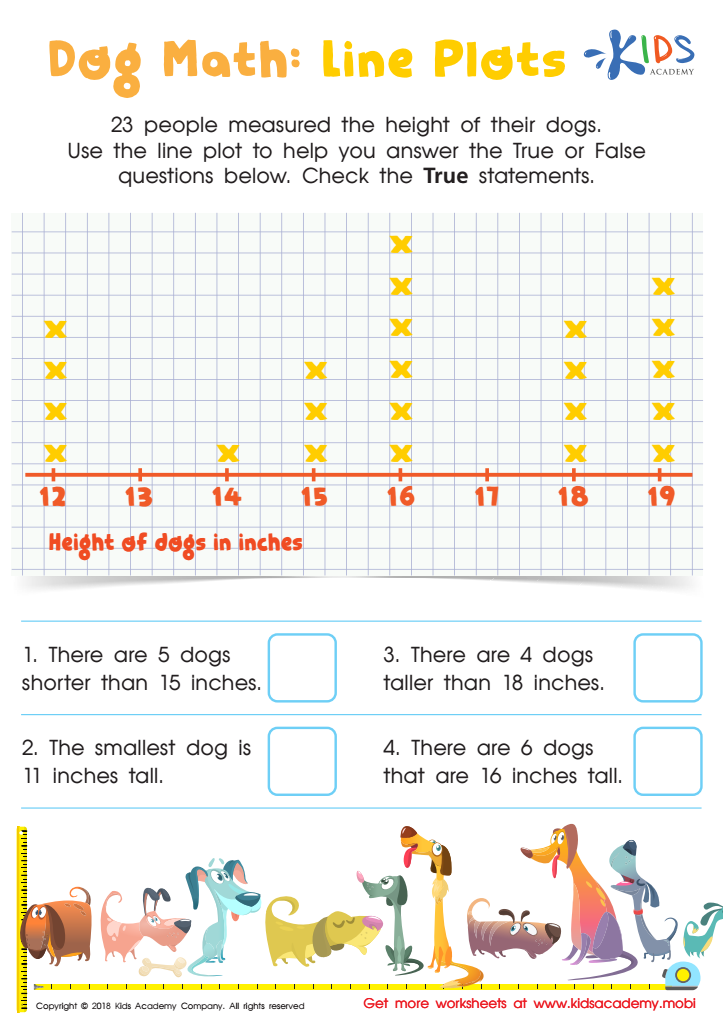
Dog Math: Line Plots Worksheet
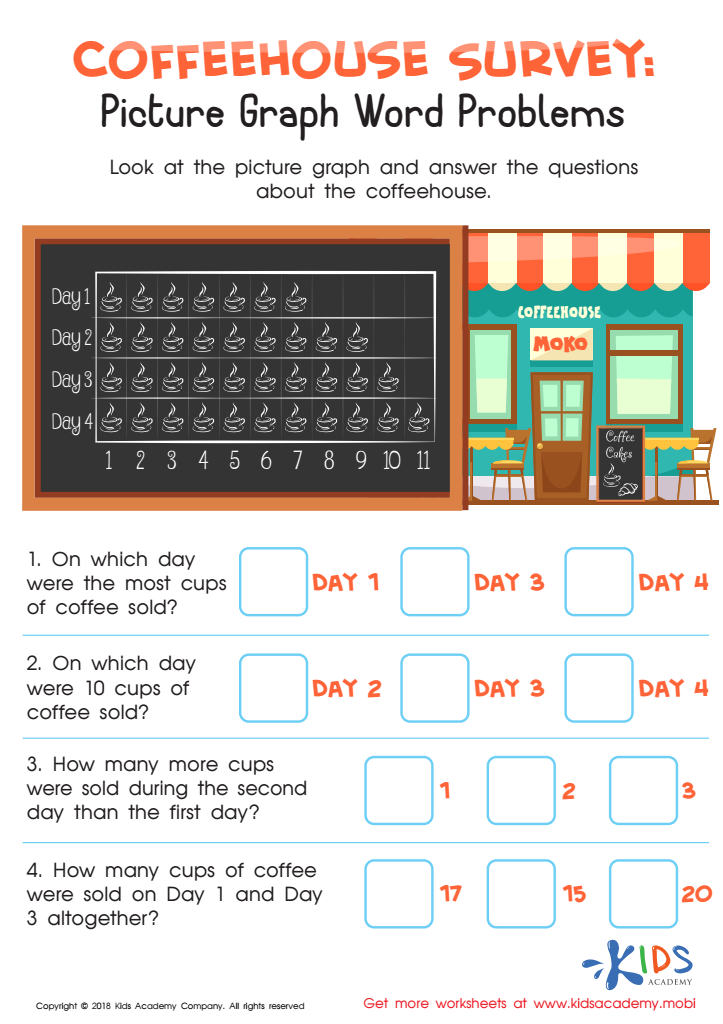
Coffeehouse Survey: Picture Graph Word Problems Worksheet
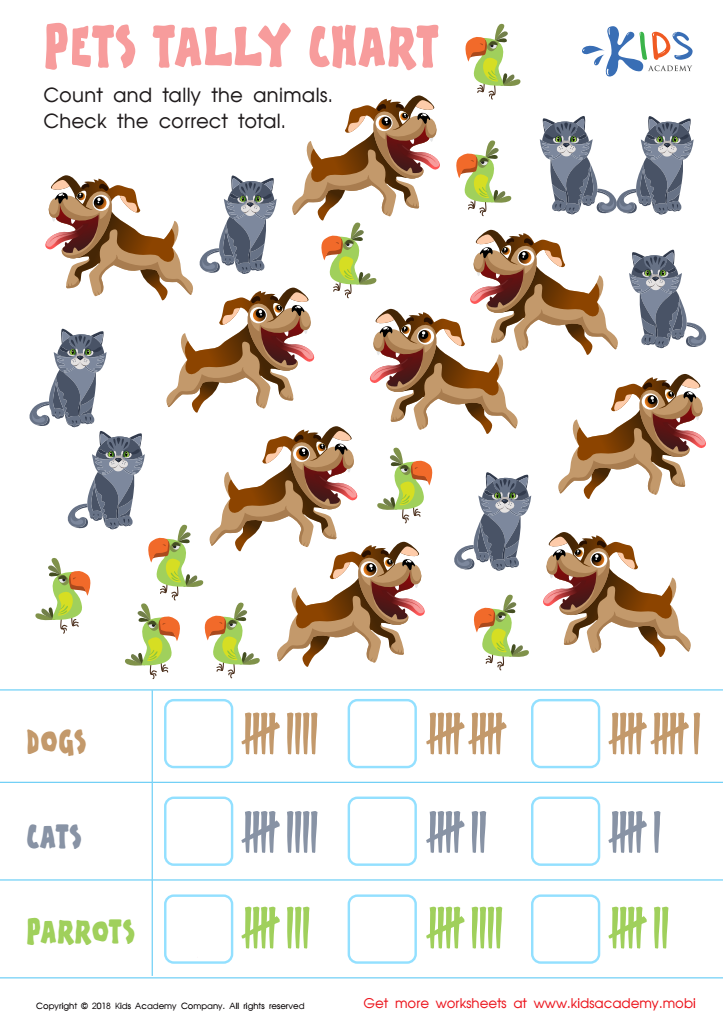
Pets Tally Chart Worksheet

Aircraft Carrier Picture Graphs Worksheet
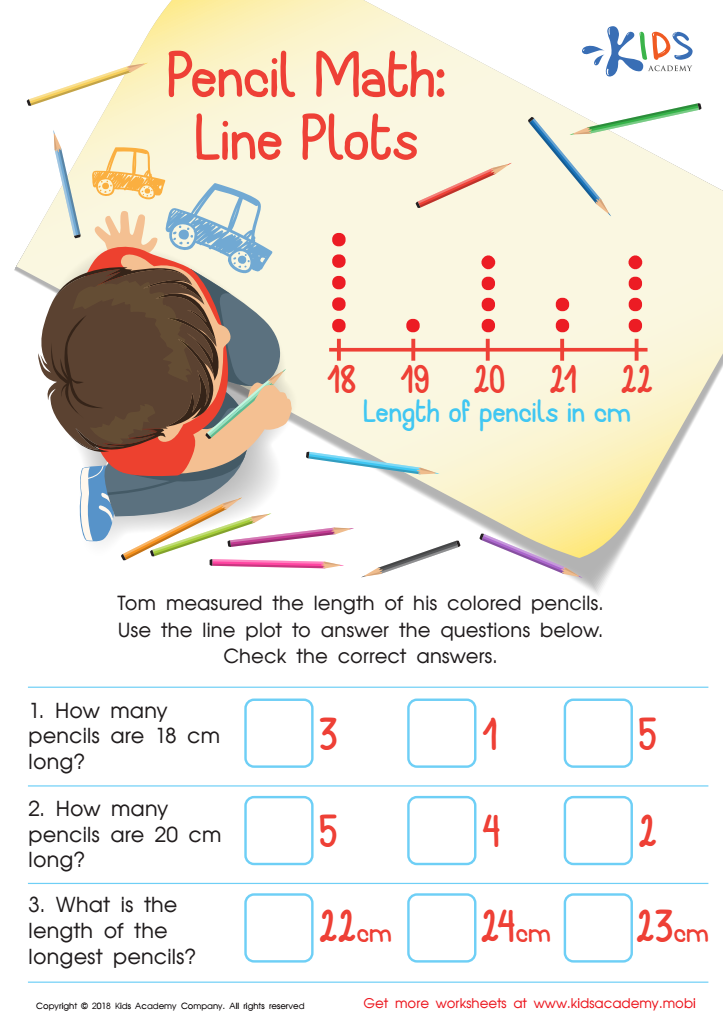
Pencil Math: Line Plots Worksheet
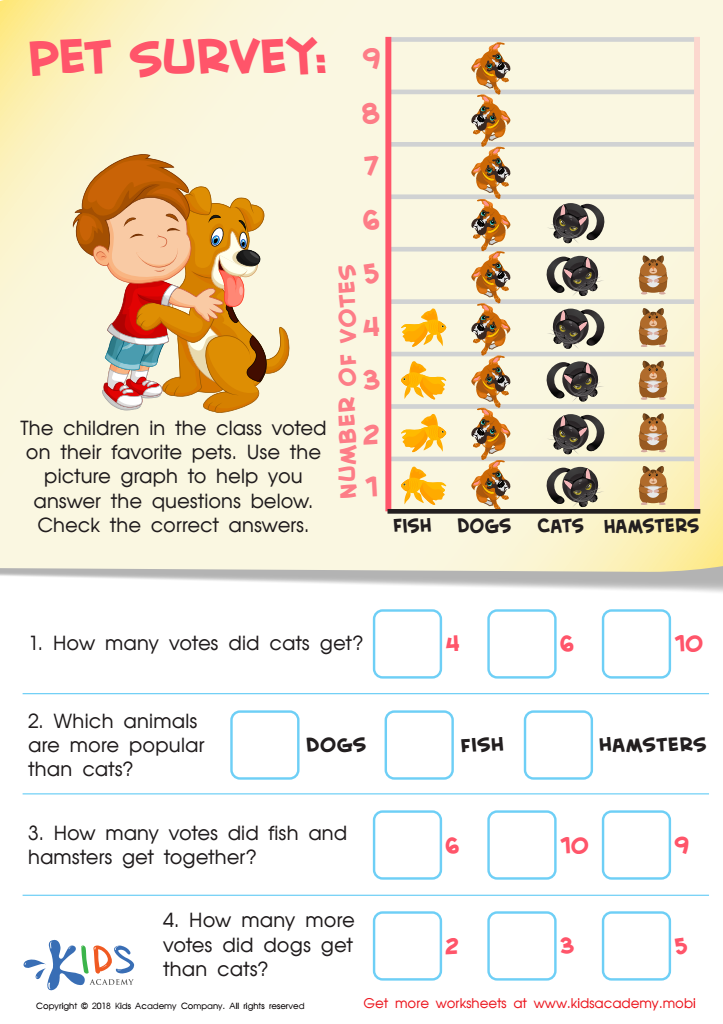
Pet Survey Worksheet
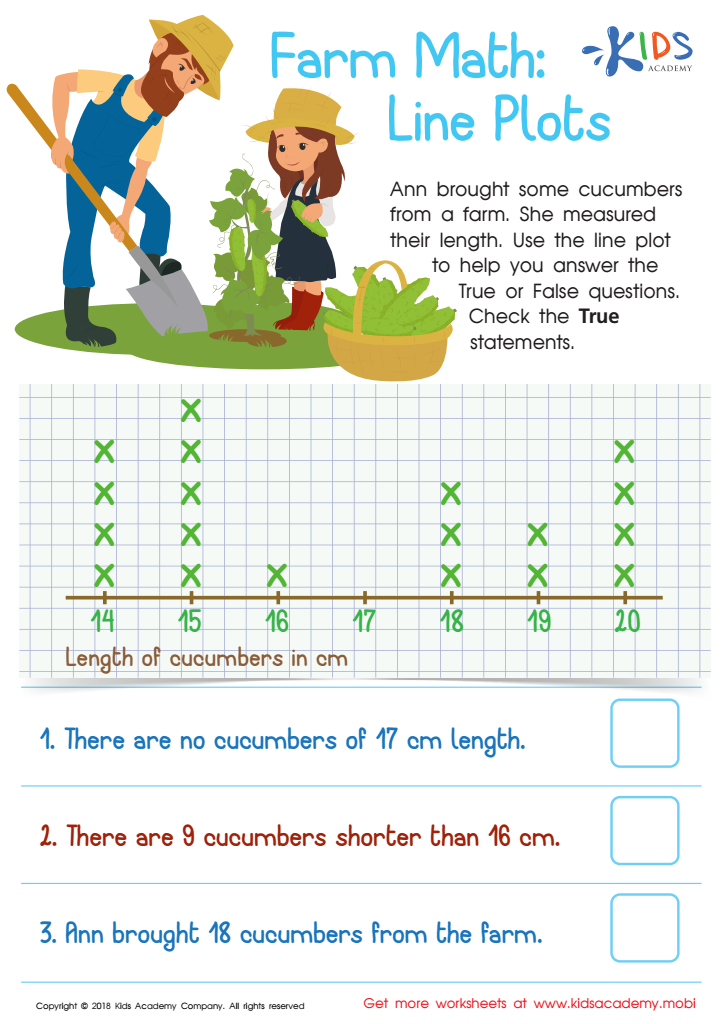
Farm Math: Line Plots Worksheet







Data interpretation is a crucial skill that plays a significant role in the education of children aged 7-9. Parents and teachers should care about its importance for several reasons. Firstly, data interpretation fosters critical thinking and analytical skills. By learning how to read and analyze data from graphs, charts, and surveys, children develop the ability to make informed decisions based on evidence, which is essential in today’s data-driven world.
Secondly, early exposure to data interpretation introduces students to mathematical concepts in a practical manner. Concepts such as mean, median, mode, and fractions become more relatable when applied to real-life situations, helping to build a strong mathematical foundation.
Moreover, understanding data encourages curiosity, enabling children to ask questions and seek solutions, which enhances their overall learning experience. It also nurtures abilities like comprehension and communication, as discussing findings with peers or at home supports collaboration and social skills.
Lastly, mastering data interpretation prepares children for more advanced studies in math and science, promoting lifelong learning and adaptability. By emphasizing the value of these skills, parents and teachers lay the groundwork for future academic success and informed citizenship, making it imperative to prioritize data interpretation in early education.








