Easy Measurement Worksheets for Ages 7-9 - Page 2
32 filtered results
-
From - To
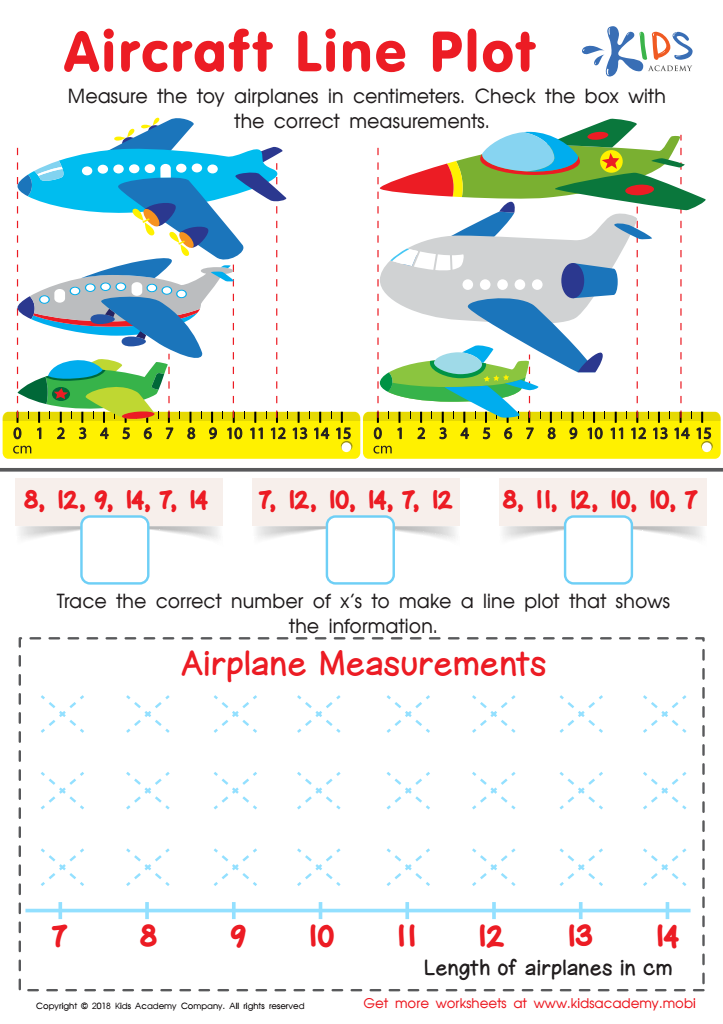
Aircraft Line Plot Worksheet
 Assign to My Students
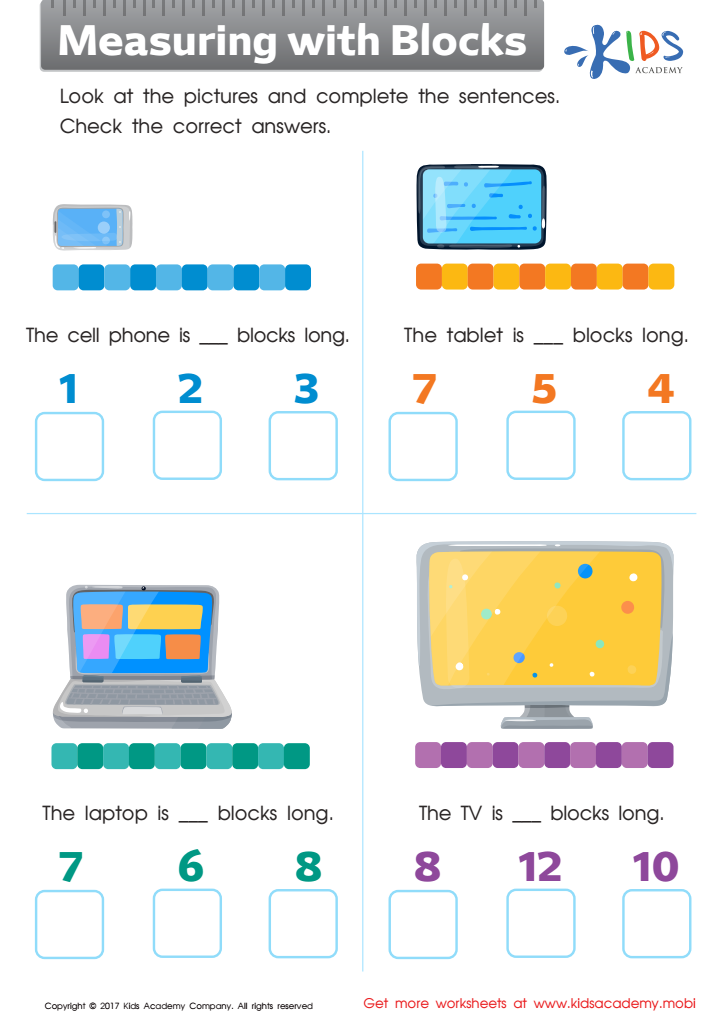
Measuring with Blocks Worksheet
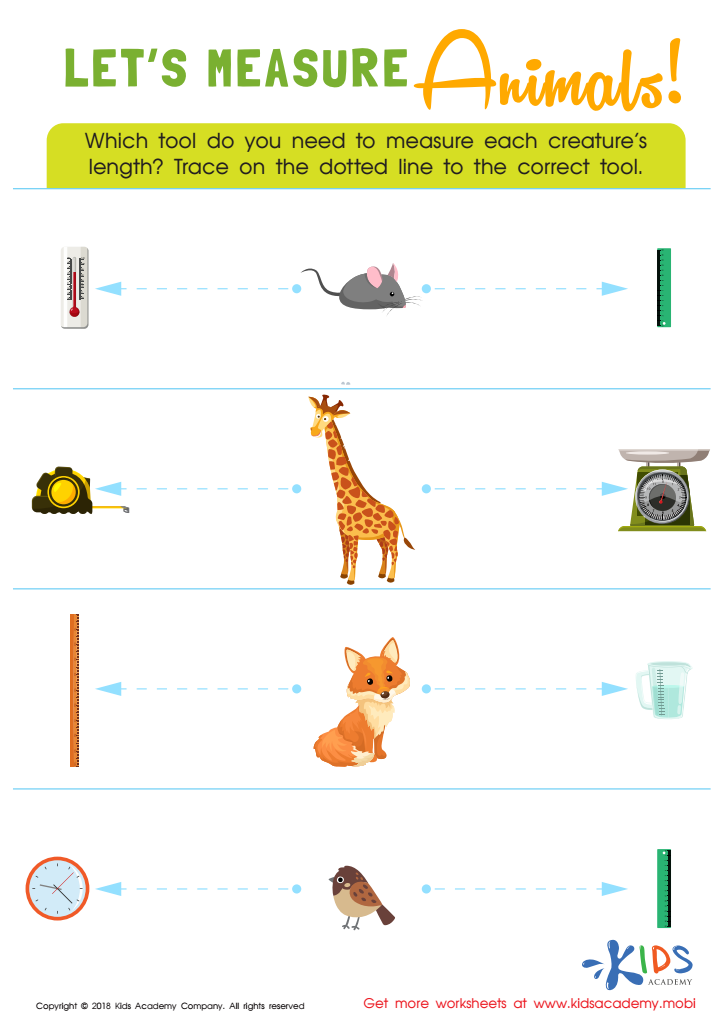
Let's Measure Animals! Worksheet
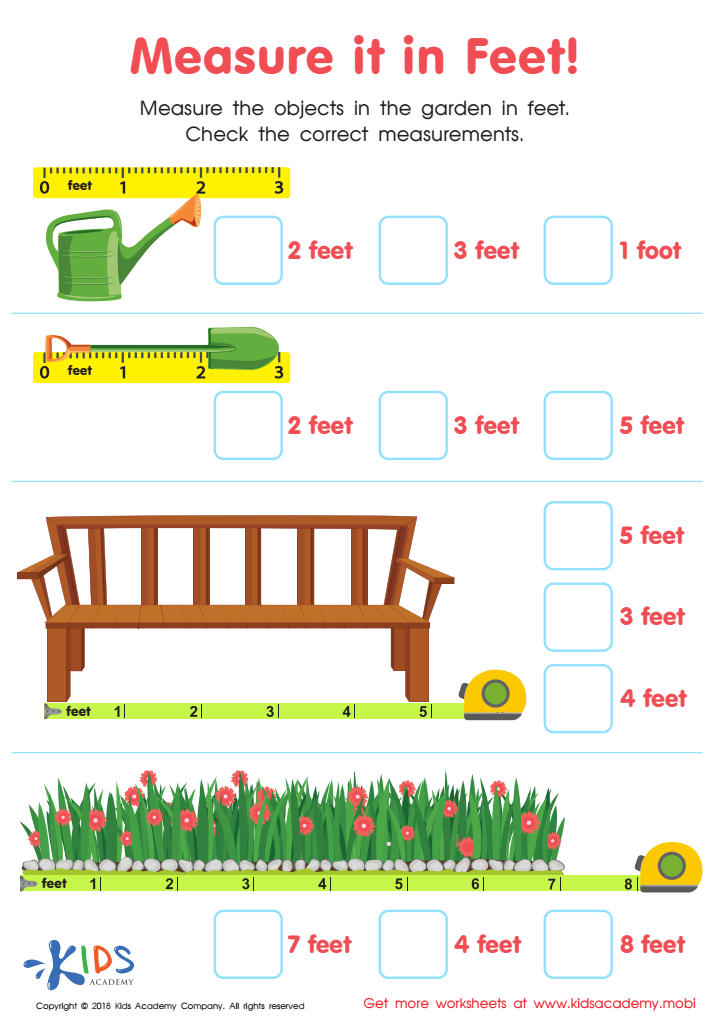
Measure it in Feet Worksheet
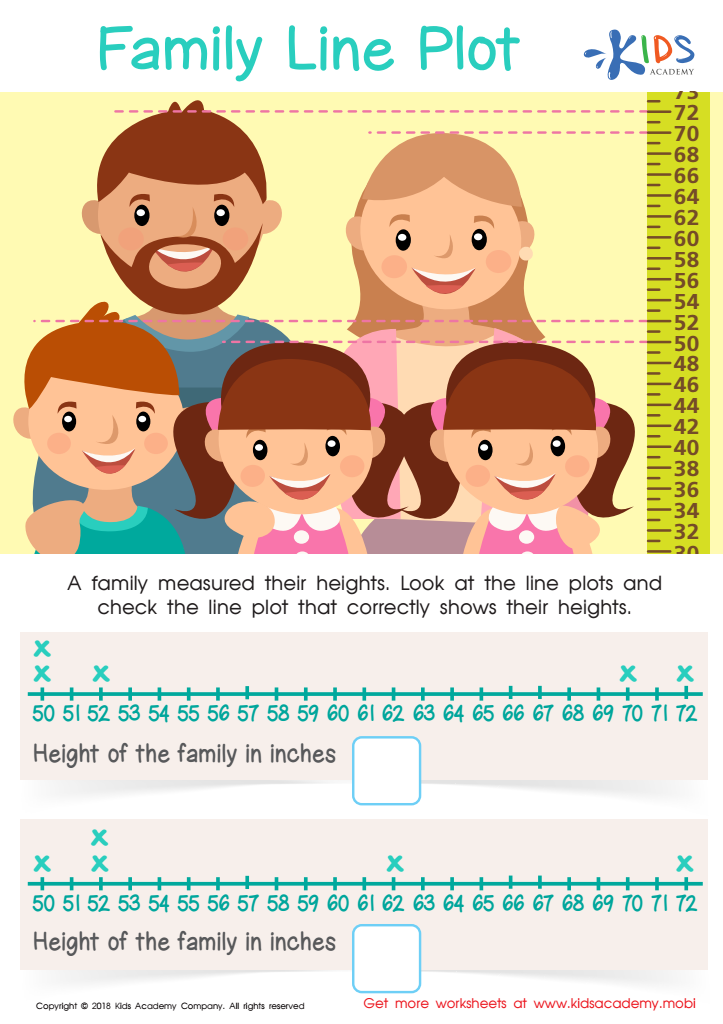
Family Line Plot Worksheet
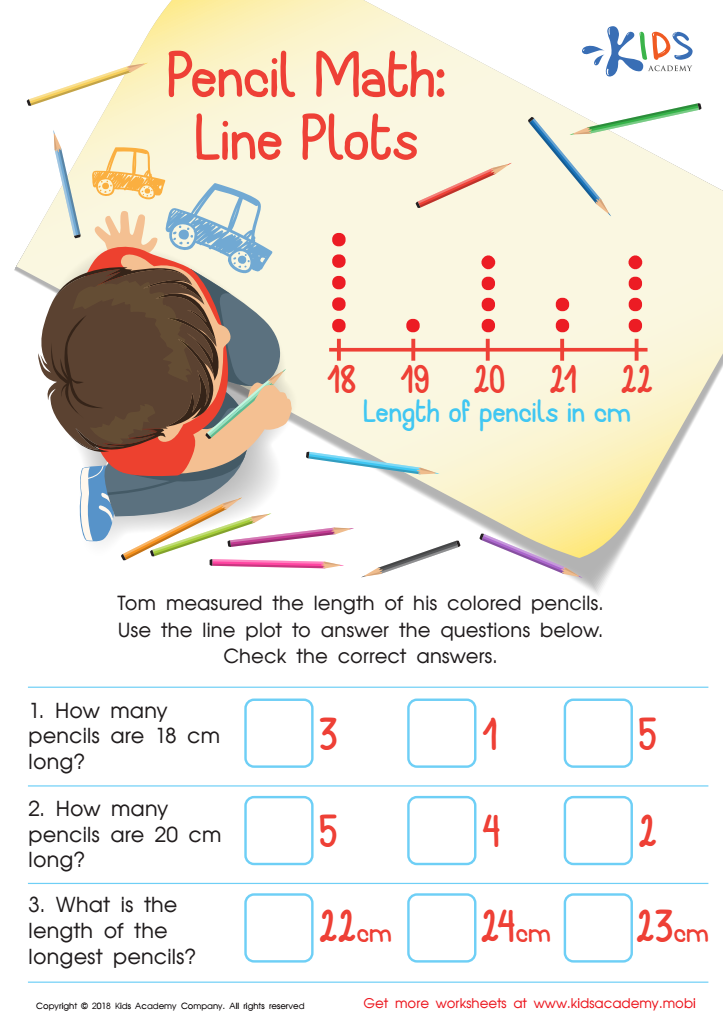
Pencil Math: Line Plots Worksheet
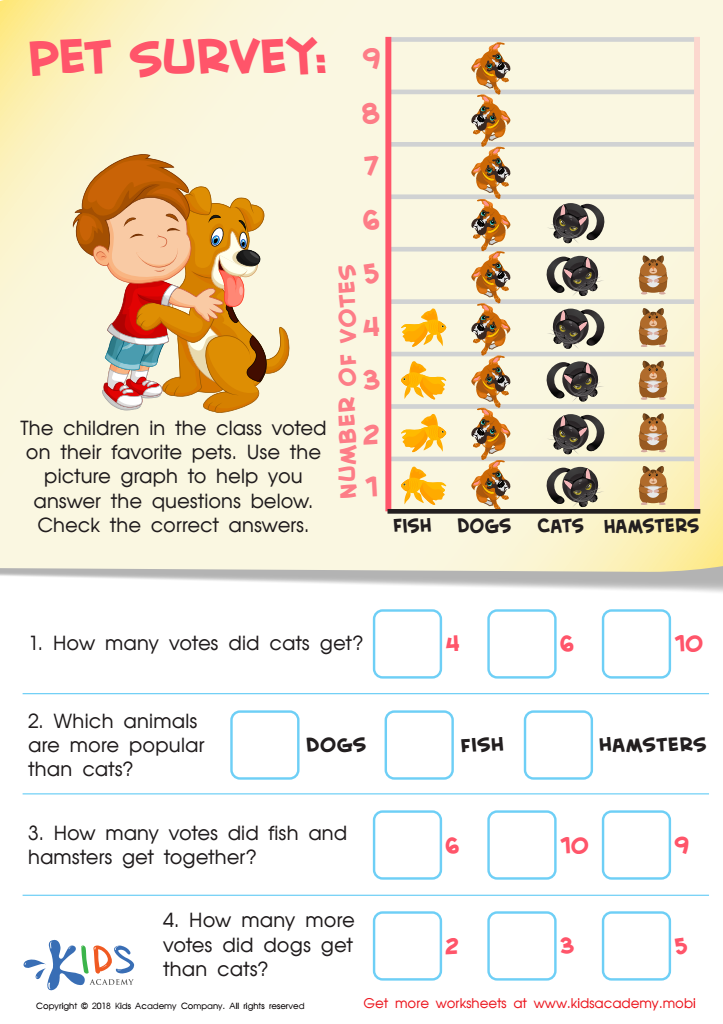
Pet Survey Worksheet
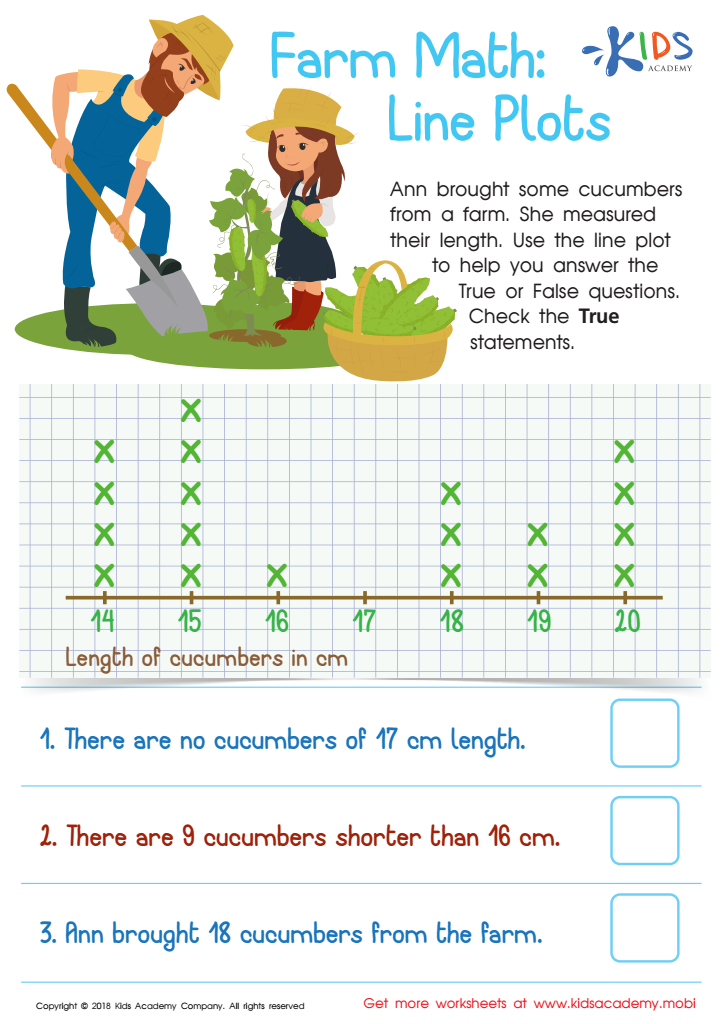
Farm Math: Line Plots Worksheet








Easy Measurement for Ages 7-9 is crucial as it lays the foundation for essential mathematical skills that children will utilize throughout their academic and everyday lives. During this developmental stage, children not only grasp the basics of measurement—length, weight, and volume—but also develop critical thinking and problem-solving skills. Engaging with measurement fosters spatial awareness and the ability to quantify and compare objects, which are vital competencies in various fields, including science, technology, engineering, and mathematics (STEM).
Parents and teachers play a pivotal role in fostering curiosity and competence in this area. By encouraging exploration through hands-on activities—such as measuring ingredients for a recipe or comparing the heights of family members—children learn in a practical context, making concepts more relatable and easier to understand. Incorporating measurement into daily life enhances children's communication skills, enabling them to describe their observations and findings effectively.
Moreover, early experiences with measurement can boost children's confidence in math, setting a positive trajectory for future learning. By prioritizing Easy Measurement skills, parents and teachers not only support academic success but also empower children to tackle real-world challenges with confidence and creativity. Investing time and resources in teaching measurement returns significant long-term benefits for children's education and cognitive development.








