Color recognition Easy Worksheets for 7-Year-Olds - Page 2
33 filtered results
-
From - To
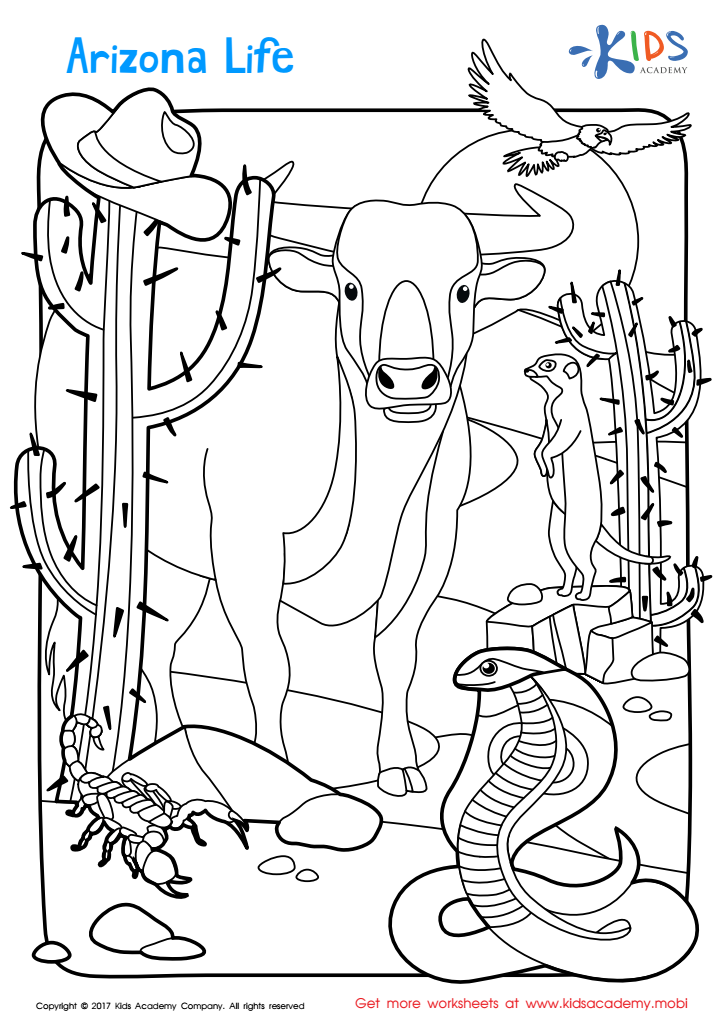
Arizona Coloring Page Worksheet
 Assign to My Students
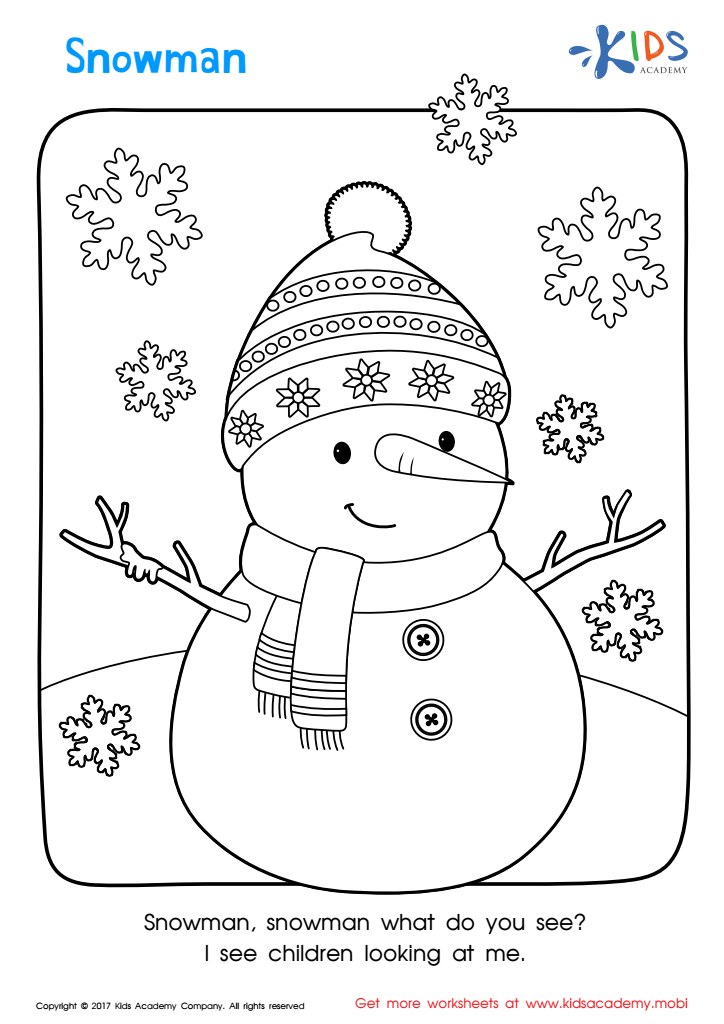
Christmas: Snowman Printable
Assign to My Students
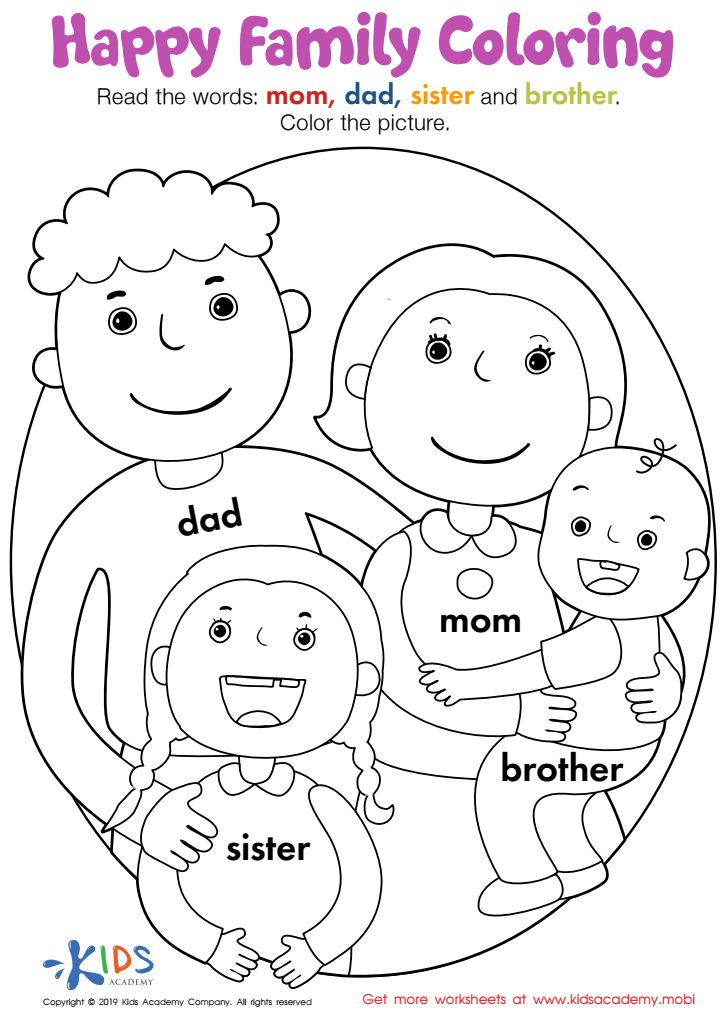
Happy Family Coloring Worksheet
Assign to My Students
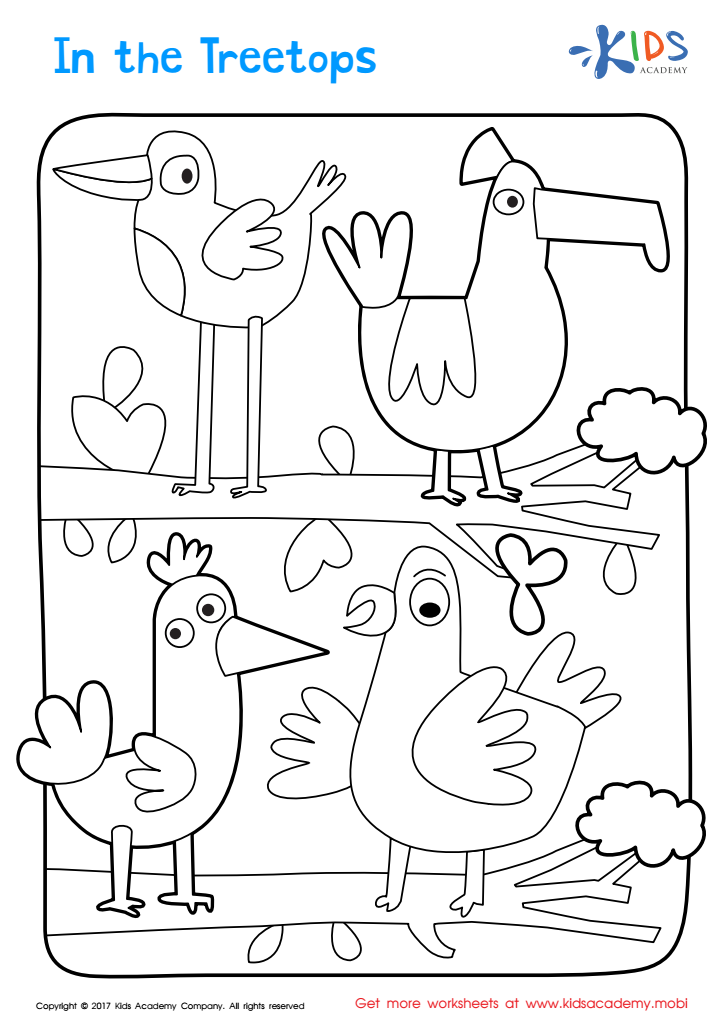
In the Treetops Coloring Page
Assign to My Students
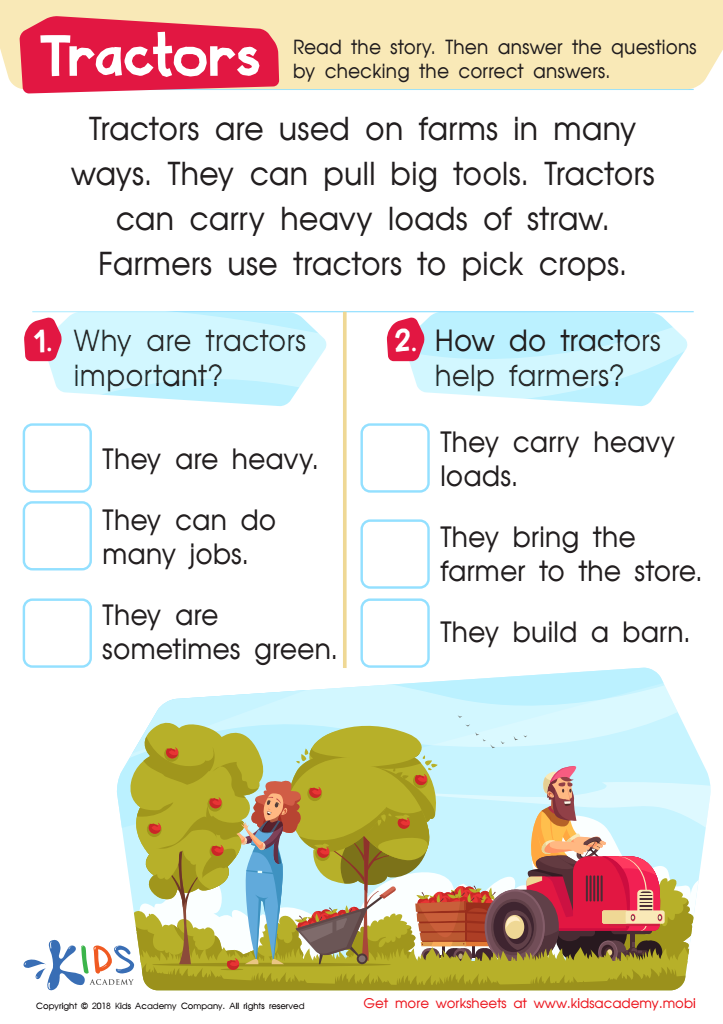
Tractors Worksheet
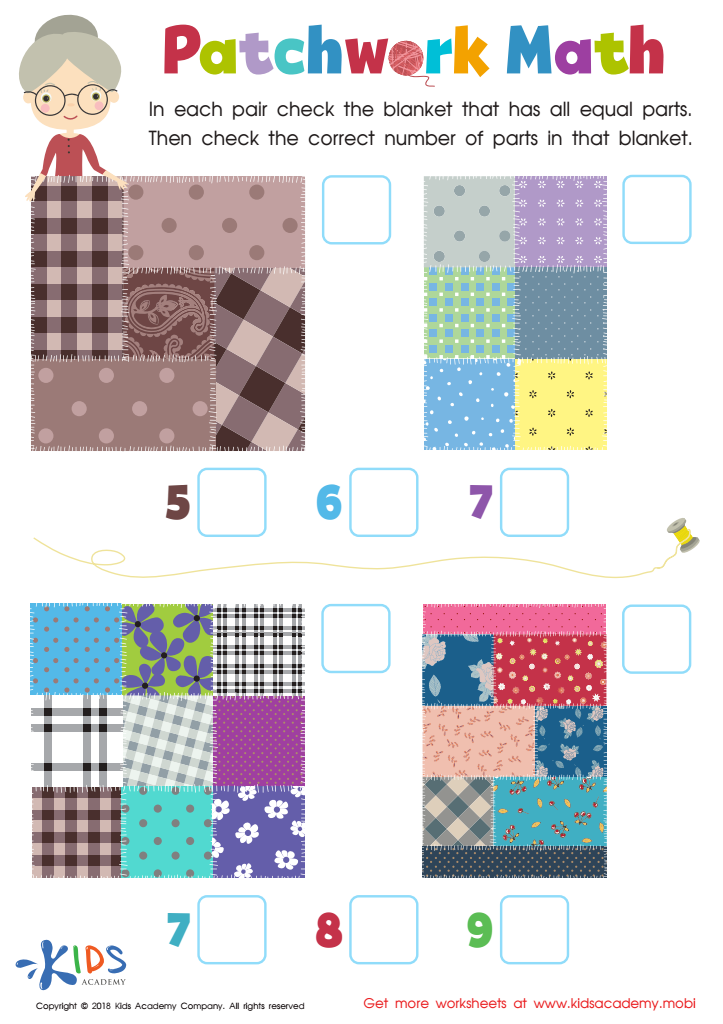
Patchwork Math Worksheet
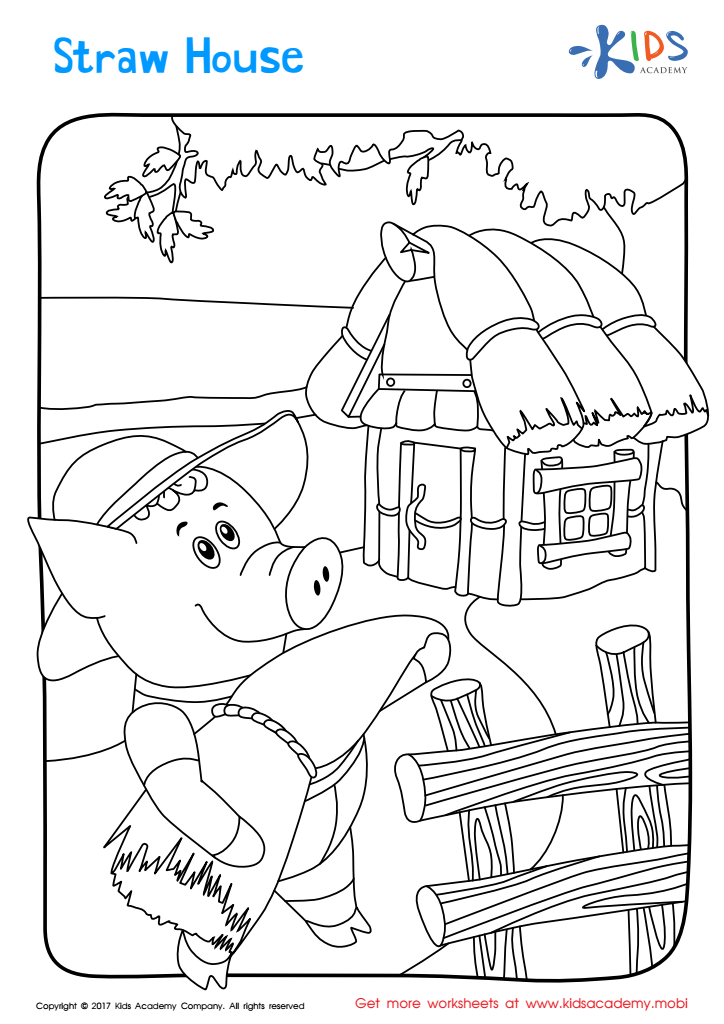
Straw House Printable Coloring Page
Assign to My Students
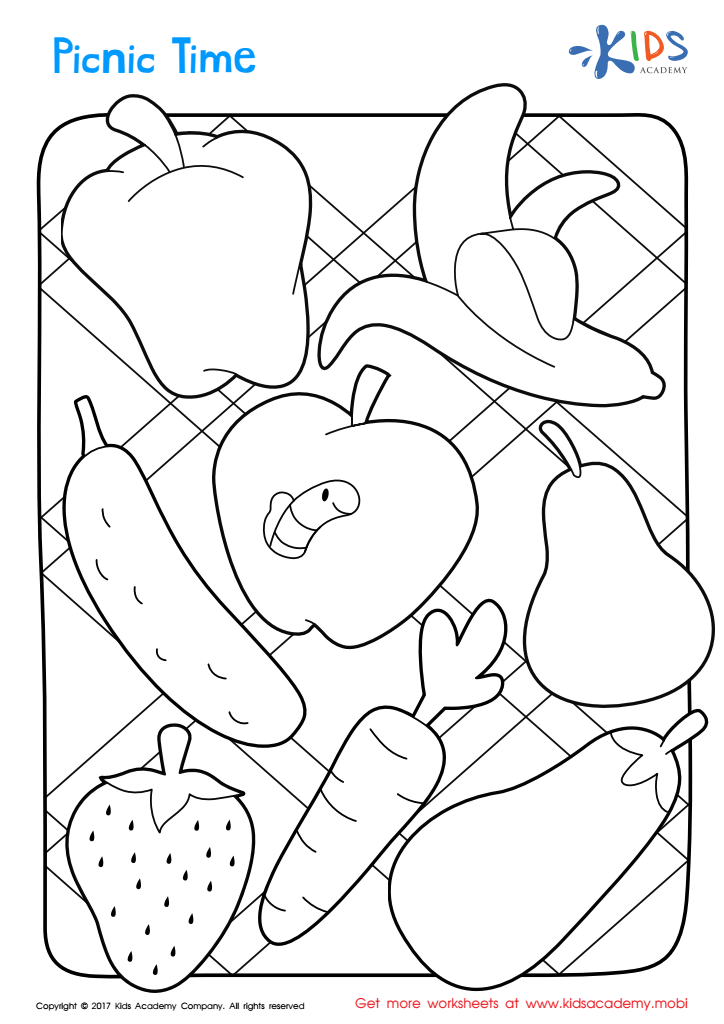
Picnic Time Coloring Page
Assign to My Students
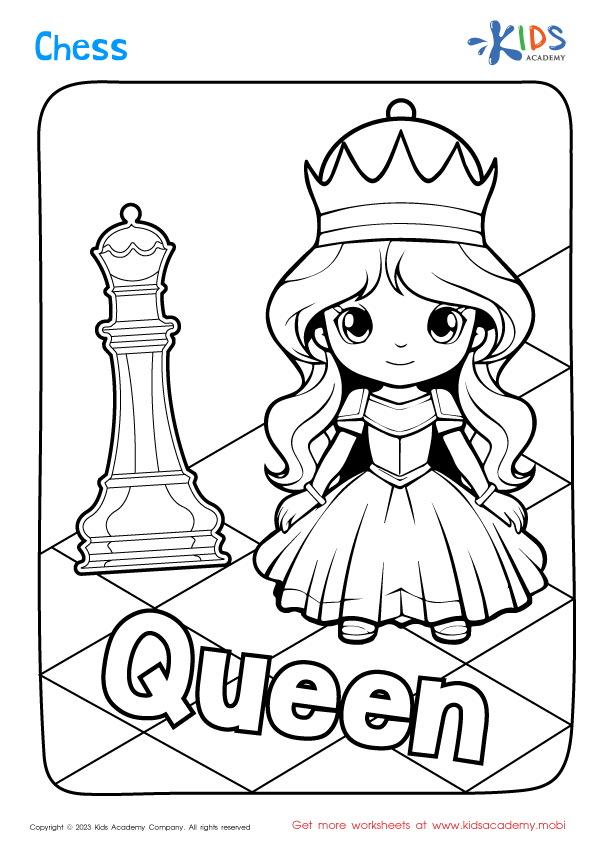








Color recognition is a foundational skill that plays a critical role in a child's development, particularly for seven-year-olds. At this age, children are transitioning from basic learning to more complex cognitive tasks, making color identification vital. Firstly, it aids in language development; as children learn the names of colors, they expand their vocabulary and enhance their communication skills.
Moreover, recognizing colors helps boost a child’s creativity and visual perception. Engaging with colors stimulates the brain’s neural pathways, fostering critical thinking and problem-solving skills. In arts and crafts, for example, understanding color combinations can aid in expressing emotions and ideas.
Color recognition also fosters social interactions, as children can relate to their environment by describing objects, clothing, or moods through colors. This skill cultivates observational skills, helping them make connections in the world around them – from understanding weather patterns to categorizing items.
For teachers and parents, emphasizing color recognition can make learning more exciting and engaging, laying the groundwork for subjects like math and science, where diagrams and visual representations are essential. Ultimately, cultivating color awareness contributes significantly to a child's intellectual and emotional development, making it a crucial aspect of early education.








