Shape identification Easy Worksheets for 7-Year-Olds
5 filtered results
-
From - To
Our "Shape Identification Easy Worksheets for 7-Year-Olds" offer fun and engaging activities designed to help young learners master basic shapes. With colorful illustrations and interactive tasks, these worksheets make it easy for children to recognize and differentiate between shapes such as circles, squares, triangles, and more. Perfect for both classroom and home use, our printable sheets can enhance your child’s geometry skills, logical thinking, and fine motor development. Spice up your child's learning journey with our easy-to-follow, educational worksheets that promote hands-on practice and ensure a solid foundation in shapes.
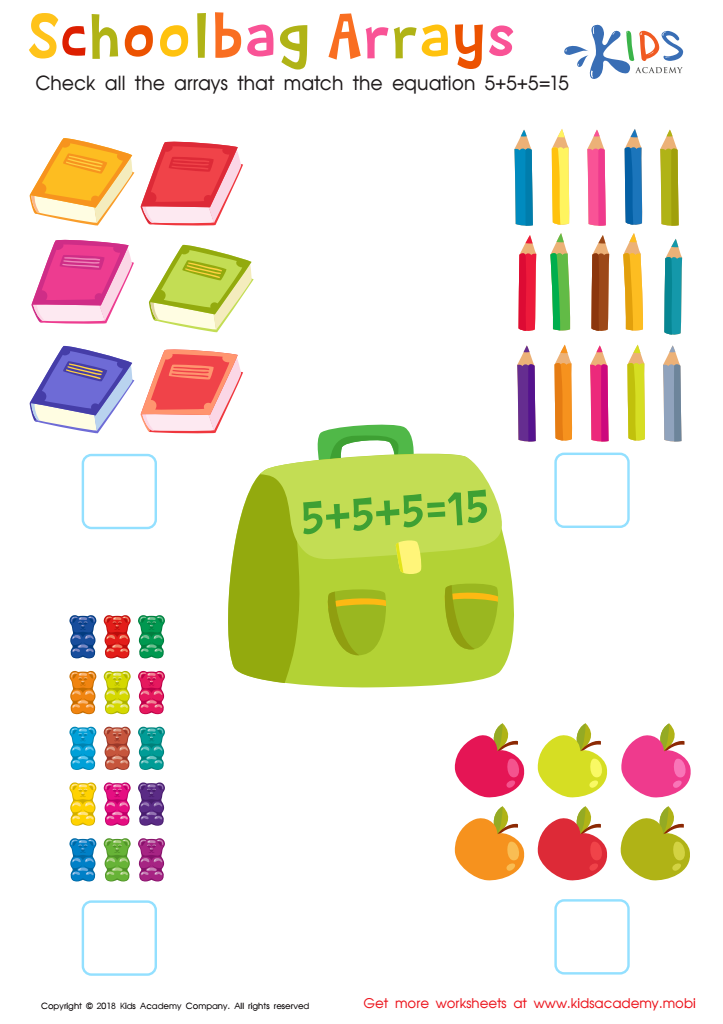
Schoolbag Arrays Worksheet
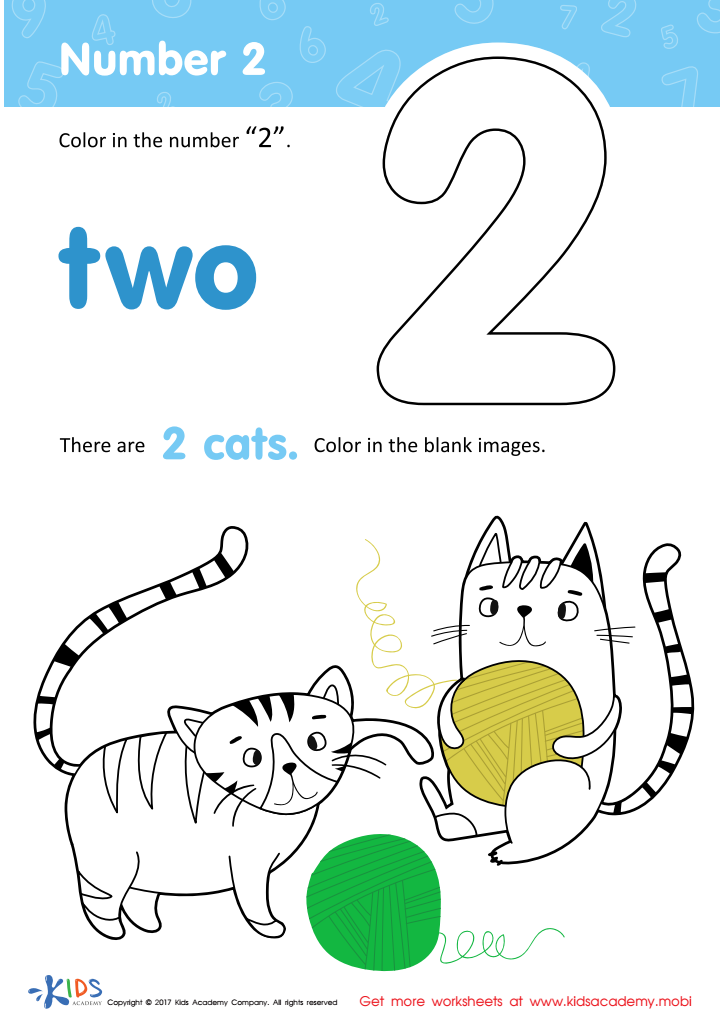
Number 2 Printable
 Assign to My Students
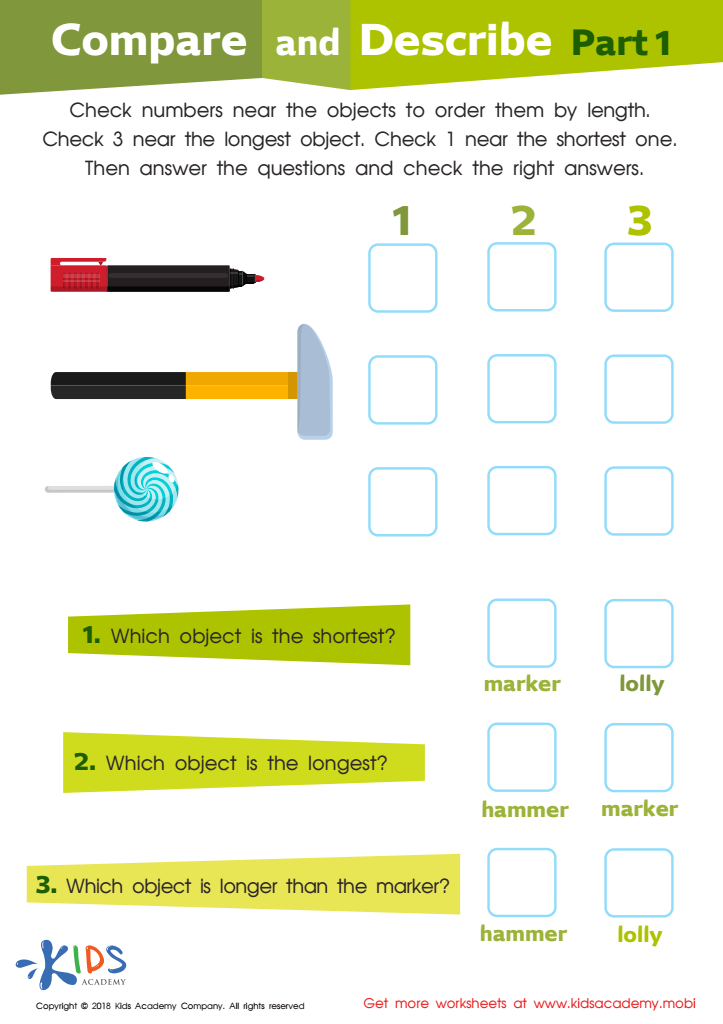
Compare and Describe: Part 1 Worksheet
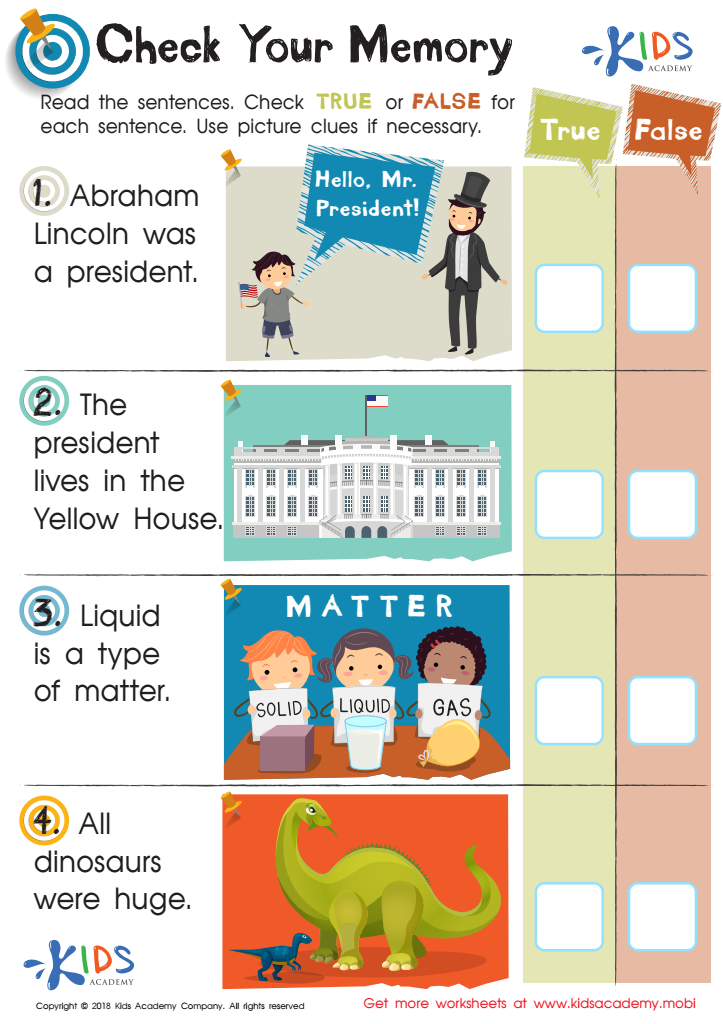
Check Memory Worksheet







Shape identification is a foundational skill crucial for young learners aged seven because it plays an essential role in their cognitive and academic development. For parents and teachers, understanding the significance of this skill can enhance the support they provide to children.
Firstly, recognizing shapes fosters spatial awareness and visual discrimination, aiding children in connecting physical objects with abstract concepts. This cognitive capacity is pivotal in subjects like mathematics, where shapes form the basis of geometry, pattern recognition, and problem-solving skills. For example, understanding shapes helps in grasping more complex ideas such as fractions, symmetry, and the properties of objects.
Furthermore, shape identification supports language development. When children learn to recognize and name shapes, they expand their vocabulary and improve their descriptive language, enabling better communication.
Additionally, shapes are pervasive in everyday life—from traffic signs to art, and nature. Being able to identify them helps children make sense of their surroundings and aids in honing observational skills.
On a developmental level, the process of identifying and categorizing shapes refines fine motor skills and hand-eye coordination. Activities like drawing shapes or creating shape-based crafts promote manual dexterity and precision.
Ultimately, caring about shape identification ensures that children build a strong foundation, supporting not only their academic progress but also their holistic development, making learning both engaging and meaningful.








