Problem-Solving Skills Easy Geometry Worksheets for Ages 8-9
5 filtered results
-
From - To
Discover our engaging "Problem-Solving Skills Easy Geometry Worksheets" designed specifically for kids aged 8-9! These worksheets not only introduce fundamental geometric concepts but also encourage critical thinking and enhance problem-solving abilities. With colorful visuals and diverse activities, young learners will explore shapes, patterns, and spatial reasoning in an enjoyable way. Each worksheet is crafted to reinforce essential skills such as identifying geometry in real-life contexts and applying strategies to solve problems effectively. Perfect for classroom use or at-home practice, our resources empower children to tackle challenges with confidence while building a strong foundation in mathematics. Instill a love for learning today!
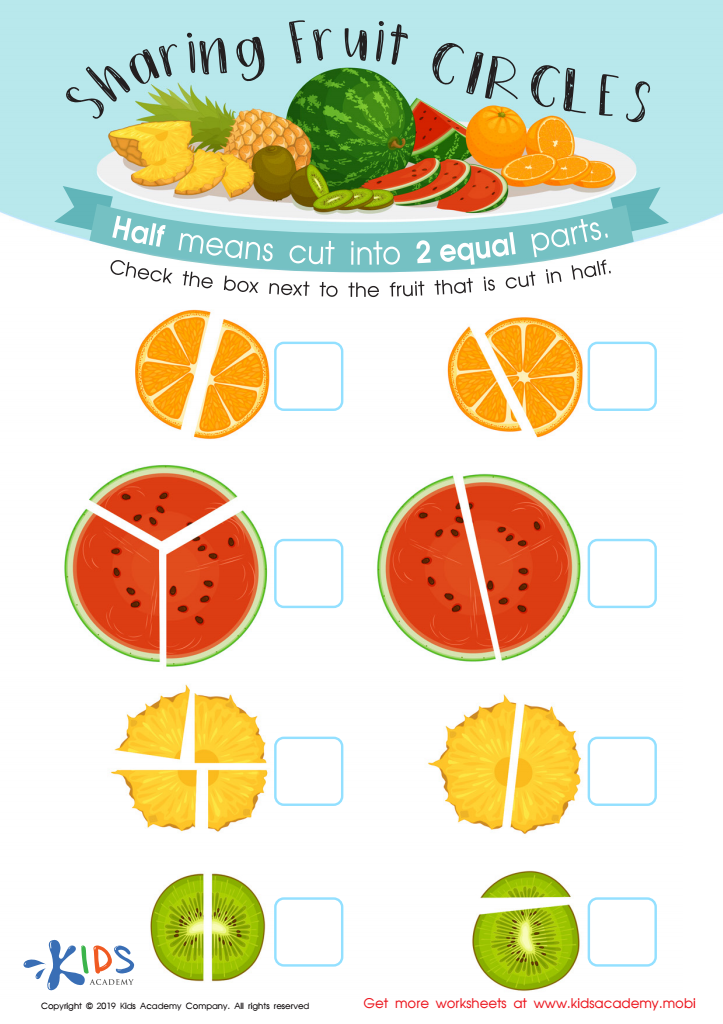
Sharing Fruit Circles Worksheet
 Assign to My Students











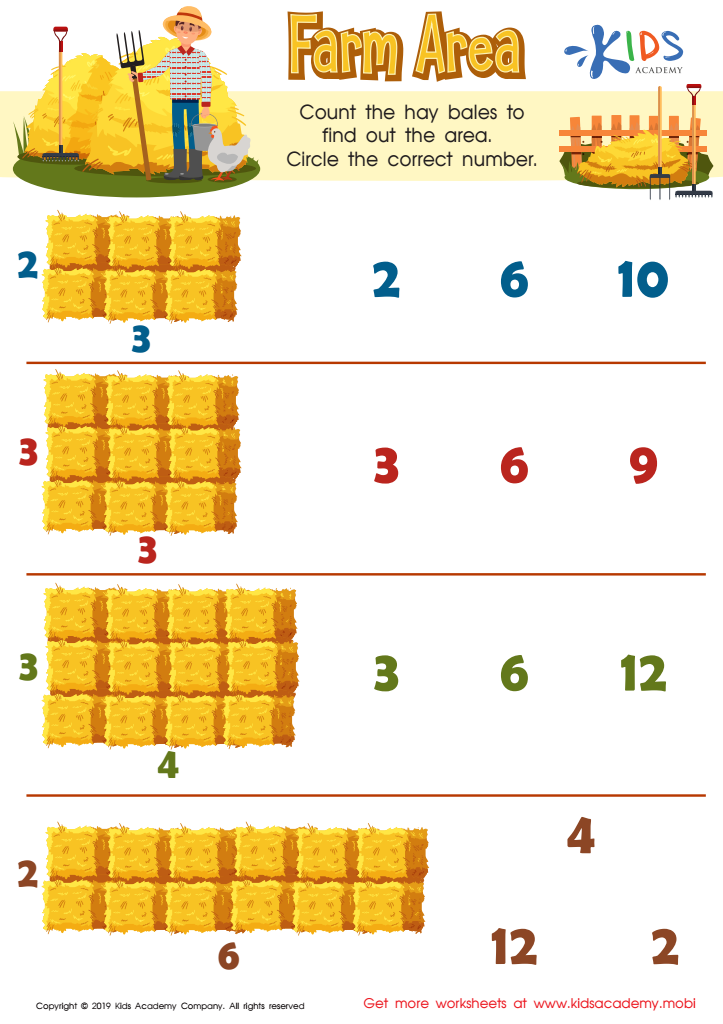
Farm Area Worksheet
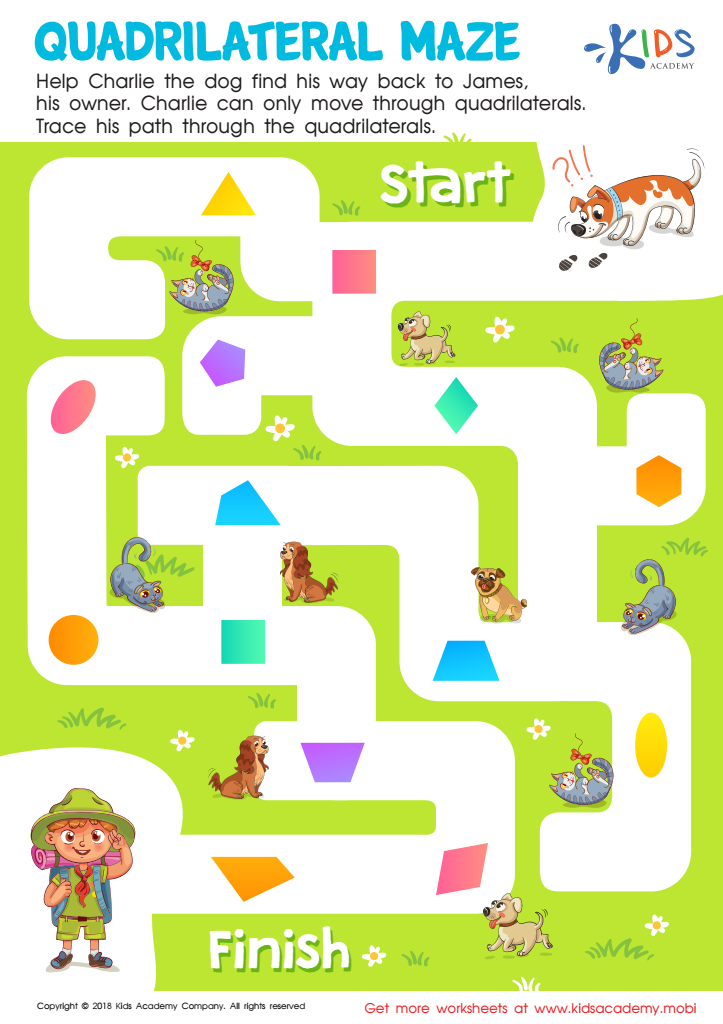
Quadrilateral Maze Worksheet
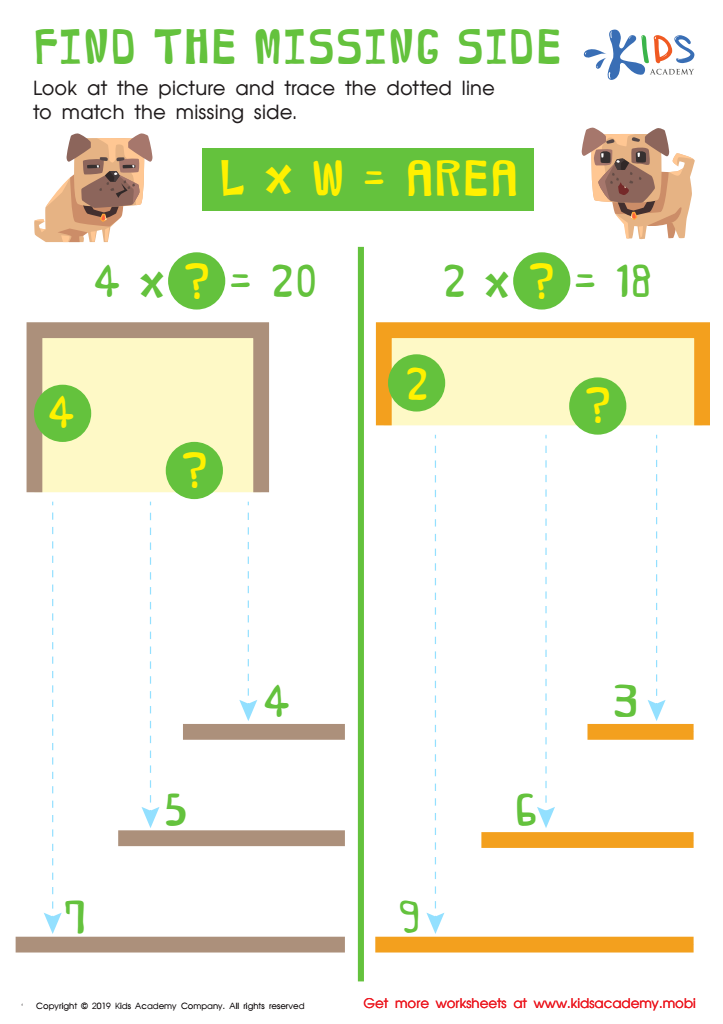
Find the Missing Side Worksheet
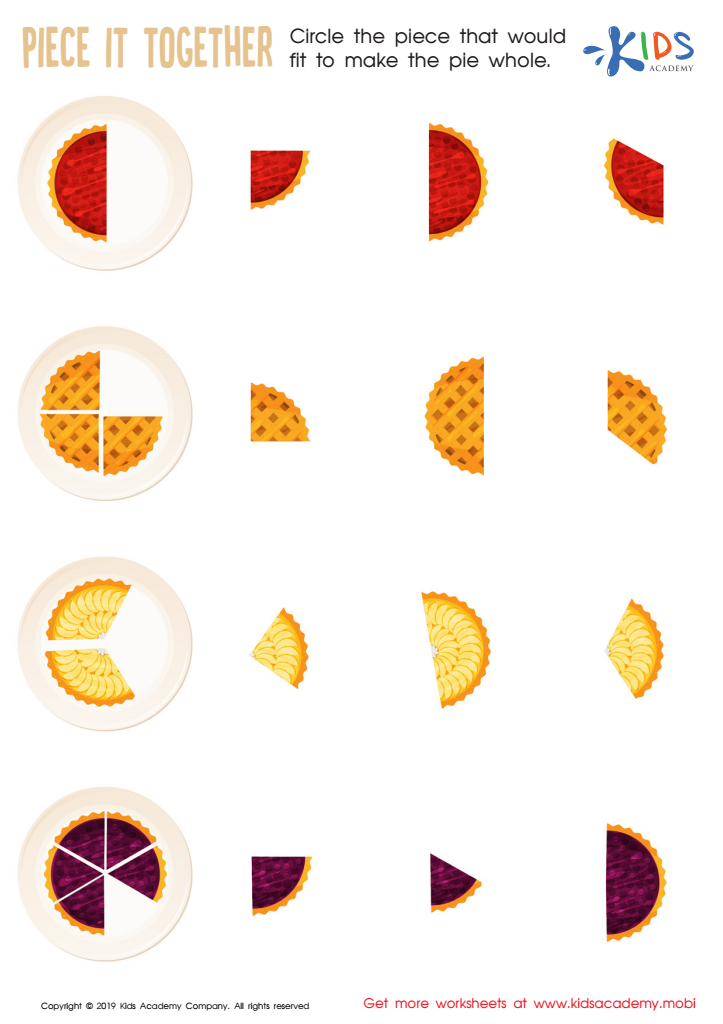
Piece it together Worksheet








Problem-solving skills are essential for young learners, particularly in the realm of geometry for ages 8-9. First, these skills foster critical thinking, allowing children to approach math with curiosity and creativity. Geometry helps students understand spatial relationships, shapes, and measurements, laying the foundation for more complex mathematical concepts in later grades.
By nurturing problem-solving abilities through easy geometry exercises, parents and teachers can encourage a growth mindset. Children learn that persistence pays off, evolving their approach to challenges and mistakes as opportunities for learning. This resilience extends beyond math, preparing them for various problem-solving scenarios in daily life.
Additionally, mastering basic geometric concepts enhances students' confidence in math, reducing anxiety about the subject. Engaging and interactive geometry activities promote collaborative learning, enabling them to develop social and communication skills as they work with peers or adults.
Ultimately, promoting problem-solving skills through easy geometry is an investment in a child's academic success and holistic development. It cultivates a generation of critical thinkers, prepared to navigate an increasingly complex world with confidence and creativity. Hence, both parents and teachers should prioritize these skills to support children's educational journeys.








