Reading comprehension Easy Writing Worksheets for Ages 8-9
6 filtered results
-
From - To
Enhance your child's reading skills with our engaging Reading Comprehension Easy Writing Worksheets designed specifically for ages 8-9. These worksheets offer a fun and interactive way for young learners to improve their understanding of texts through targeted exercises. Each worksheet features age-appropriate passages followed by thought-provoking questions that encourage critical thinking and promote learning retention. Tailored to align with educational standards, our resources foster a love for reading while building essential comprehension and writing skills. Whether at home or in the classroom, these easy-to-use worksheets will captivate your child's imagination and boost their confidence as they explore the exciting world of literature.
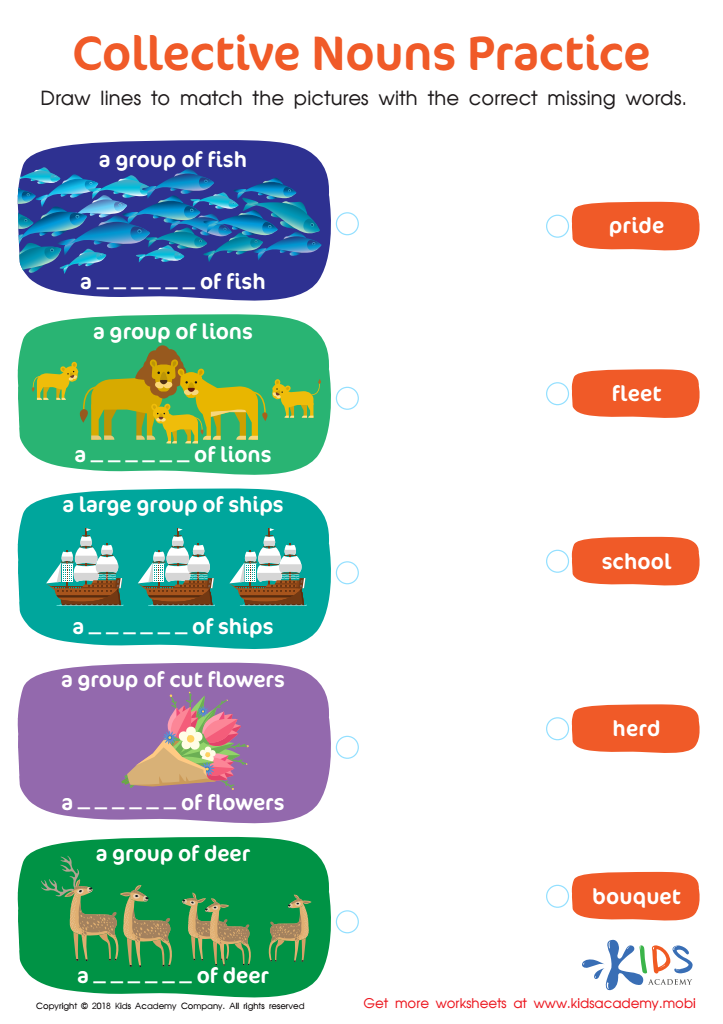
Collective Nouns Practice Worksheet
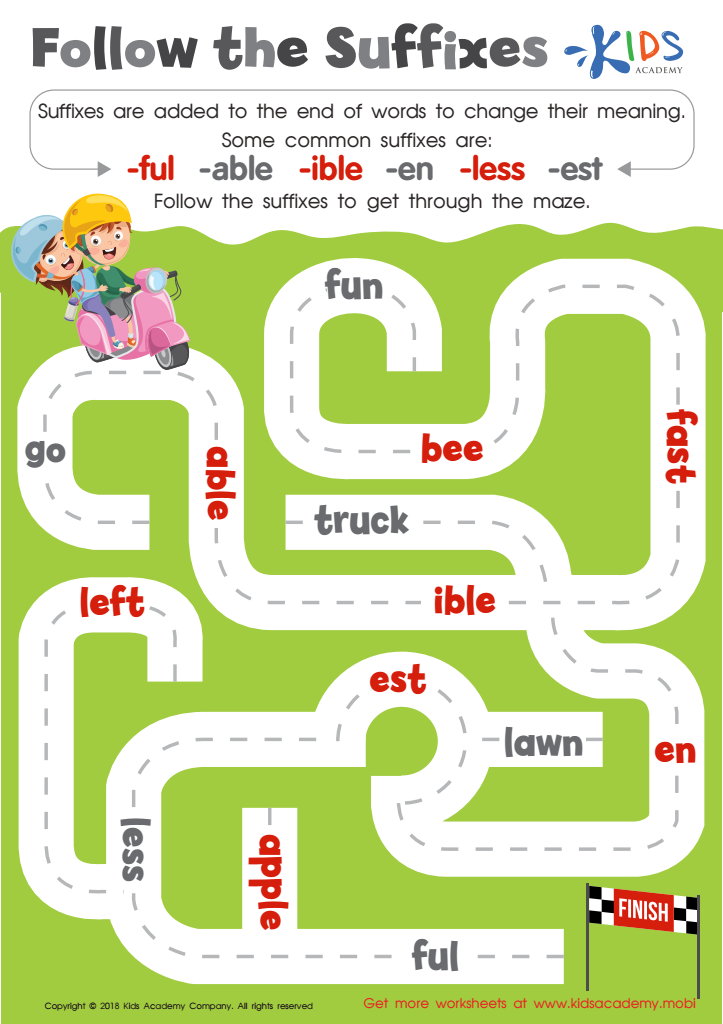
Reading: Follow the Suffixes Worksheet
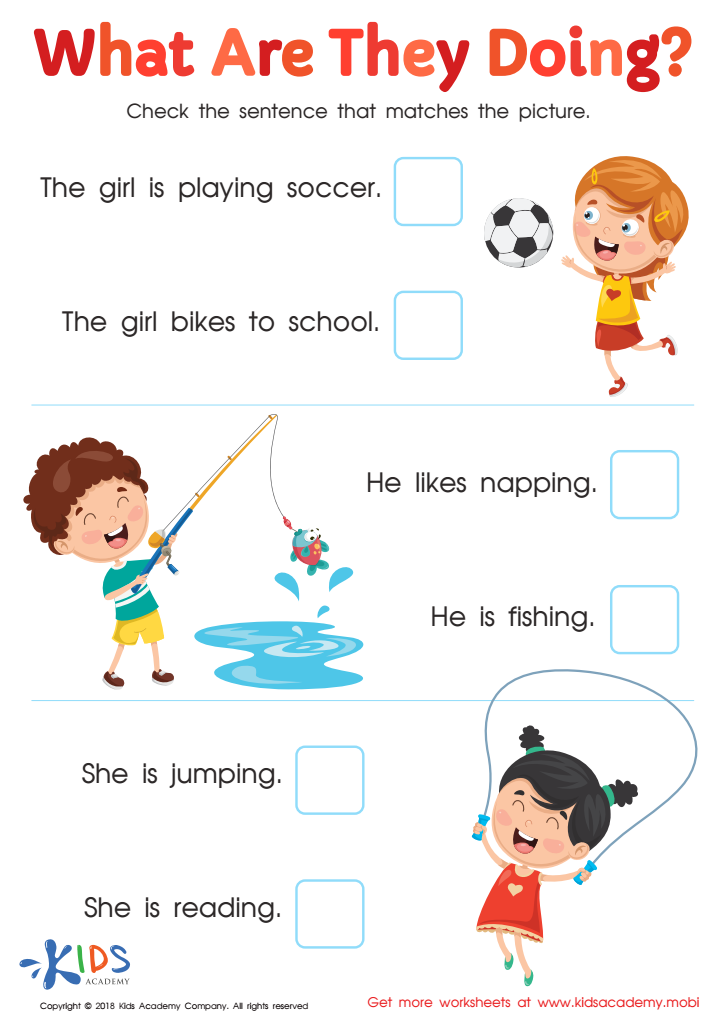
What Are They Doing? Worksheet
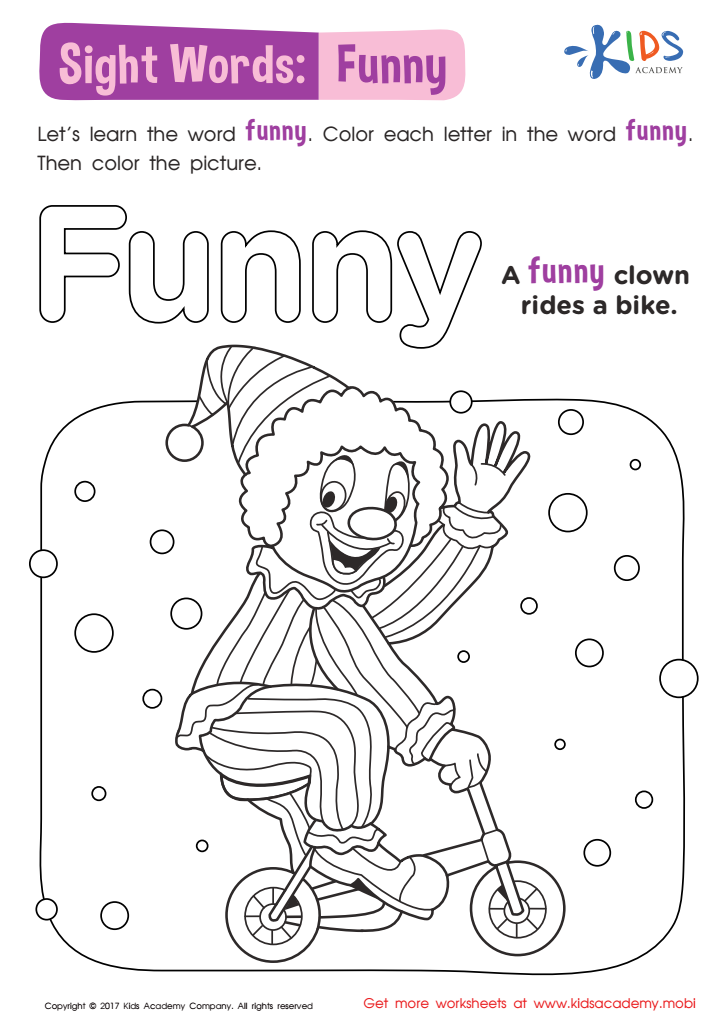
Funny Worksheet Sight Words Worksheet
 Assign to My Students
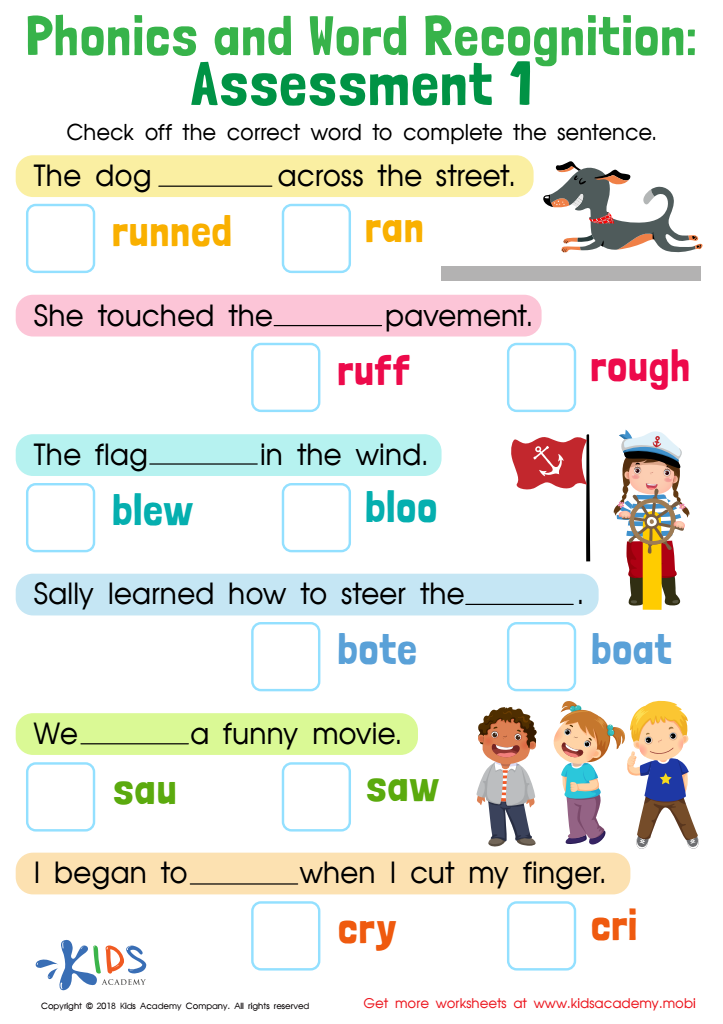
Phonics and Word Recognition: Assessment 1 Worksheet
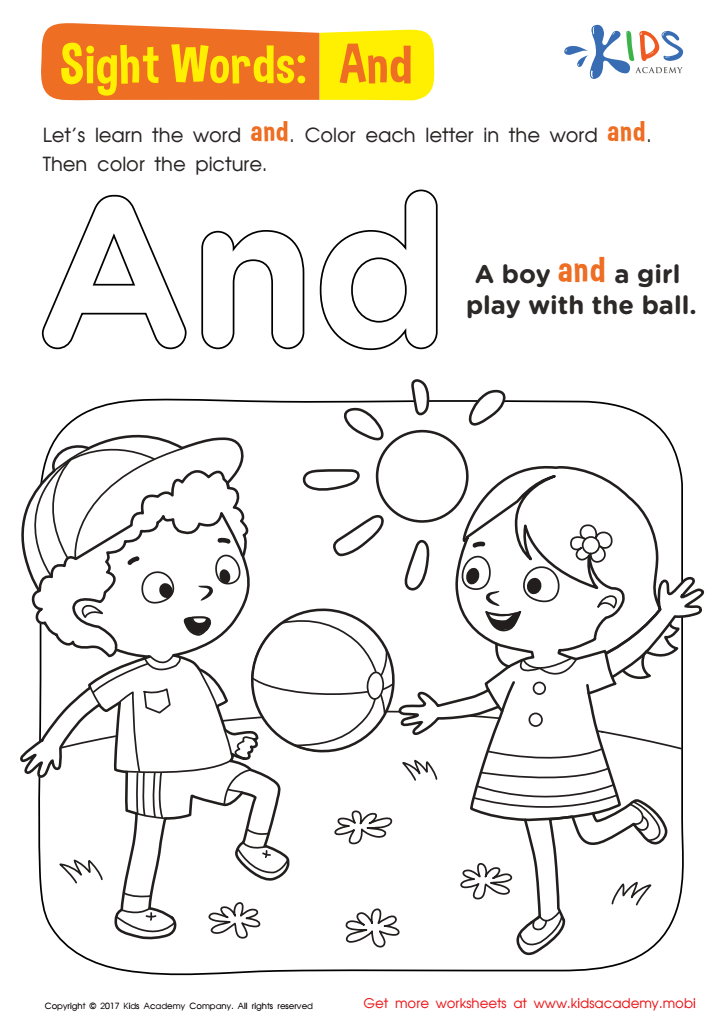
And Worksheet Sight Words Worksheet
Assign to My Students








Reading comprehension is essential for children aged 8-9 because it lays the foundation for their academic success and lifelong learning. At this age, children are transitioning from learning to read to reading to learn. This means they must understand and analyze text, which is crucial for success in subjects like math, science, and social studies.
Parents and teachers should care about reading comprehension because it influences critical thinking skills and emotional intelligence. When children can understand what they read, they develop opinions, make connections with their experiences, and enhance their imagination. Furthermore, strong reading comprehension skills build confidence, allowing children to express themselves better and engage in discussions.
Encouraging reading comprehension also fosters a love of reading, which can be beneficial throughout a child's life. Engaging in interactive discussions about stories or asking open-ended questions can enrich this experience further. Finally, understanding reading comprehension can help educators identify potential learning challenges early on, enabling timely interventions and support. Overall, nurturing reading comprehension in children ages 8-9 directly impacts their future learning, social skills, and emotional development, making it a crucial focus for both parents and teachers.