Color recognition Easy Plants Worksheets for 8-Year-Olds
3 filtered results
-
From - To
Discover engaging and educational Color Recognition Easy Plants Worksheets tailored for 8-year-olds! These printable worksheets from Kids Academy combine fun coloring activities with essential learning skills, fostering creativity and botanical knowledge. Perfect for early grade science lessons, each worksheet features different plant illustrations, encouraging young learners to recognize colors while exploring nature. These user-friendly resources provide a fantastic way to enhance student engagement, improve fine motor skills, and boost color identification. Ideal for both classroom and home use, watch your child’s interest in the natural world blossom with our expertly designed activities. Perfect blend of education and creativity!
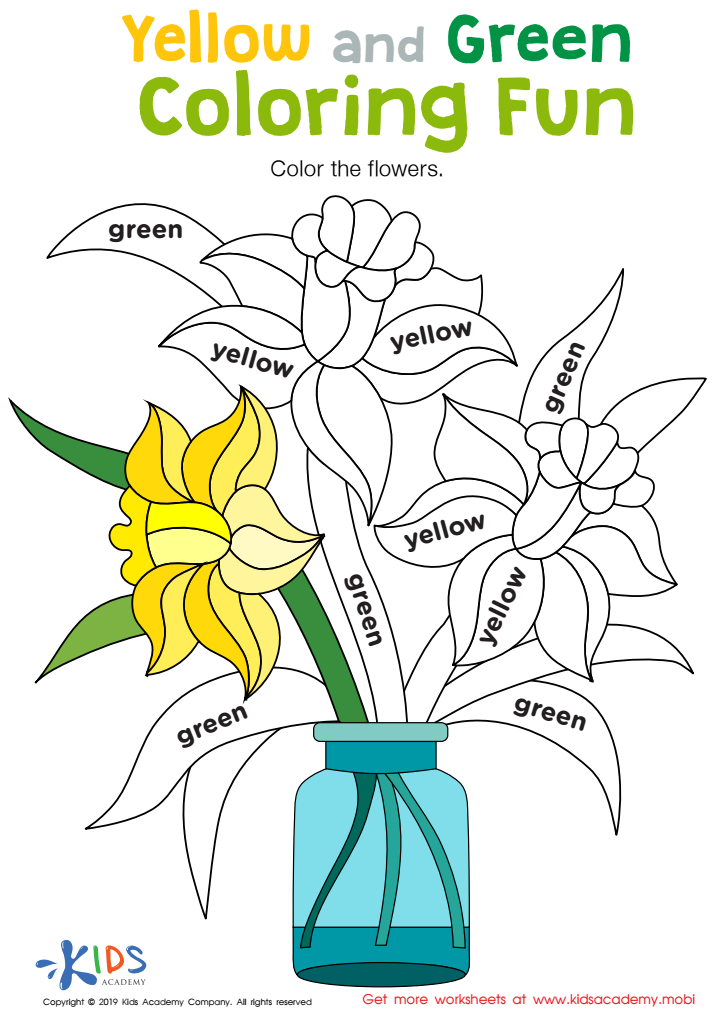
Yellow and Green Coloring Fun Worksheet
 Assign to My Students





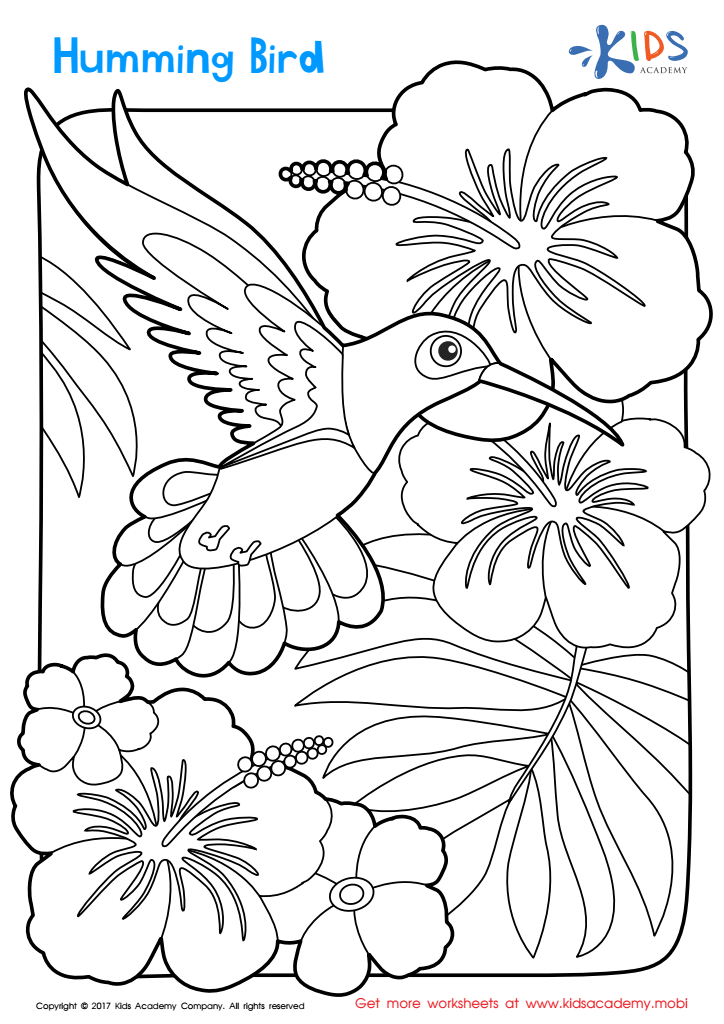
Humming Bird Worksheet
Assign to My Students
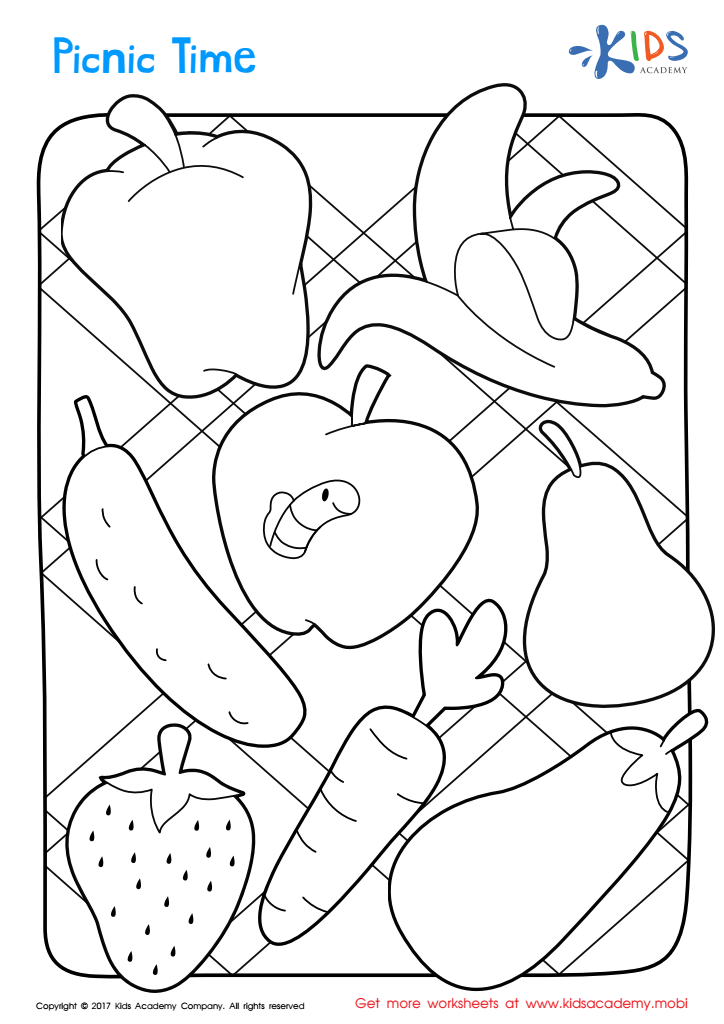
Picnic Time Coloring Page
Assign to My Students







Color recognition and knowledge about easy-to-identify plants are significant areas for an 8-year-old's development, intertwining cognitive, sensory, and environmental learning.
Firstly, color recognition plays a foundational role in a child’s visual development. It enhances memory, categorization, and organizational skills. By recognizing colors, children can follow instructions more accurately, which is crucial for academic activities such as reading maps, identifying organisms in nature, or understanding safety signs.
Integrating easy-to-recognize plants adds another layer of learning. Plants are living beings that children can observe in their day-to-day environment, promoting curiosity and engagement with the natural world. When children learn to identify plants, they acquire environmental awareness and a sense of responsibility towards living things.
Moreover, color identification in plants can help children to improve their descriptive language skills. Describing plants with specific color characteristics fosters vocabulary growth and expressive capabilities. It also nurtures scientific observation methods—critical thinking, comparison, and extrapolation—from a young age.
Lastly, fostering an interest in plants and nature through color recognition lays the groundwork for lifelong eco-conscious behavior. Children who are attuned to nature are more likely to grow into adults who value and actively protect the environment.
Thus, prioritizing color recognition and easy plant identification provides multidimensional benefits, blending sensory stimulation, cognitive development, and environmental education.