Color recognition Easy Worksheets for 8-Year-Olds - Page 2
28 filtered results
-
From - To
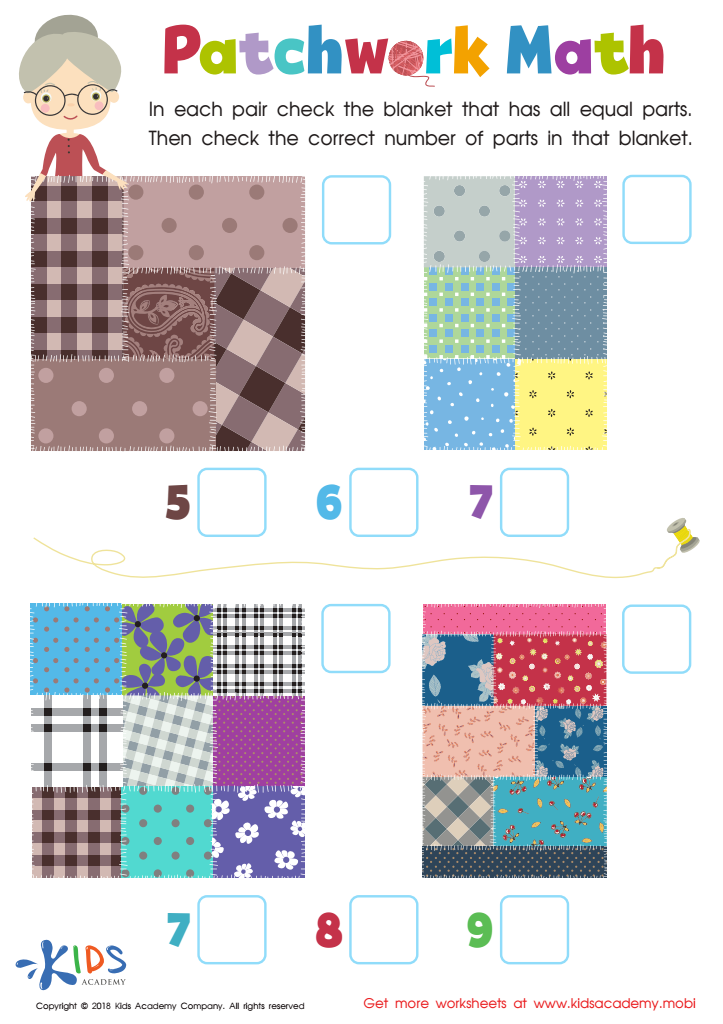
Patchwork Math Worksheet
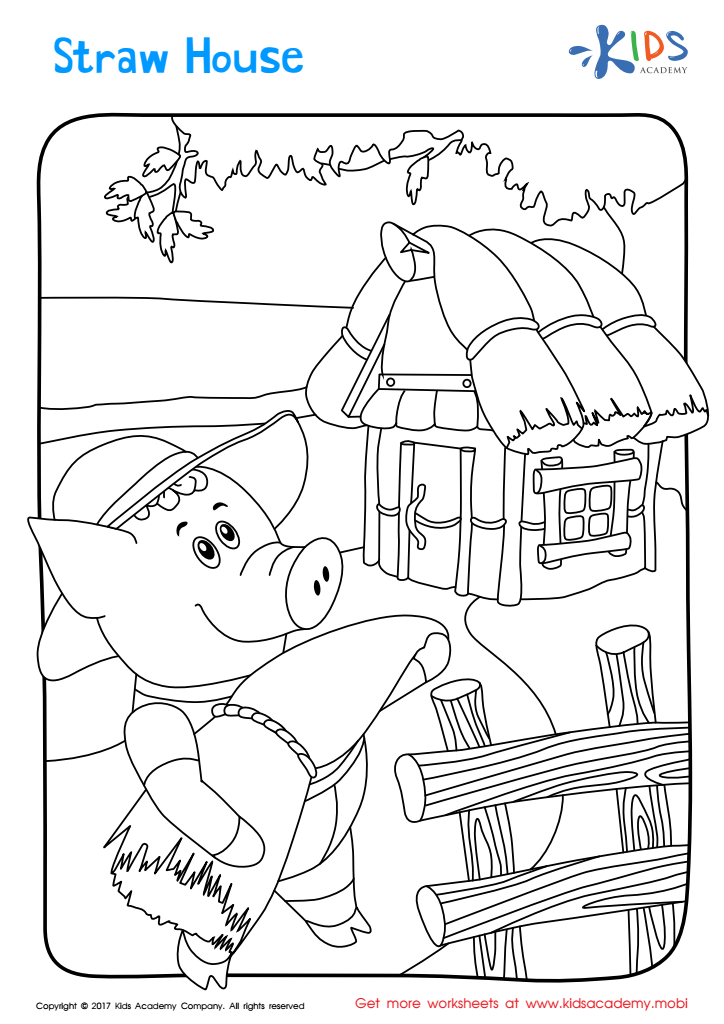
Straw House Printable Coloring Page
 Assign to My Students
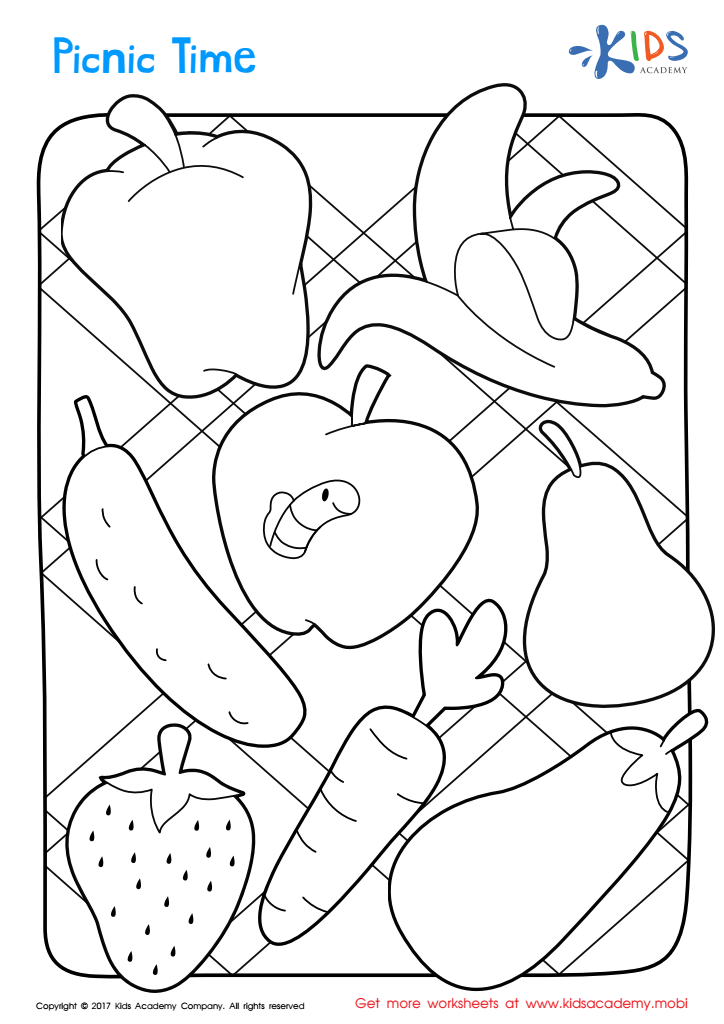
Picnic Time Coloring Page
Assign to My Students





Color recognition is an essential skill for 8-year-olds because it plays a vital role in their overall development and learning. Parents and teachers should care about this skill for several reasons. Firstly, color recognition helps in building foundational cognitive skills. When children learn to identify and name colors, it enhances their vocabulary and memory, contributing to their language development.
Secondly, understanding colors supports creativity and expression. Activities such as drawing, painting, and crafts rely on color recognition, enabling children to experiment with their imagination and communicate their feelings visually.
Additionally, color recognition is linked to important life skills. For instance, it aids in understanding concepts of sorting, classifying, and organizing based on different colors, which are fundamental skills in mathematics and critical thinking.
Moreover, colors can significantly impact emotions and moods. Teaching children the emotional associations of different colors can help them recognize and express their feelings better.
Lastly, color recognition lays the groundwork for later learning, including reading, where children often encounter color-coded materials or charts. So, fostering color recognition in young learners not only enriches their present experiences but also prepares them for a well-rounded educational journey ahead.








