Color recognition Easy Color Words Worksheets
5 filtered results
-
From - To
Enhance your child's color recognition skills with our "Easy Color Words Worksheets." Specifically designed for early learners, these engaging and interactive worksheets help kids grasp color concepts through fun activities. Perfect for ESL students, they promote vocabulary development in a playful context. Each worksheet encourages children to identify, match, and categorize colors, making learning enjoyable and effective. From coloring exercises to visual aids, our resource caters to diverse learning styles, ensuring foundational skills are mastered. Ideal for classroom settings or home practice, these worksheets lay the groundwork for advanced literacy and comprehension. Explore the vibrant world of colors today!
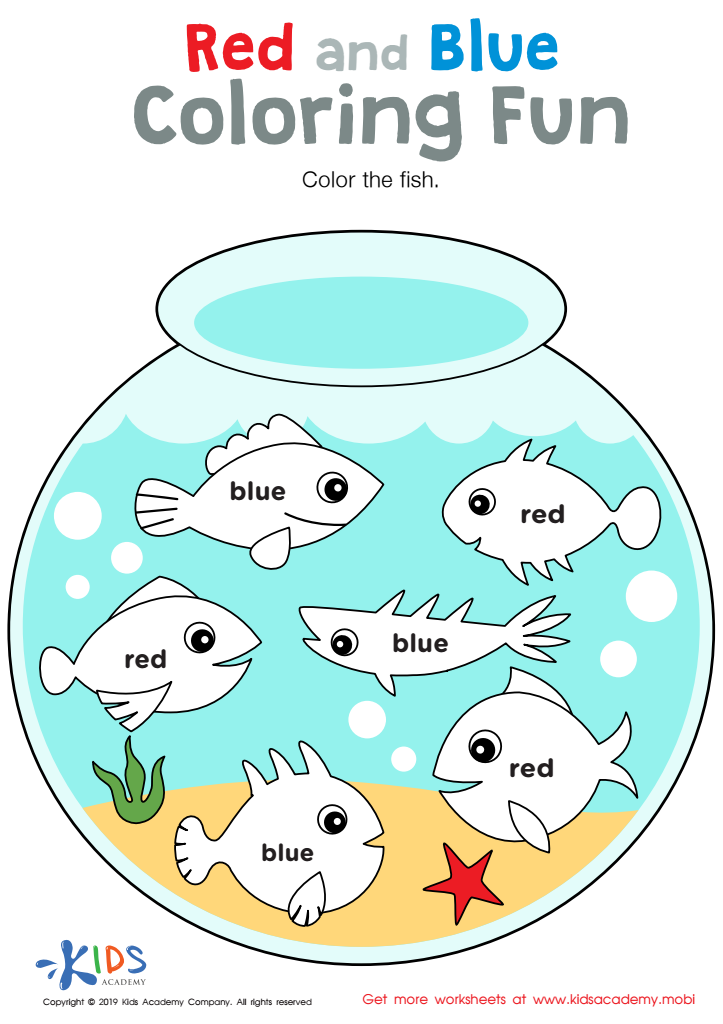
Red and Blue Coloring Fun Worksheet
 Assign to My Students
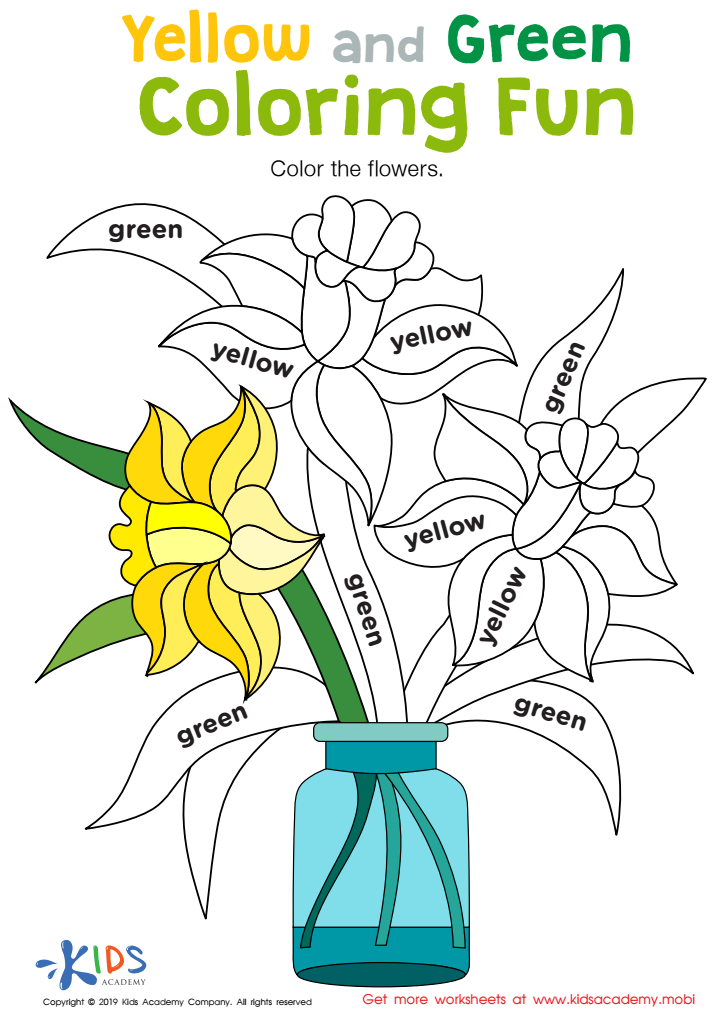
Yellow and Green Coloring Fun Worksheet
Assign to My Students
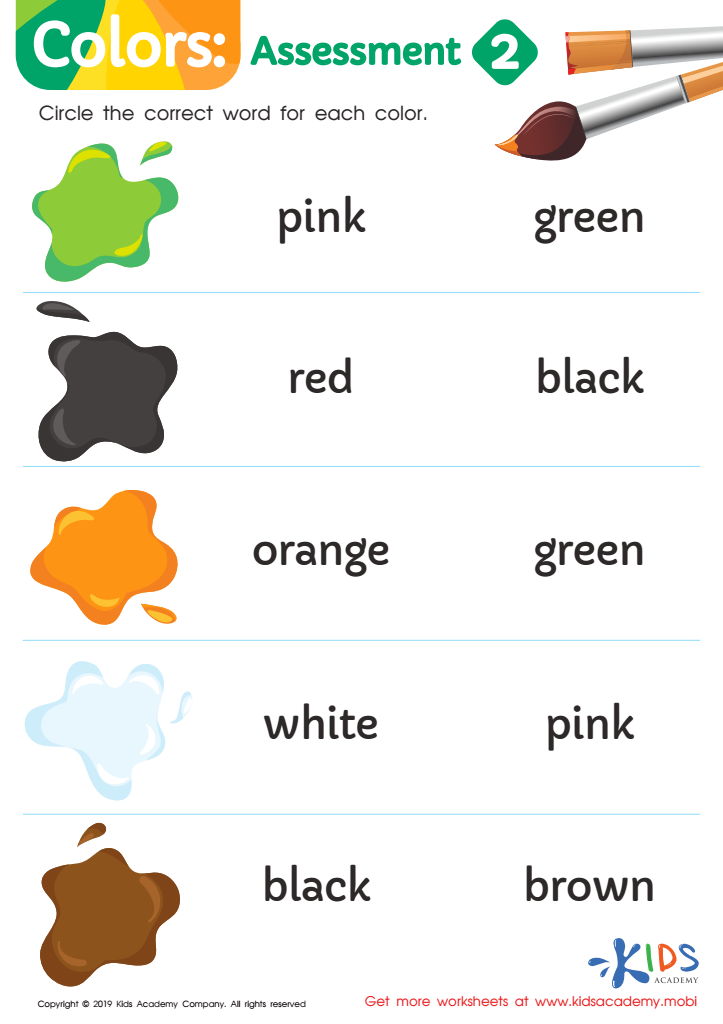
Colors: Assessment 2 Worksheet
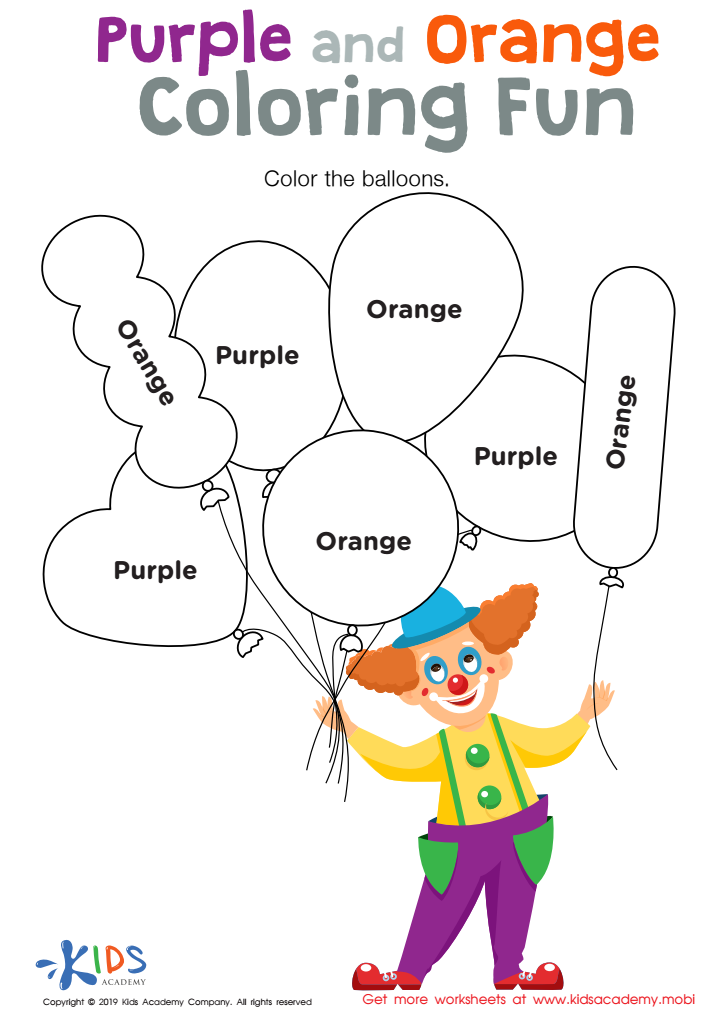
Purple and Orange Coloring Fun Worksheet
Assign to My Students
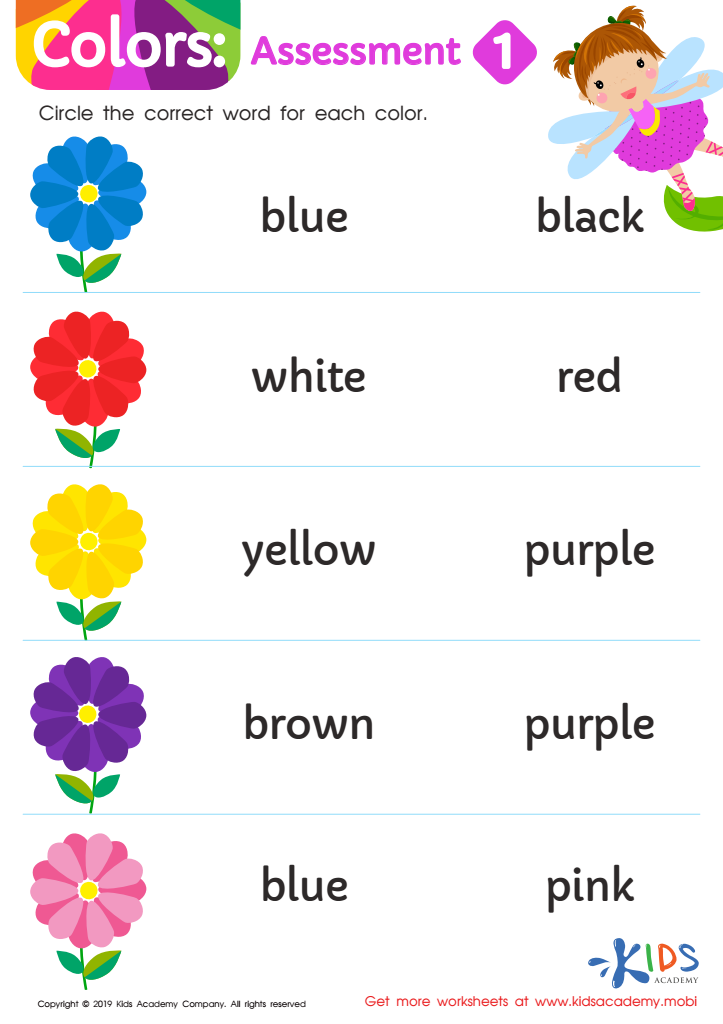
Colors: Assessment 1 Worksheet



Color recognition is a fundamental skill that plays a crucial role in early childhood development. Parents and teachers should care about it because it supports cognitive growth, language development, and creativity. When children learn to recognize colors, they enhance their observation skills and mental categorization abilities, crucial for future learning.
Easy color words provide an essential vocabulary building block. Learning names of colors helps children express their surroundings and articulate their thoughts, fostering communication skills. Recognizing colors also aids in the development of critical thinking as children begin to classify and group items based on their color.
Furthermore, color recognition is linked to emotional and social development. Colors can influence emotions and moods, allowing children to articulate feelings and preferences, enhancing their social interactions. Activities involving colors can also promote teamwork and cooperation among children as they engage in group tasks like art projects.
Moreover, understanding colors prepares children for more complex concepts in math and science, such as sorting, patterns, and structure. In a visually rich world, fostering color recognition helps set a solid foundation for academic success and promotes a lifelong appreciation for nature and the arts. Thus, integrating easy color words into teaching and home activities is beneficial for children’s holistic development.








