Shape identification Easy Grade 1 Worksheets
4 filtered results
-
From - To
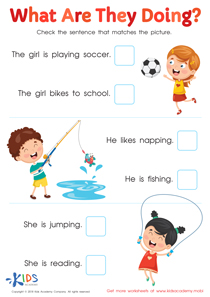
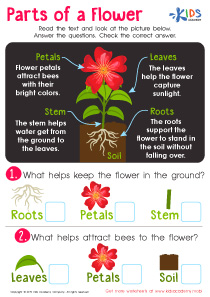
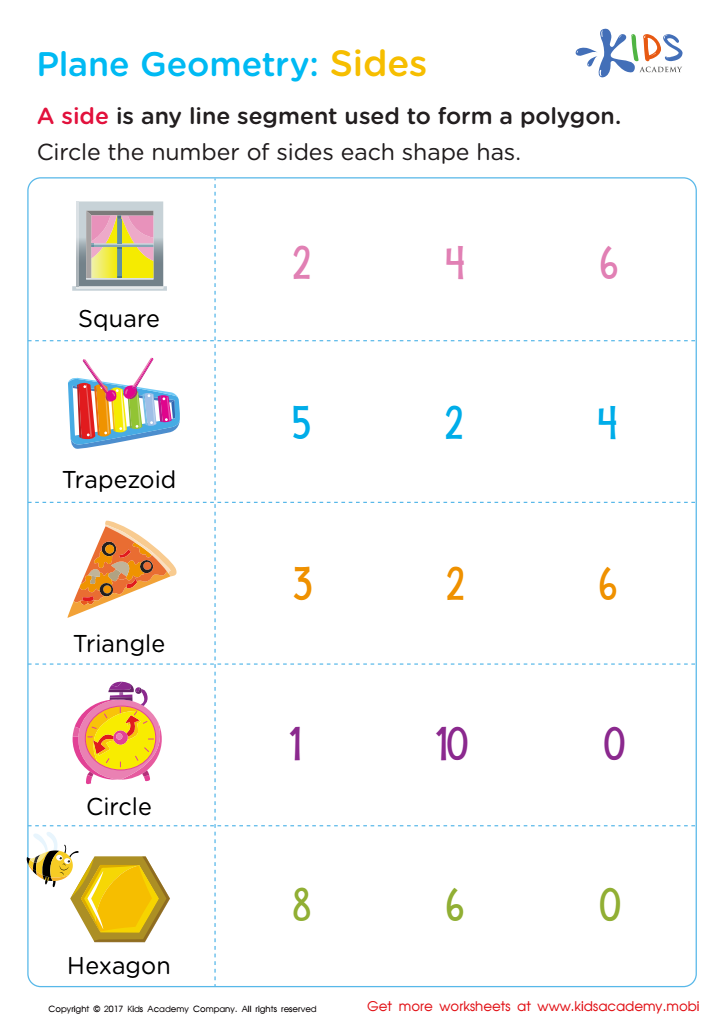
Discover engaging and educational "Shape Identification Easy Grade 1 Worksheets" designed to help young learners master essential geometry skills. These fun and interactive printables encourage students to recognize, name, and differentiate various shapes through colorful illustrations and stimulating activities. Ideal for first-grade students, the worksheets promote critical thinking and visual perception while reinforcing fundamental concepts. Teachers and parents will love the structured format, making it easy to integrate into lesson plans or home learning routines. Spark your child’s curiosity and boost their confidence in math with these effective and enjoyable shape identification resources! Perfect for boosting classroom and at-home learning!
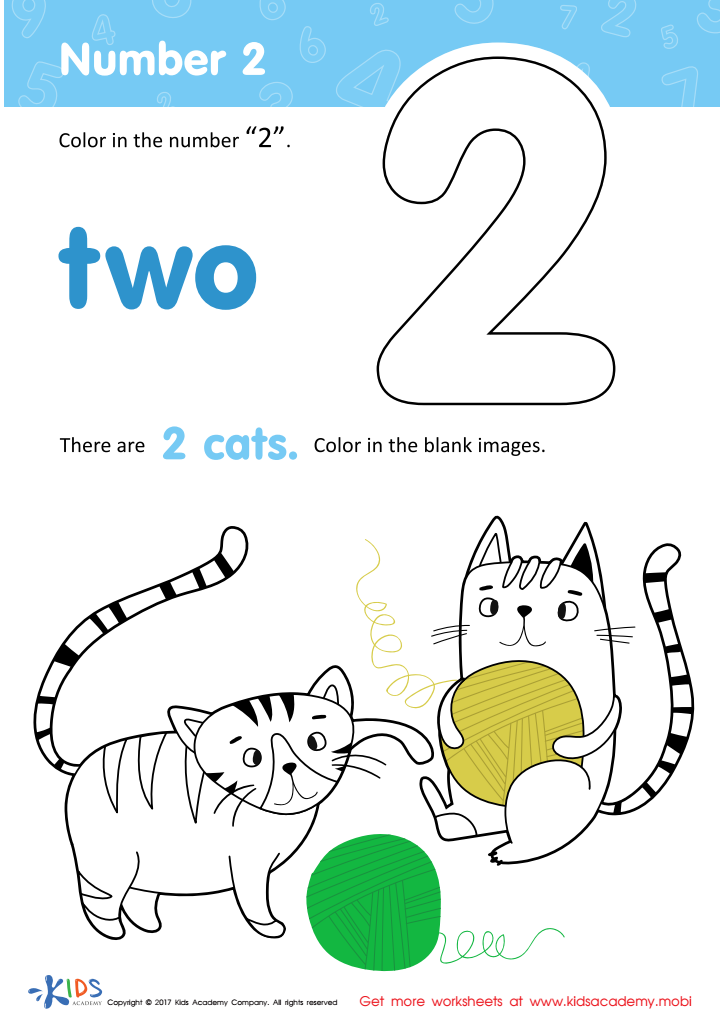
Number 2 Printable
 Assign to My Students
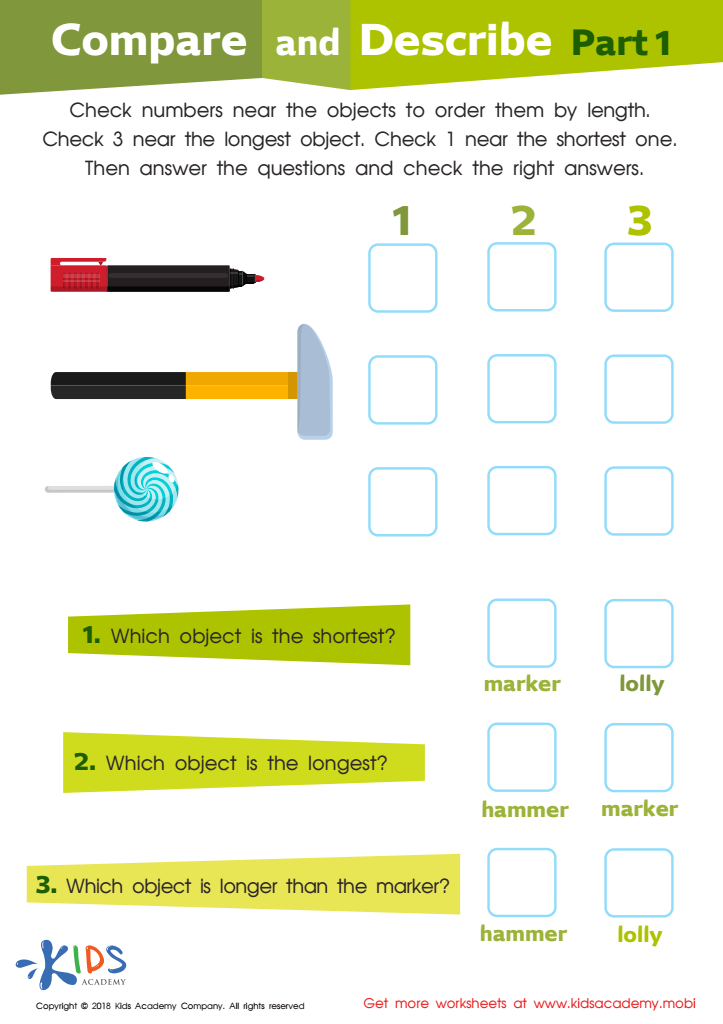
Compare and Describe: Part 1 Worksheet
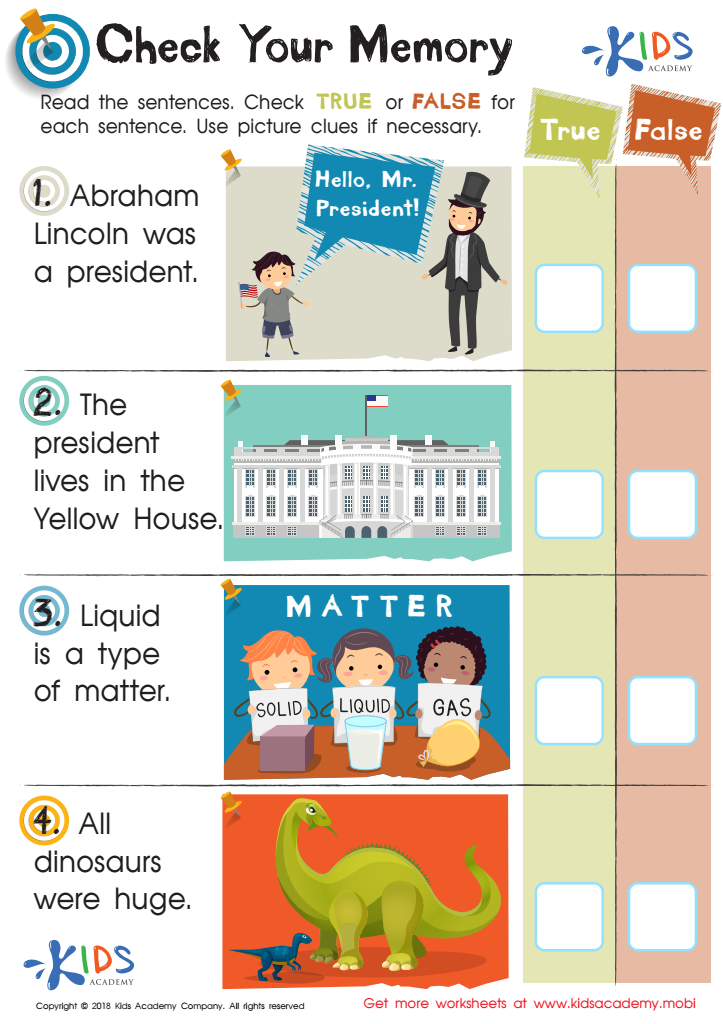
Check Memory Worksheet







Shape identification is a foundational skill in early childhood education, particularly in Grade 1. Parents and teachers should prioritize this learning for several reasons. Firstly, recognizing and categorizing shapes helps develop critical thinking and problem-solving abilities. When children identify shapes, they begin to understand the properties that define them, paving the way for logical reasoning.
Secondly, shape recognition is essential in building spatial awareness. Understanding how different shapes fit together and relate to one another helps children navigate their environments more effectively, both in the classroom and beyond. This skill also supports future subjects like geometry, where shape understanding becomes crucial.
Furthermore, shape identification encourages vocabulary development. As children learn the names and attributes of various shapes, they expand their language capabilities, which can enhance their overall communication skills.
Finally, integrating shape identification into play-based learning can foster creativity and engagement. Fun activities involving shapes—like building with blocks or creating art—keep students motivated, which is key to effective learning. In conclusion, fostering shape identification is critical for developing cognitive skills, improving spatial awareness, enriching vocabulary, and making learning enjoyable. Parents and teachers play a vital role in nurturing this important aspect of early education.