Vocabulary development Easy Grade 1 Worksheets
4 filtered results
-
From - To
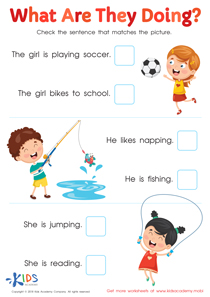
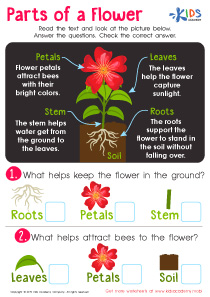
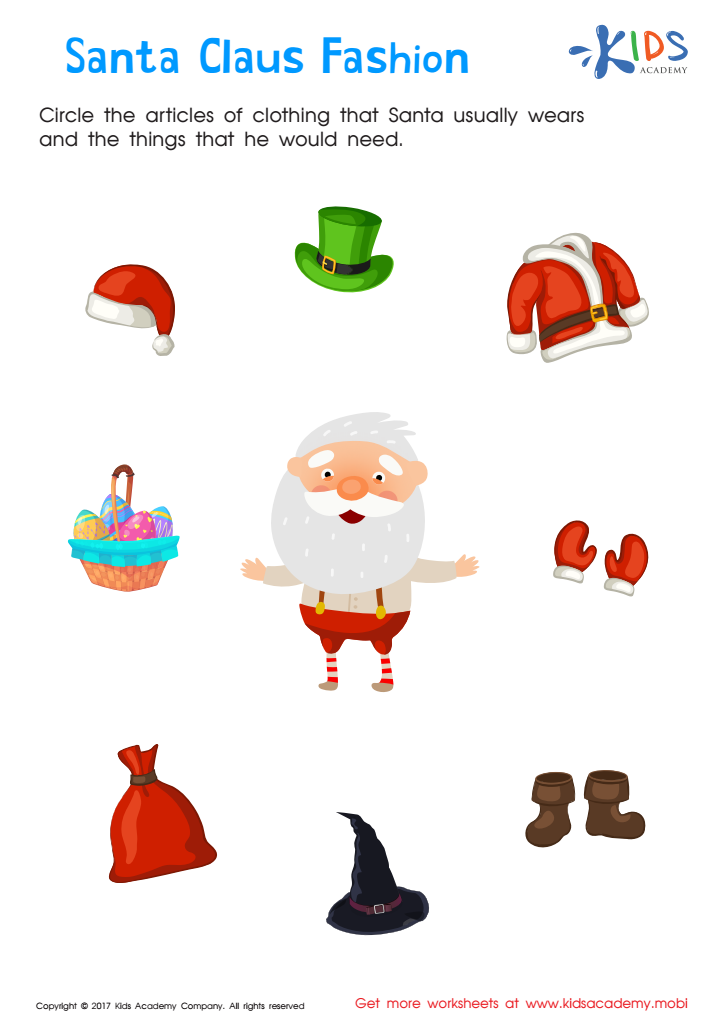
Nurture early literacy with our “Vocabulary Development Easy Grade 1 Worksheets” designed specifically for first graders. These engaging activities help young learners build a strong vocabulary foundation through fun and interactive exercises. Ideal for classroom or home use, our worksheets cover a variety of relevant topics including synonyms, antonyms, and sight words, ensuring your child enhances their language skills progressively. Colorful illustrations and age-appropriate content keep students motivated and interested. By incorporating these worksheets into your child’s routine, you're setting them on a path to academic success and confident communication. Discover the joy of learning with Kids Academy's expertly crafted resources!
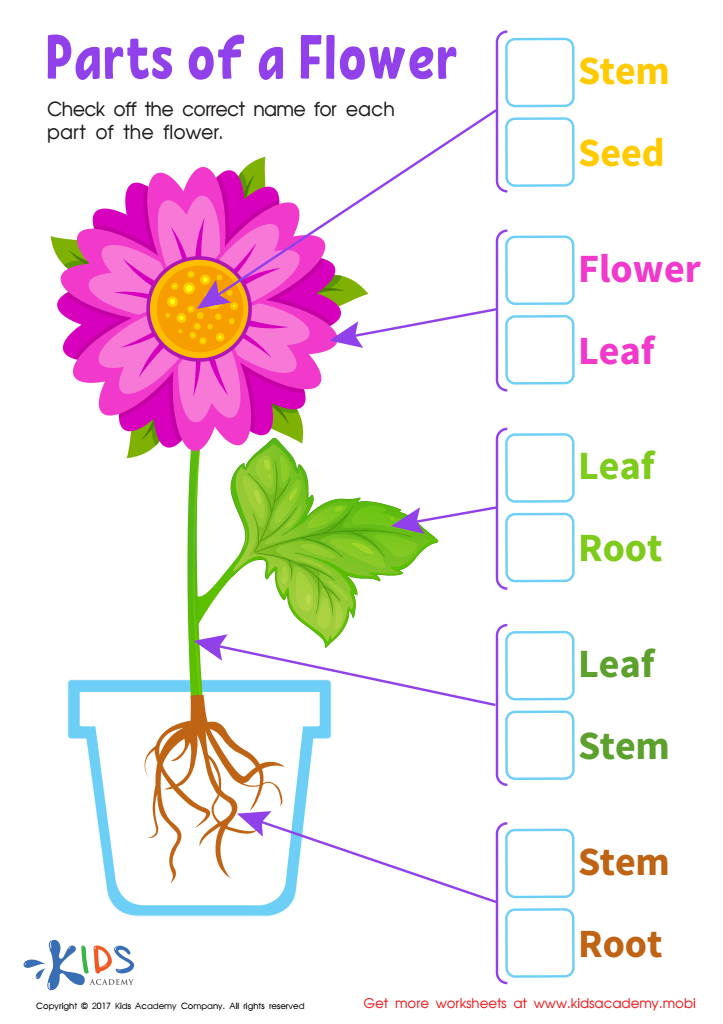
Parts Flower Printable
 Assign to My Students
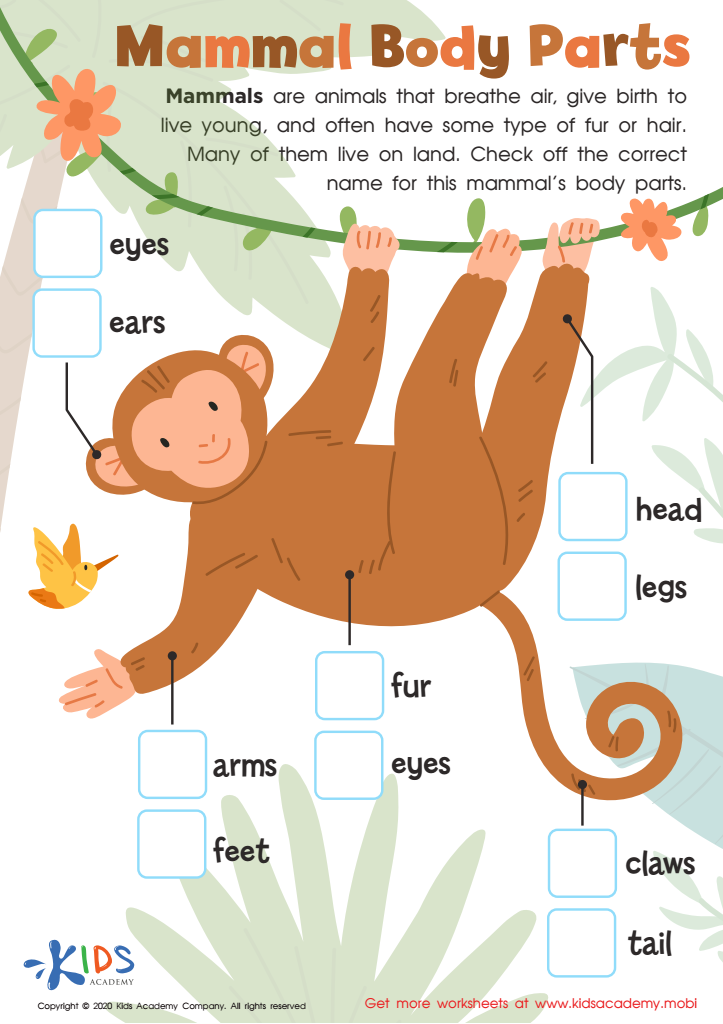
Mammal Body Parts Worksheet







Vocabulary development in Grade 1 is crucial for several reasons. First, it serves as the foundation for effective communication. A strong vocabulary helps young children express their thoughts and understand others. This ease in communication fosters confidence and encourages them to participate in classroom activities.
Second, a rich vocabulary directly influences reading comprehension. When children encounter new words in books, having a broad vocabulary helps them decipher the meaning of sentences and passages without becoming frustrated. This makes reading a more enjoyable and successful experience.
In addition, vocabulary development supports academic success across subjects. Whether in math, science, or social studies, understanding key terminology allows children to grasp concepts more easily and perform better in school.
Moreover, early vocabulary skills are linked to future literacy. Research has shown that children with a well-developed vocabulary in early grades are more likely to become proficient readers and writers later on.
Parents and teachers play a pivotal role by exposing children to diverse words through conversations, reading, and engaging activities. By taking an active interest in vocabulary development, they can significantly enhance a child's learning potential and lifelong love for language and reading.
Thus, investing time in building vocabulary at a young age sets the stage for academic success and effective communication skills.