Attention to Detail Easy Worksheets
5 filtered results
-
From - To
Welcome to our "Attention to Detail Easy Worksheets" page, designed to foster essential skills in young learners! These engaging worksheets are perfect for children to practice observing details and enhance their focus. With a variety of fun activities, including finding differences, completing patterns, and identifying missing elements, your child will develop critical thinking and attention skills in a playful manner. Our user-friendly format makes it easy for parents and teachers to integrate these worksheets into their daily learning routines. Explore the collection today and watch your child's confidence soar as they master the art of paying attention to detail!
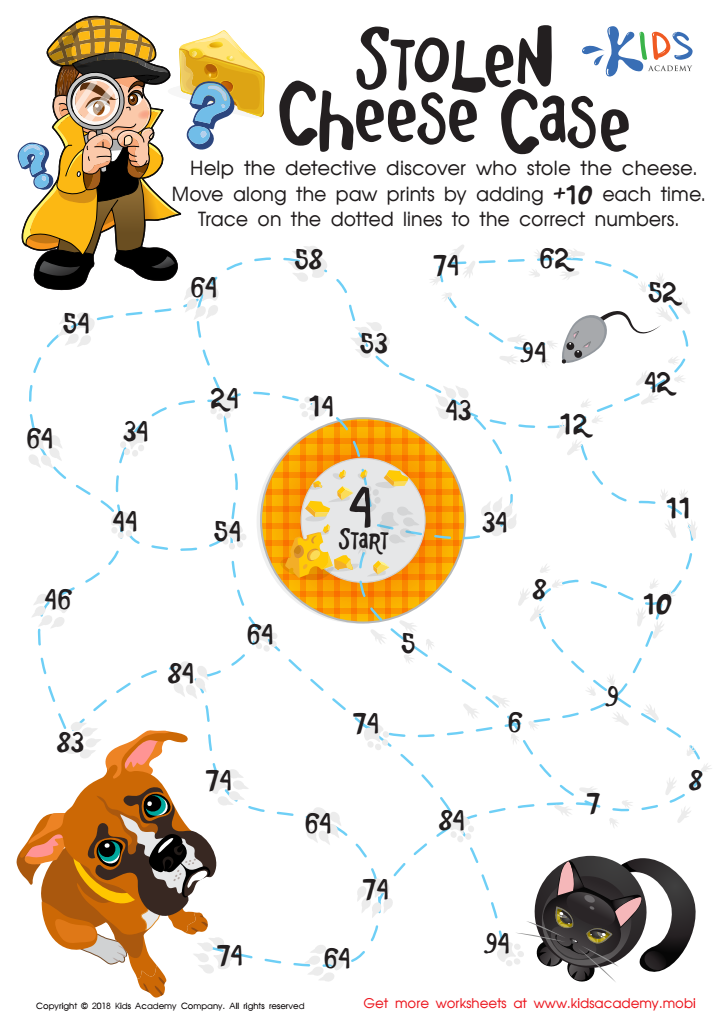
Stolen Cheese Case Maze Worksheet
 Assign to My Students
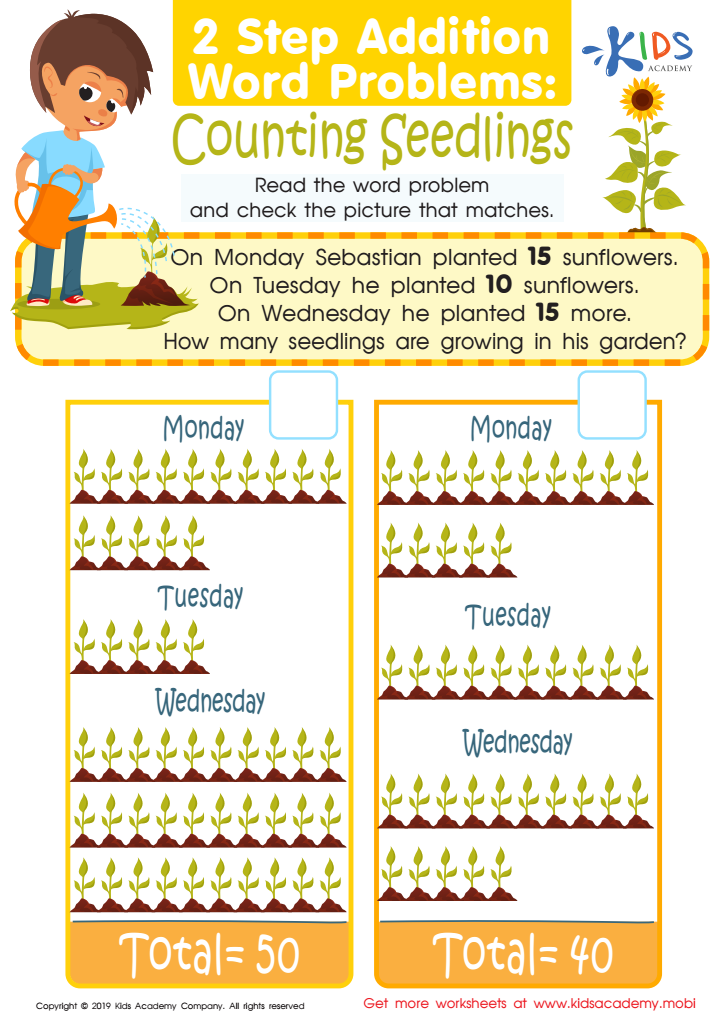
Counting Seedlings Worksheet
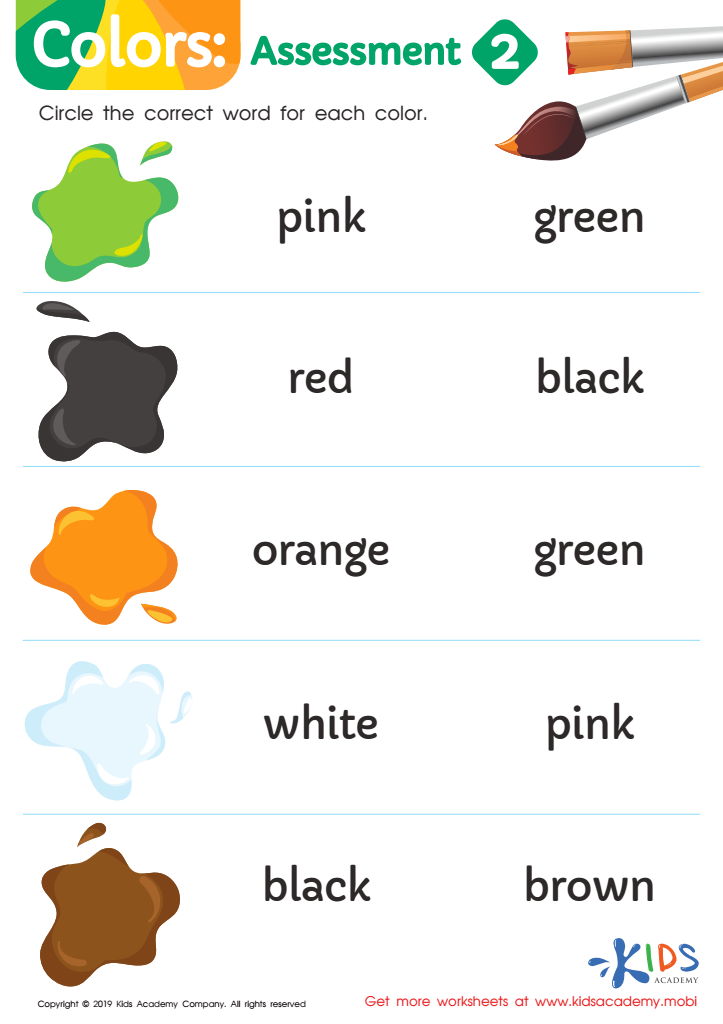
Colors: Assessment 2 Worksheet

Cities Worksheet
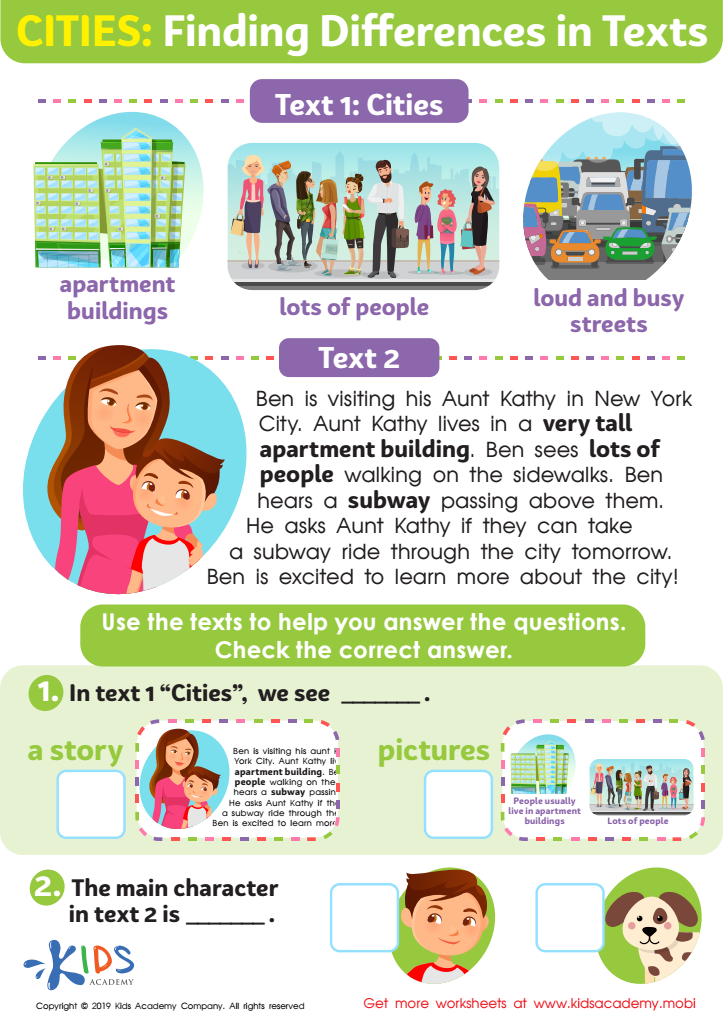
Cities: Finding Differences Worksheet



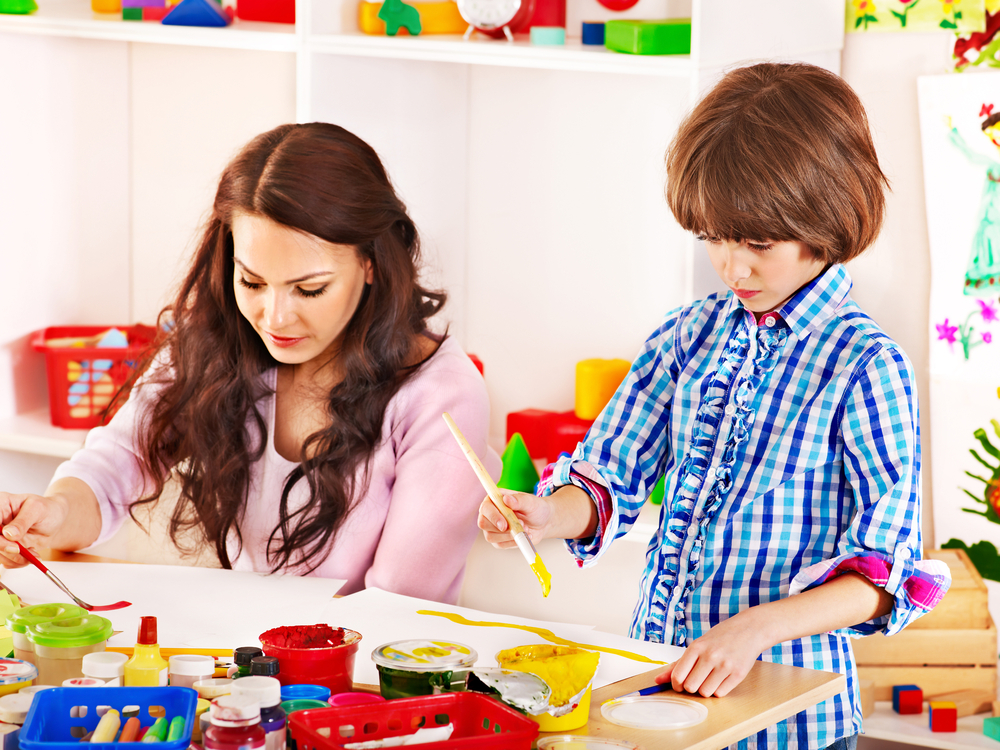

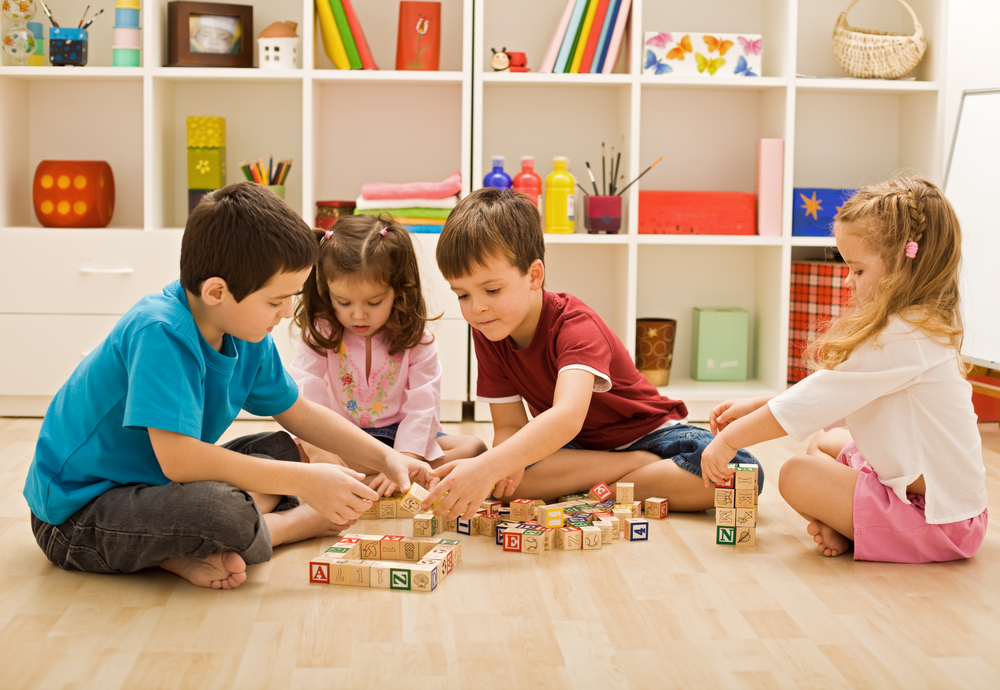


Attention to detail is crucial in the early education of children for several reasons. First, it fosters a sense of responsibility and pride in their work. When children learn to pay attention to the finer points in a task, they develop a keen interest in quality and accuracy, which serves them well in later academic pursuits and life.
Moreover, attention to detail enhances problem-solving skills. When students focus on specific components of a problem or project, they can better identify solutions, leading to deeper understanding and retention of concepts. This skill is particularly beneficial in subjects like math and science, where precision is essential.
Teachers and parents should also be aware that cultivating this skill early in life can improve a child's confidence. When they see their efforts translate into high-quality work, they feel more capable and willing to tackle challenges.
Furthermore, in our increasingly detail-oriented world, nurturing attention to detail prepares children for future academic and career success. By emphasizing this skill, adults help their children develop not only academically but also socially and emotionally, creating a strong foundation for their growth and development. Educators and parents play a vital role in guiding this essential aspect of learning.








