Basic Math Skills Easy Worksheets - Page 2
31 filtered results
-
From - To
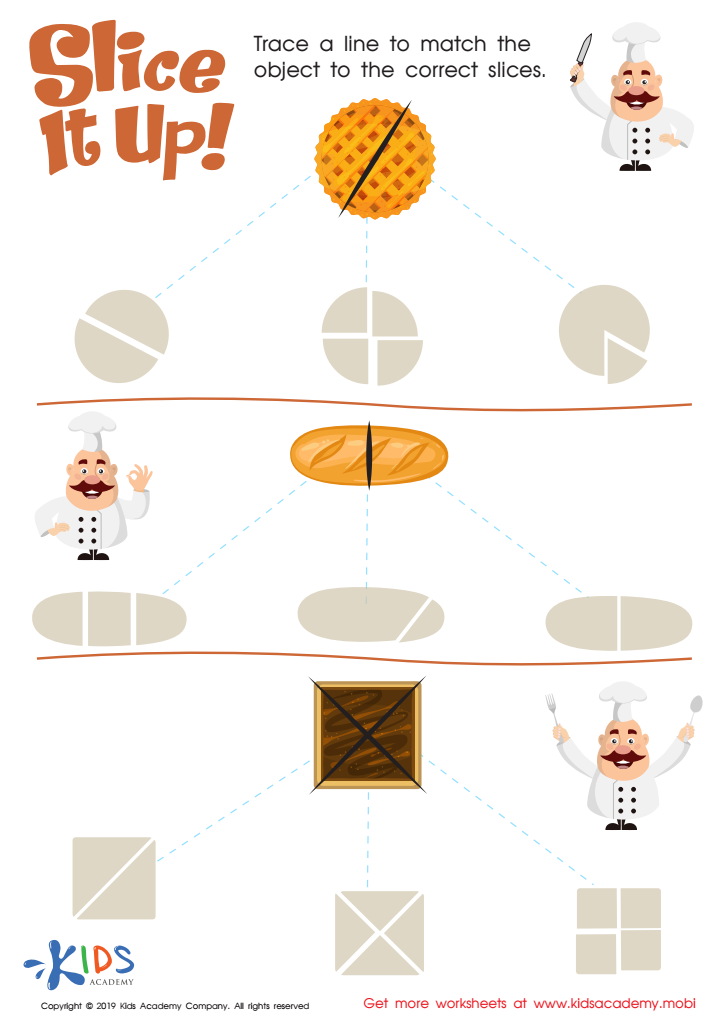
Slice It Up Worksheet
 Assign to My Students
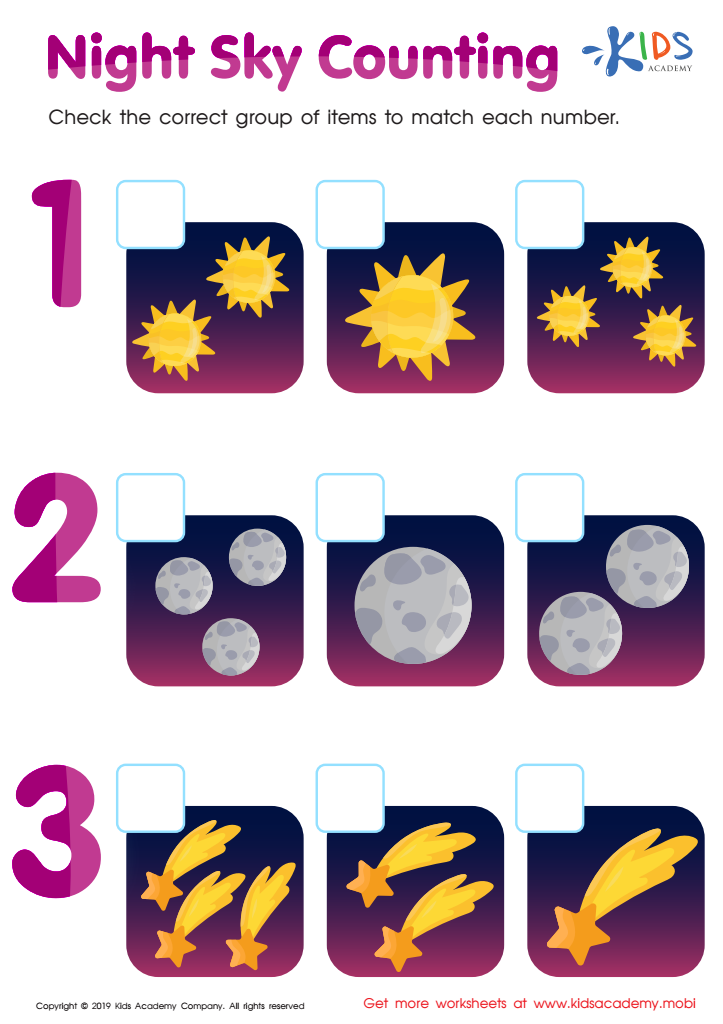
Night Sky Counting Worksheet
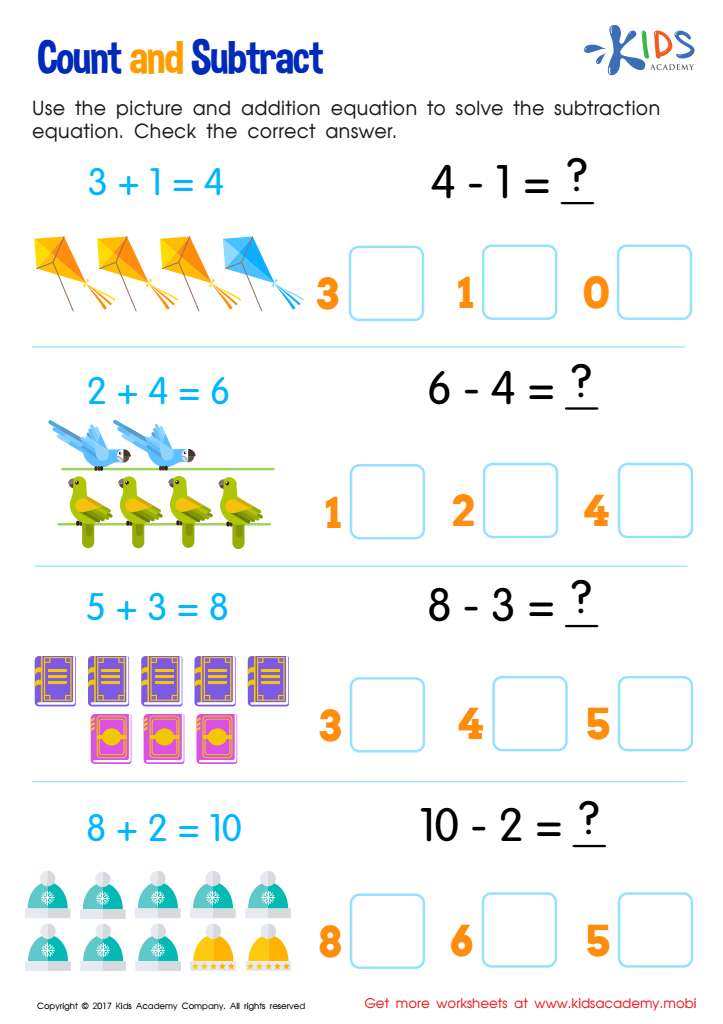
Count and Subtract Worksheet
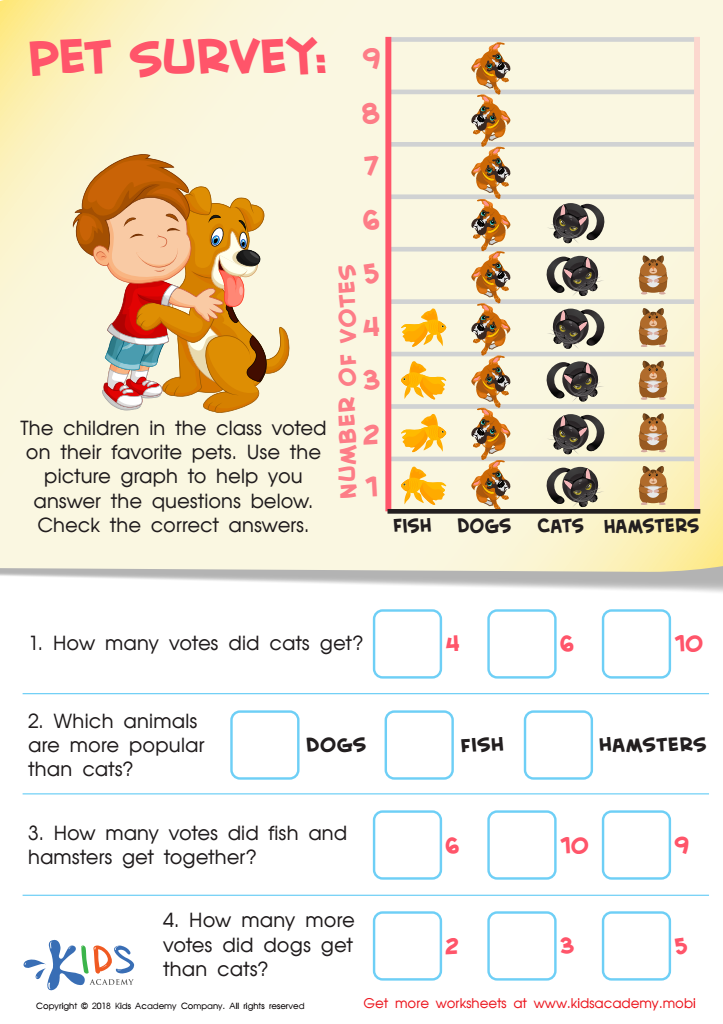
Pet Survey Worksheet
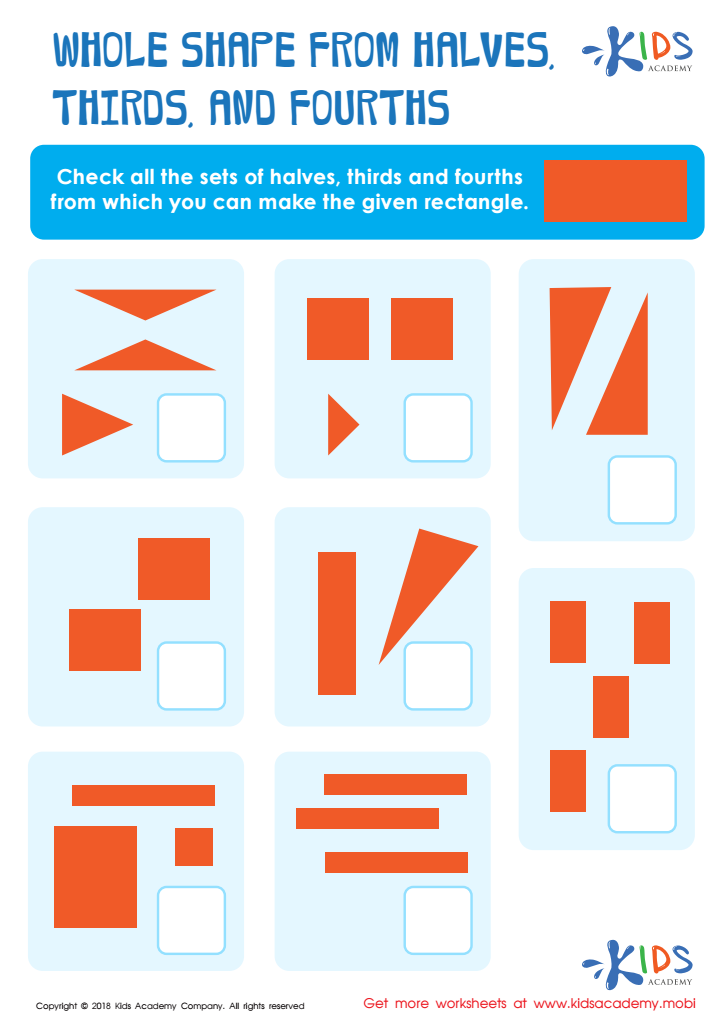
Whole Shape from Halves, Thirds and Fourths Worksheet
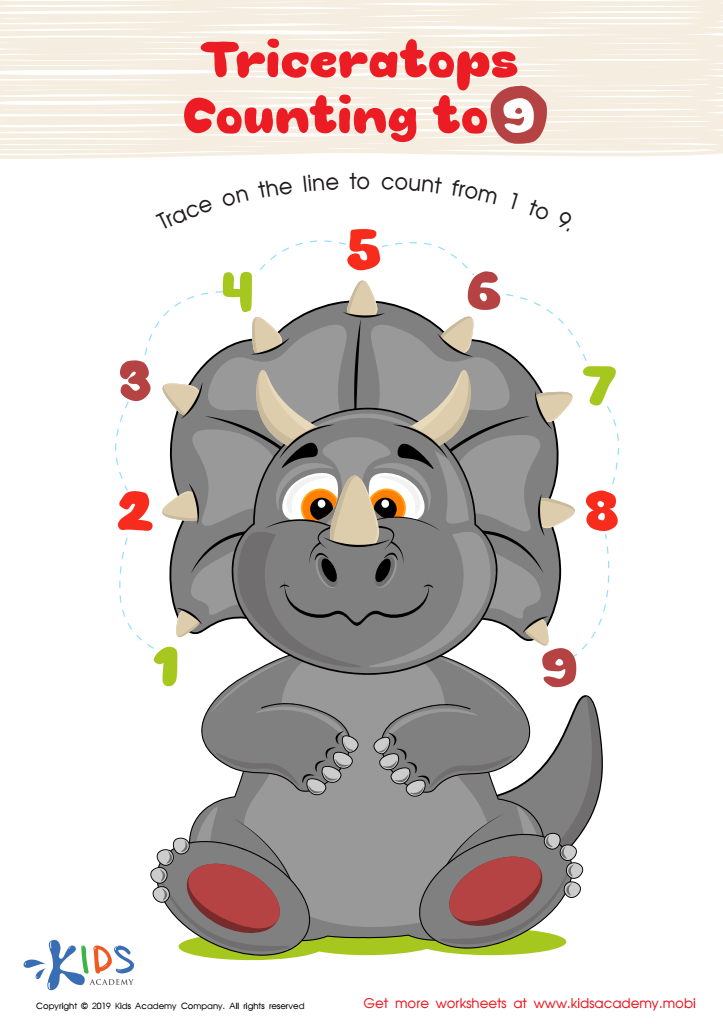
Triceratops Counting to 9 Worksheet
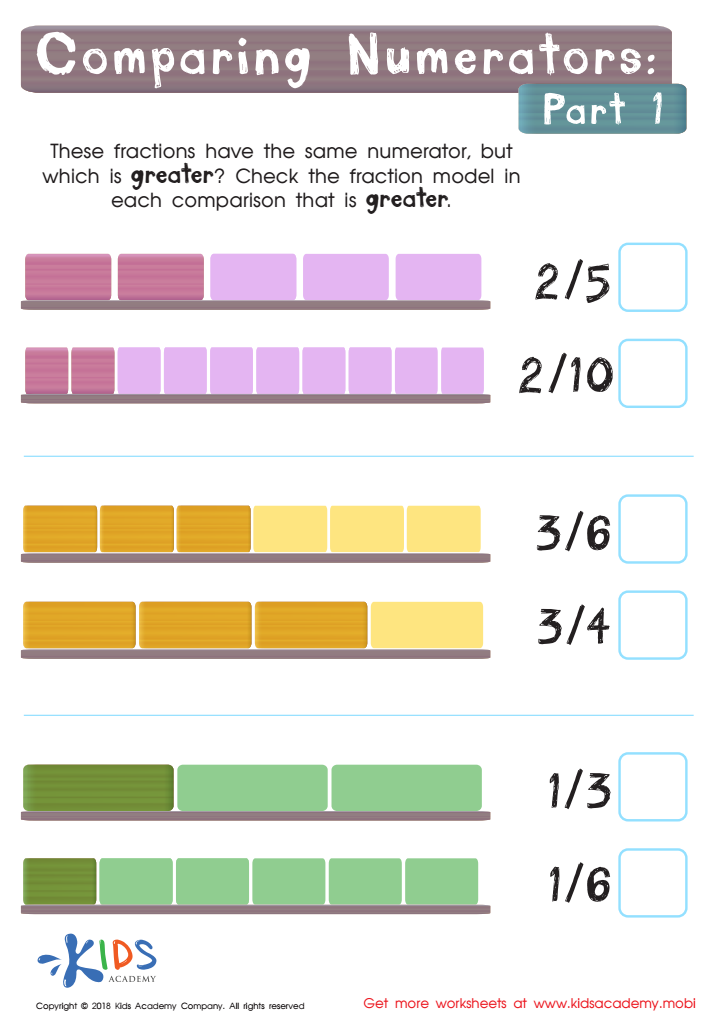
Comparing Numerators Part 1 Worksheet








Parents and teachers should prioritize basic math skills for several compelling reasons. First, foundational math abilities, such as addition, subtraction, multiplication, and division, are critical for everyday life. These skills help children tackle daily tasks like budgeting, shopping, and cooking, laying the groundwork for financial literacy in their future.
Beyond practical applications, basic math skills support cognitive development. Engaging in mathematical exercises improves logical reasoning, problem-solving abilities, and critical thinking—all of which are essential for academic success across various subjects. By ensuring children understand fundamental concepts, educators and parents foster a positive attitude toward learning, reducing math anxiety and increasing overall confidence.
Moreover, mastering basic math is crucial for higher-level mathematics. Without a solid grasp of these skills, students may struggle as concepts become more complex, leading to frustration and disengagement from math altogether.
Finally, strong math skills are vital in today's technology-driven world. Many careers rely on quantitative analysis, making math proficiency an increasingly important criterion in the job market. By investing in early math education, parents and teachers equip children with essential tools for lifelong learning and success. Therefore, prioritizing basic math skills is not just about numbers—it's about nurturing well-rounded individuals prepared for future challenges.








