Improving vocabulary Easy Worksheets
3 filtered results
-
From - To
Enhance your child's vocabulary skills with our selection of "Improving Vocabulary Easy Worksheets"! Designed for early learners, these engaging worksheets make learning new words fun and accessible. Each worksheet features age-appropriate activities that promote word recognition, contextual understanding, and usage in everyday language. From matching exercises to fill-in-the-blanks, kids will develop their language skills while having a great time. Ideal for classrooms or at-home practice, our resources cater to various learning styles and abilities. Access these fantastic worksheets now to give your child the gift of word power and boost their confidence in communication!
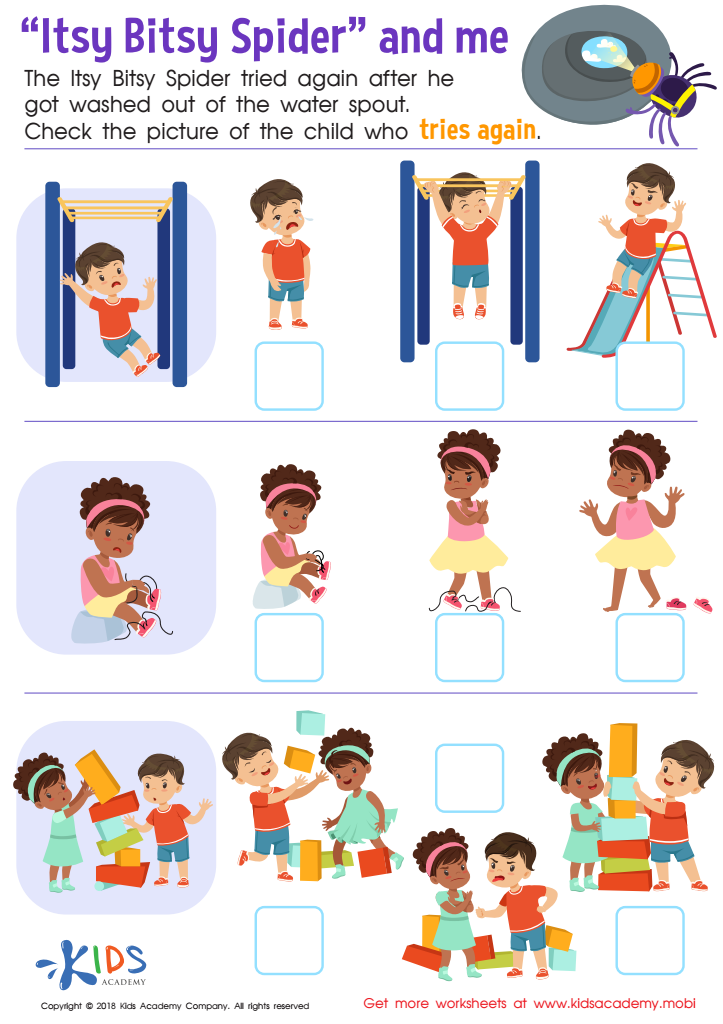
Itsy Bitsy Spider and Me Worksheet
 Assign to My Students
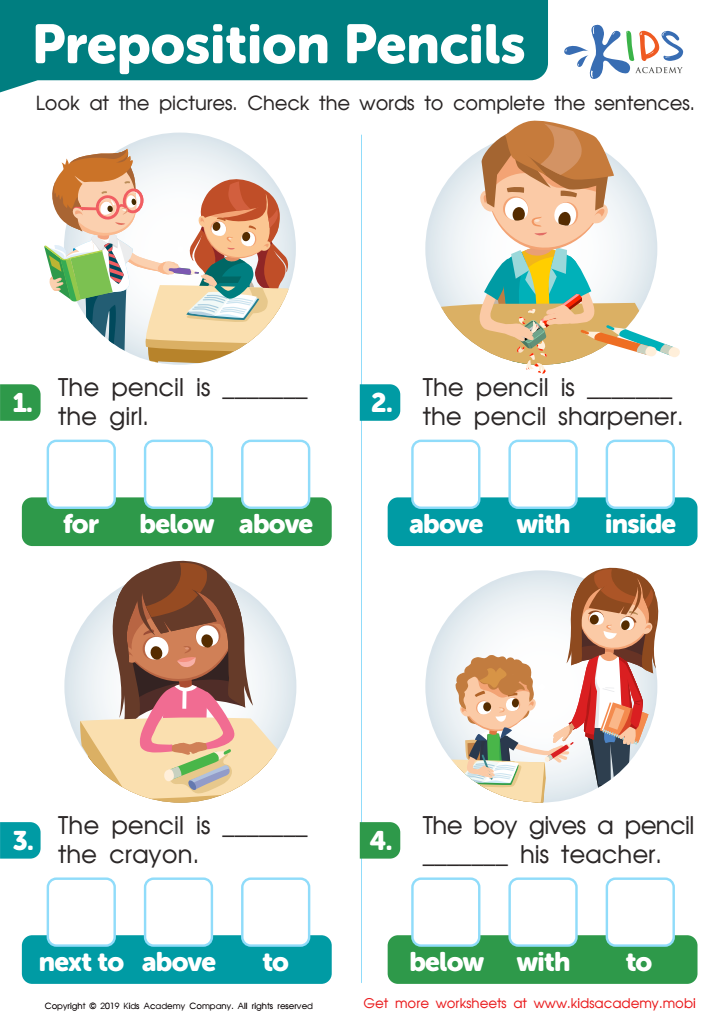
Preposition Pencils Worksheet
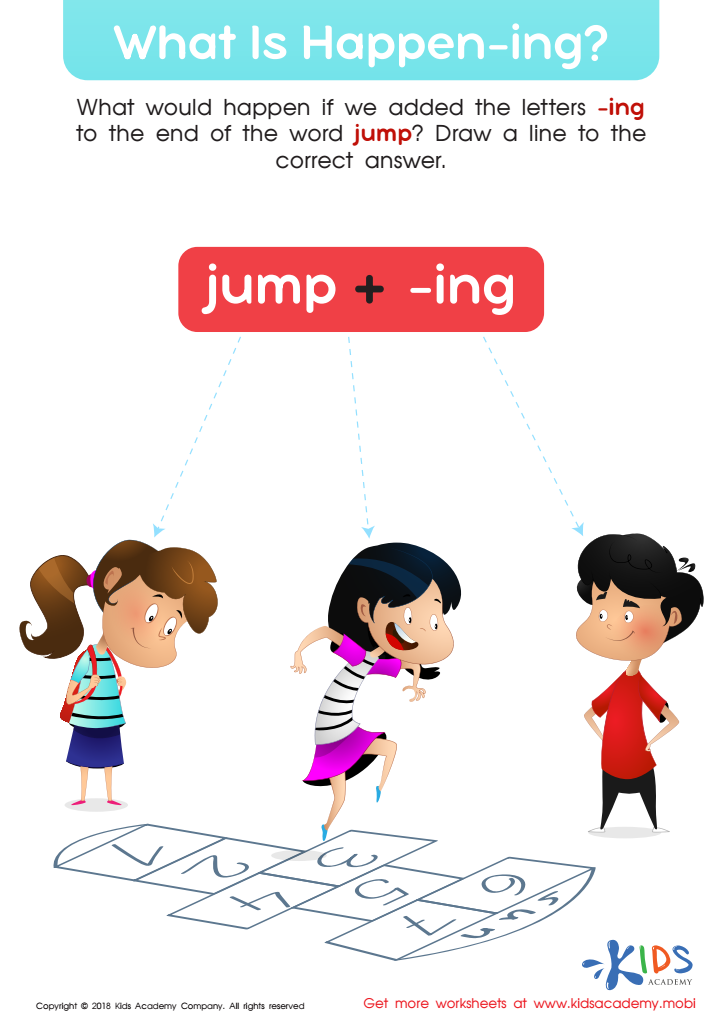
What Is Happen-Ing? Worksheet








Improving vocabulary in early education is crucial for several reasons. First, a rich vocabulary enhances communication skills. When children learn new words, they can express their thoughts and feelings more clearly, leading to better interactions with peers and adults. This is essential for building strong relationships and instilling confidence.
Second, vocabulary development is closely linked to reading comprehension. As children encounter new words in books, they need to understand these words to grasp the story's meaning. A robust vocabulary allows them to tackle more complex texts, which is vital for academic success.
Additionally, vocabulary is integral to critical thinking. With a wider range of words, children can analyze, compare, and contrast ideas more effectively. This skill fosters creativity and problem-solving abilities, preparing them for future challenges.
Finally, improving vocabulary lays a strong foundation for lifelong learning. A love for words encourages curiosity and a desire to explore new subjects, helping children become more engaged learners.
For these reasons, both parents and teachers should prioritize vocabulary enhancement, creating a supportive environment through reading, conversation, and play. By doing so, they equip children with essential tools for success in school and beyond.








