Observational skills Easy Worksheets
5 filtered results
-
From - To
Enhance your child's observational skills with our easy worksheets, designed to make learning fun and engaging! These printable activities focus on developing attention to detail, memory, and critical thinking through colorful illustrations and interactive tasks. Each worksheet encourages children to observe, compare, and analyze, fostering essential skills that support their overall cognitive development. Perfect for young learners, our collection of worksheets caters to various skill levels, ensuring that every child can build their observational abilities at their own pace. Visit our site to explore plenty of creative and educational worksheets that make learning a delightful experience for your little ones!
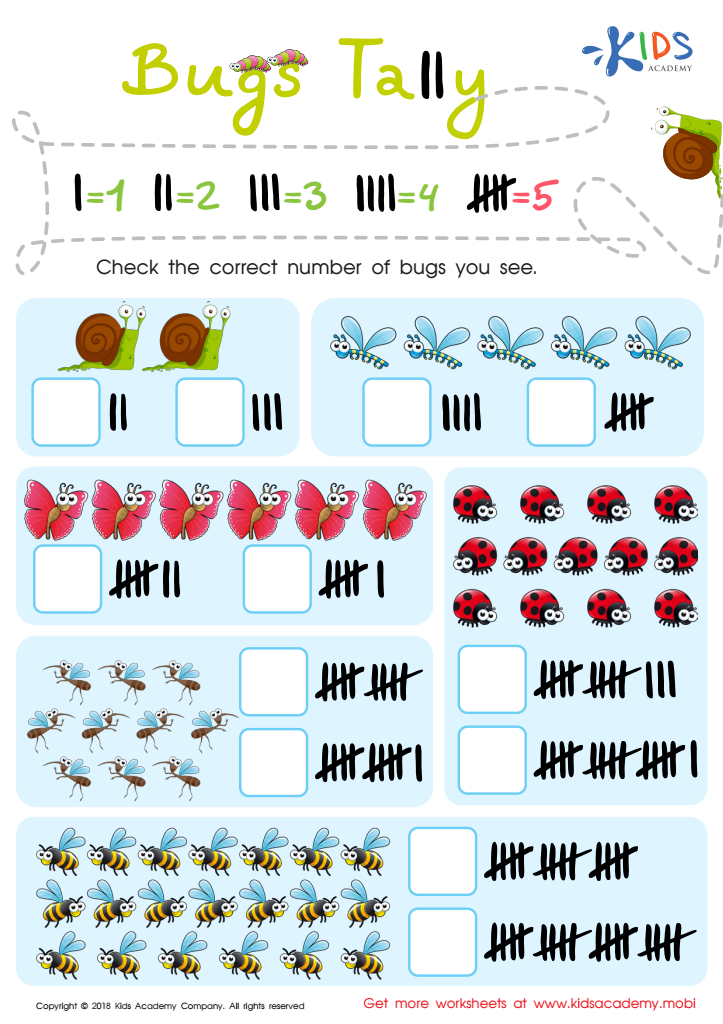
Bugs Tally Worksheet
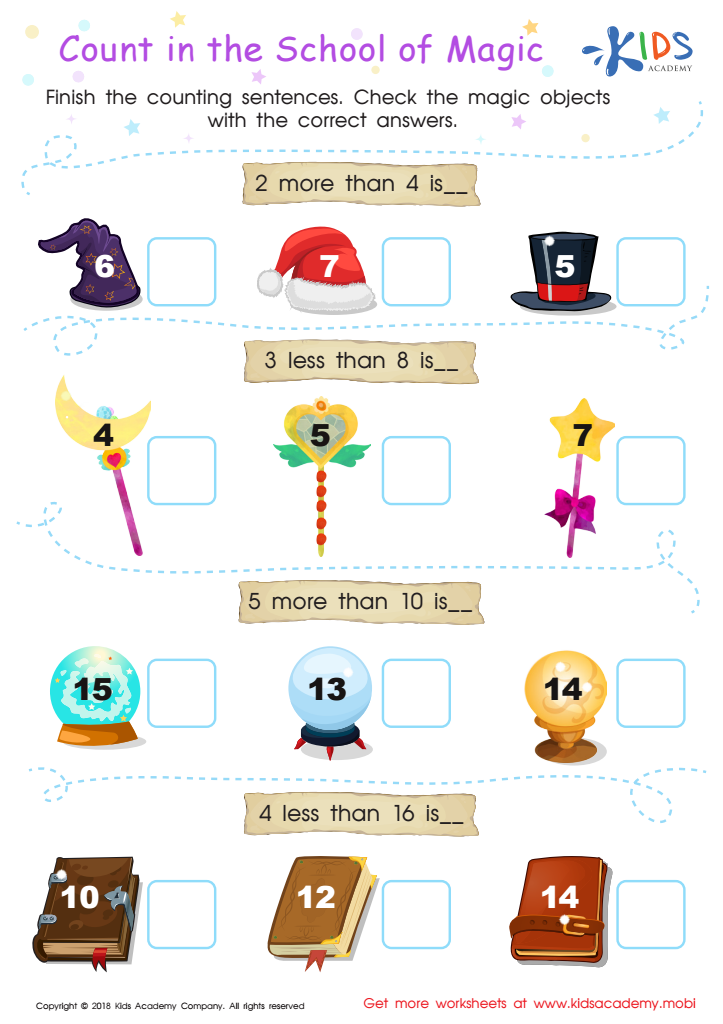
Count in the School of Magic Worksheet
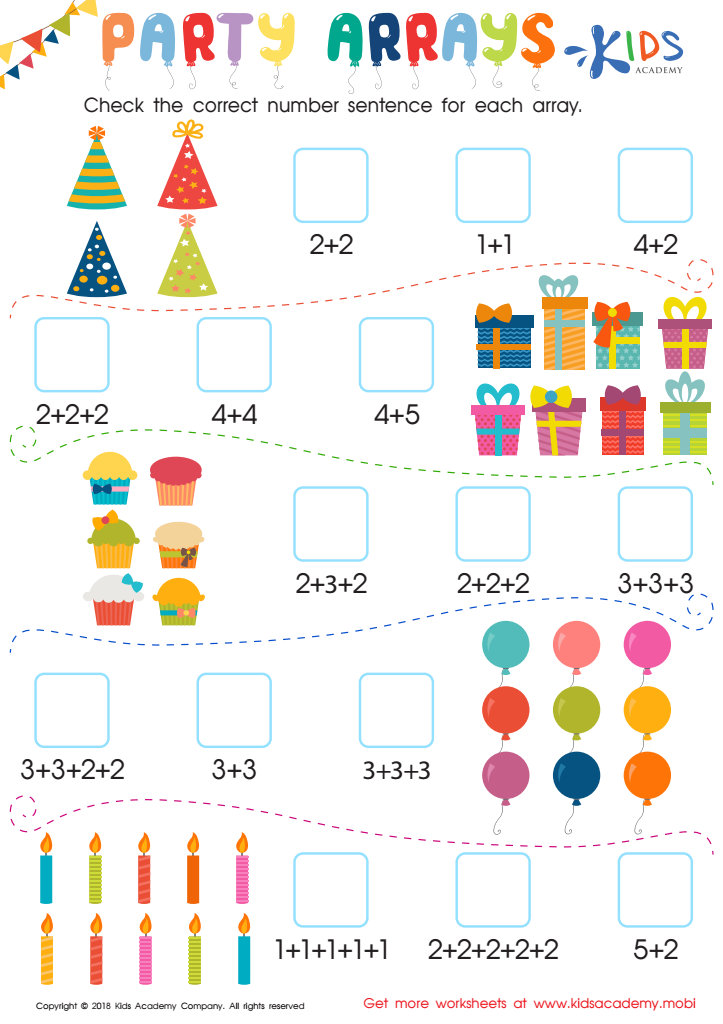
Party Arrays Worksheet
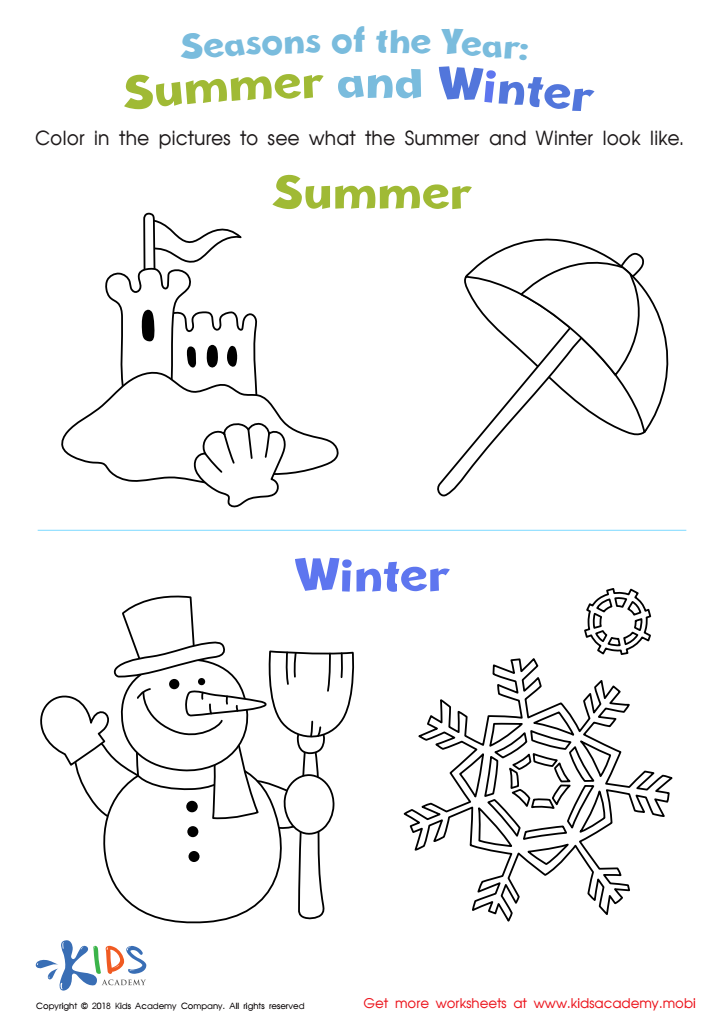
Summer and Winter Worksheet
 Assign to My Students
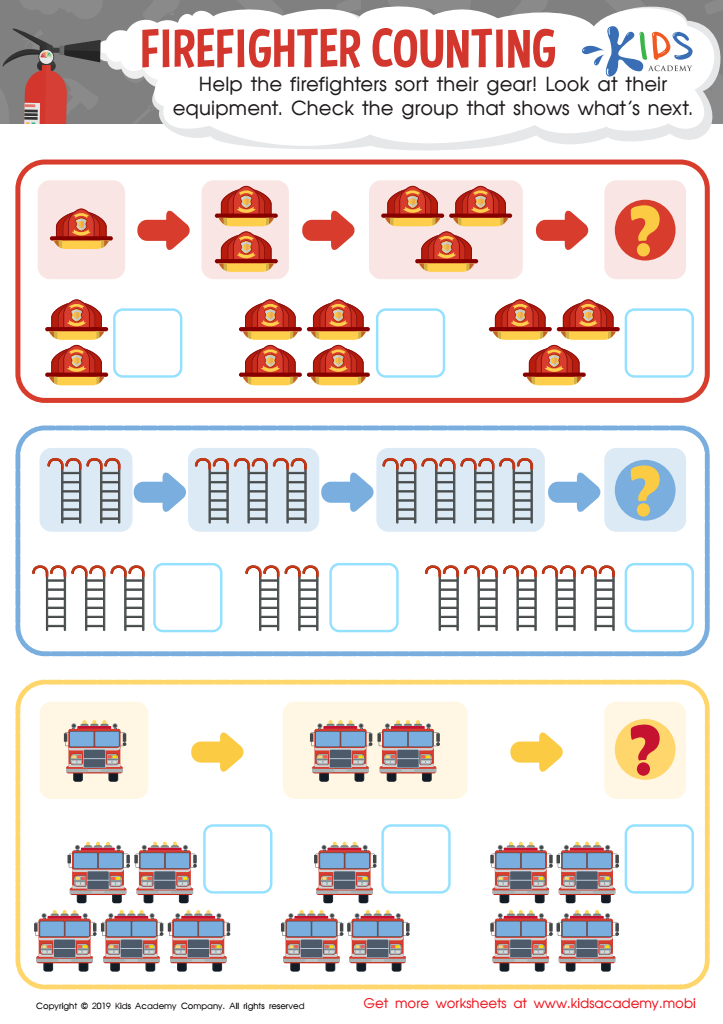
Firefighter Counting Worksheet



.jpg)

Observational skills are essential for both parents and teachers, as they play a crucial role in understanding and supporting a child’s development. When adults cultivate these skills, they can notice subtle changes in a child’s behavior, learning patterns, and emotions. This awareness helps in identifying a child's strengths, weaknesses, and individual needs.
For parents, keen observation allows them to respond appropriately to their child's concerns, fostering a comforting environment at home. They can also support their child's learning style by introducing activities that align with their interests. Moreover, noticing social interactions can help parents guide their children in developing healthy relationships and emotional intelligence.
Teachers benefit similarly through careful observations in the classroom. By monitoring student engagement, participation, and social dynamics, teachers can adapt teaching methods and create personalized learning experiences. Observations also foster better communication with parents, helping them understand their child’s progress and areas where support is needed.
Overall, prioritizing observational skills empowers both parents and teachers to provide constructive guidance, nurturing individual growth and fostering a love of learning. This collaborative understanding ultimately leads to a more supportive and effective educational experience for the child.








