Sorting skills Easy Worksheets
6 filtered results
-
From - To
Welcome to our Sorting Skills Easy Worksheets page! Here, you'll find a variety of engaging worksheets designed to help young learners develop essential sorting skills. These fun and educational resources make learning enjoyable, guiding children to categorize objects by color, shape, size, and other attributes. Our printable worksheets promote critical thinking and improve organizational skills while catering to different learning styles. Perfect for teachers and parents, these activities can be used in the classroom or at home. Explore our collection today and support your child's growth in sorting and classification with hands-on practice that inspires curiosity and learning!
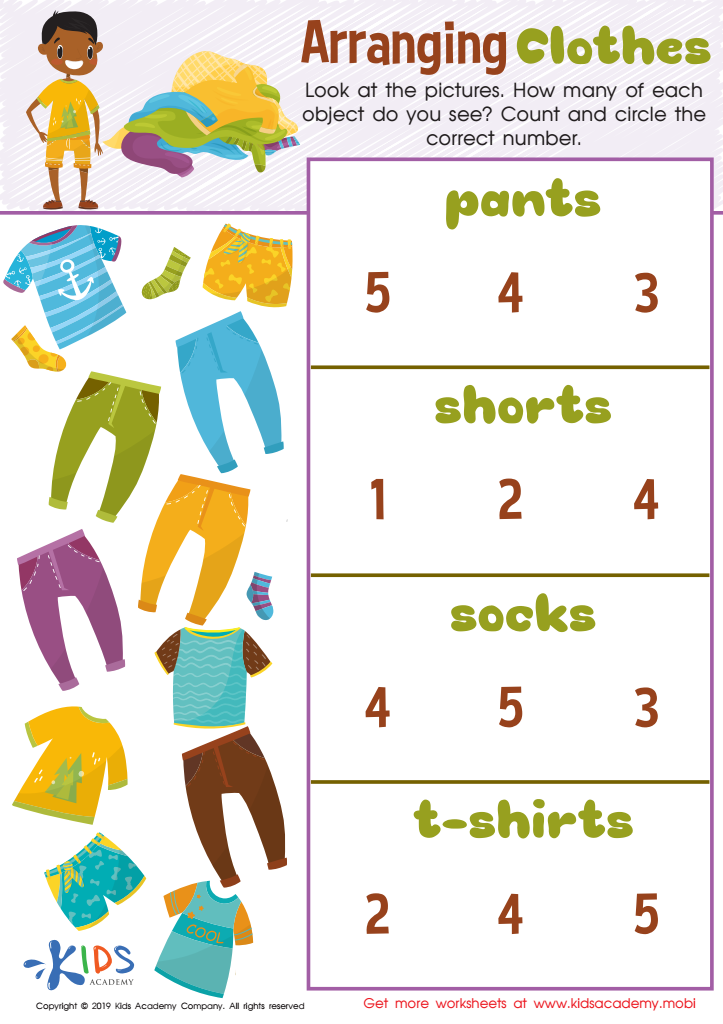
Arranging Clothes Worksheet
 Assign to My Students
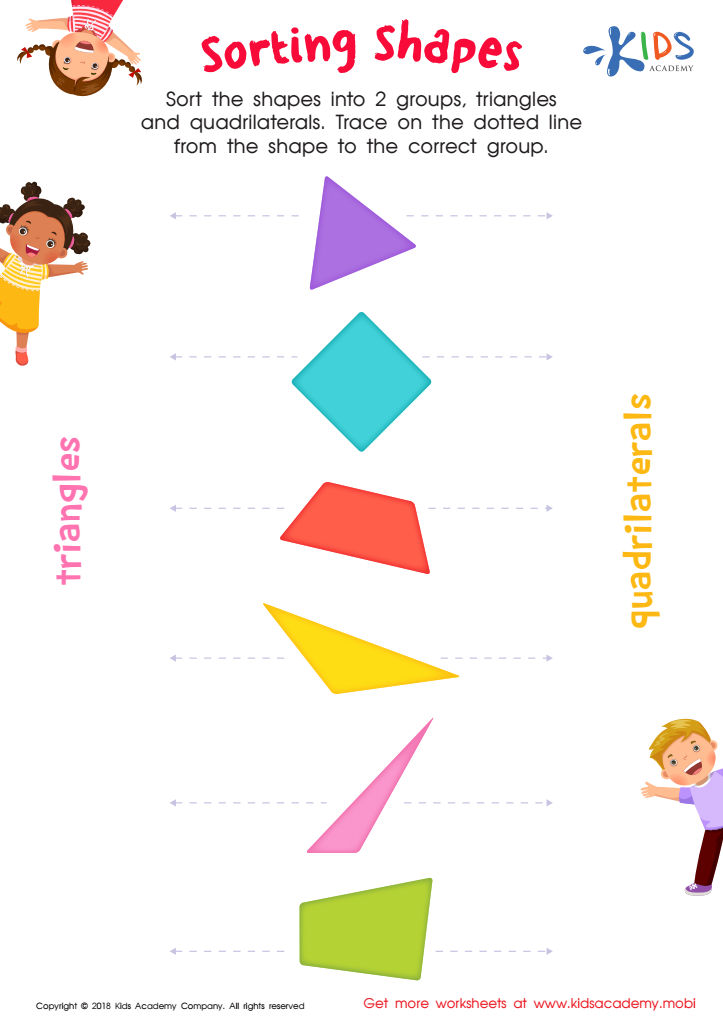
Sorting Shapes Worksheet
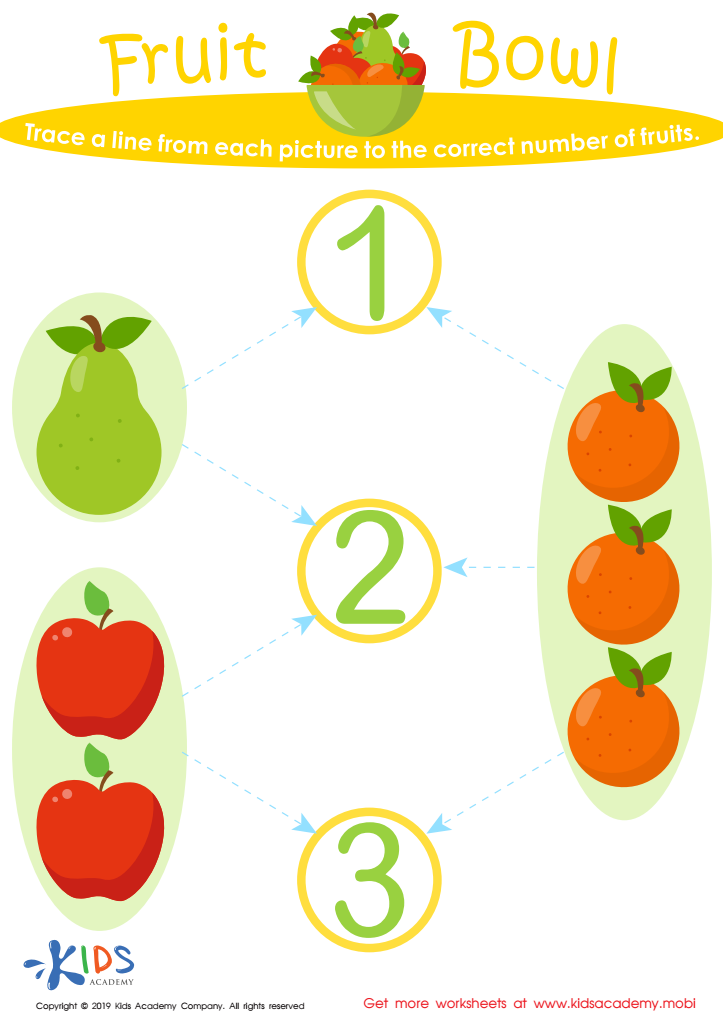
Fruit Bowl Worksheet
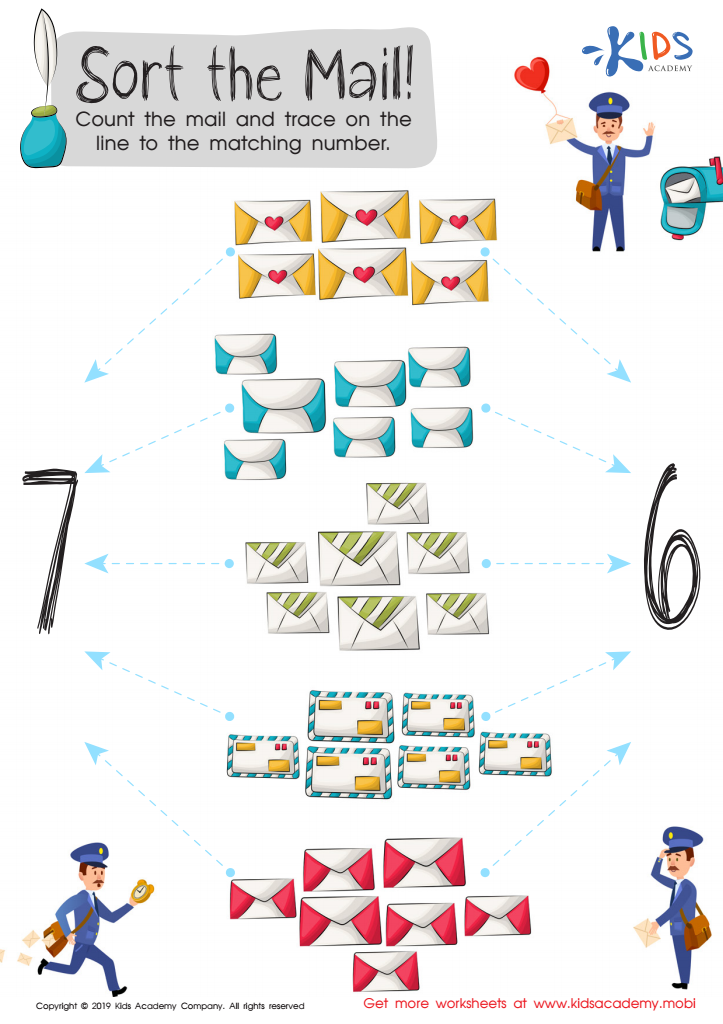
Sort the Mail Worksheet
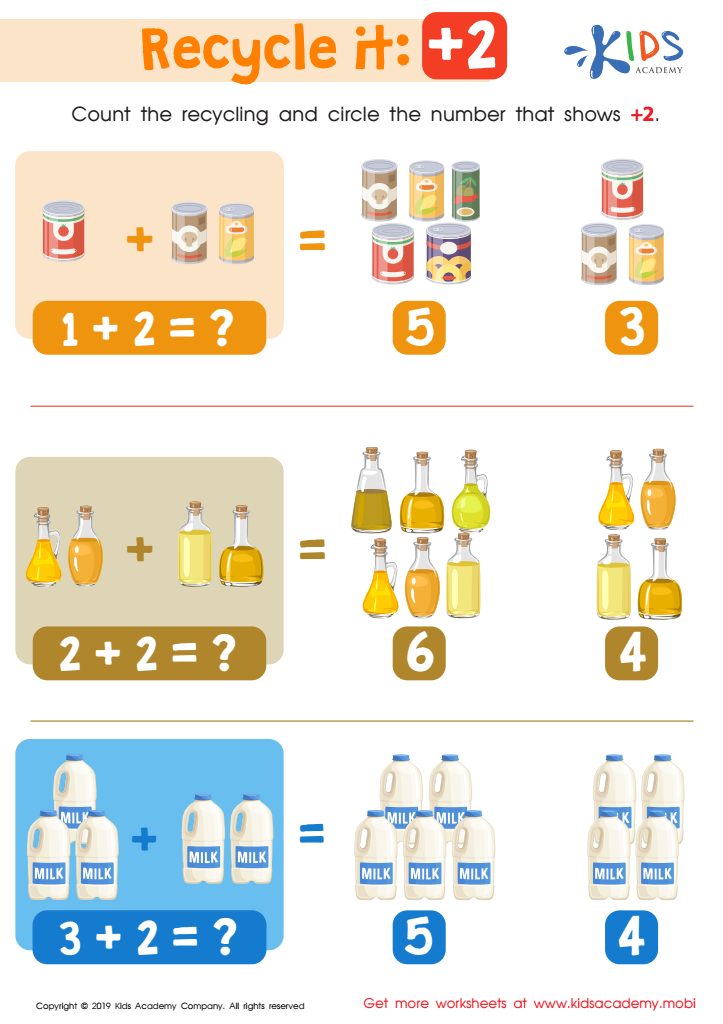
Recycle It: +2 Worksheet
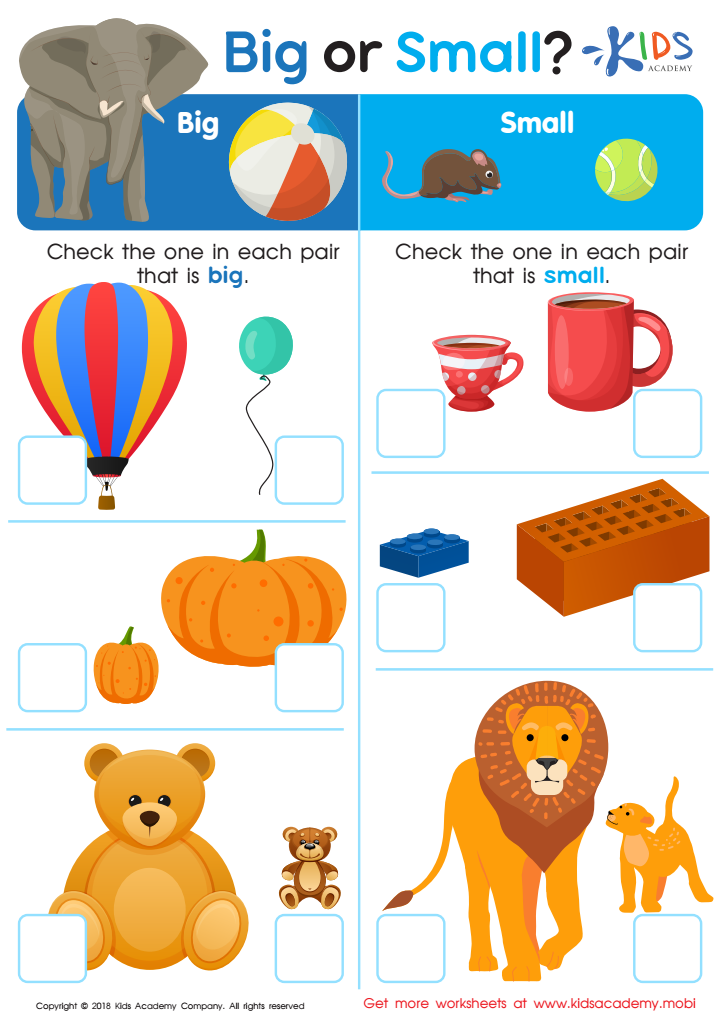
Big or Small? Worksheet



.jpg)



Sorting skills are fundamental cognitive abilities that help children make sense of the world around them. For parents and teachers, fostering these skills is essential for a child's overall development. First, sorting helps children practice categorization, which is vital for developing critical thinking and problem-solving skills. When children group items based on attributes such as color, shape, or size, they enhance their ability to identify similarities and differences—skills they will apply across various subjects, from math to science.
Additionally, sorting lays the groundwork for more complex organizational skills. As children learn to categorize items, they also become more adept at tidying their environment, helping instill habits of organization and responsibility. This can lead to better study habits and improved performance in academic settings.
Furthermore, sorting activities can be highly engaging and interactive. They can encourage cooperation during group tasks, enhancing social skills such as communication and teamwork. When children sort together, they share ideas and perspectives, promoting a sense of community and belonging.
In summary, parents and teachers should prioritize sorting skills because they are foundational not only academically but also socially and emotionally, paving the way for a more competent and confident child.








