Basic counting skills Easy Math Worksheets
5 filtered results
-
From - To
Enhance your child's early math learning with our "Basic Counting Skills Easy Math Worksheets." These expertly designed worksheets provide a fun and engaging way to build foundational counting abilities. Perfect for preschoolers and kindergarteners, each worksheet offers simple, intuitive exercises that nurture number recognition, sequencing, and basic addition skills. Colorful illustrations and interactive activities make learning enjoyable, fostering a positive math learning experience. Accessible and easy to use, our printable worksheets support both classroom and at-home learning. Start developing essential math skills today with our user-friendly resources, geared towards making counting fun and effective for your young learner.
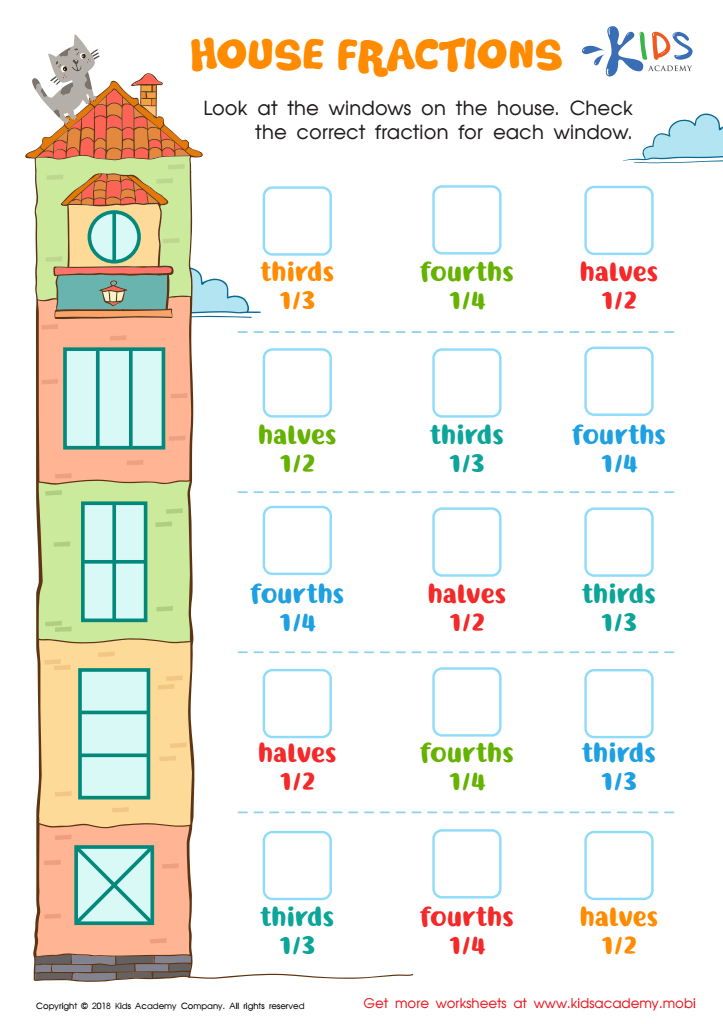
House Fractions Worksheet
 Assign to My Students
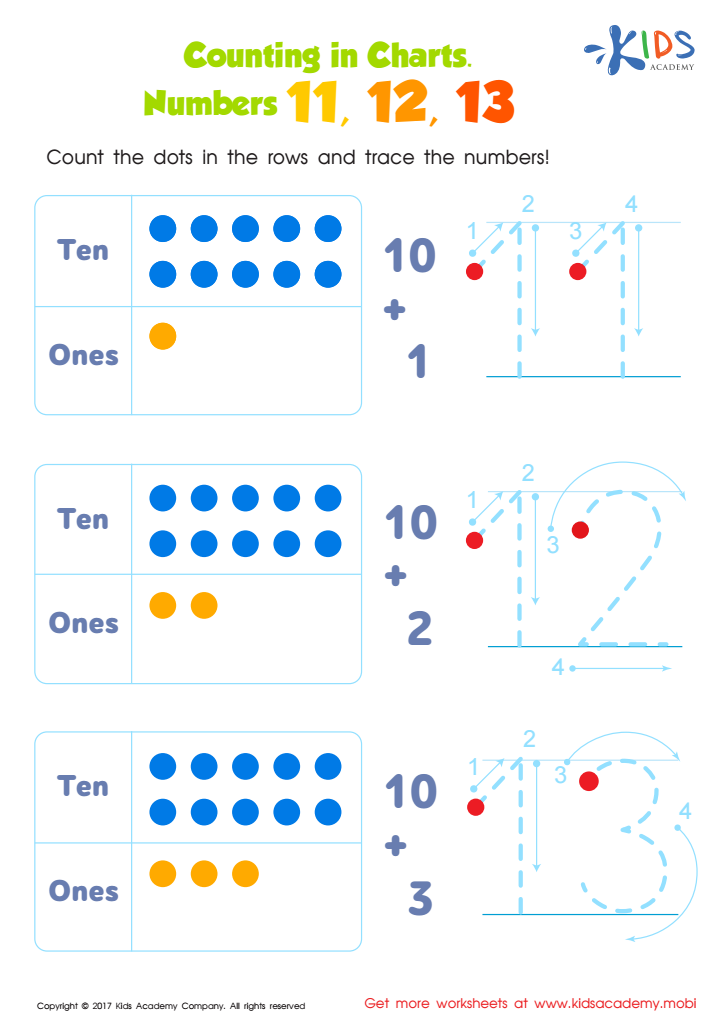
Number Tracing Worksheet For Kindergarten
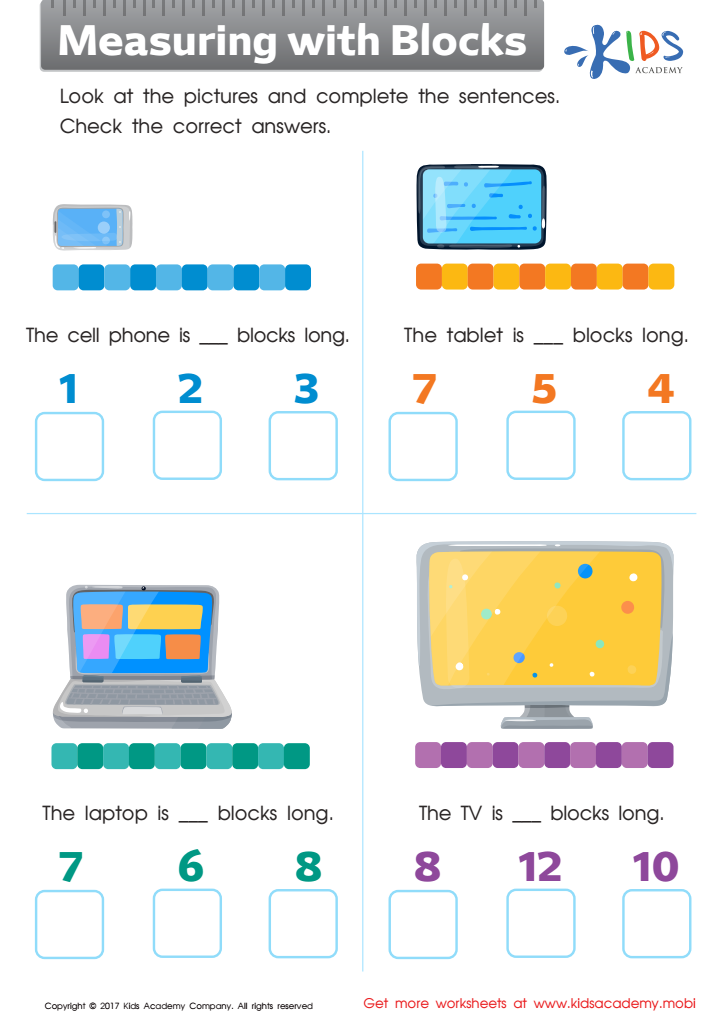
Measuring with Blocks Worksheet
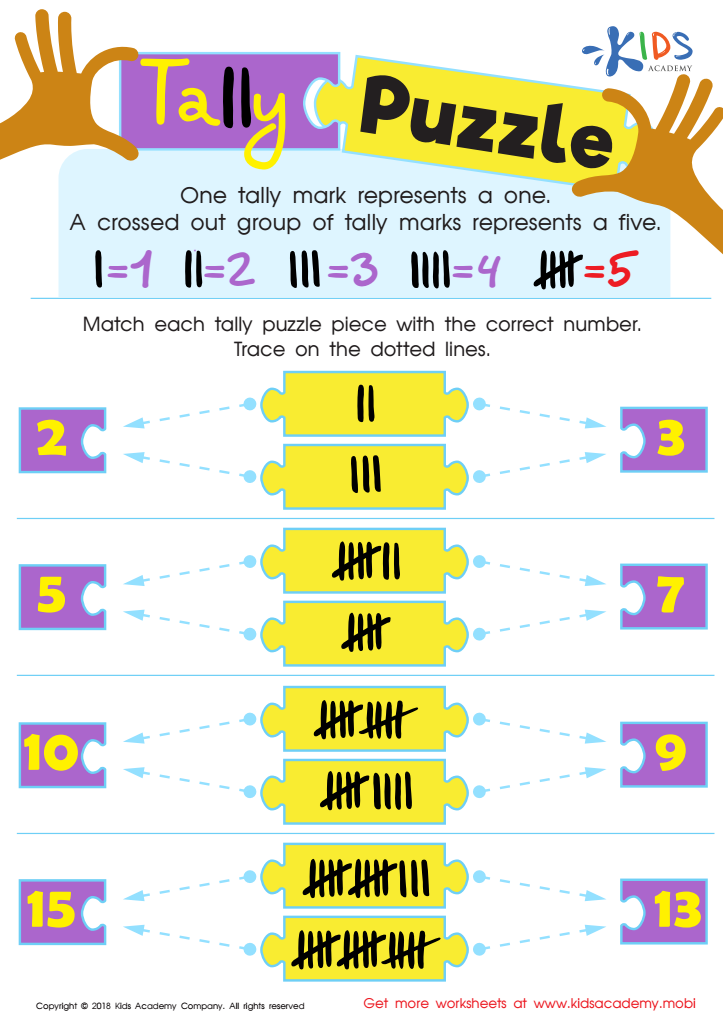
Tally Puzzle Worksheet
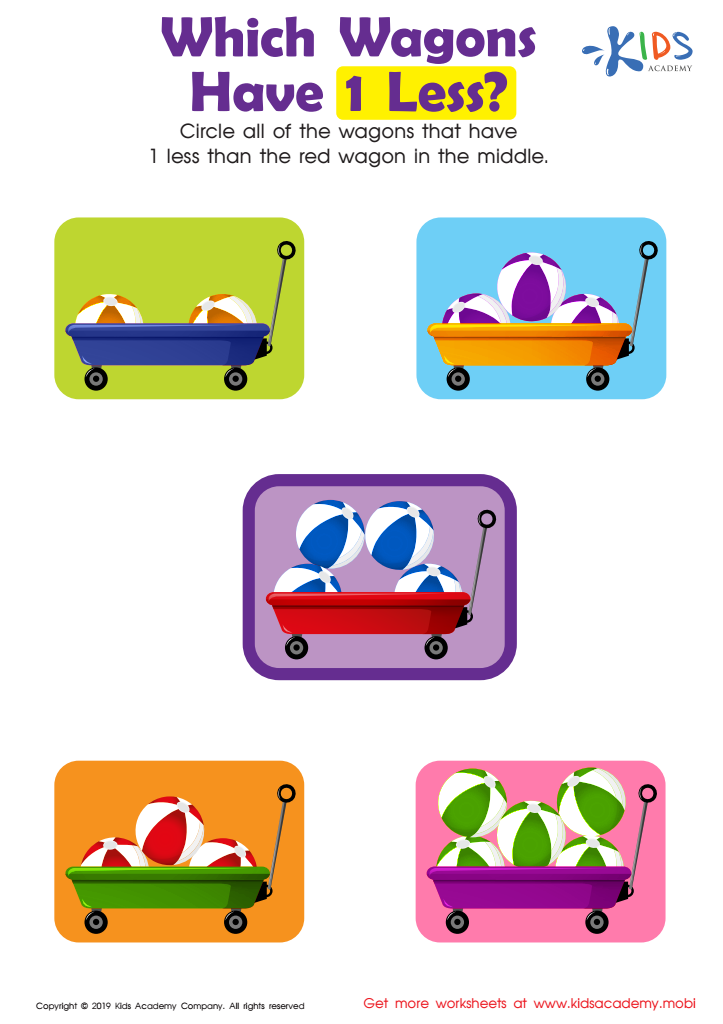
Which Wagons Have 1 Less? Worksheet





Basic counting skills form the foundation for a child's future math understanding, and both parents and teachers play a crucial role in developing these early skills. Learning to count helps children grasp vital concepts such as quantity, order, and number recognition. These skills are integral in progressing toward more complex mathematical operations like addition and subtraction.
Counting is not just about reciting numbers but also about understanding that numbers represent quantities. This understanding enables children to apply these skills in practical situations such as sharing toys, distributing snacks, and navigating distances. It's through these simple, everyday encounters that kids begin to see the relevance and importance of math in their lives.
Moreover, early success in counting builds confidence and encourages a positive attitude toward math, which is critical as they advance academically. Children who struggle with basic counting are likely to face difficulties in more advanced math lessons unless early intervention takes place.
By emphasizing basic counting skills at an early age, parents and teachers set the stage for lifelong numeracy. Engaging in counting games, using visual aids, and integrating counting into daily activities can make learning this crucial skill both effective and enjoyable. Good counting skills enhance cognitive development and problem-solving abilities, beneficial well beyond the classroom.








