Understanding Sequences Easy Math Worksheets
4 filtered results
-
From - To
Explore our "Understanding Sequences Easy Math Worksheets," designed specifically for young learners to grasp the concept of sequences through engaging and interactive activities. These worksheets provide a fun way for students to identify patterns, numbers, and shapes, fostering critical thinking and problem-solving skills. Perfect for early grade classrooms, they cater to various learning styles, making math enjoyable and accessible. With a variety of exercises, children will practice completing, analyzing, and creating sequences, building a strong foundation for future mathematical concepts. Download these easy-to-use worksheets and help your students discover the joy of learning sequences in a supportive environment!
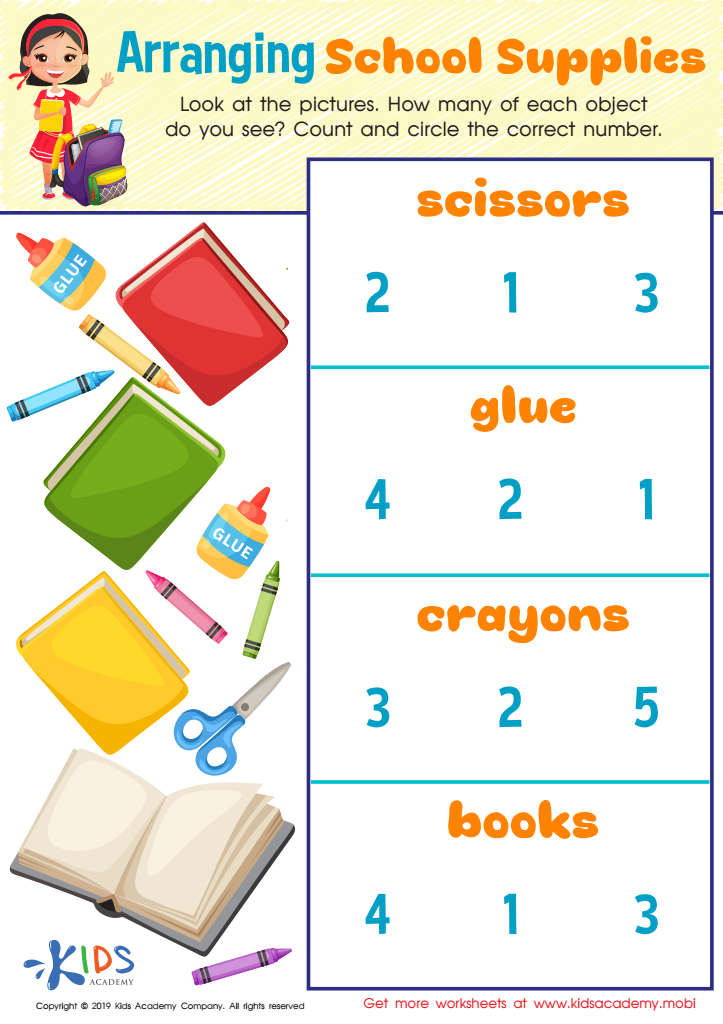
Arranging School Supplies Worksheet
 Assign to My Students
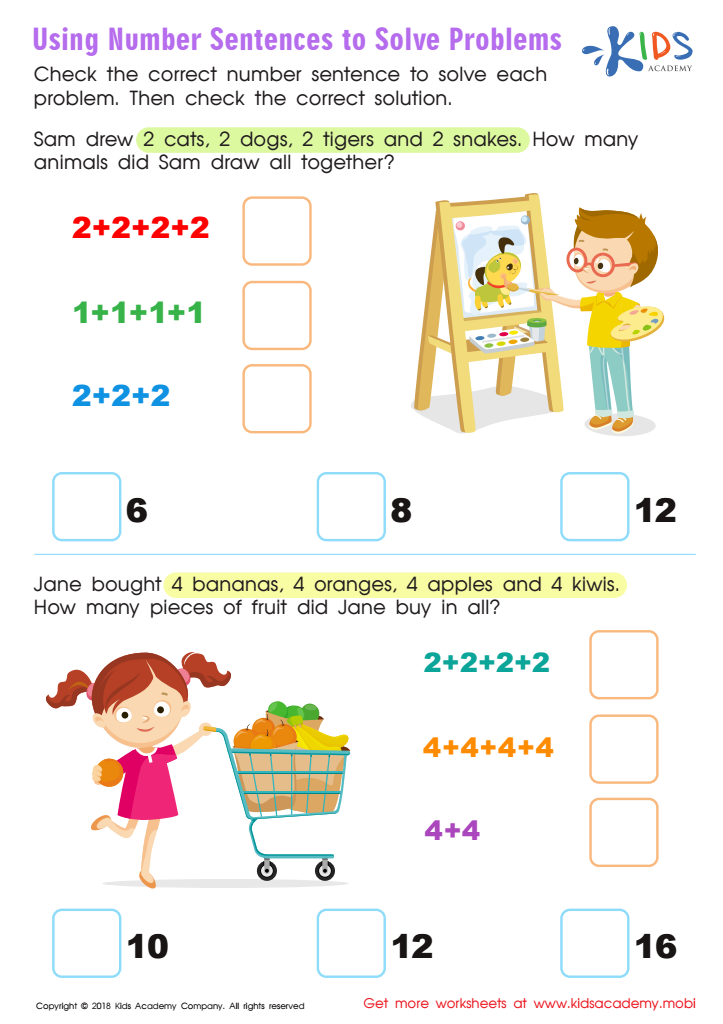
Using Number Sentences to Solve Problems Worksheet
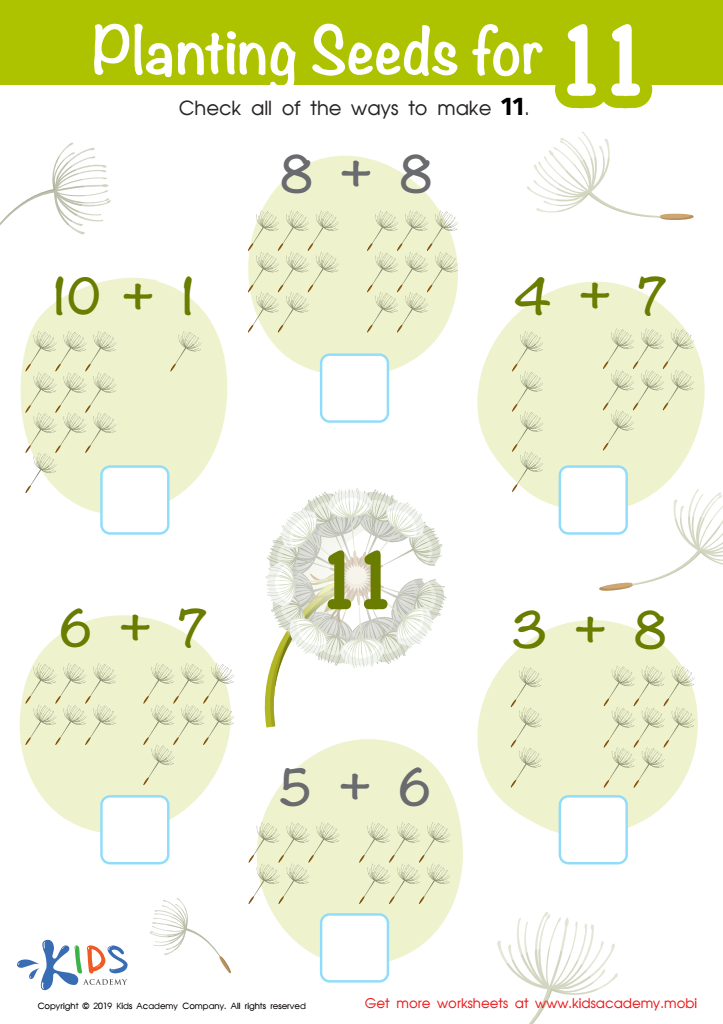
Planting Seeds for 11 Worksheet
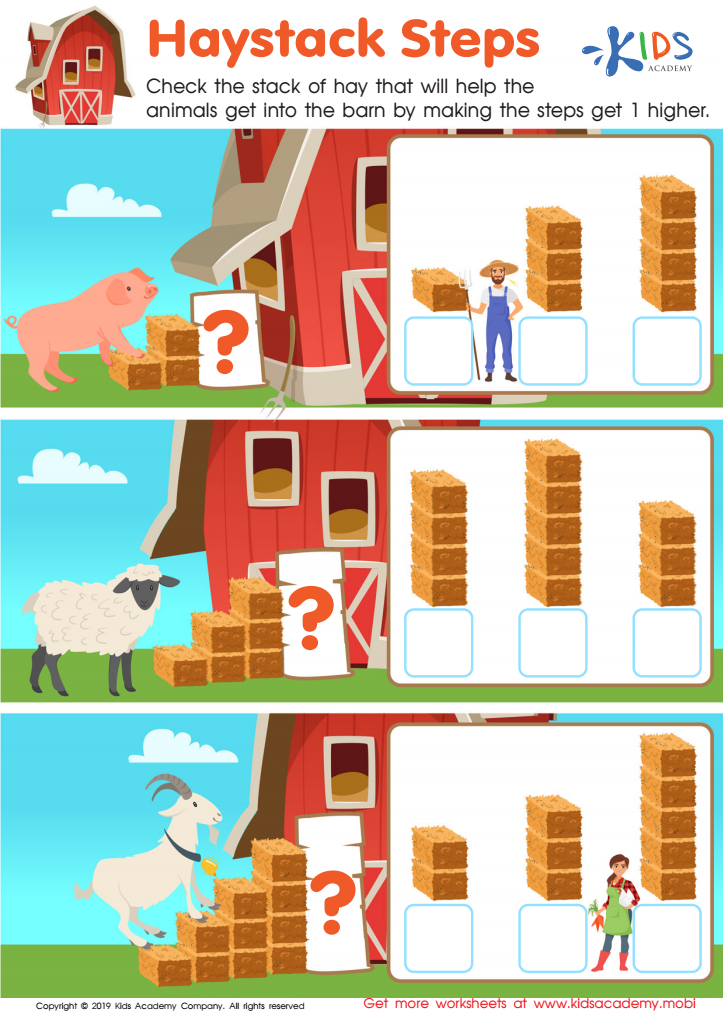
Haystack Steps Worksheet







Understanding sequences is a foundational aspect of early math education that plays a crucial role in a child's cognitive development. Parents and teachers should care about teaching sequences because they serve as the building blocks for more advanced mathematical concepts. Sequences involve recognizing patterns, a skill that fosters critical thinking and problem-solving abilities. For instance, children learn to identify patterns in numbers, shapes, or events, which enhances their analytical skills and lays the groundwork for algebraic thinking.
Moreover, mastery of sequences supports various elements of daily life, such as reading clocks, understanding schedules, or following instructions—not to mention its importance in higher-level math, science, and even computer programming. Parents and teachers can create engaging activities, like rhythm games or story sequencing, to make learning fun and meaningful. Additionally, understanding sequences encourages deep, conceptual thinking rather than rote memorization, enabling students to connect mathematical ideas across different contexts. Ultimately, laying a strong foundation in sequences promotes confidence and success not only in mathematics but also in a child's overall academic journey. By emphasizing the importance of sequences in early math education, we help cultivate the next generation of critical thinkers and problem solvers.








