Fine Motor Skills Easy Preschool Math Worksheets - Page 2
29 filtered results
-
From - To
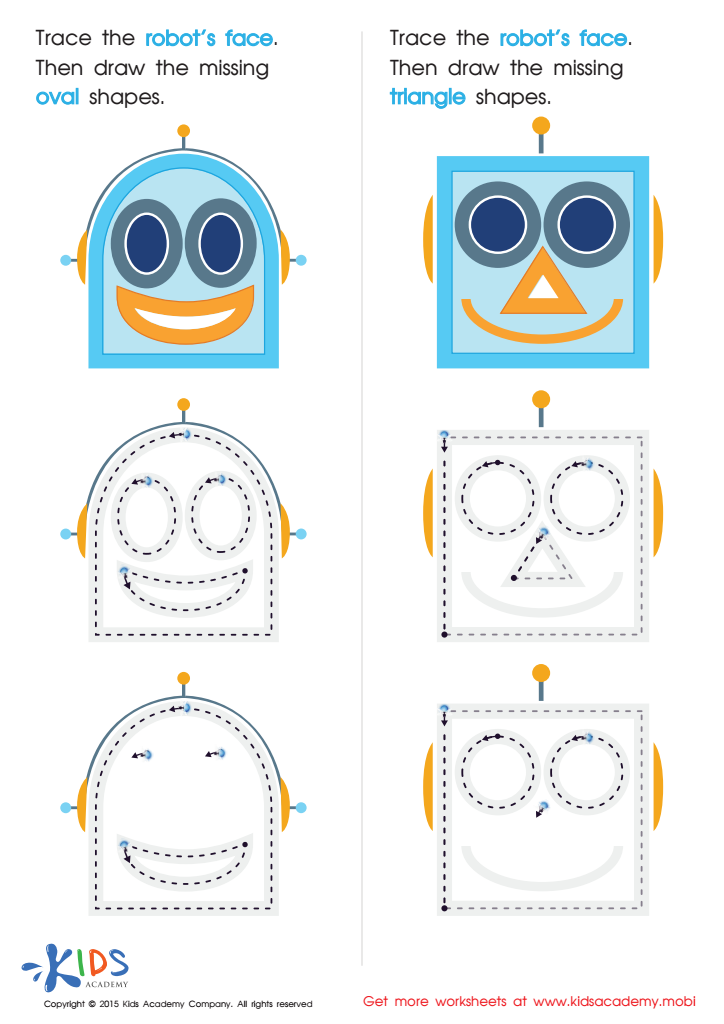
Drawing Ovals And Triangles with Fun Printable
 Assign to My Students
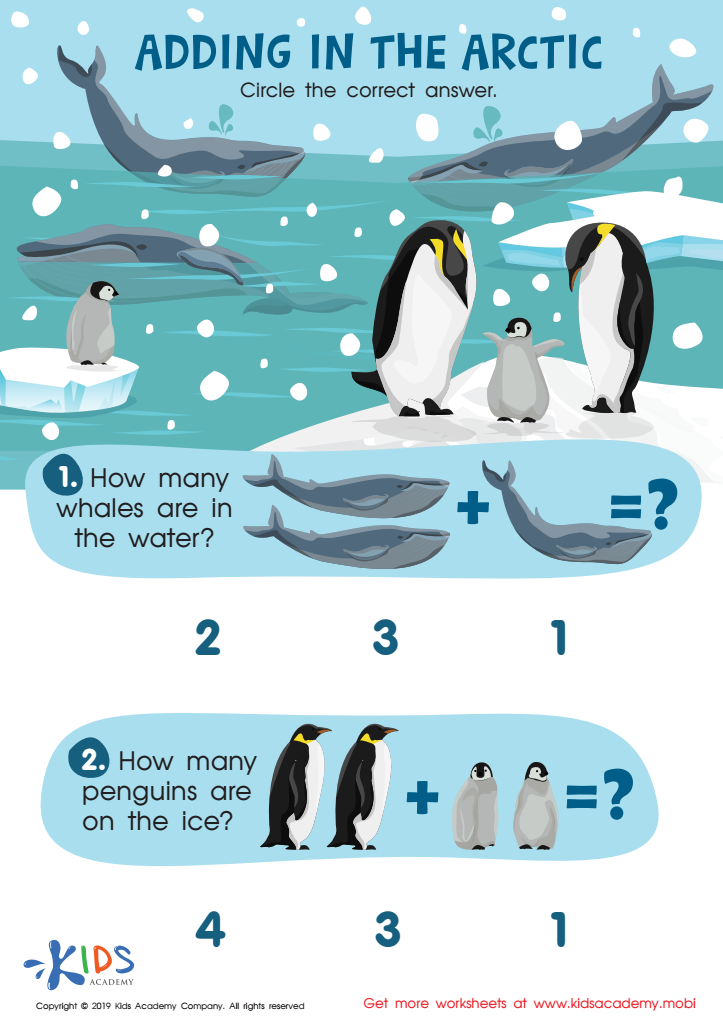
Adding in the Arctic Worksheet
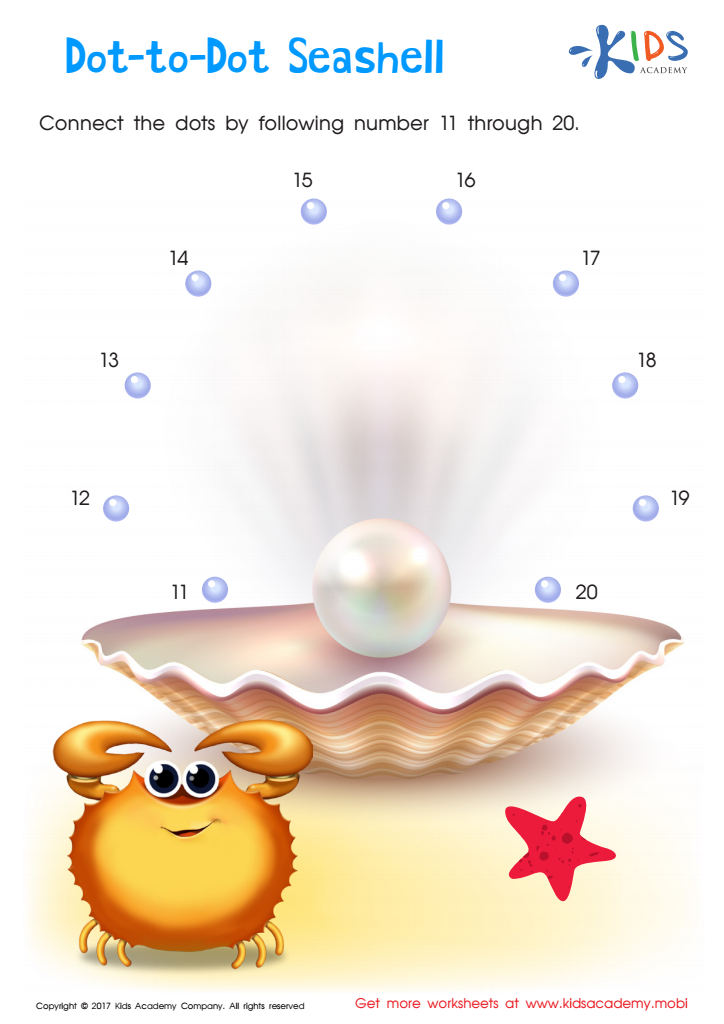
Ordering 11–20: Dot–to–dot Seashell Printable
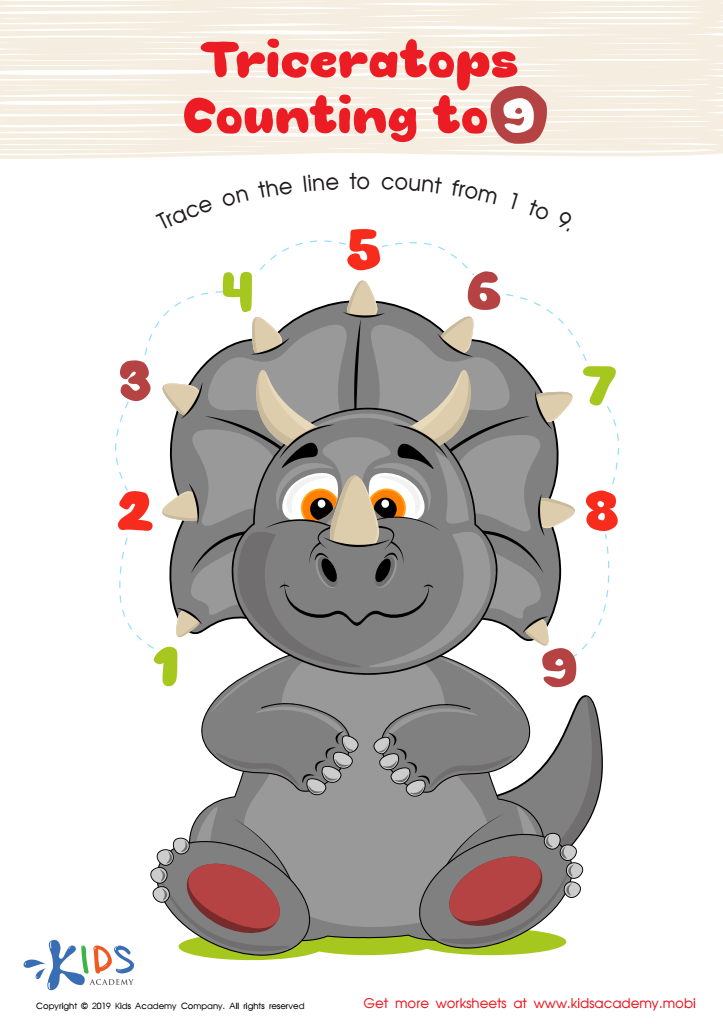
Triceratops Counting to 9 Worksheet

Night Sky Numbers Worksheet








Fine motor skills and early math development are essential components of preschool learning that significantly contribute to a child's overall growth. Fine motor skills involve the precise movements of small muscles, enabling tasks such as writing, cutting, and manipulating small objects. These skills are crucial for an effective learning environment, as they support children's ability to engage with various materials and activities.
When it comes to preschool math, incorporating fine motor activities plays a vital role. Manipulatives such as counting blocks, puzzles, and sorting games require children to use their fingers and hands, helping them develop coordination while engaging in mathematical concepts. This hands-on approach not only fuels their interest in math but also lays a strong foundation for more complex problem-solving skills in the future.
Teachers and parents should care about these developmental milestones because they directly influence a child's confidence, social interaction, and academic success. When children gain competence in fine motor skills and math basics, they are better equipped to tackle more advanced tasks as they progress in their education. Furthermore, fostering these skills at a young age promotes self-esteem and a love for learning, paving the way for lifelong intellectual curiosity and achievement.