Critical Thinking Easy Reading Comprehension Worksheets
9 filtered results
-
From - To
Unlock the power of critical thinking with our "Critical Thinking Easy Reading Comprehension Worksheets"! Designed for young learners, these engaging worksheets aim to enhance reading skills while fostering analytical thinking. Each worksheet offers age-appropriate texts coupled with thought-provoking questions, encouraging children to dig deeper and consider various perspectives. Whether used in class or at home, our resources are perfect for encouraging curiosity and comprehension in early education. Help your child develop essential skills needed for academic success and lifelong learning. Explore our diverse collection today and make reading comprehension both fun and educational!
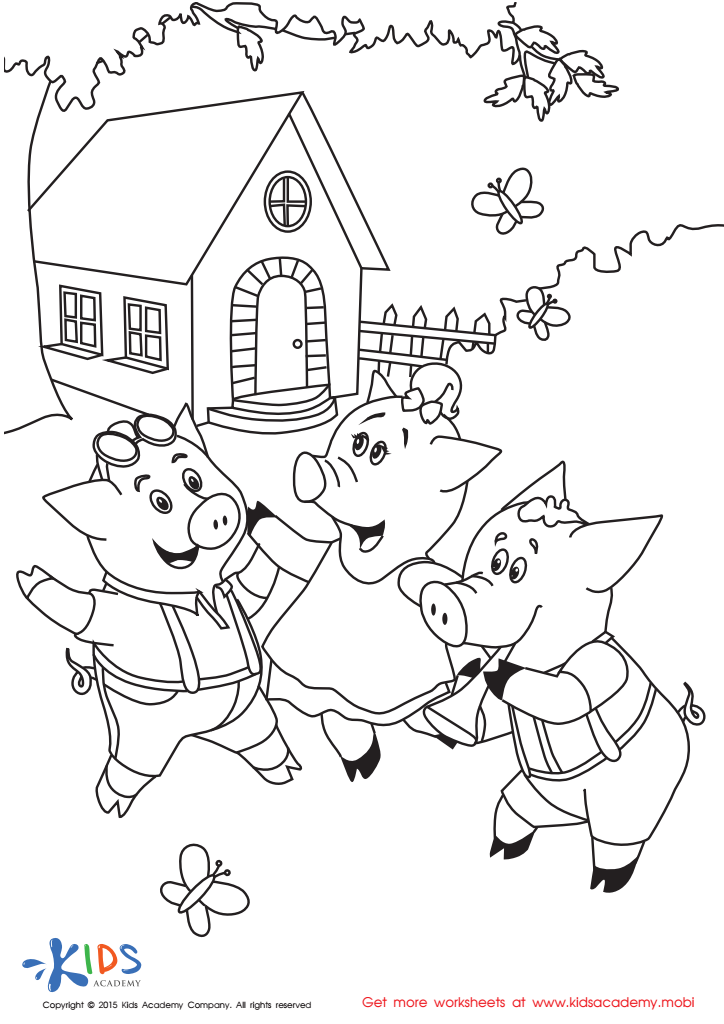
Folktales Printable PDF Worksheet: The 3 Little Pigs
 Assign to My Students
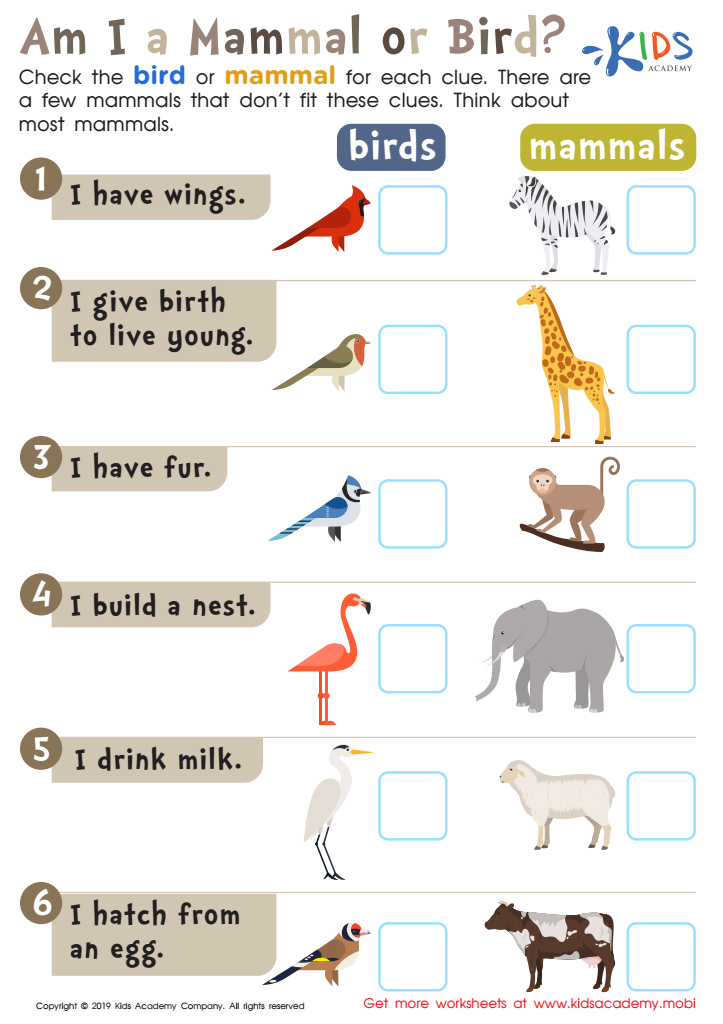
Am I a Mammal or Bird? Worksheet
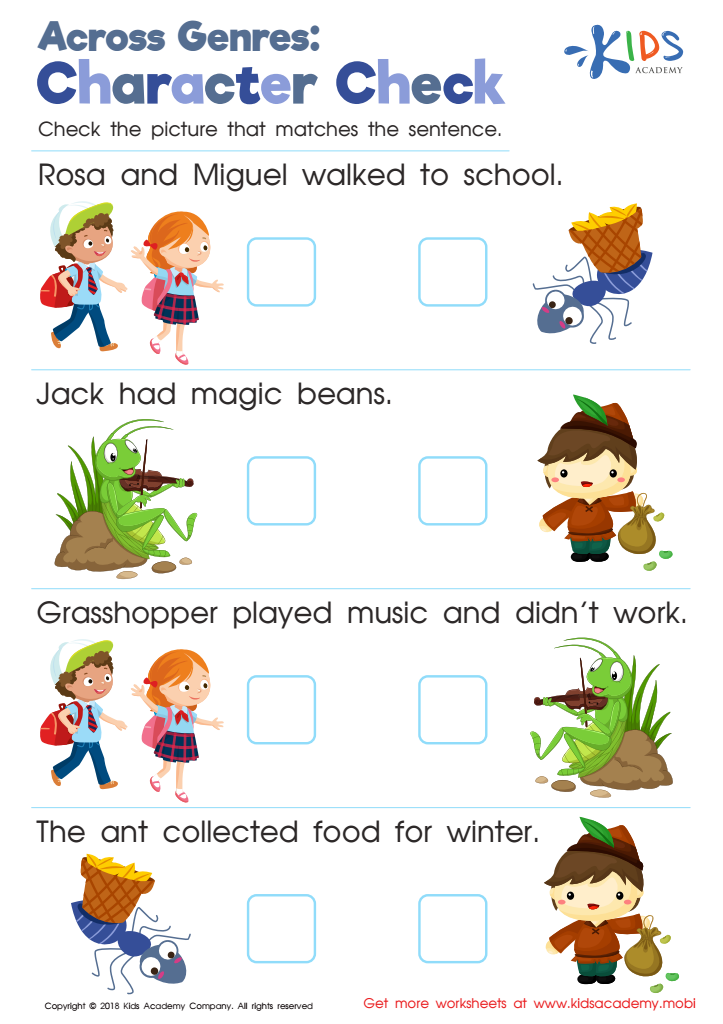
Across Genres: Character Check Worksheet
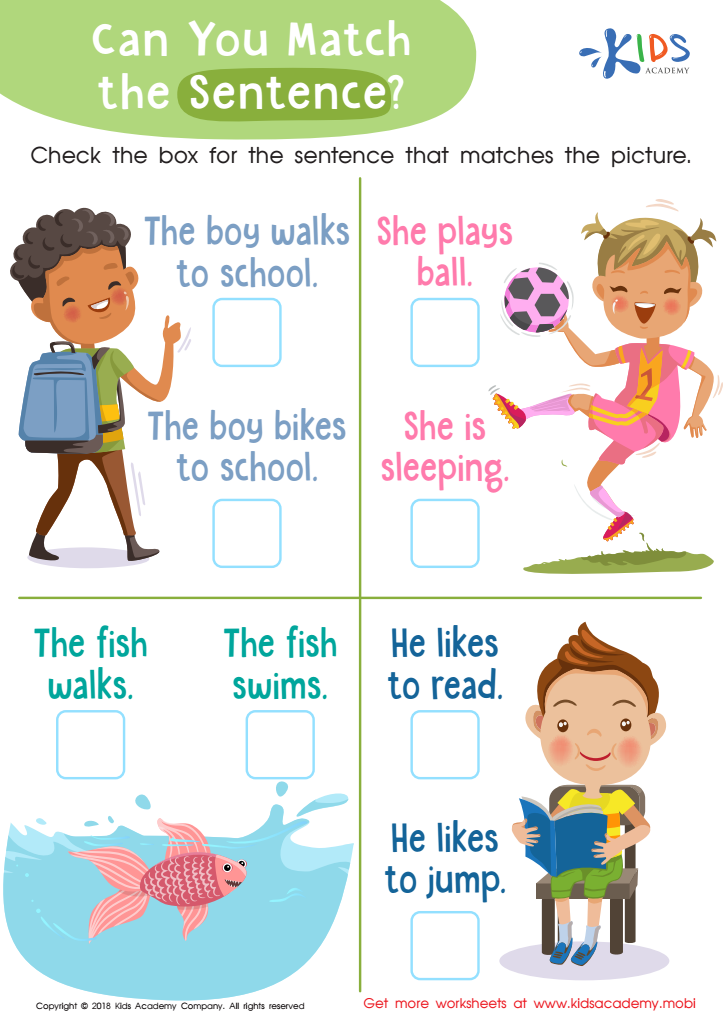
Can You Match the Sentence? Worksheet
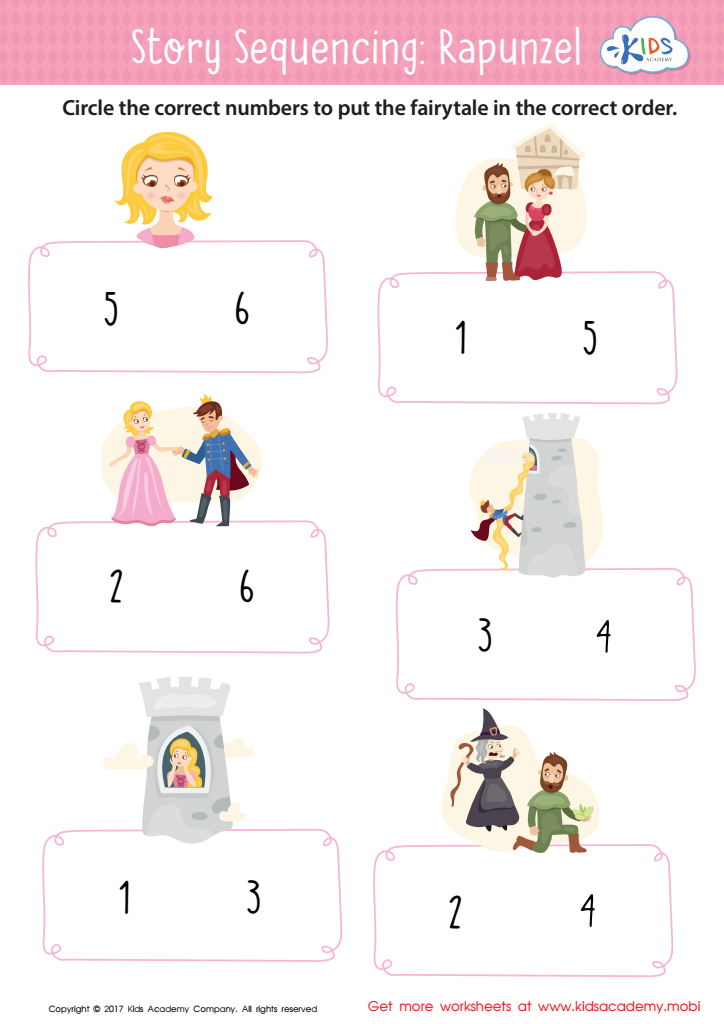
Rapunzel Story Sequencing Worksheet
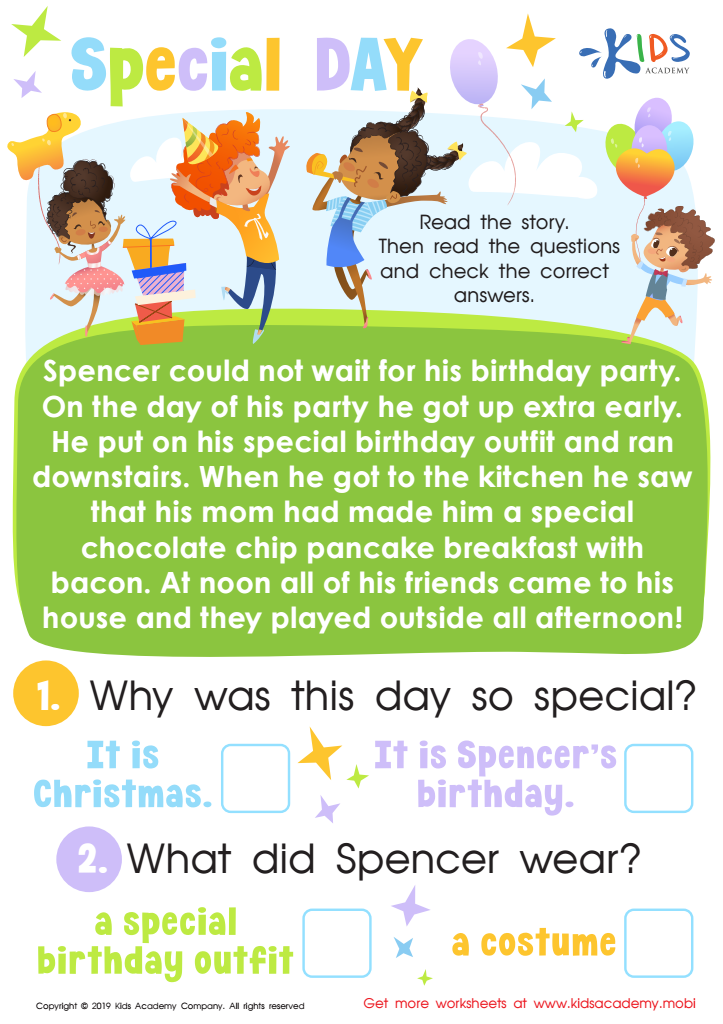
Special Day Worksheet
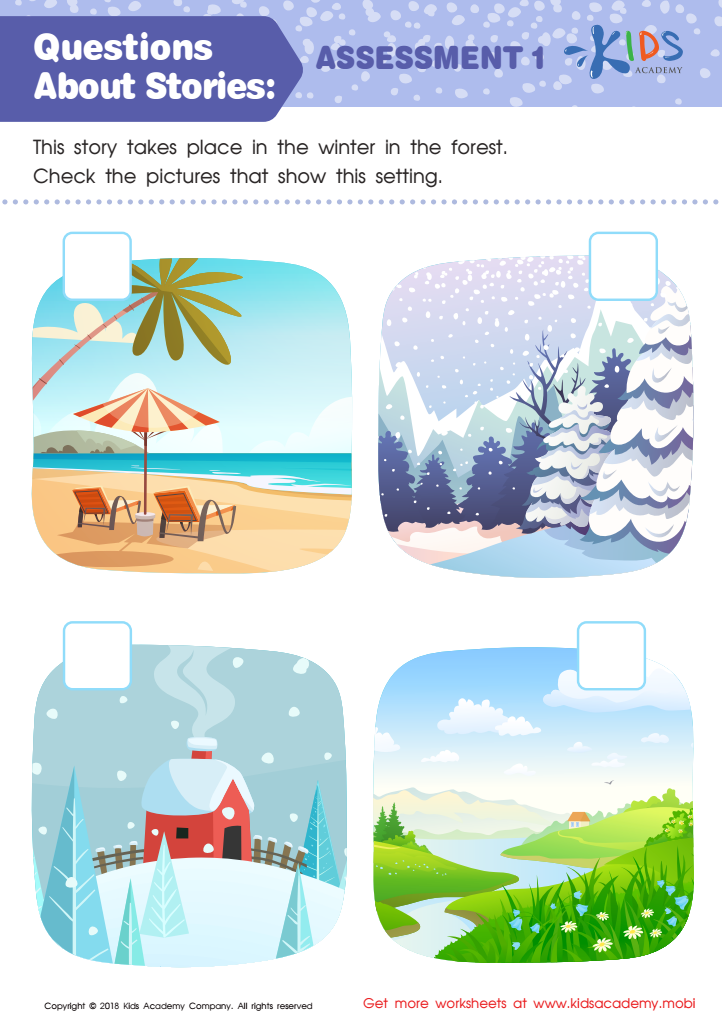
Questions About Stories: Assessment 1 Worksheet
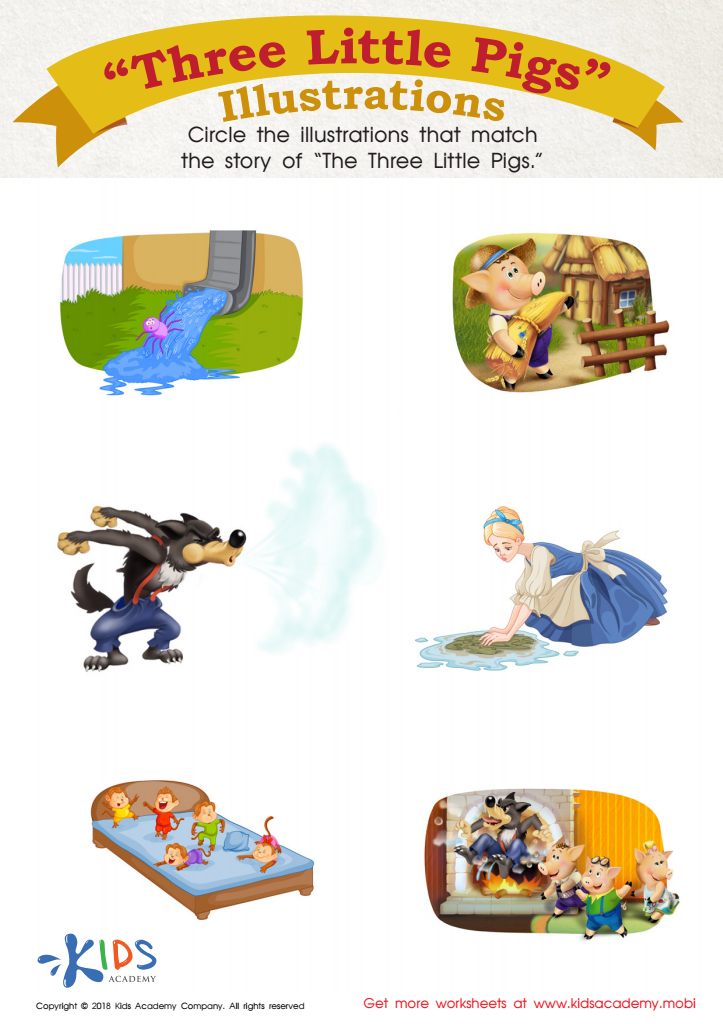
Three Little Pigs: Illustrations Worksheet
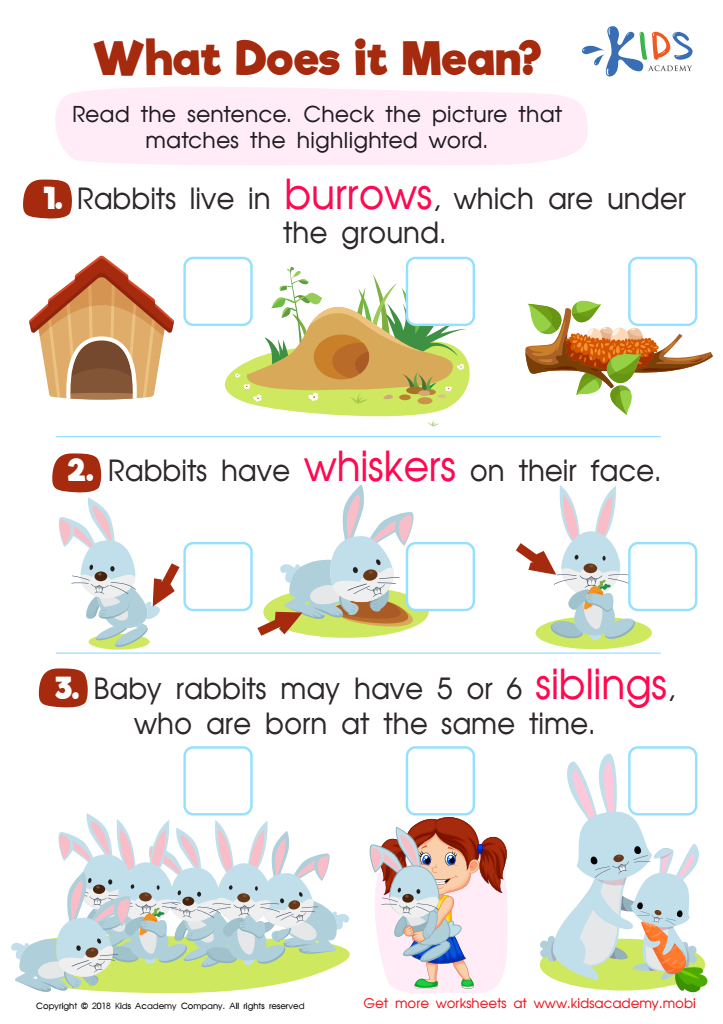
What Does It Mean? Worksheet








Parents and teachers should prioritize Critical Thinking Easy Reading Comprehension because it fosters essential skills that students need for academic and personal success. This approach encourages young learners to engage deeply with texts, not merely to understand content but to analyze, evaluate, and synthesize information. By developing critical thinking skills through easy reading comprehension exercises, children learn to question assumptions, recognize patterns, and draw connections between ideas.
Moreover, these skills are crucial in our rapidly changing world, where information is abundant but often misleading. Teaching children how to assess the credibility of sources helps them become thoughtful consumers of information, fostering responsible citizenship.
Encouraging discussions around texts also enhances communication skills and emotional intelligence, allowing students to express their thoughts clearly and respectfully. This collaborative aspect of learning builds a strong classroom community and supports social skills development.
By embedding critical thinking into reading comprehension, parents and teachers equip children with the tools to navigate complex issues, make informed decisions, and approach problems creatively. Ultimately, nurturing these competencies can lead to lifelong learning, where students become active participants in their education and future contributions to society.