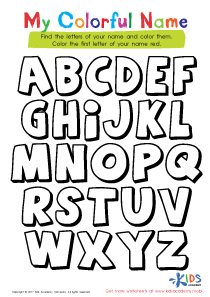
Fine Motor Skills Easy Grade 2 Alphabet Worksheets
6 filtered results
-
From - To
Discover our Fine Motor Skills Easy Grade 2 Alphabet Worksheets, designed to help young learners enhance their writing proficiency through engaging activities. Featuring age-appropriate exercises, these worksheets focus on refining hand-eye coordination, pencil control, and letter formation. Perfect for second graders, the thoughtfully crafted activities make handwriting practice enjoyable and effective. As they trace, write, and explore, children will build the foundational skills necessary for clear and confident writing. Ideal for both classroom use and home practice, our Alphabet Worksheets are an essential tool for building fine motor skills and fostering a love for learning. Printable and easy to use!
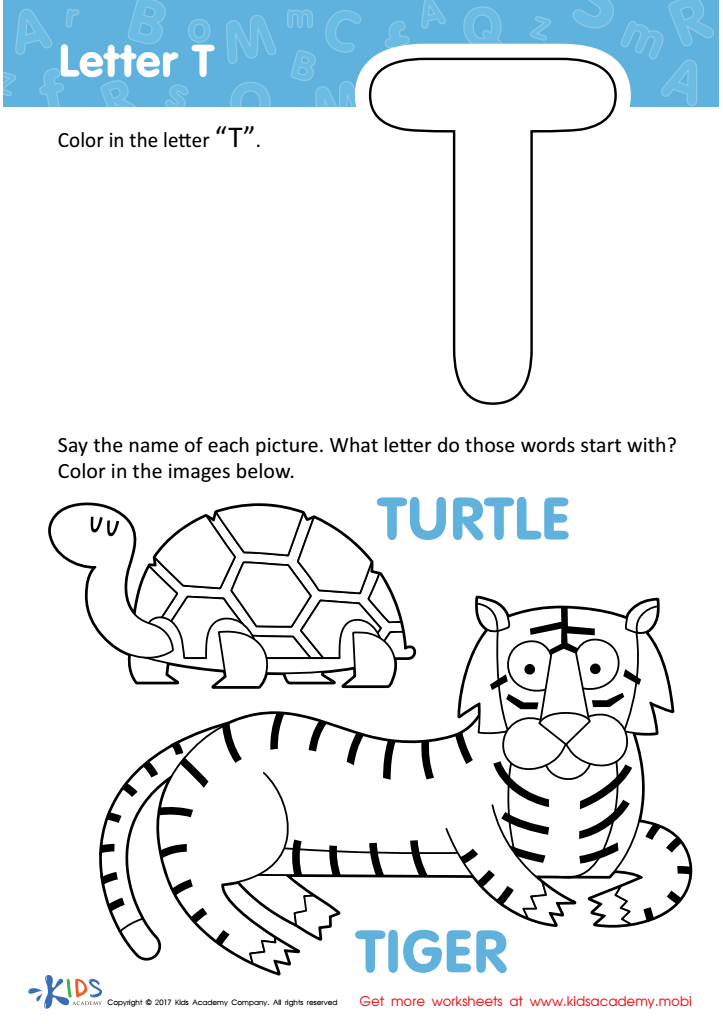
Letter T Coloring Sheet
 Assign to My Students
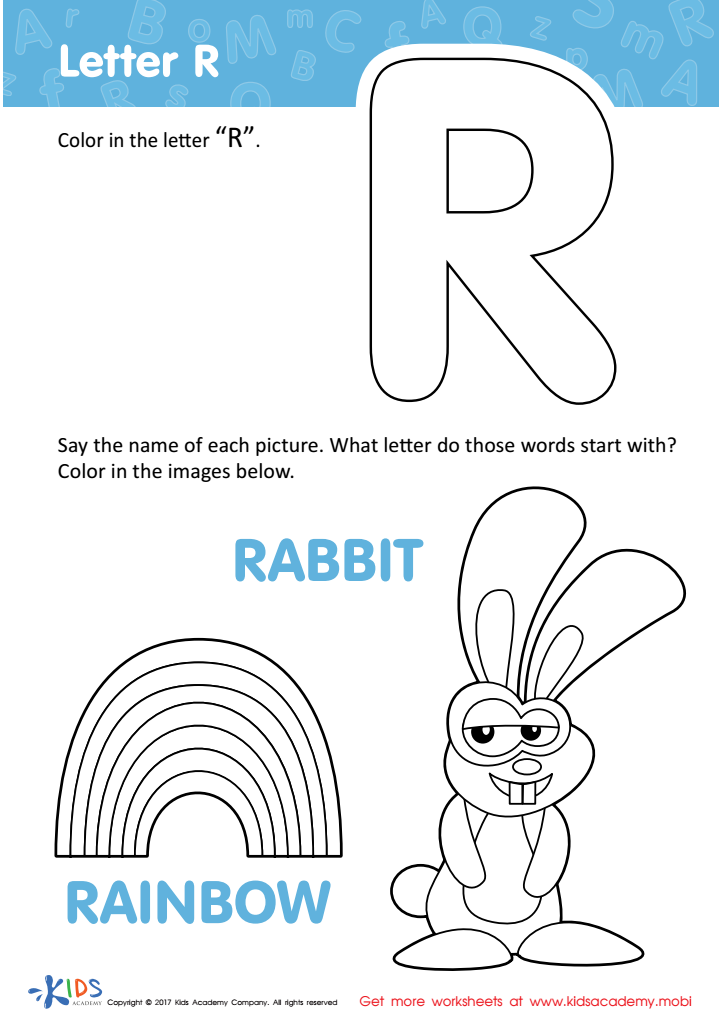
Letter R Coloring Sheet
Assign to My Students
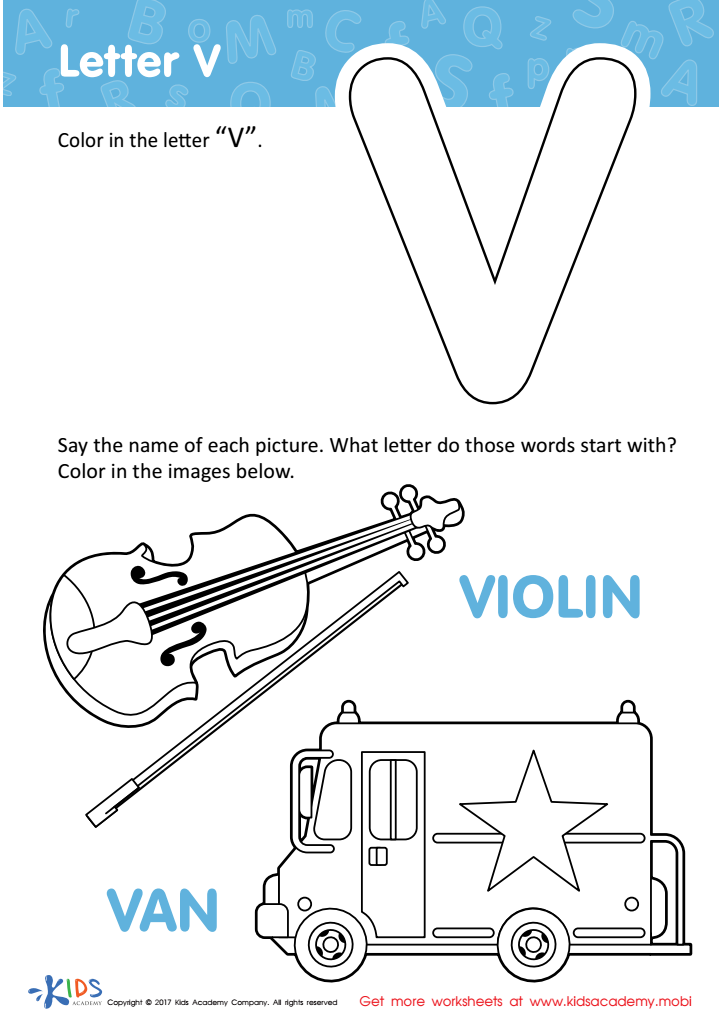
Letter V Coloring Sheet
Assign to My Students
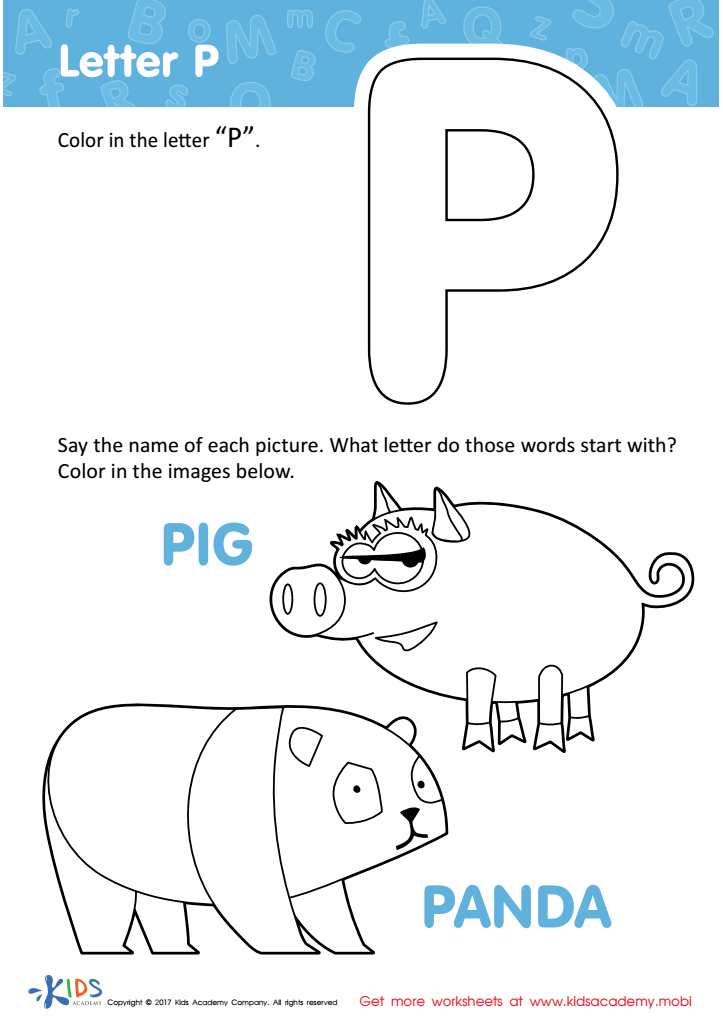
Letter P Coloring Sheet
Assign to My Students
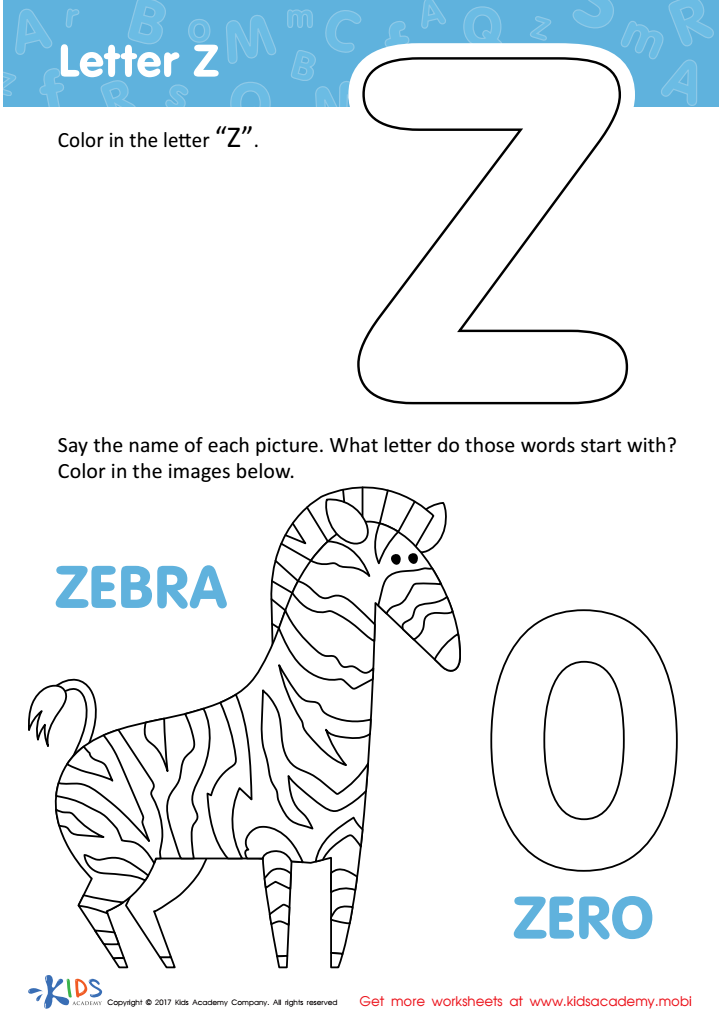
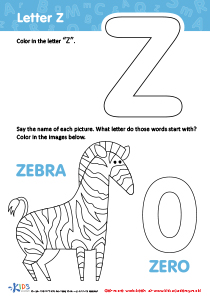
Letter Z Coloring Sheet
Assign to My Students
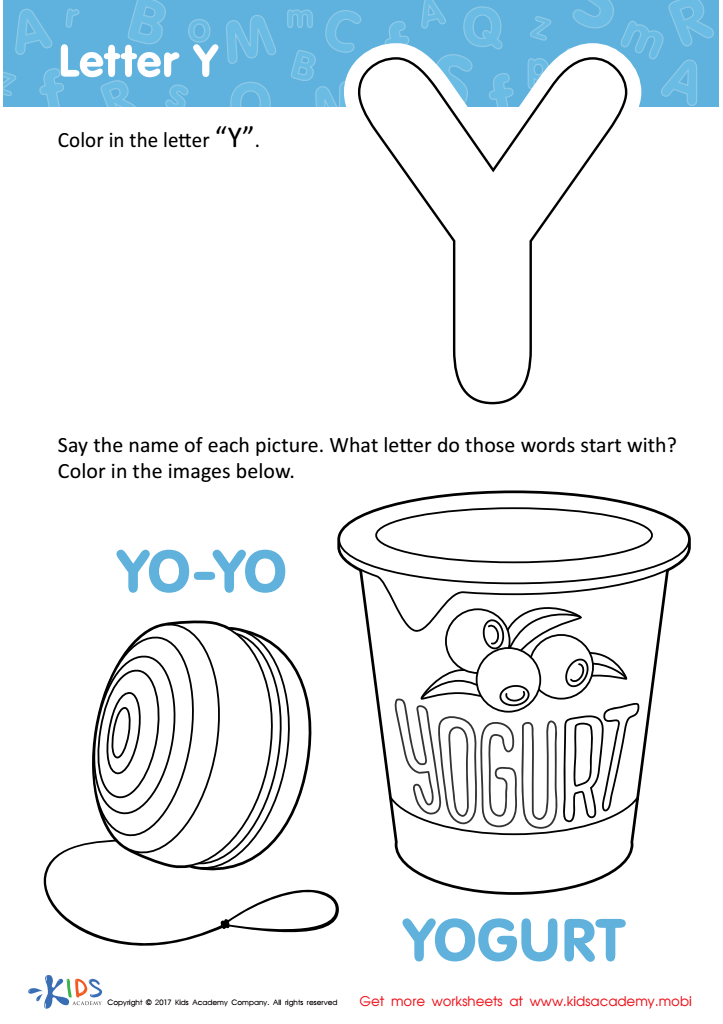
Letter Y Coloring Sheet
Assign to My Students








Fine motor skills, which involve the coordination of tiny muscle movements, particularly those in the hands and fingers, are essential for young learners and can significantly impact educational outcomes. When parents and teachers emphasize the development of fine motor skills with Easy Grade 2 Alphabet activities, they provide a foundational pillar for a host of future academic and practical abilities.
First, learning to write neatly and legibly hinges on well-developed fine motor control. Children who practice forming letters in carefully designed activities will strengthen their hand muscles and improve their coordination, making handwriting a more fluid and less frustrating task. This fine motor strength and dexterity directly contribute to their ability to perform everyday tasks such as tying shoelaces, buttoning clothes, or using scissors.
Secondly, fine motor skills are linked to cognitive development. When children engage in activities that require precision and control, like tracing or copying letters, it enhances their concentration, memory, and problem-solving skills.
Moreover, the iterative process of practicing the Easy Grade 2 Alphabet fosters a sense of achievement and boosts confidence, which in turn can promote a positive attitude towards learning. Thus, parents and teachers who prioritize these activities not only aid in the physical development of their children but also in their cognitive and emotional growth, setting them up for future success in both academics and beyond.