Letter formation English for Beginners Worksheets
4 filtered results
-
From - To
Discover our "Letter Formation English for Beginners Worksheets," designed to nurture young learners in mastering the foundations of handwriting. These engaging worksheets help children develop essential letter recognition and writing skills through fun activities and exercises. Each worksheet focuses on correct letter formation, aiding beginners in learning uppercase and lowercase letters. Perfect for ESL students, our resources promote creativity and confidence, making learning enjoyable. Whether at home or in the classroom, these printable worksheets are an excellent tool for early literacy development. Start your journey toward clear and legible handwriting today with our comprehensive and accessible letter formation worksheets!

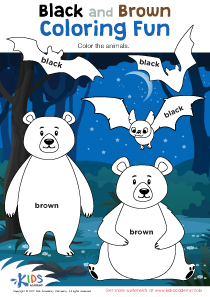
Letter A Tracing Page
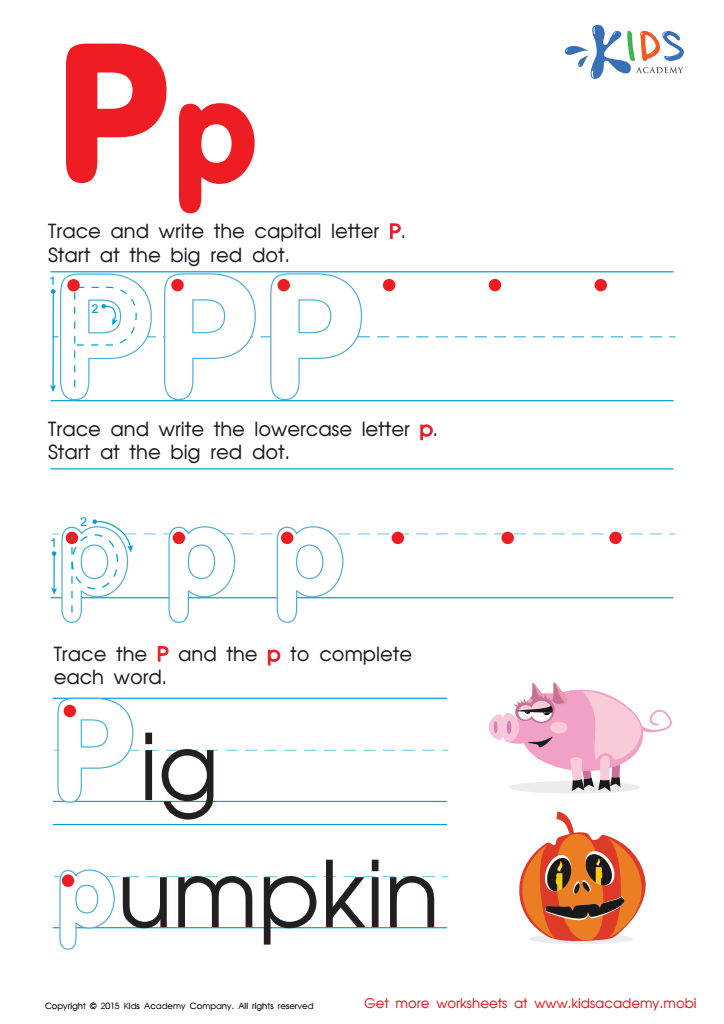
Letter P Tracing Page
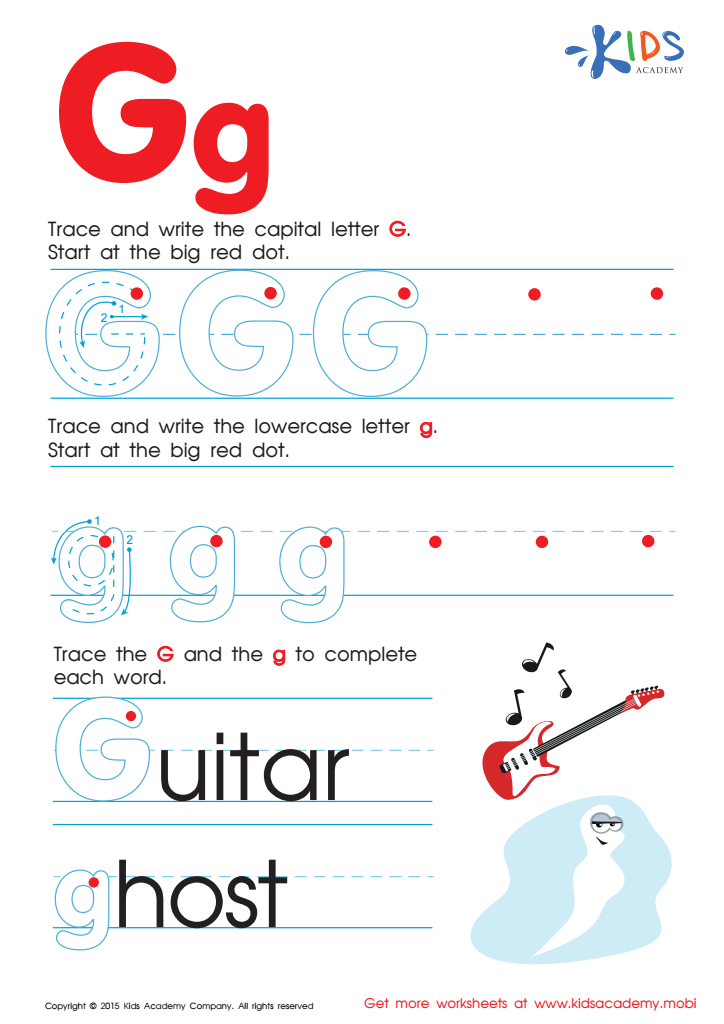
Letter G Tracing Page
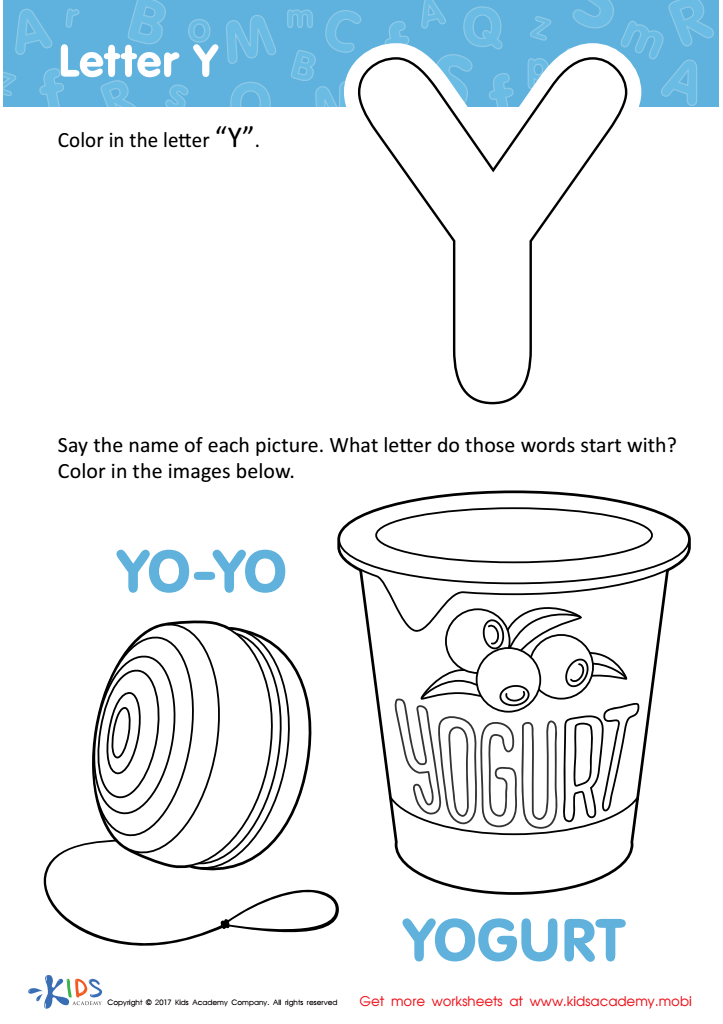
Letter Y Coloring Sheet
 Assign to My Students




Letter formation is a fundamental skill in early literacy development, and both parents and teachers should prioritize it for several reasons. Firstly, proper letter formation promotes legibility. When children learn to write letters correctly, their handwriting becomes clearer, helping others to read their writing easily. This is essential for effective communication and boosts the child’s confidence as they share their thoughts and ideas.
Secondly, letter formation is closely linked to fine motor skills development. Learning how to hold a pencil and manipulate it to create letters strengthens hand-eye coordination and dexterity. These skills are crucial not just for writing, but for various everyday tasks.
Additionally, mastering letter formation lays the groundwork for spelling and reading. Children who practice forming letters structure their understanding of phonics and the connection between sounds and symbols, facilitating better literacy skills over time.
Finally, fostering good letter formation habits can prevent frustration and reluctance toward writing as children progress through their education. Supporting children in this area creates a positive and successful learning experience, motivating them to engage more deeply with language and literacy activities. Therefore, both parents and teachers play a vital role in encouraging effective letter formation from an early age.