Letter recognition Grade 1 Alphabet Worksheets
41 filtered results
-
From - To
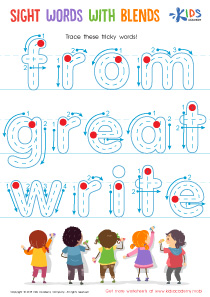
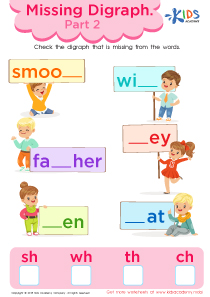
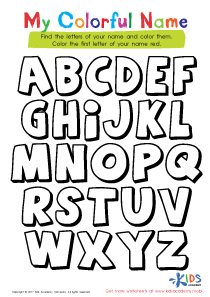
Enhance your Grade 1 classroom with our engaging letter recognition worksheets! Designed specifically for young learners, these alphabetical activities promote early literacy skills while making learning fun. Each worksheet focuses on different letters and incorporates various exercises such as tracing, matching, and identifying uppercase and lowercase letters. Our beautifully designed printables capture children's attention and encourage them to explore the alphabet creatively. Perfect for in-class use or at-home practice, these worksheets are a fantastic tool to boost confidence and build foundational reading skills. Help your first graders thrive in their literacy journey with our comprehensive letter recognition resources!
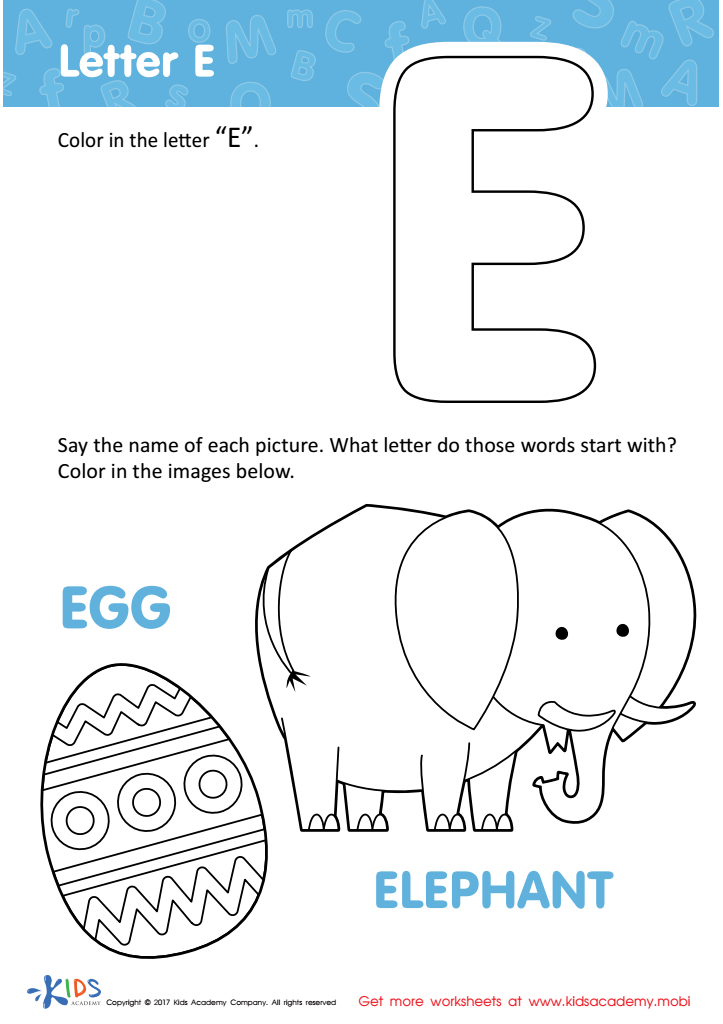
Letter E Coloring Sheet
 Assign to My Students
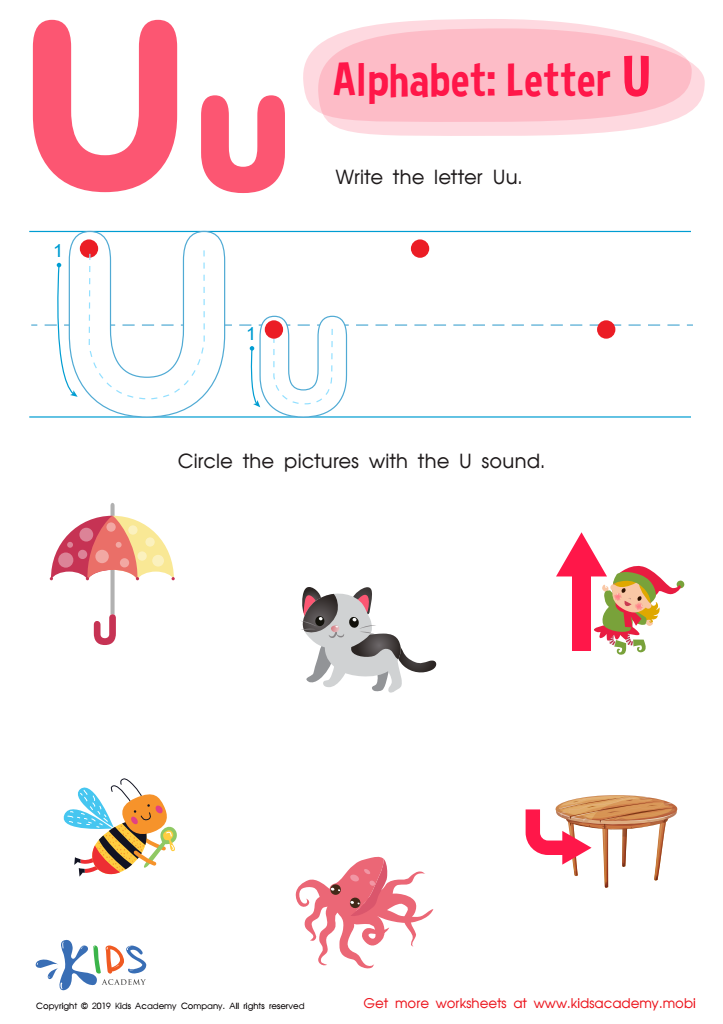
Letter U Tracing Worksheet
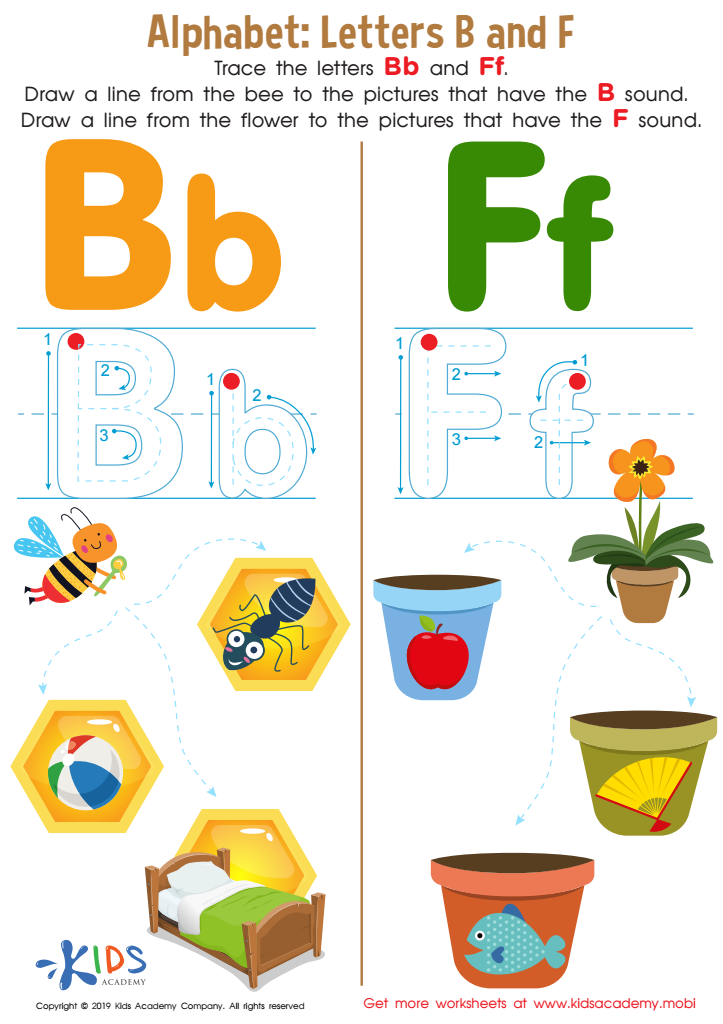
Letters B and F Tracing Worksheet
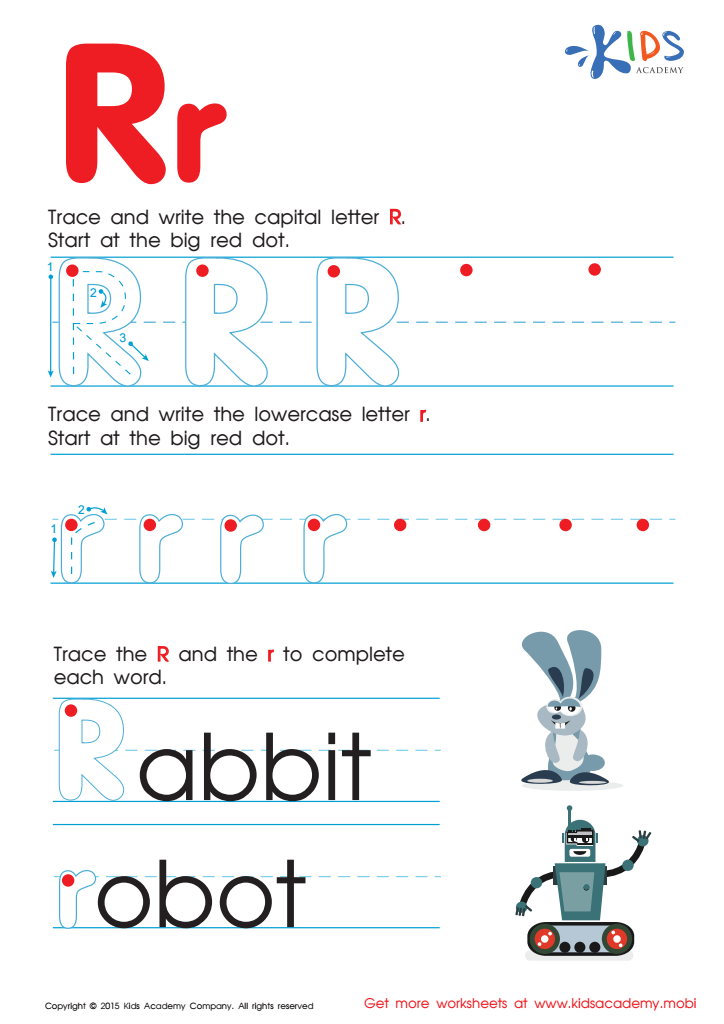
Letter R Tracing Page
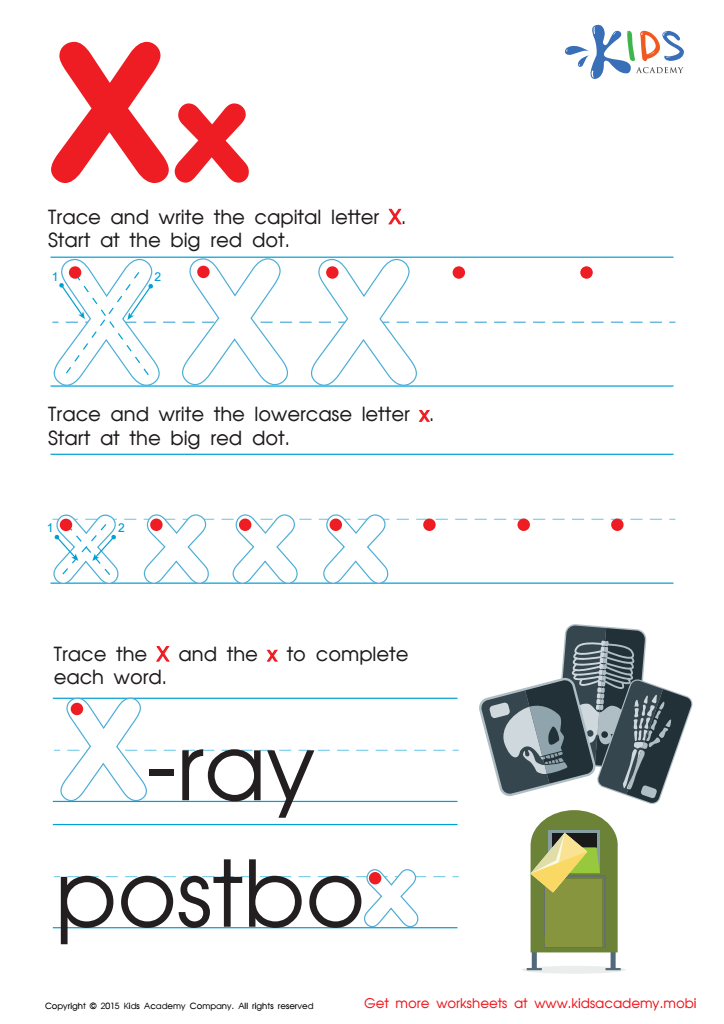
Letter X Tracing Page
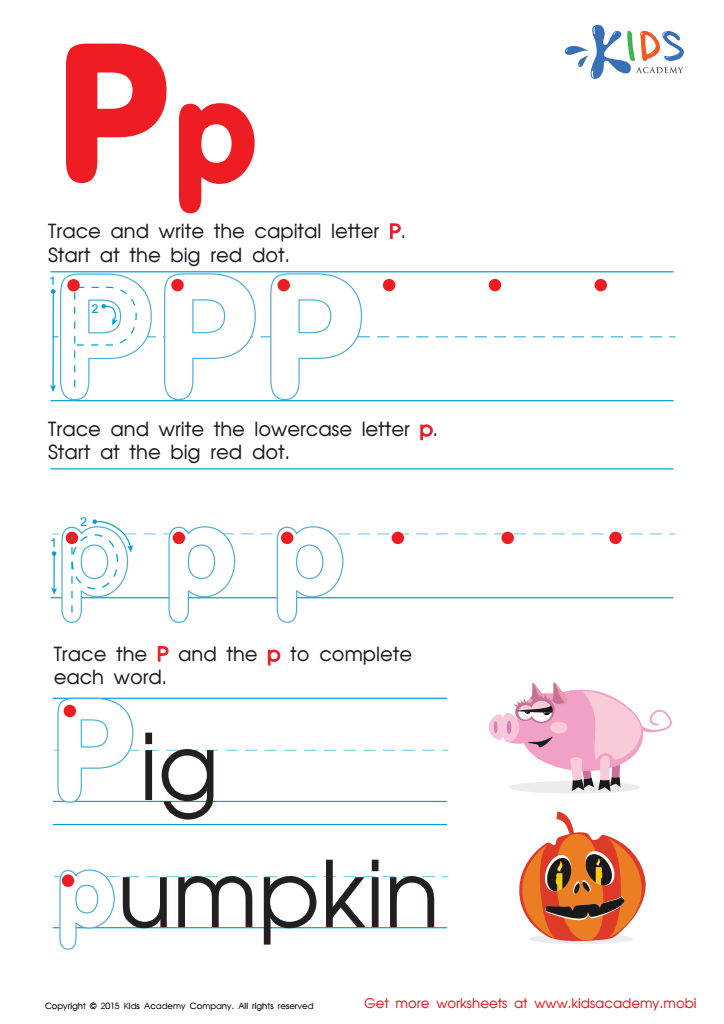
Letter P Tracing Page
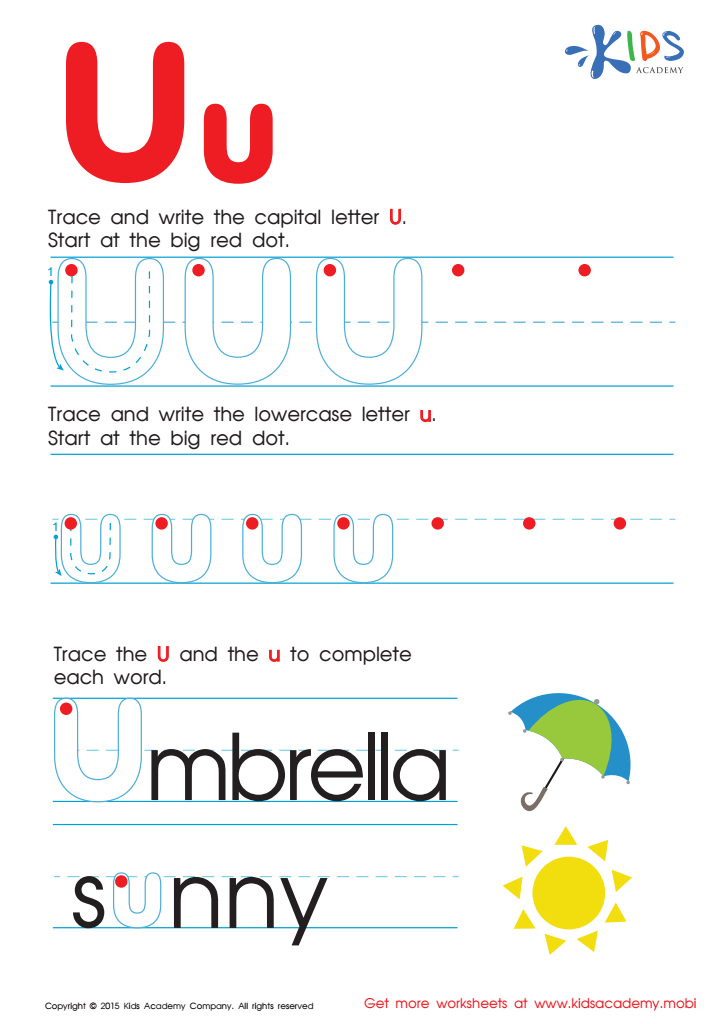
Letter U Tracing Page
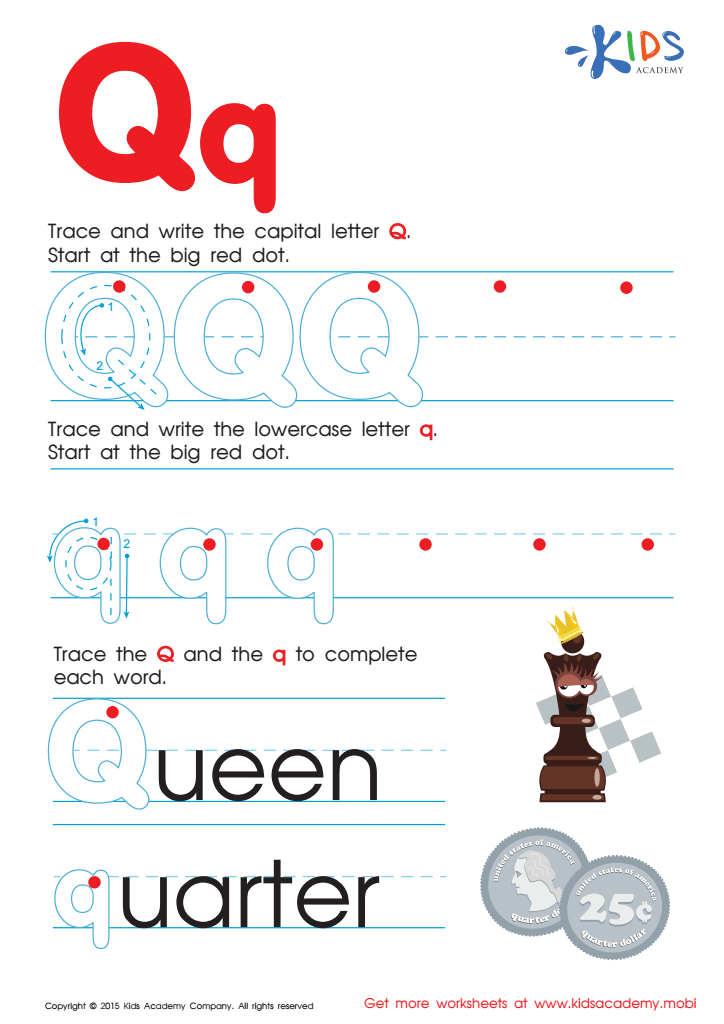
Letter Q Tracing Page
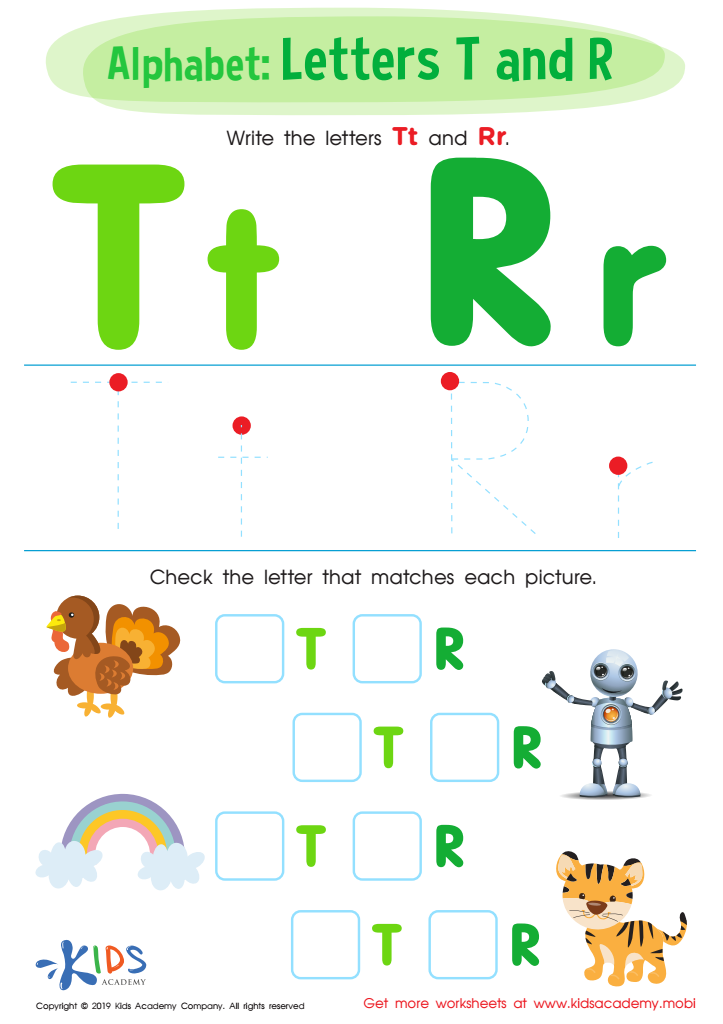
Letters T and R Worksheet
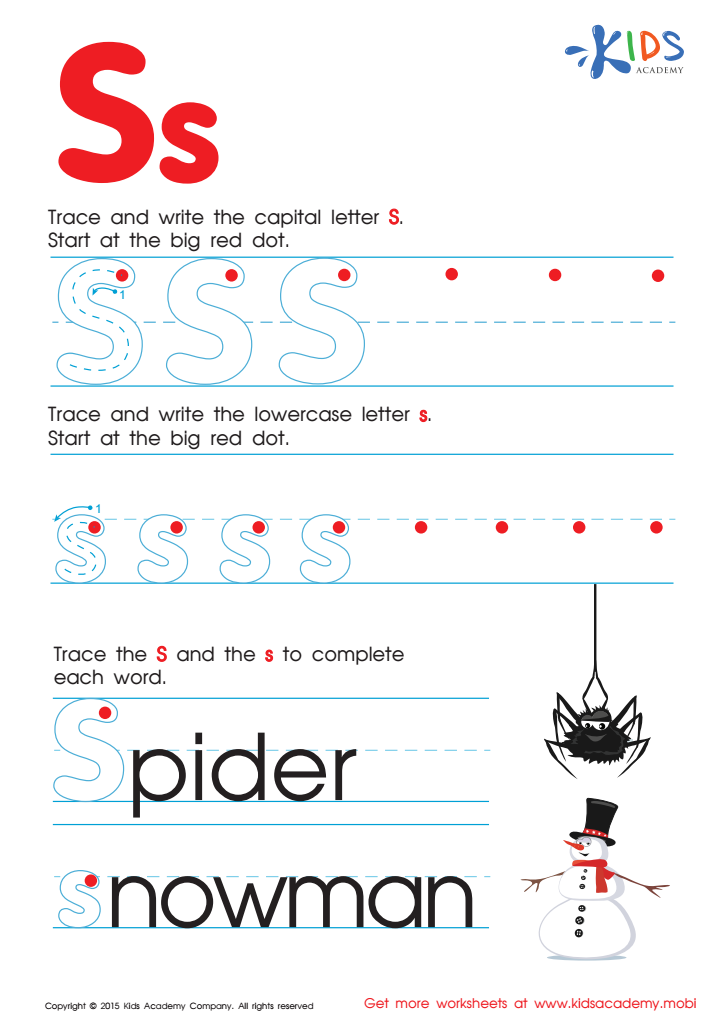
Letter S Tracing Page
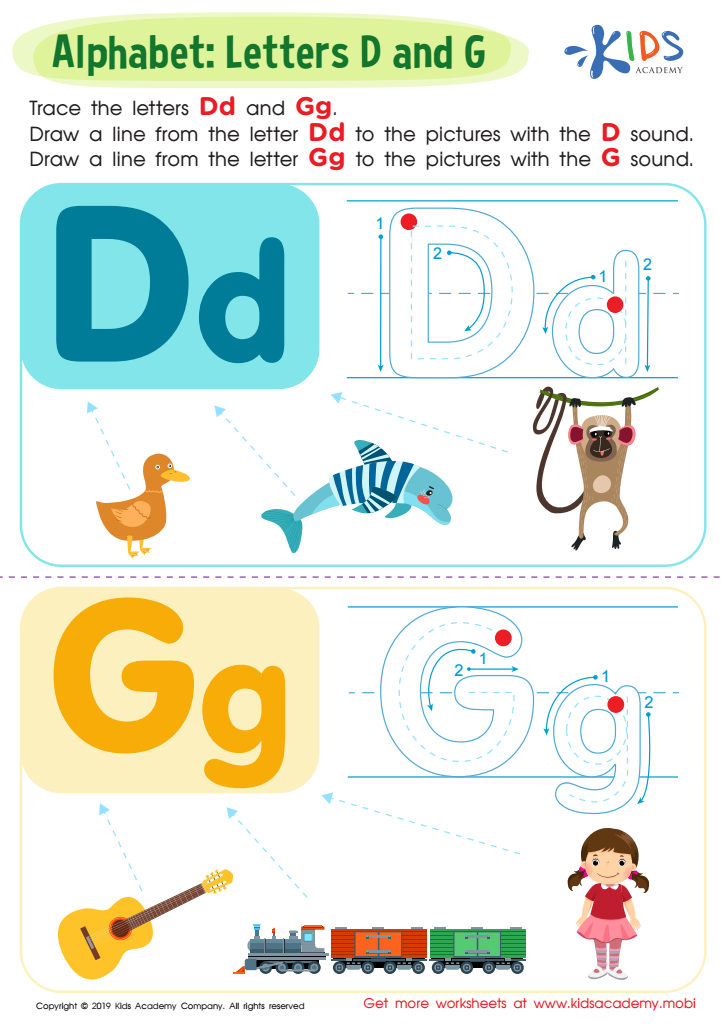
Letter D and G Tracing Worksheet
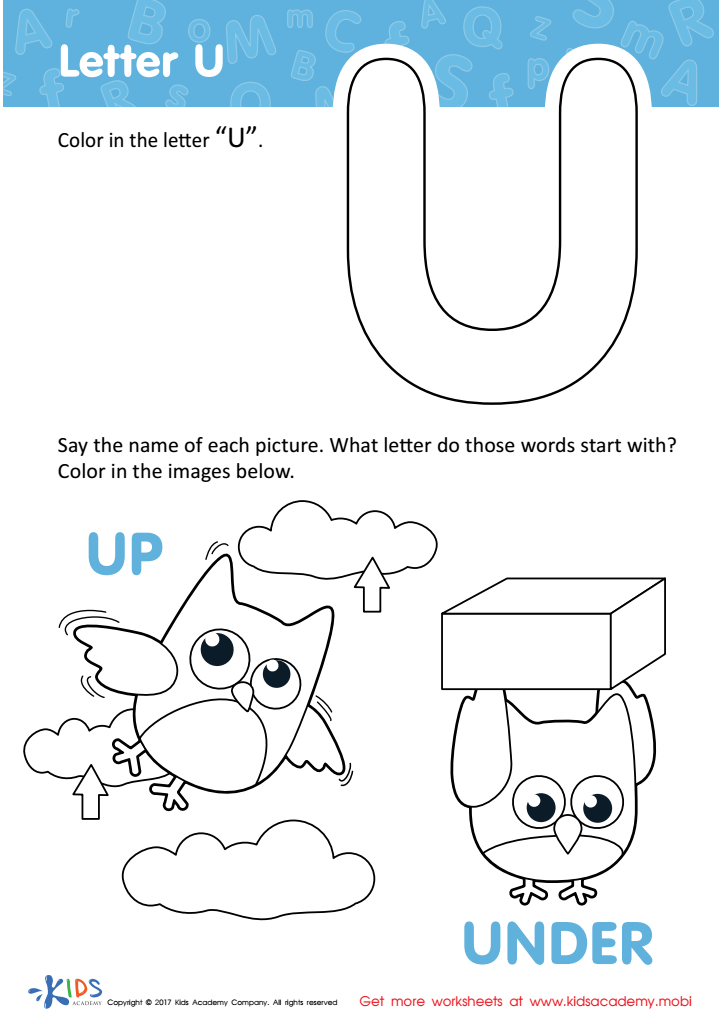
Letter U Coloring Sheet
Assign to My Students
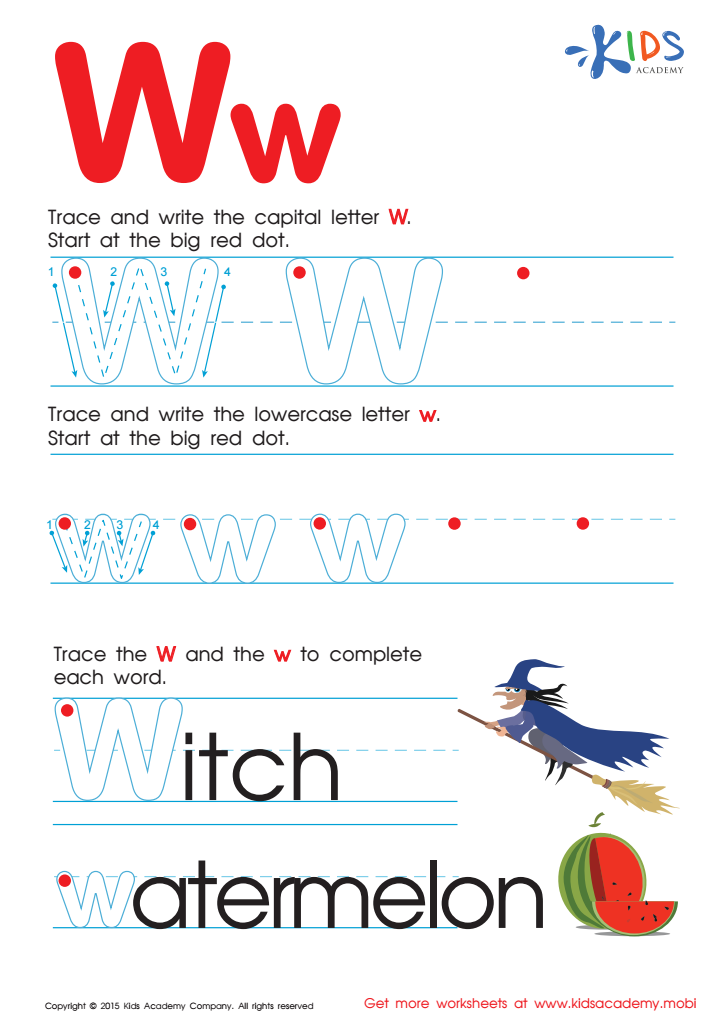
Letter W Tracing Page

Letter H Tracing Page
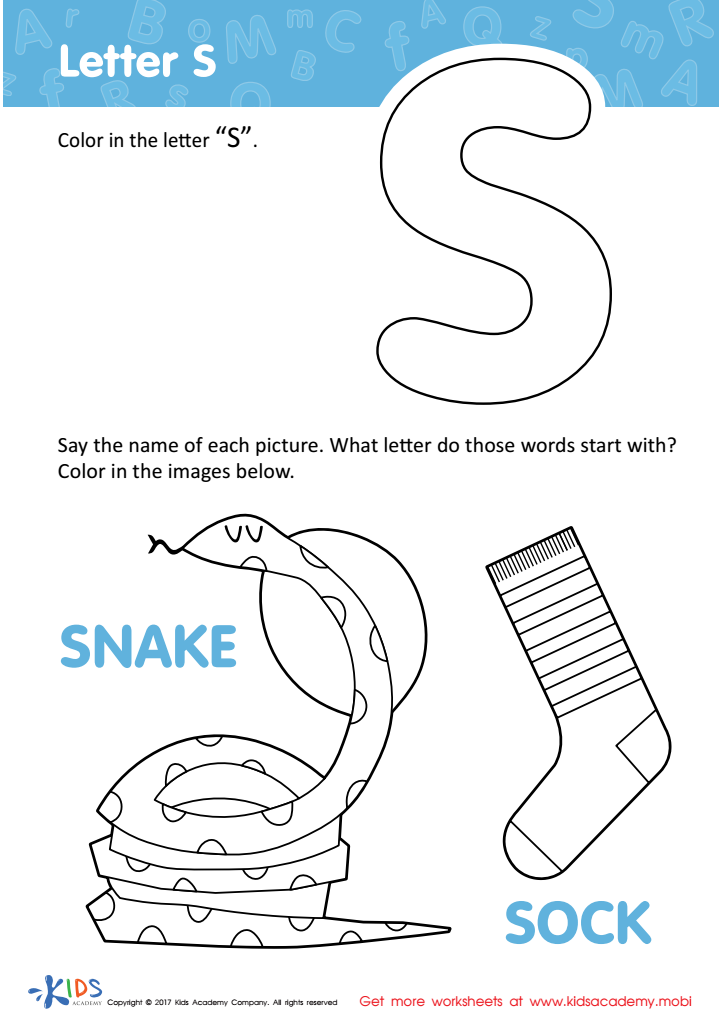
Letter S Coloring Sheet
Assign to My Students
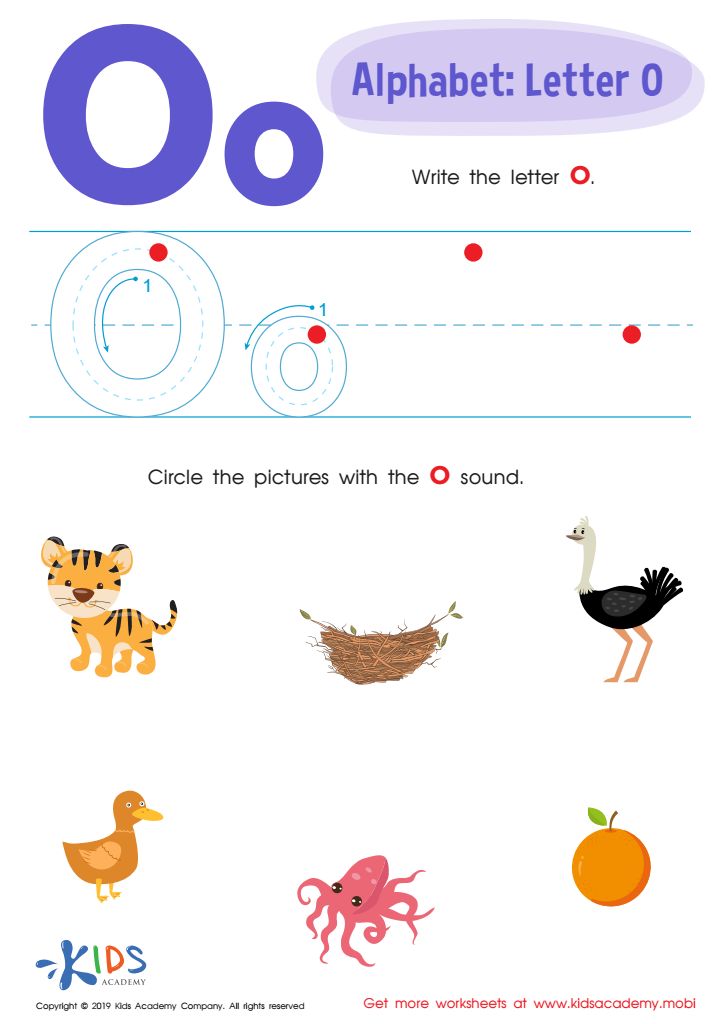
Letter O Tracing Worksheet
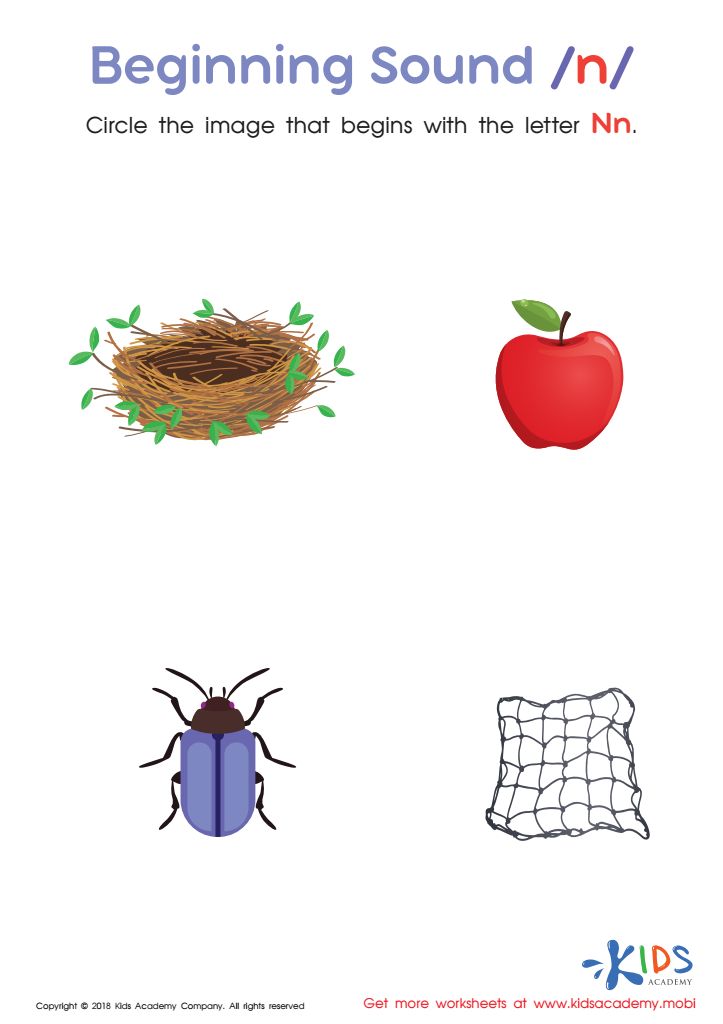
Beginning Sound «n» Worksheet

Letter G Tracing Page
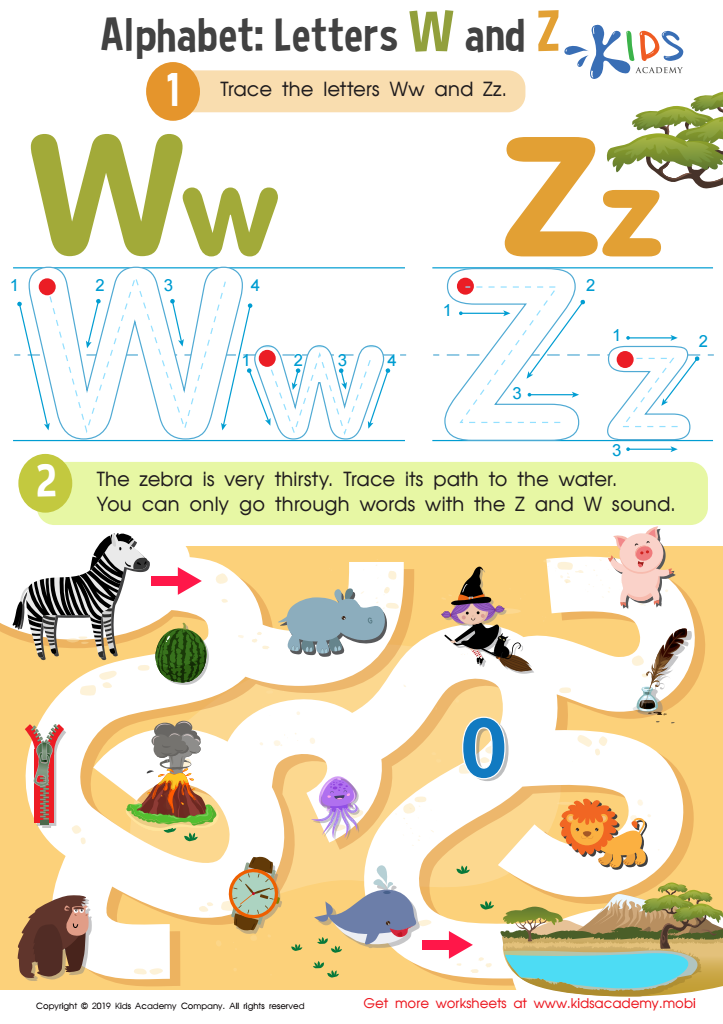
Letters W and Z Tracing Worksheet
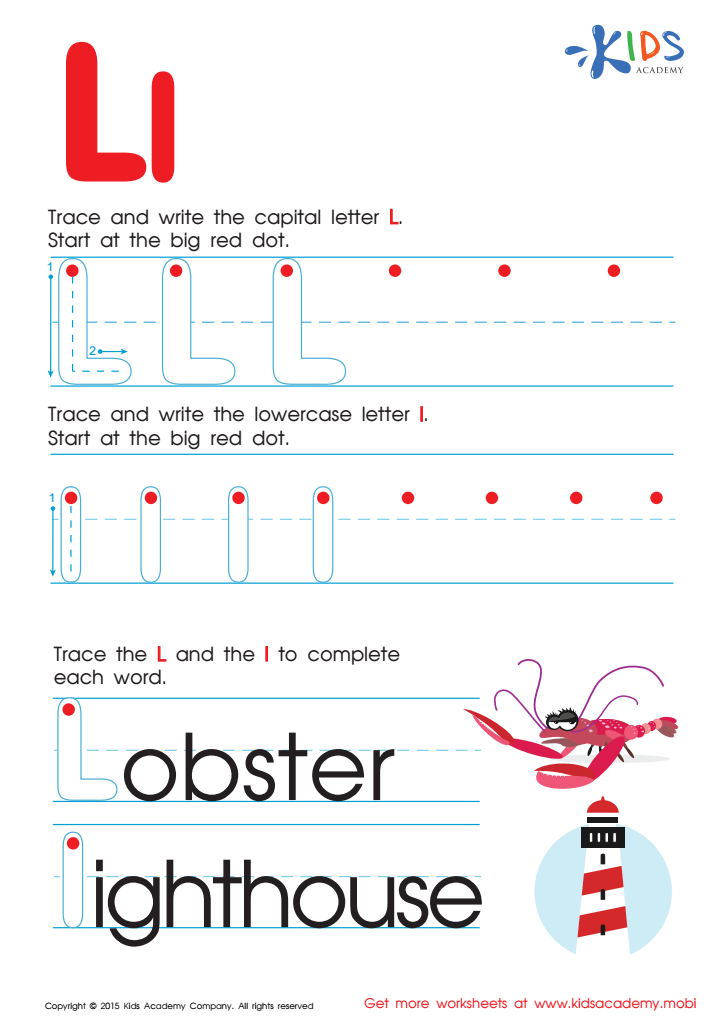
Letter L Tracing Page
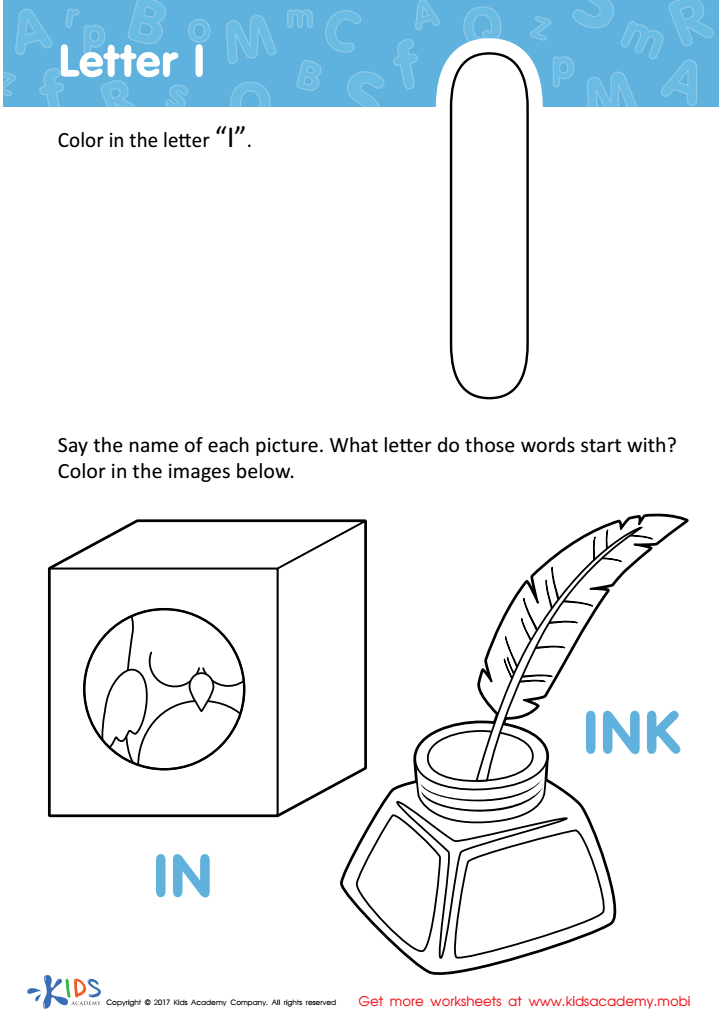
Letter I Coloring Sheet
Assign to My Students
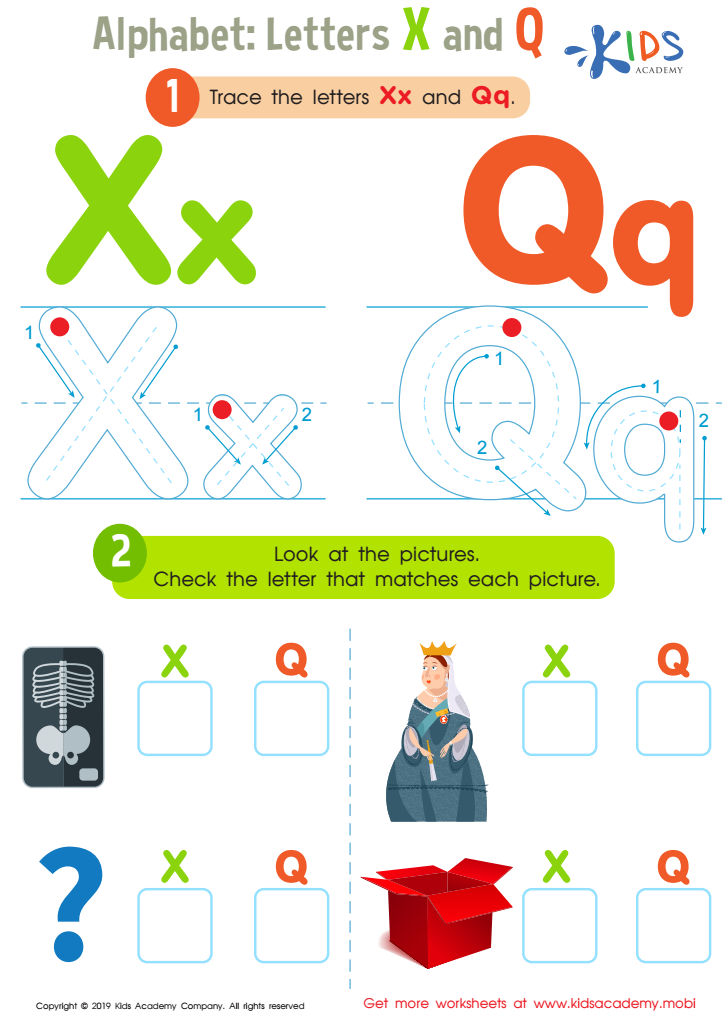
Letters X and Q Tracing Worksheet
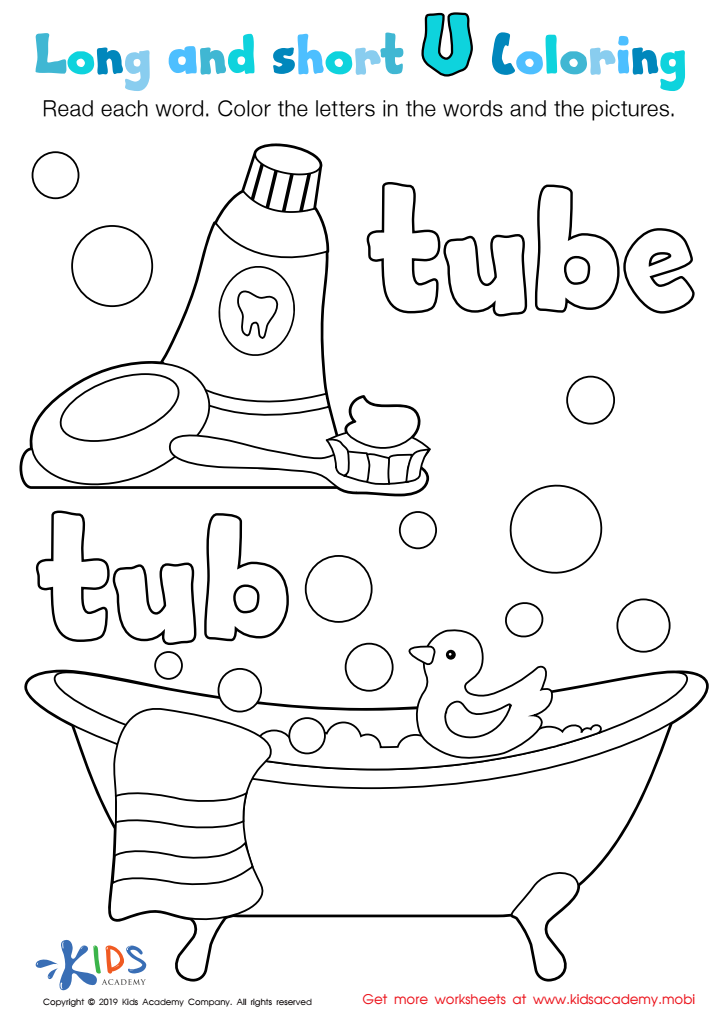
Long and Short U Worksheet
Assign to My Students
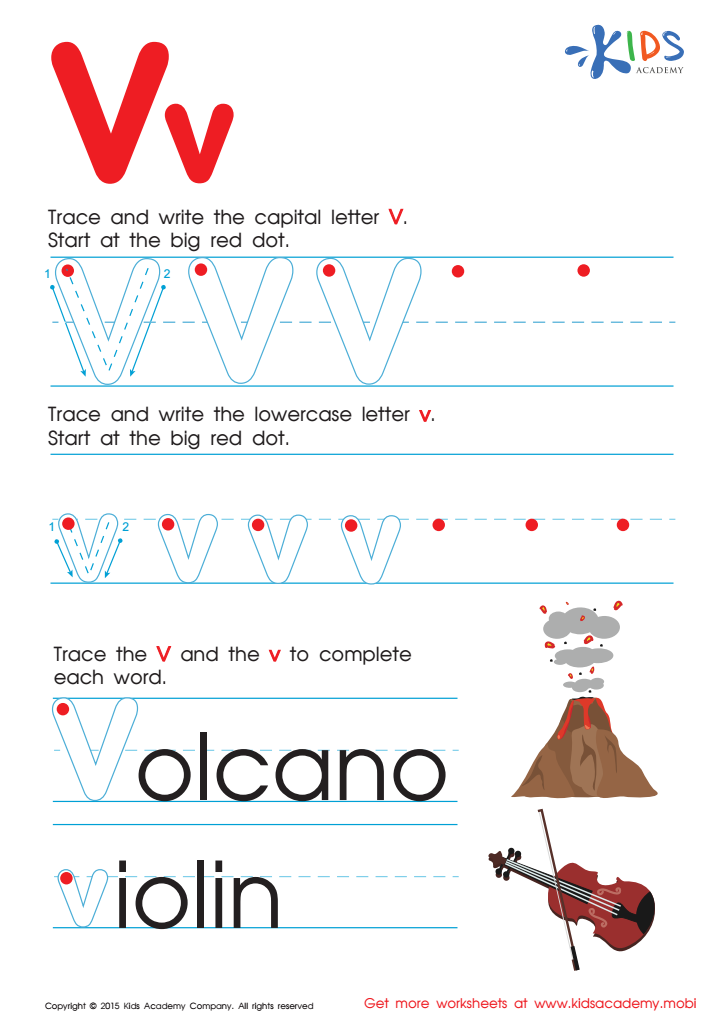
Letter V Tracing Page








Letter recognition is a foundational skill in early literacy that significantly impacts a child's reading and writing development. For first graders, recognizing both uppercase and lowercase letters is crucial, as it enables them to decode words and understand the relationship between sounds and letters. By fostering letter recognition, parents and teachers can help children build phonemic awareness—an essential precursor to reading proficiency.
When children can quickly identify letters, they gain the confidence to tackle reading assignments and engage with texts. This early success contributes to a positive attitude towards literacy. Furthermore, letter recognition helps boost vocabulary acquisition and writing skills, as children start to make connections between words, sounds, and their meanings.
Additionally, letter recognition activities can be enjoyable and interactive, allowing for playful learning experiences that strengthen the bond between parents and children or teachers and students. By investing time in letter recognition, caregivers promote not only academic success but also instill a love of reading. Overall, emphasizing this critical area in Grade 1 can set children on a path of lifelong literacy skills, ultimately enhancing their learning journey and personal development.