Handwriting practice Grade 1 English for Beginners Worksheets - Page 2
43 filtered results
-
From - To
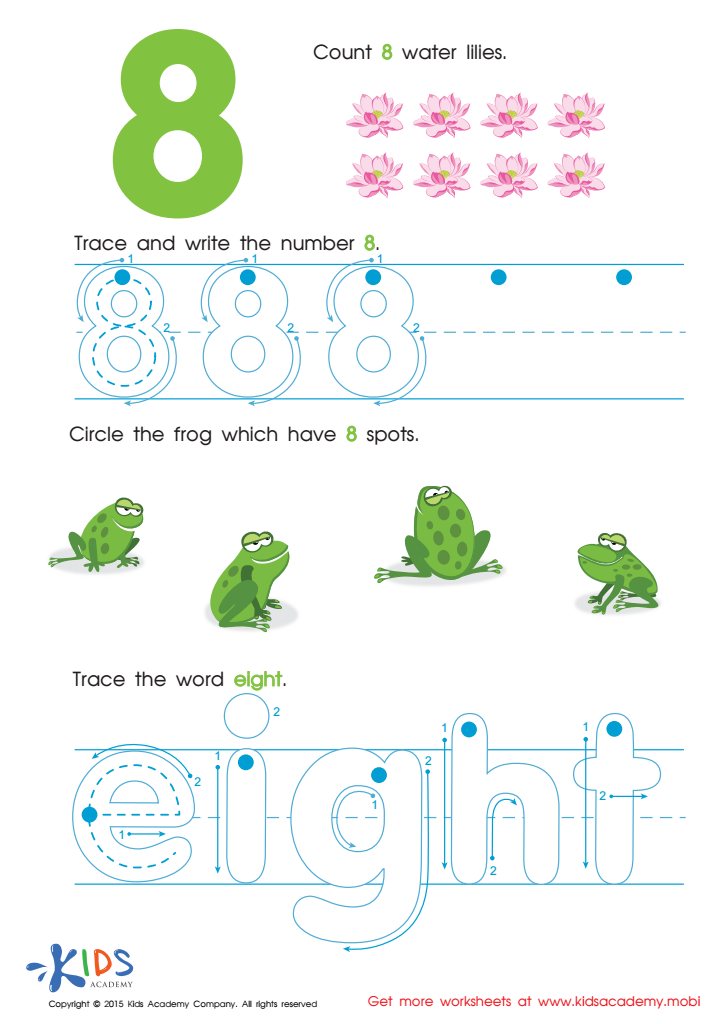
Learn Number 8 Easily Worksheet
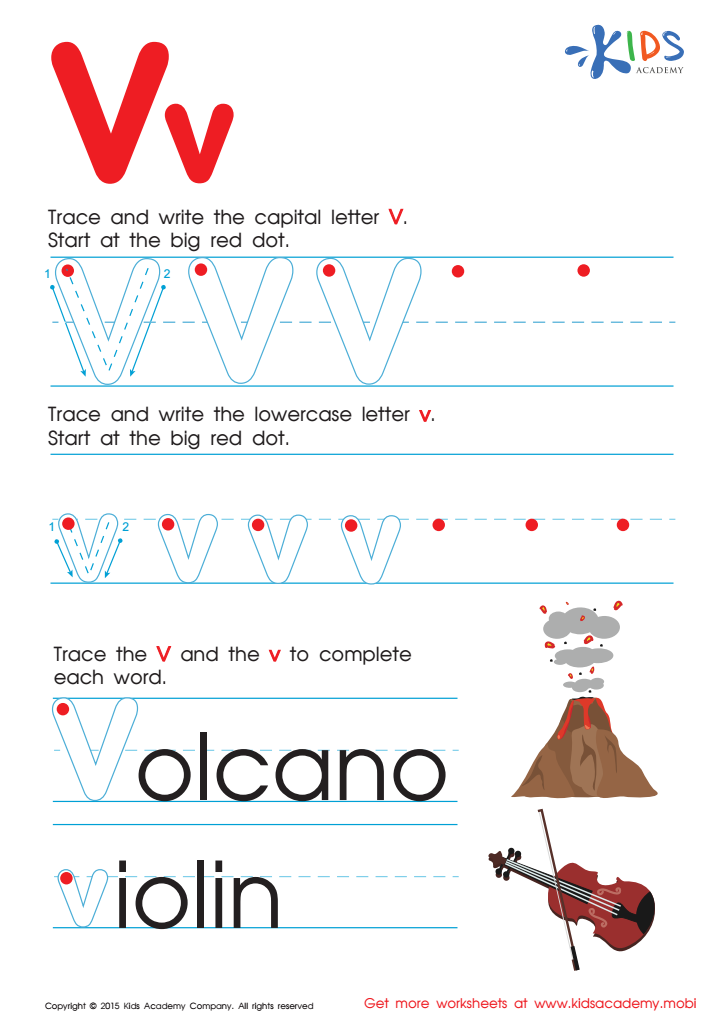
Letter V Tracing Page
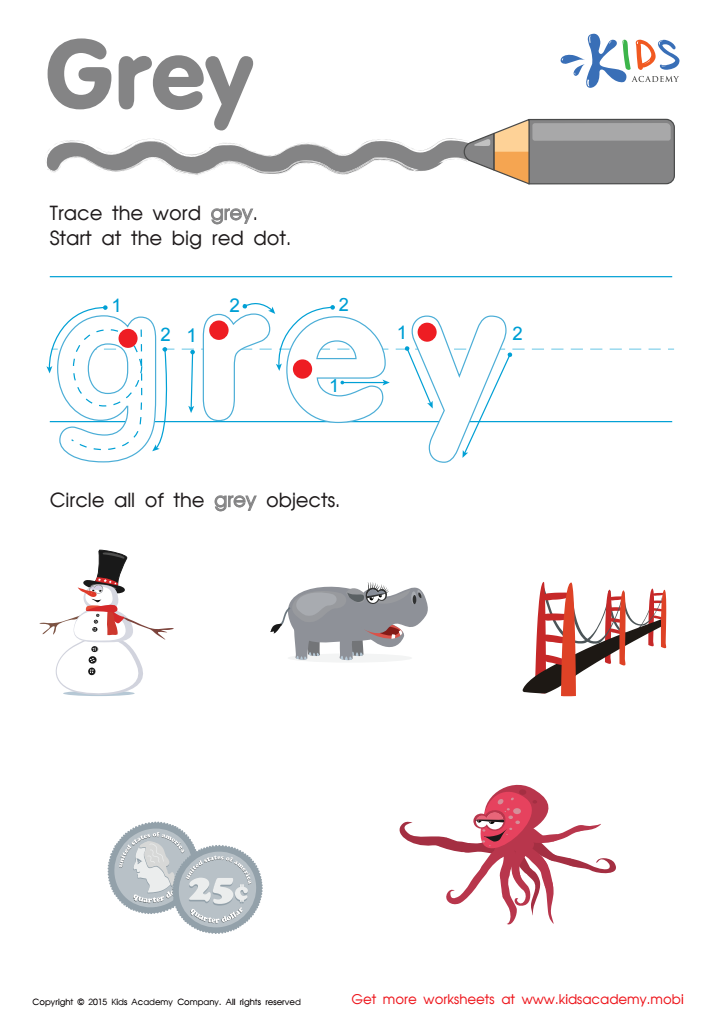
Grey Tracing Color Words Worksheet
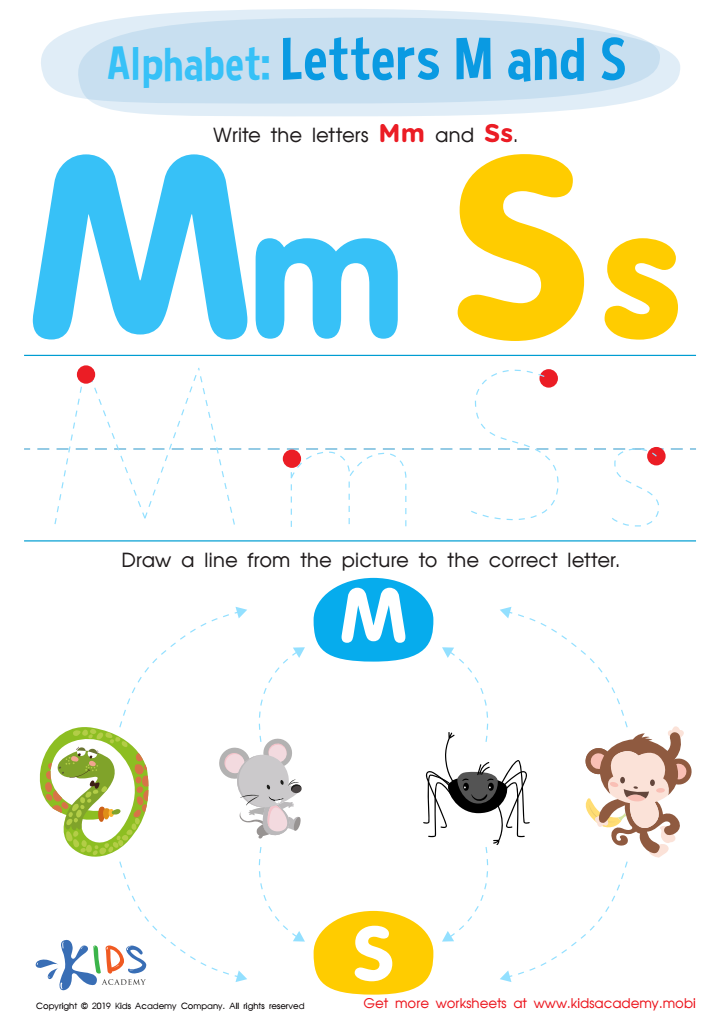
Letters M and S Tracing Worksheet
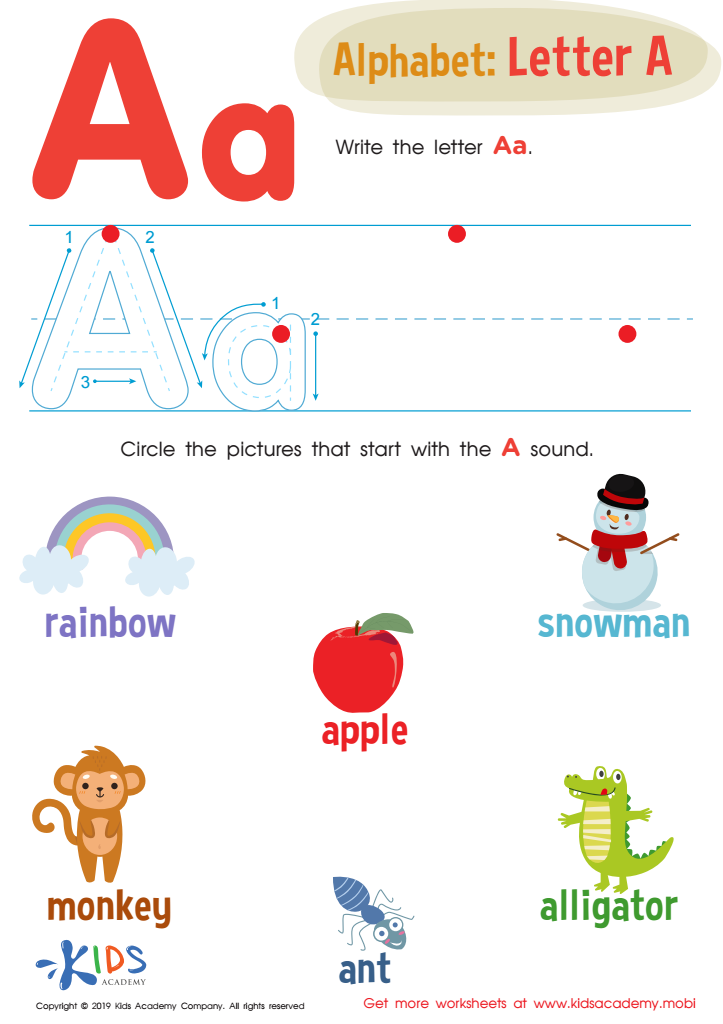
Letter A Tracing Worksheet
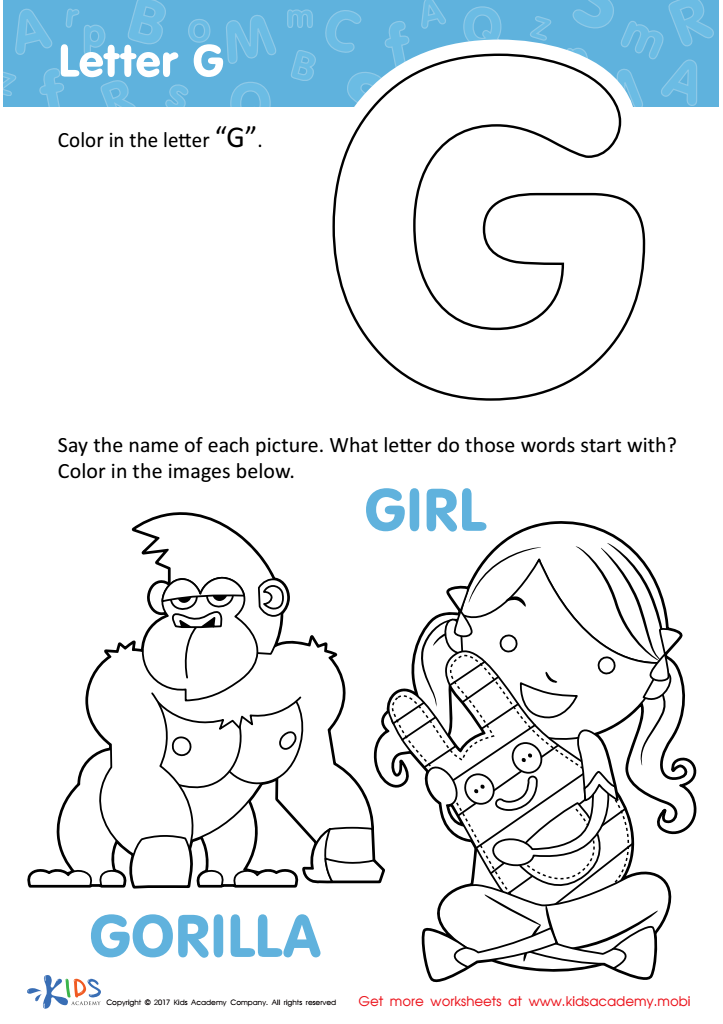
Letter G Coloring Sheet
 Assign to My Students
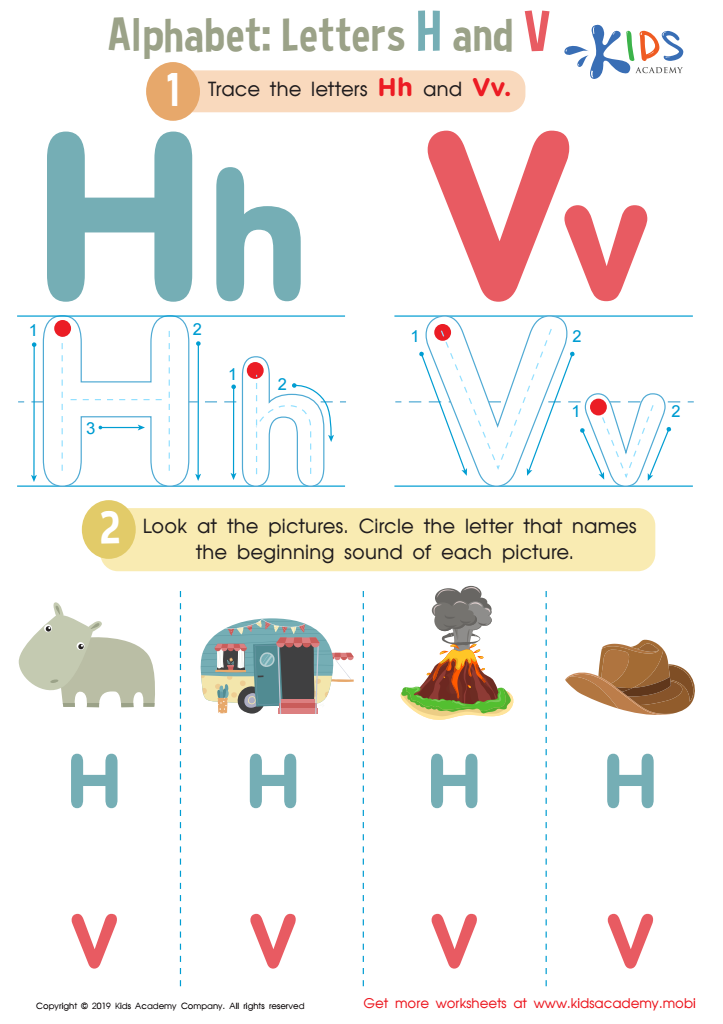
Letters H and V Tracing Worksheet
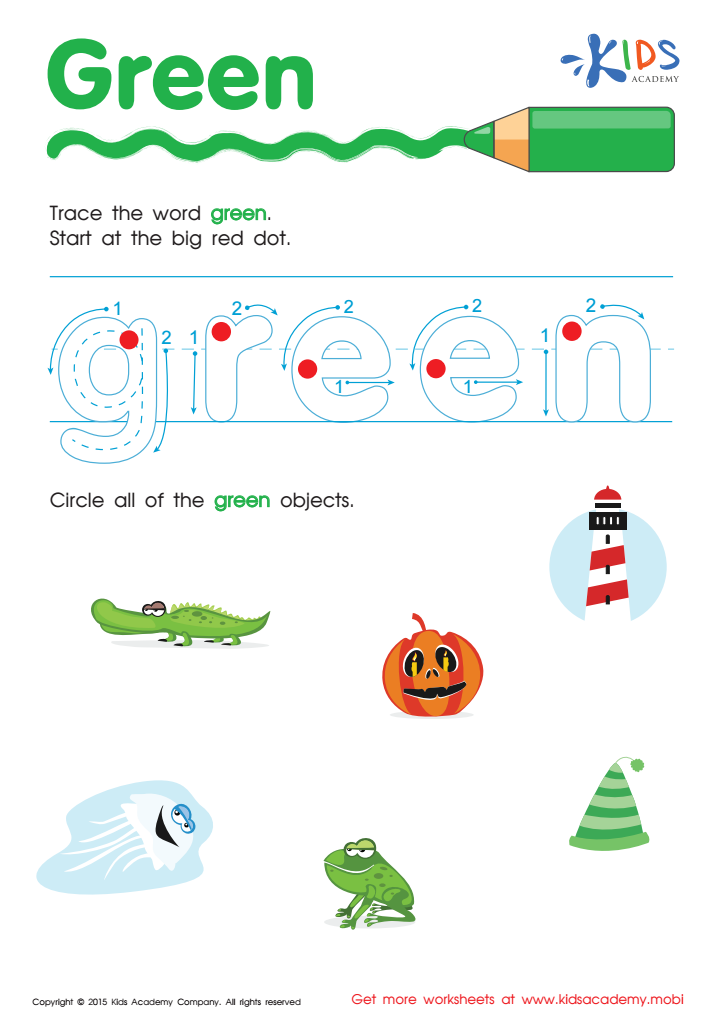
Green Tracing Color Words Worksheet
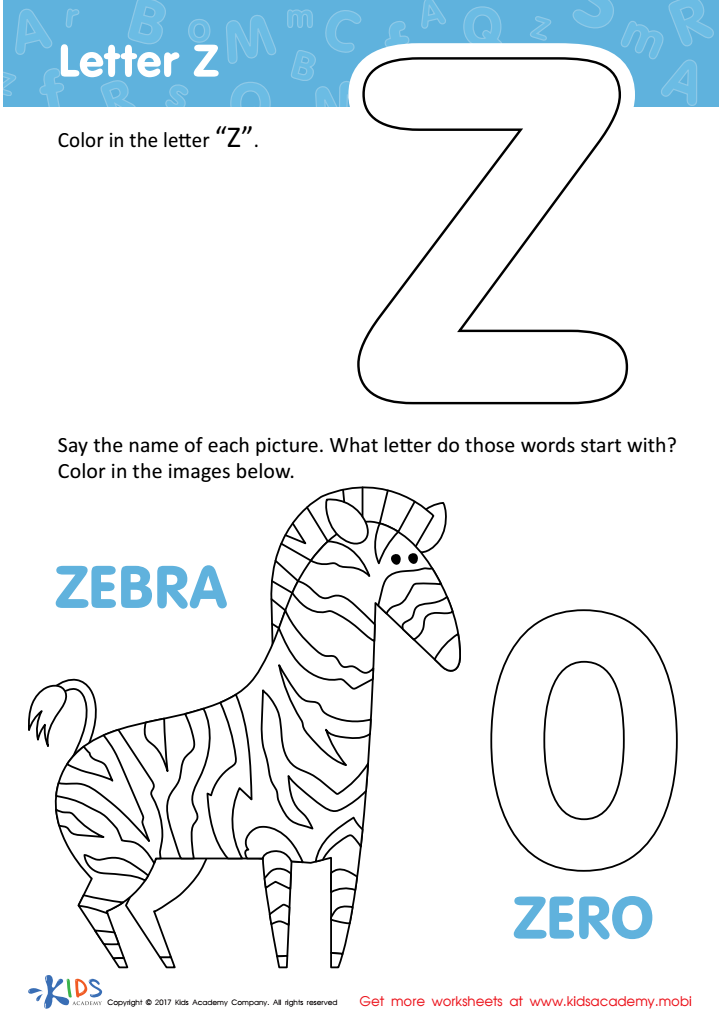
Letter Z Coloring Sheet
Assign to My Students
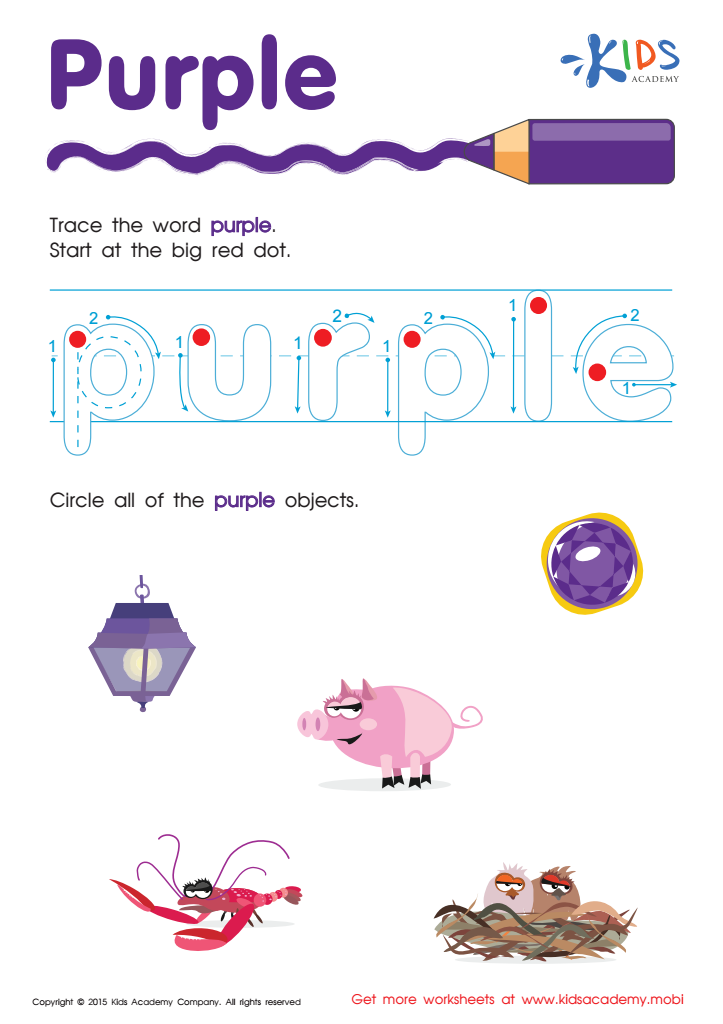
Purple Tracing Color Words Worksheet
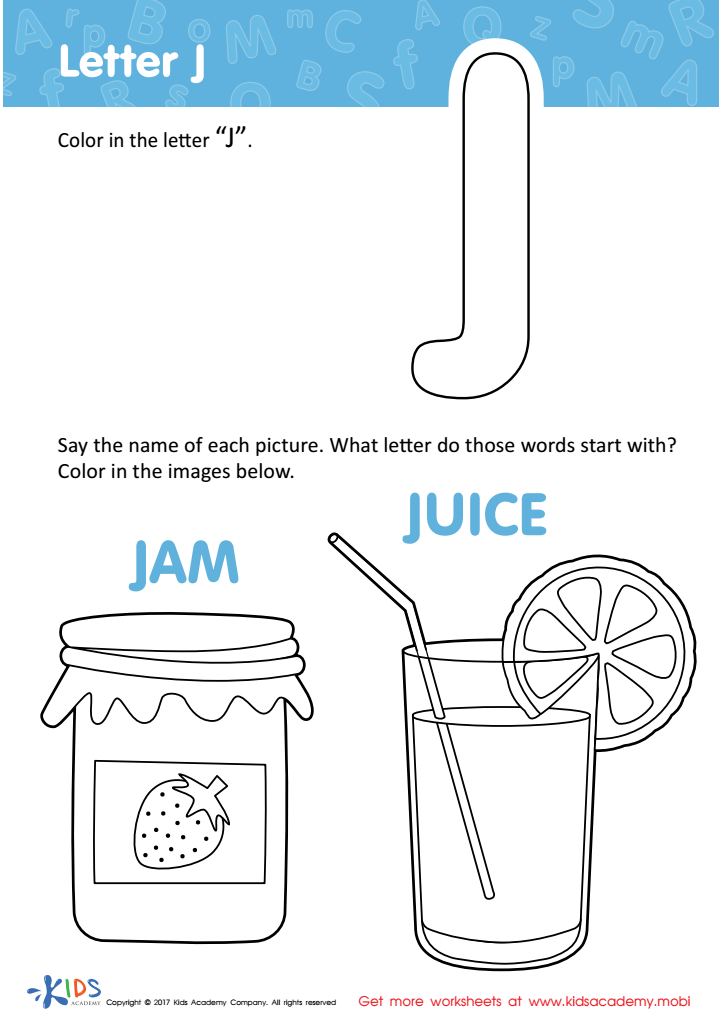
Letter J Coloring Sheet
Assign to My Students
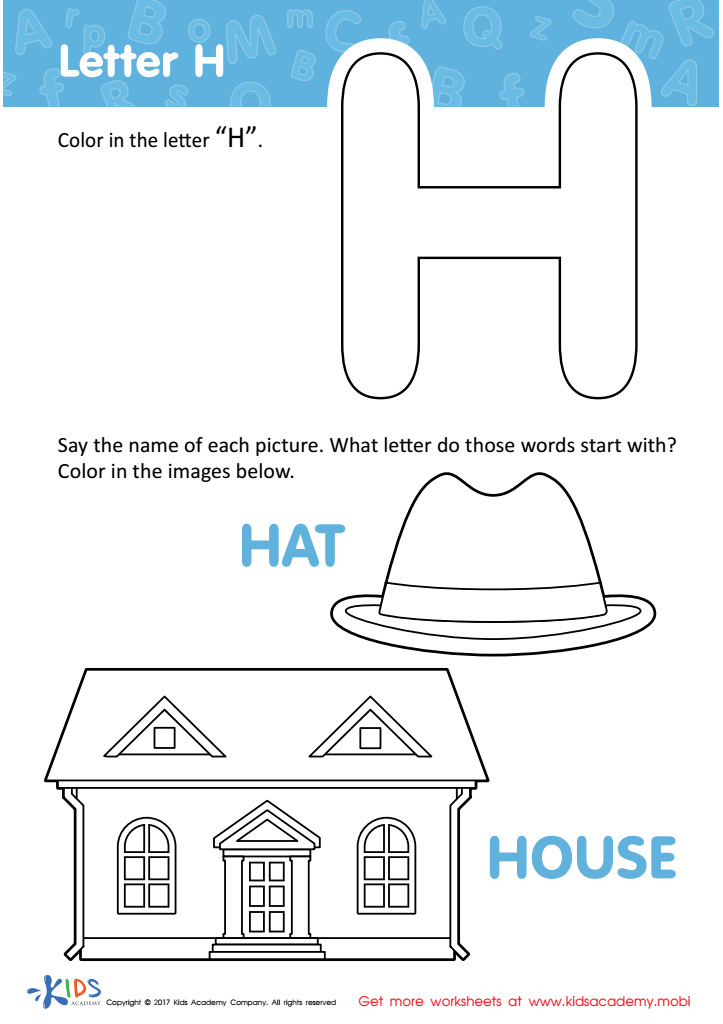
Letter H Coloring Sheet
Assign to My Students
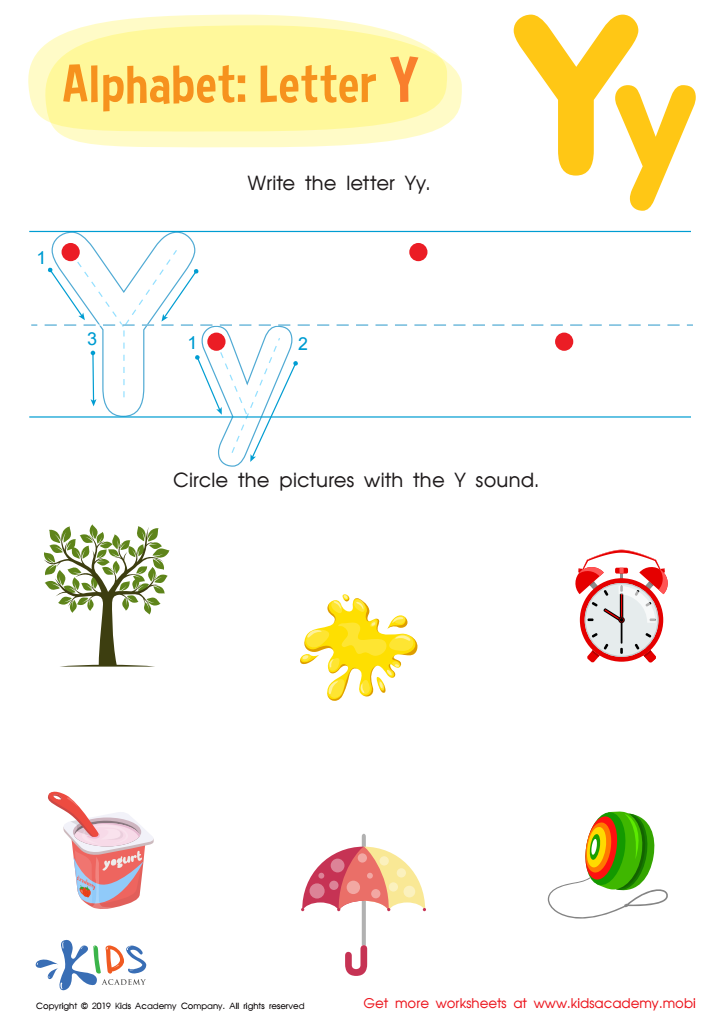
Letter Y Tracing Worksheet
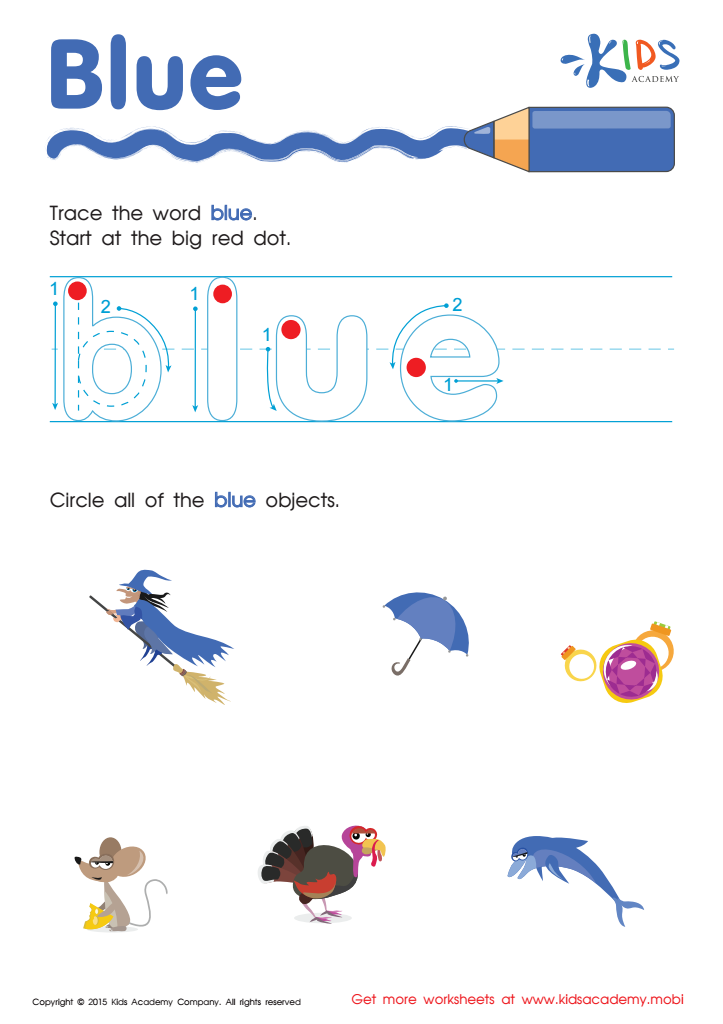
Blue Tracing Color Words Printable
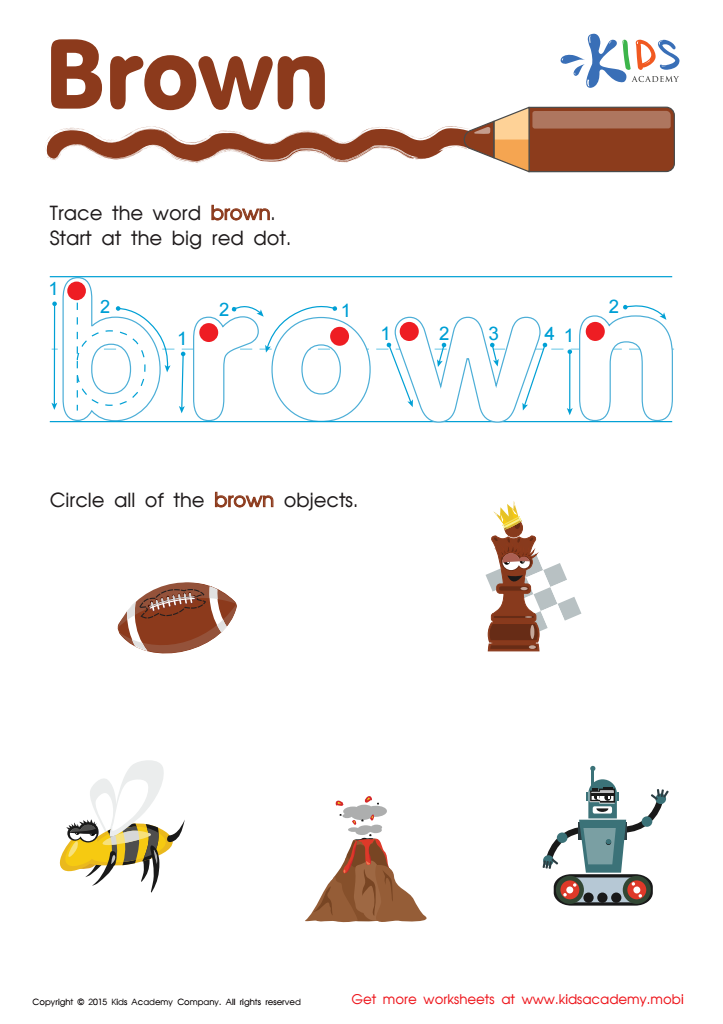
Brown Tracing Color Words Worksheet
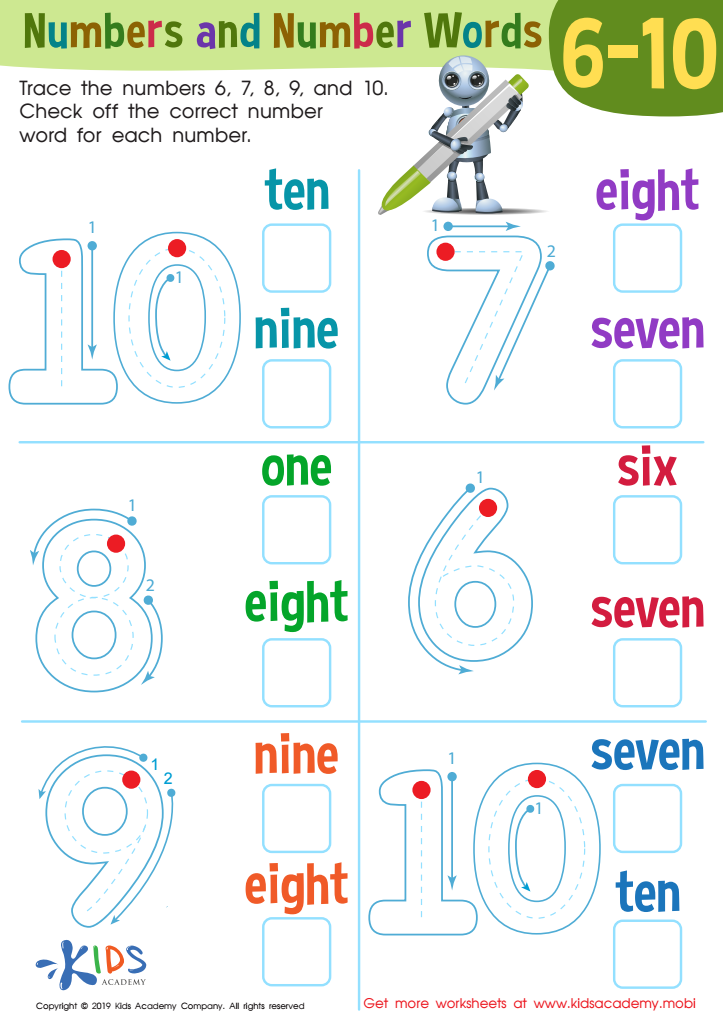
Numbers and Number Words 6–1 Worksheet
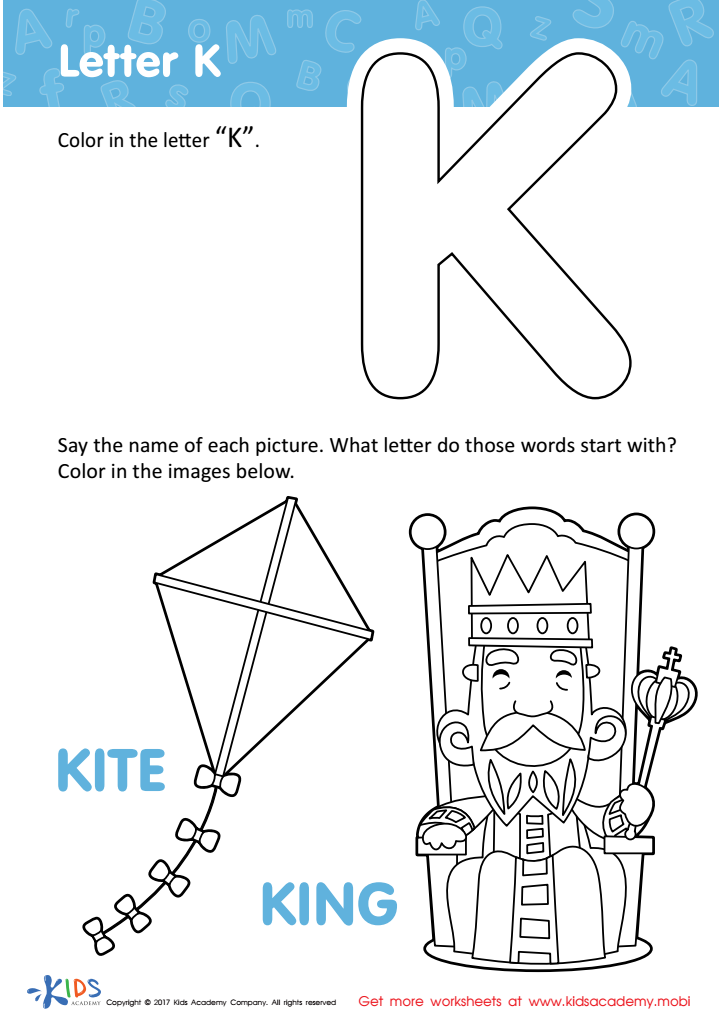
Letter K Coloring Sheet
Assign to My Students
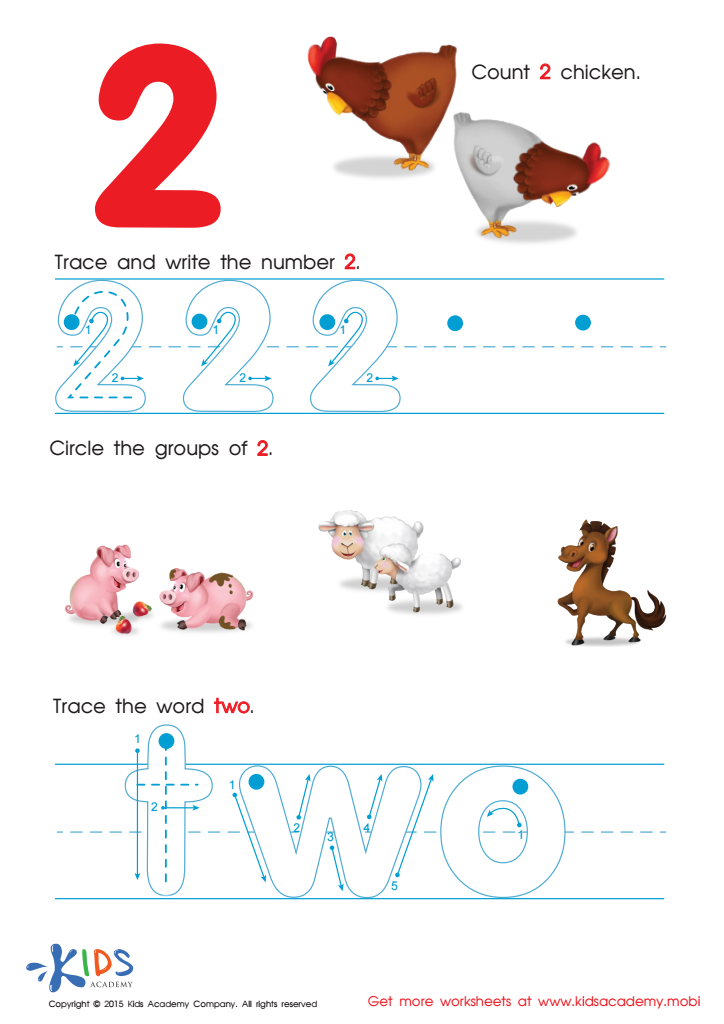
Learn to Write the Number 2 Worksheet
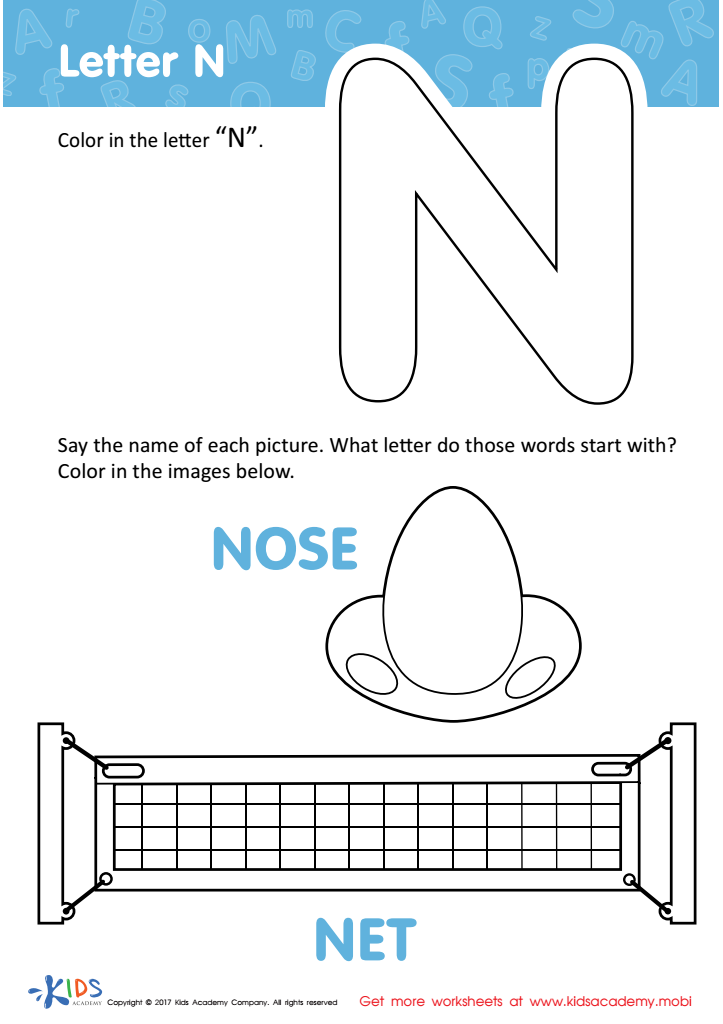
Letter N Coloring Sheet
Assign to My Students


Handwriting practice in Grade 1 is paramount and offers a multitude of benefits that extend beyond the ability to script letters neatly on paper. Among the key reasons is the development of fine motor skills. When young children practice handwriting, they refine their hand-eye coordination and strengthen the muscles necessary for writing, which are also vital for other daily tasks such as buttoning clothes or tying shoelaces.
Moreover, the act of writing engages cognitive processes that bolster literacy learning. The familiarity with letter shapes and structures, fostered through handwriting practice, enables better recognition and spelling of words, laying a solid foundation for reading skills. This tactile engagement helps encode letter forms more deeply into memory, aiding overall language acquisition.
Handwriting practice also cultivates self-discipline and concentration. The focus required to form each letter precisely can enhance a child’s attention span and foster perseverance. These qualities are essential life skills that benefit learning across all subjects.
Additionally, handwriting is a medium for children to express their creativity and thoughts, providing a sense of achievement and boosting confidence. Engaging with handwriting at an early age establishes the foundational skills essential for clear communication, evolving into more complex writing tasks as they grow.
In sum, prioritizing handwriting practice in Grade 1 equips children with critical motor, cognitive, and emotional skills that support their educational journey and personal development.