Basic Math Skills Grade 1 Worksheets - Page 2
56 filtered results
-
From - To
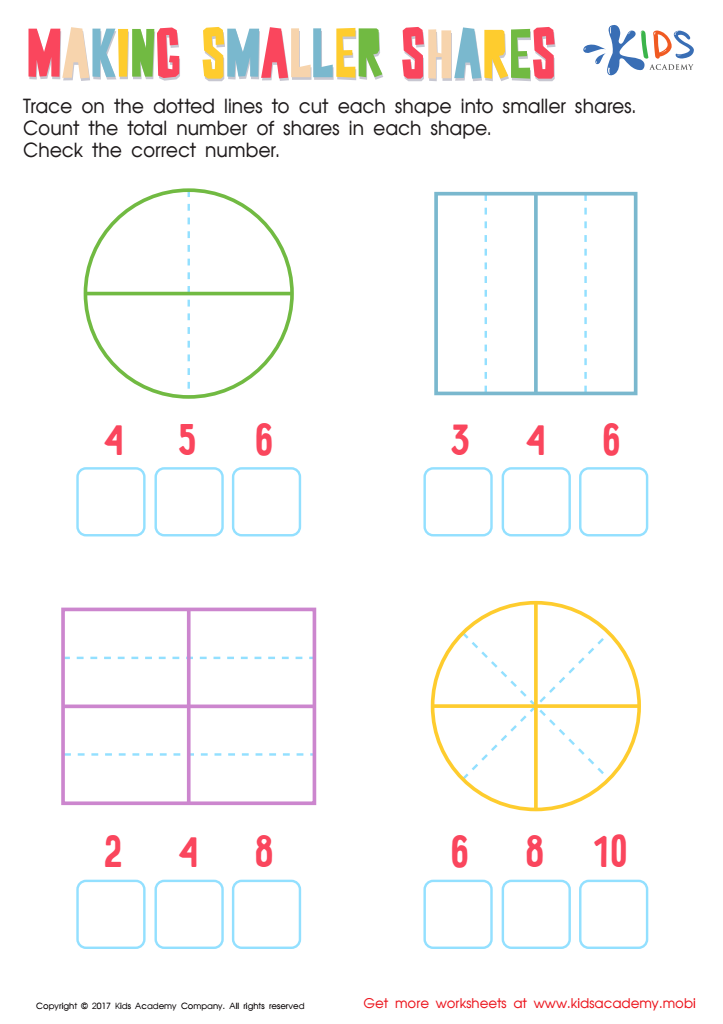
Making Smaller Shares Worksheet
 Assign to My Students
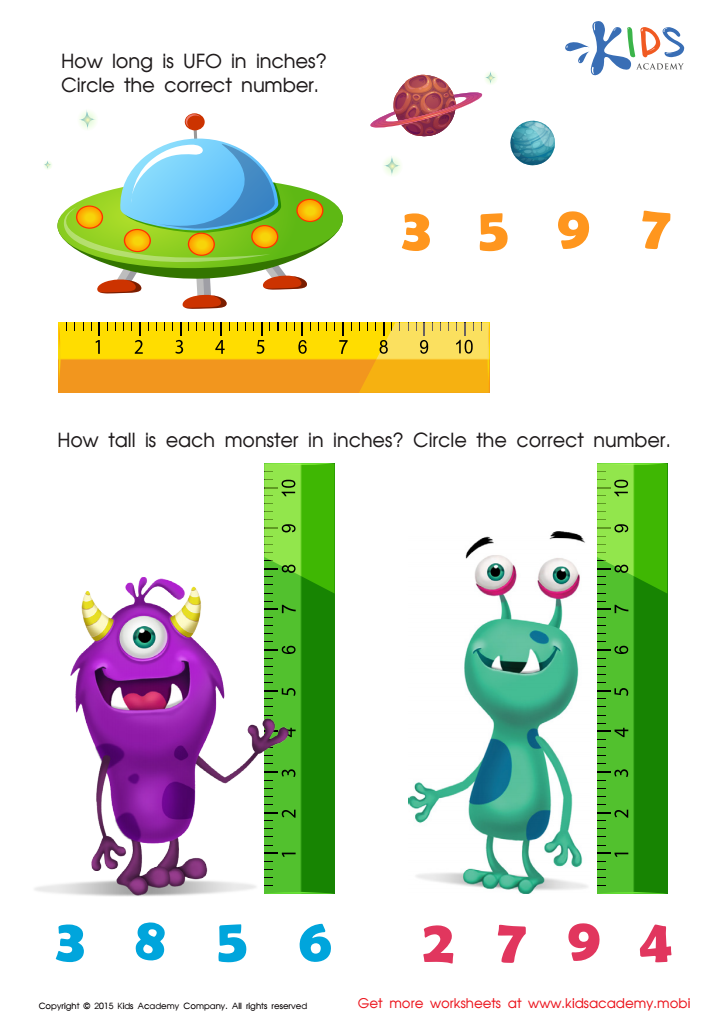
Measuring in Inches Worksheet
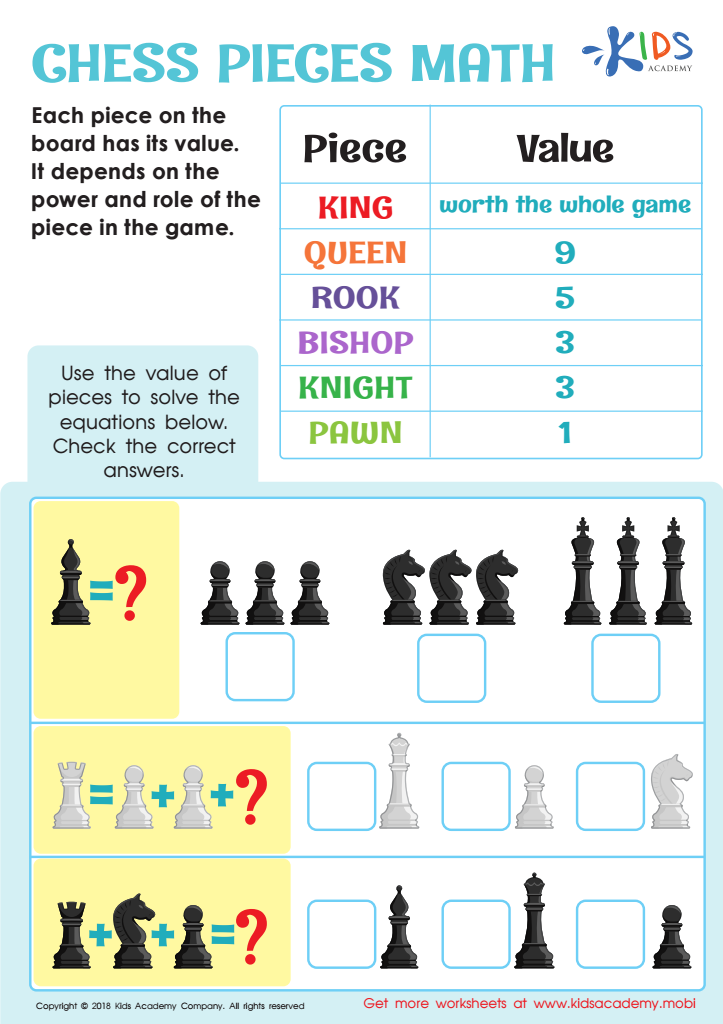
Chess Pieces Math Worksheet
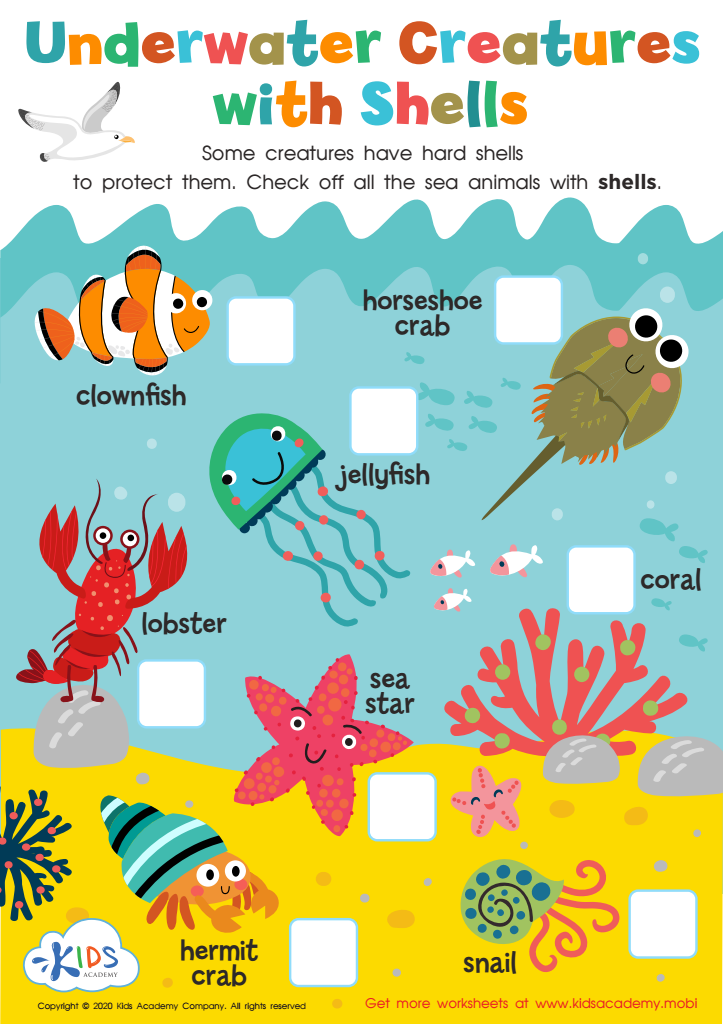
Underwater Creatures with Shells Worksheet
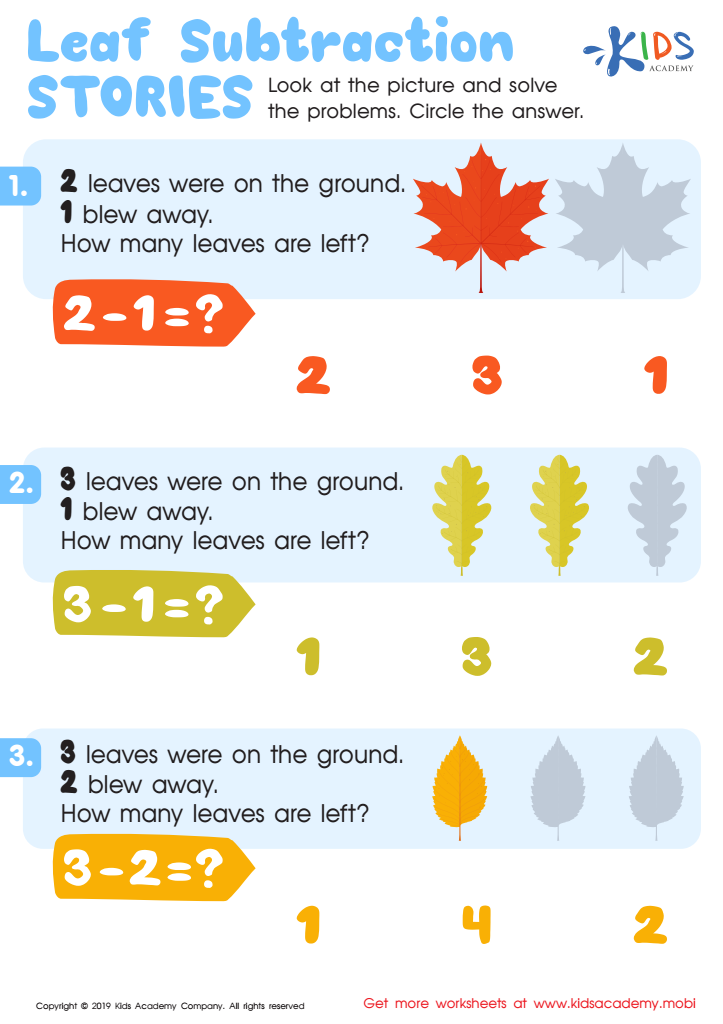
Leaf Subtraction Stories Worksheet
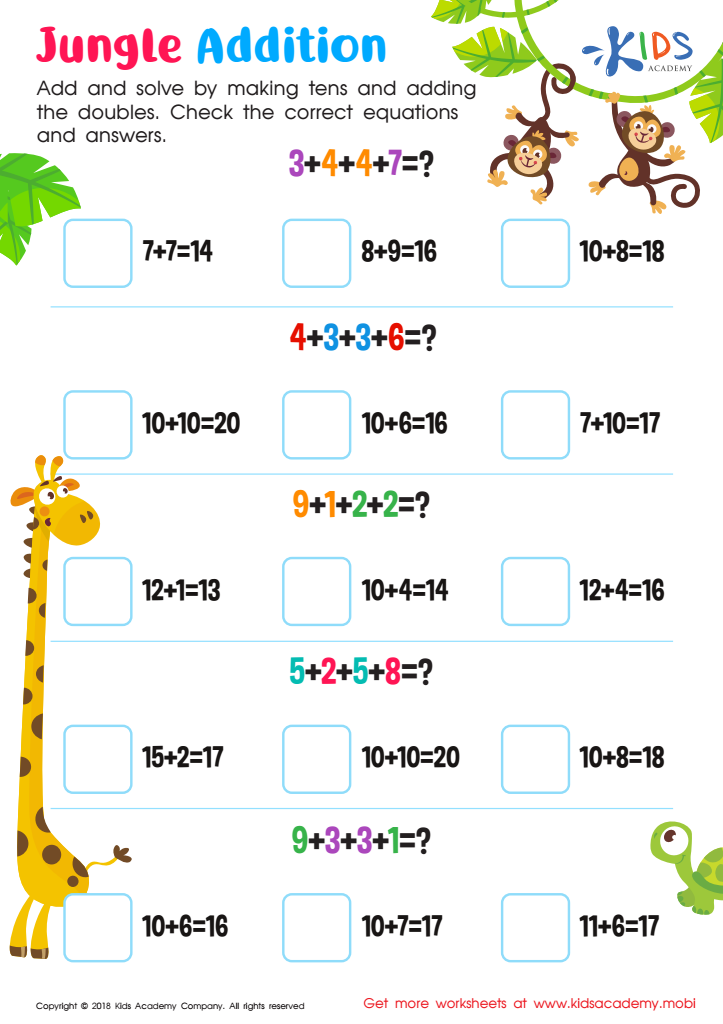
Jungle Addition Worksheet
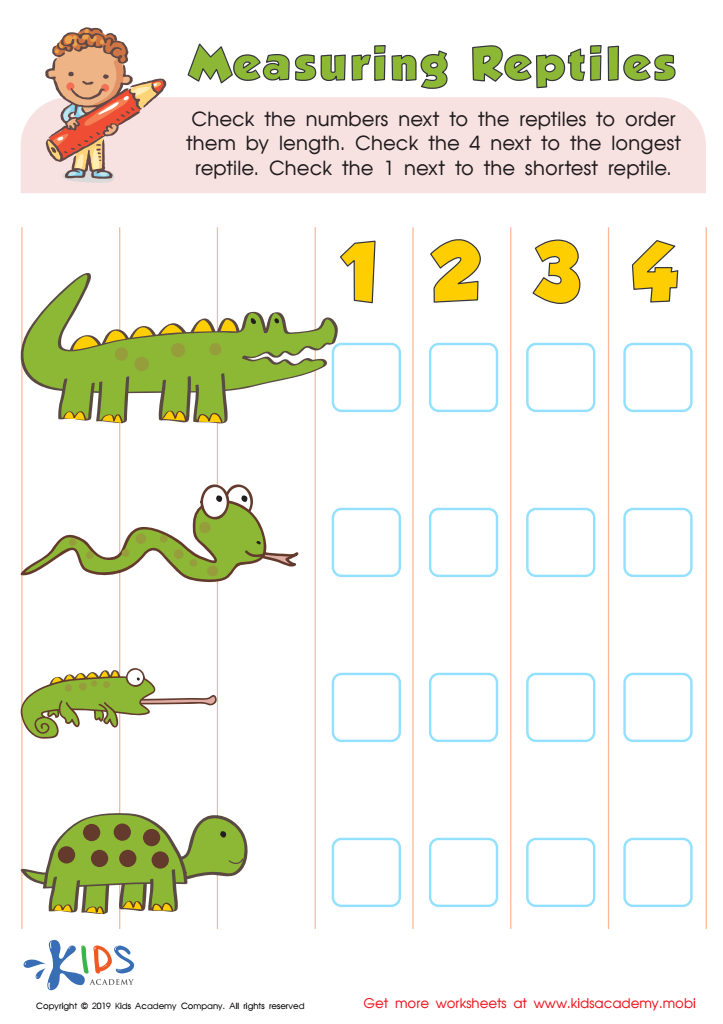
Measuring Reptiles Worksheet
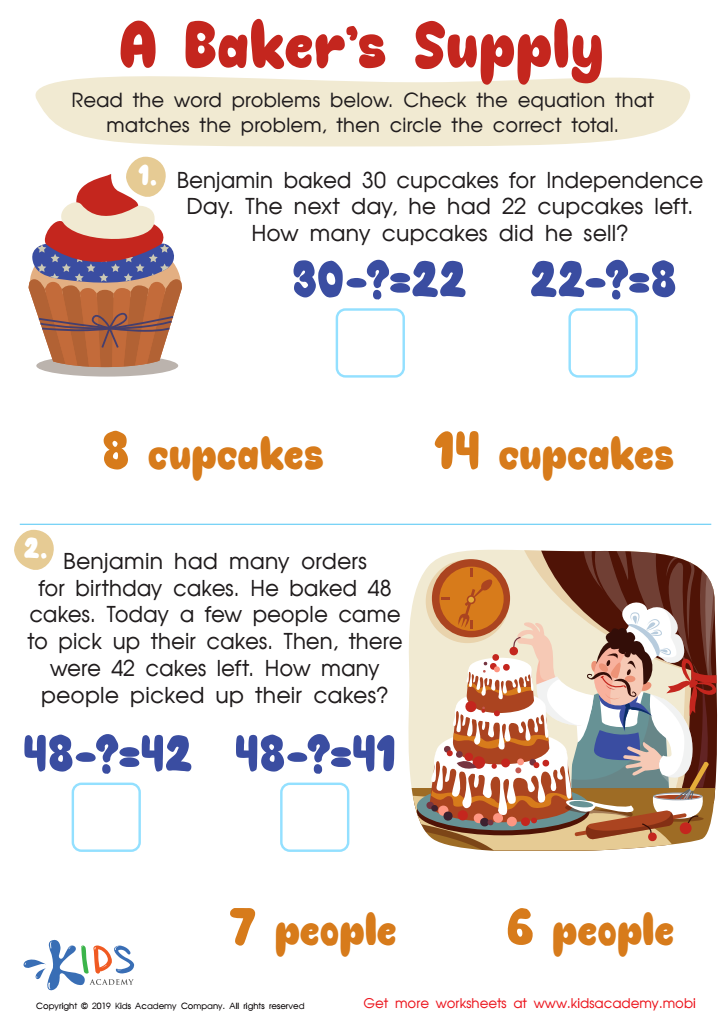
A Baker's Supply Worksheet
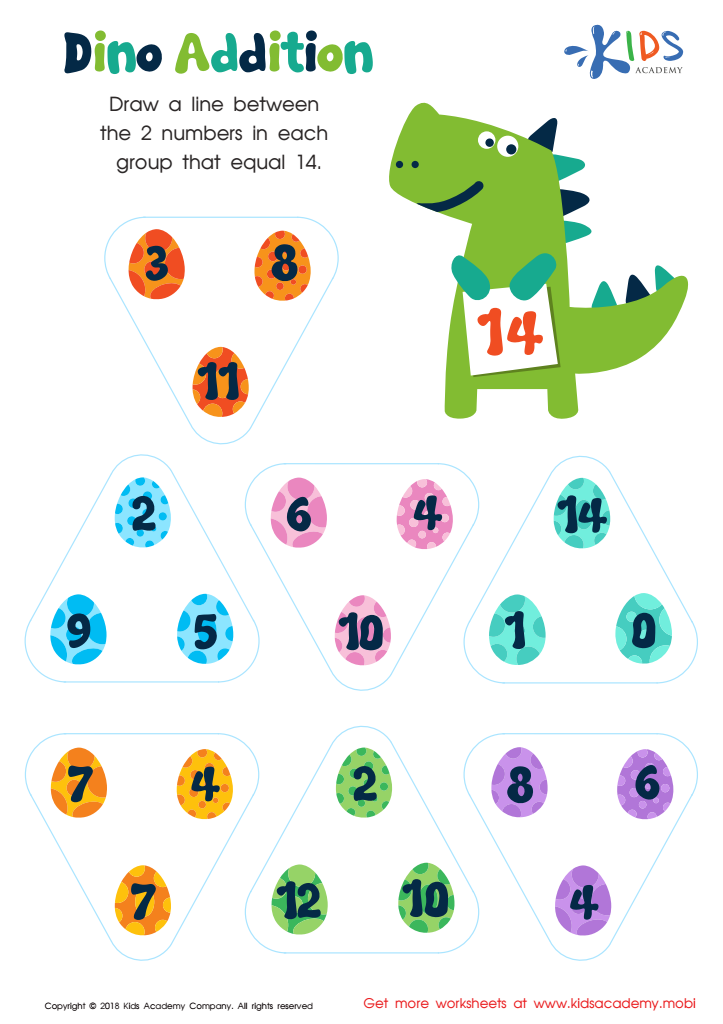
Dino Addition Worksheet
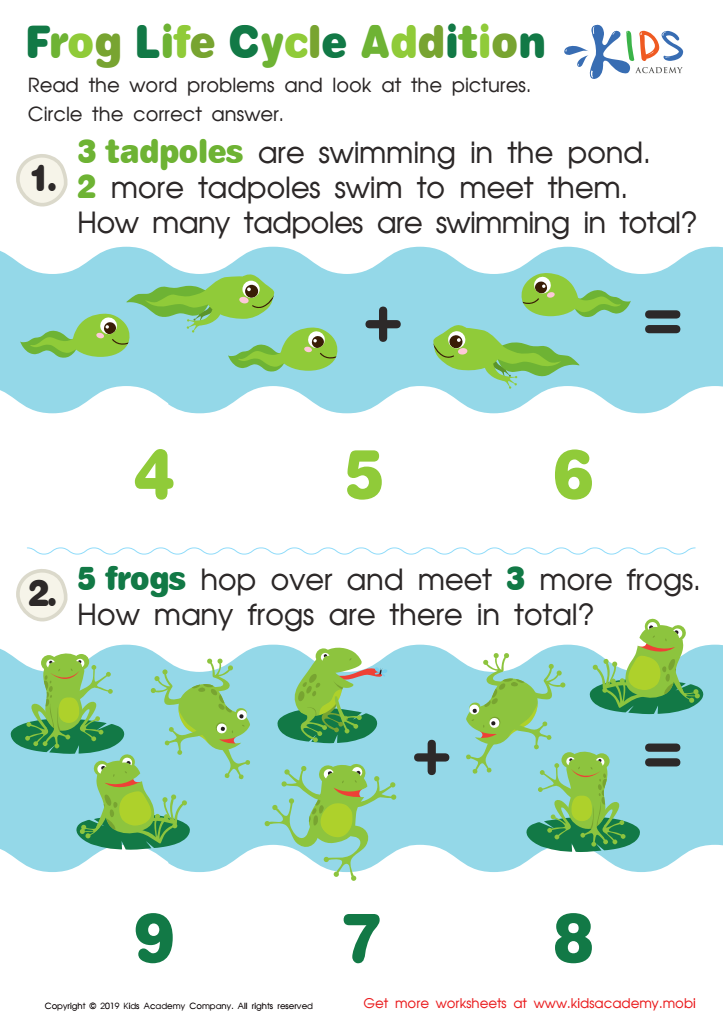
Frog Life Cycle Addition Worksheet
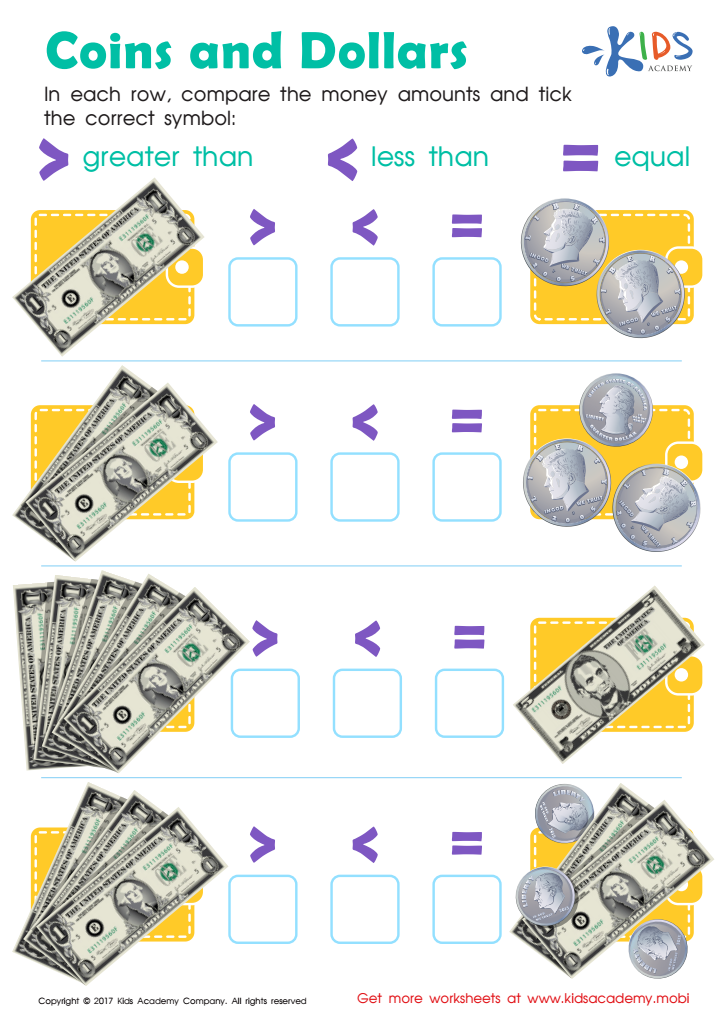
Money: Coins Dollars Printable
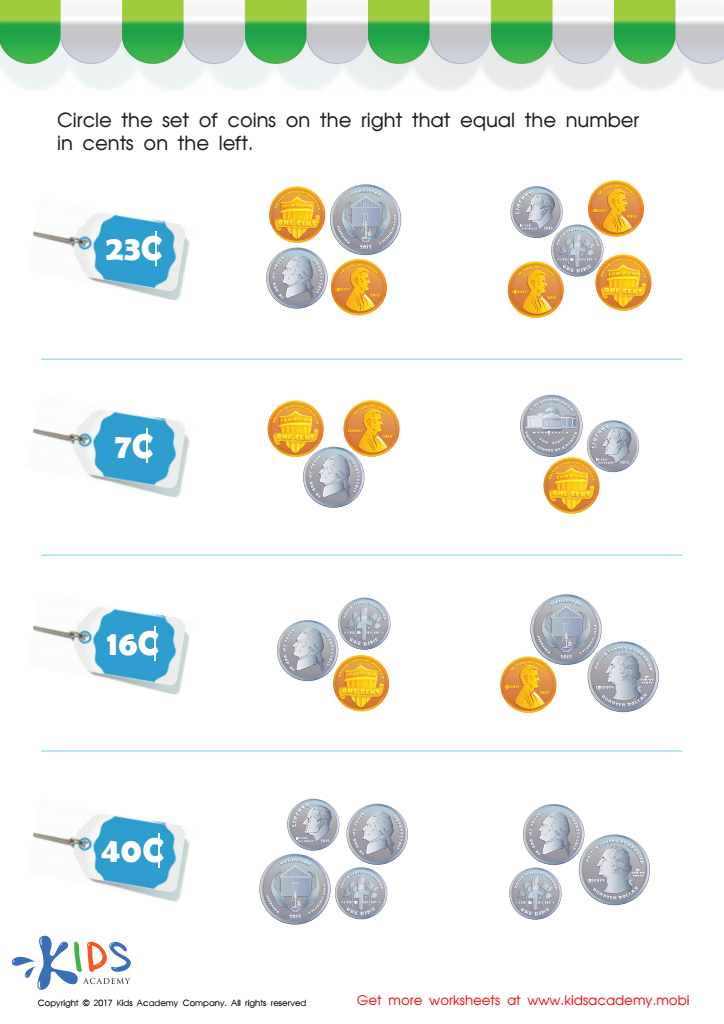
Picking the Coins You Need Money Worksheet
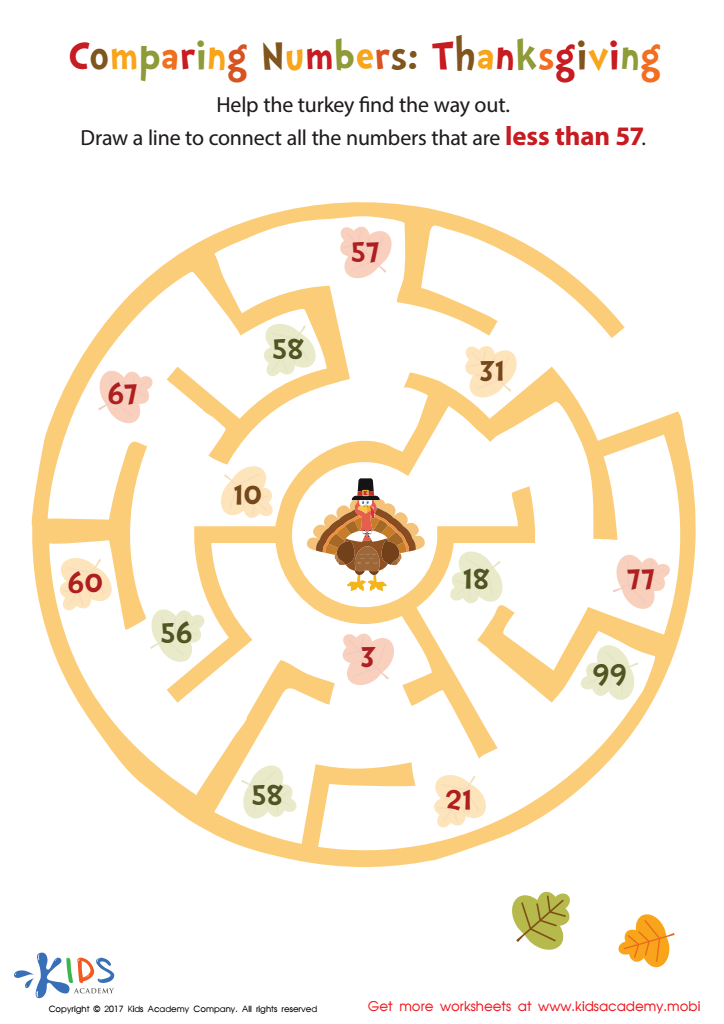
Comparing Numbers Printable
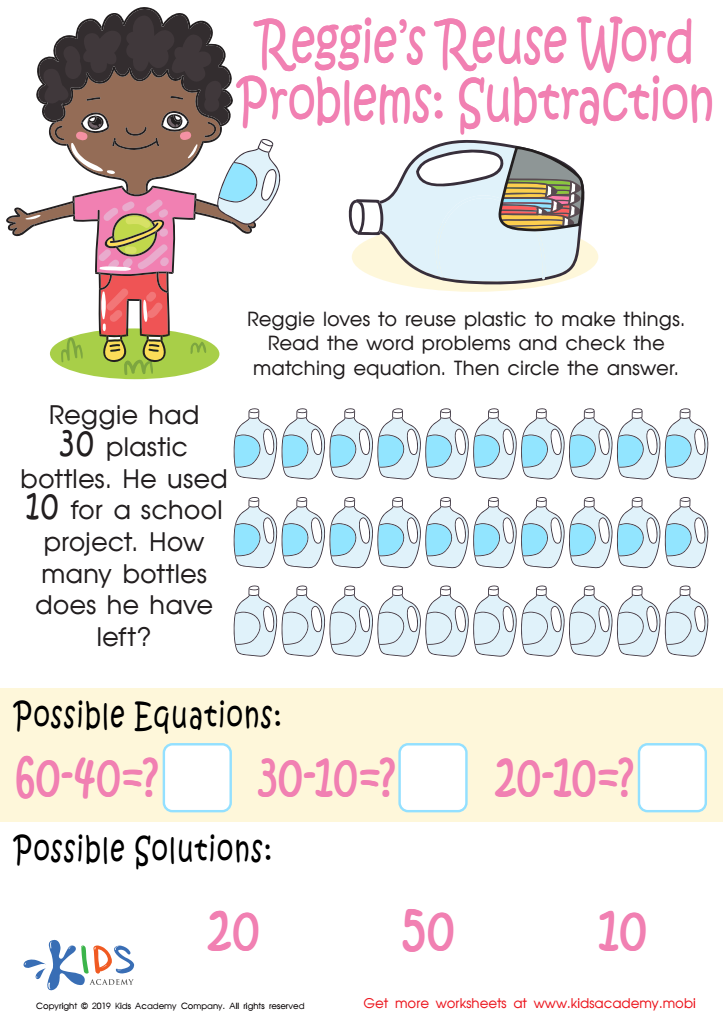
Reggie's Reuse Word Problems: Subtraction Worksheet
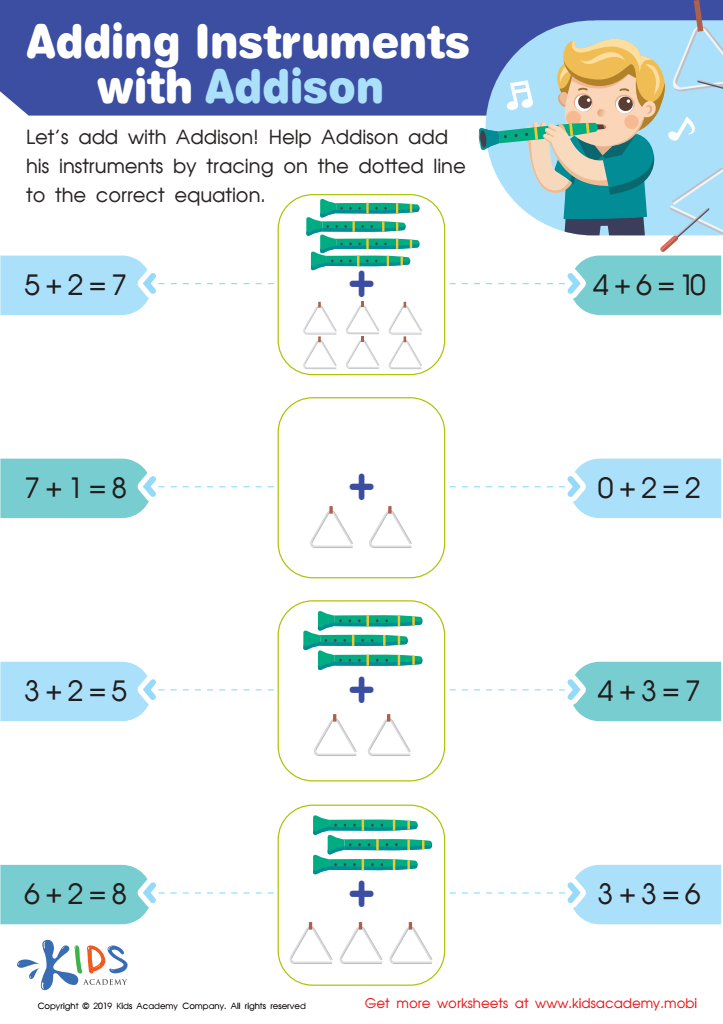
Adding Instruments with Addison Worksheet
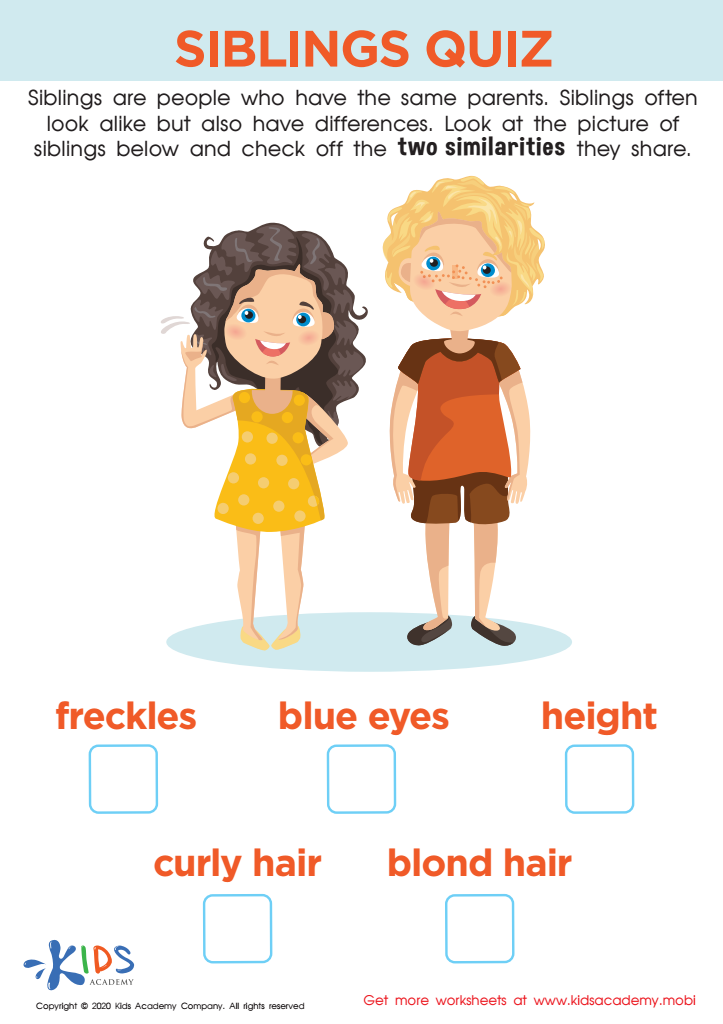
Siblings Quiz Worksheet
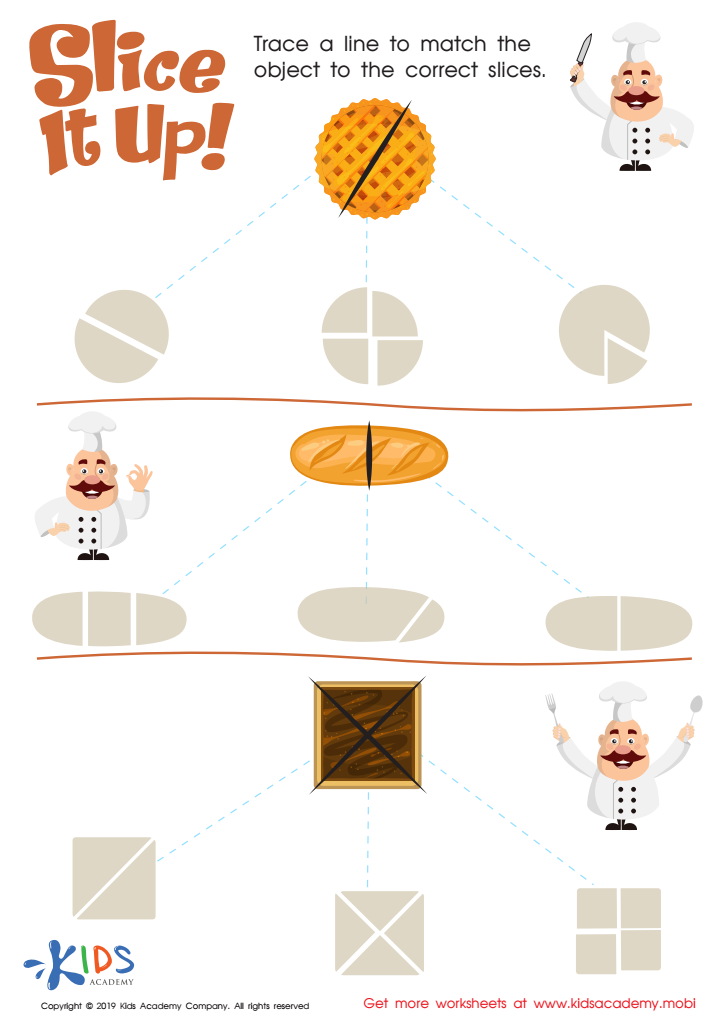
Slice It Up Worksheet
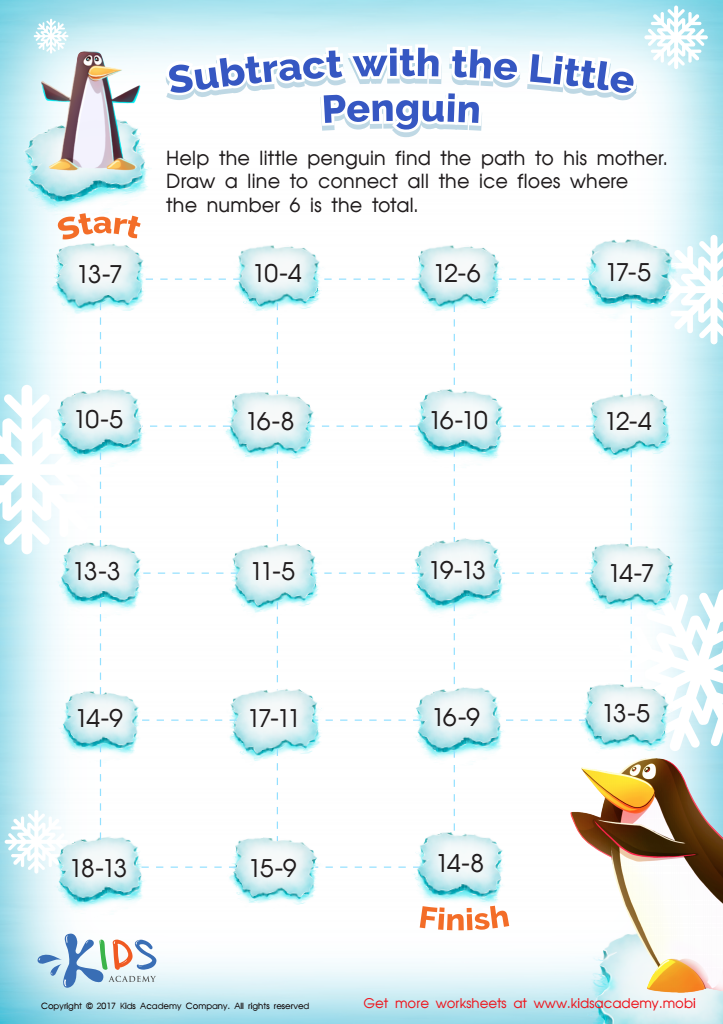
Subtract With The Little Penguin Substraction Worksheet
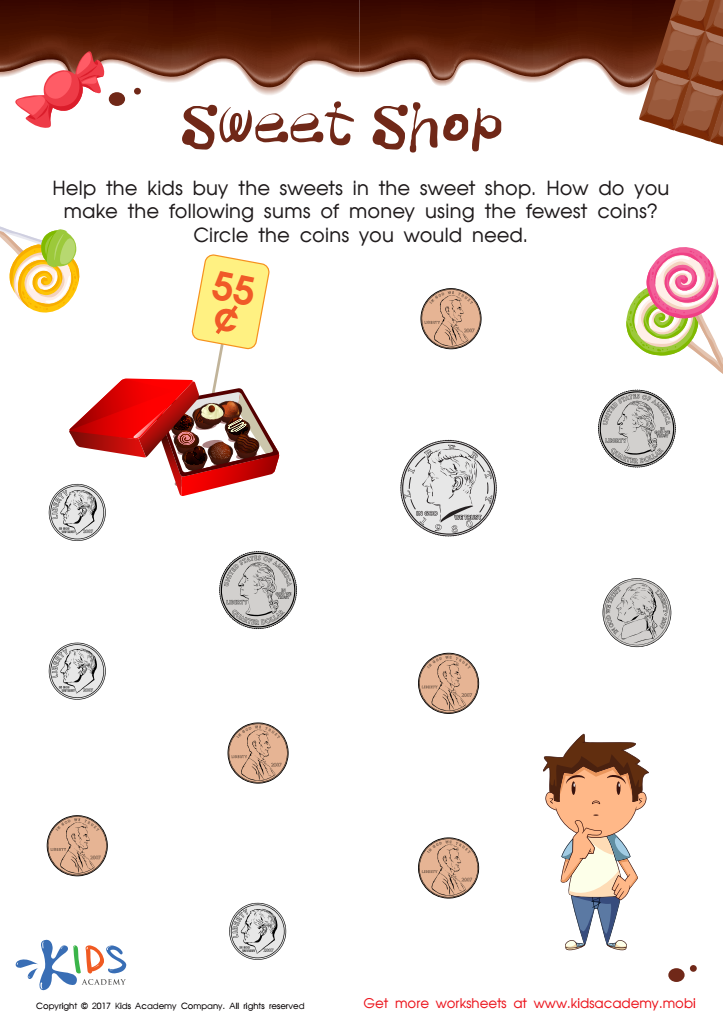
Sweet Shop – Counting Coins Worksheet
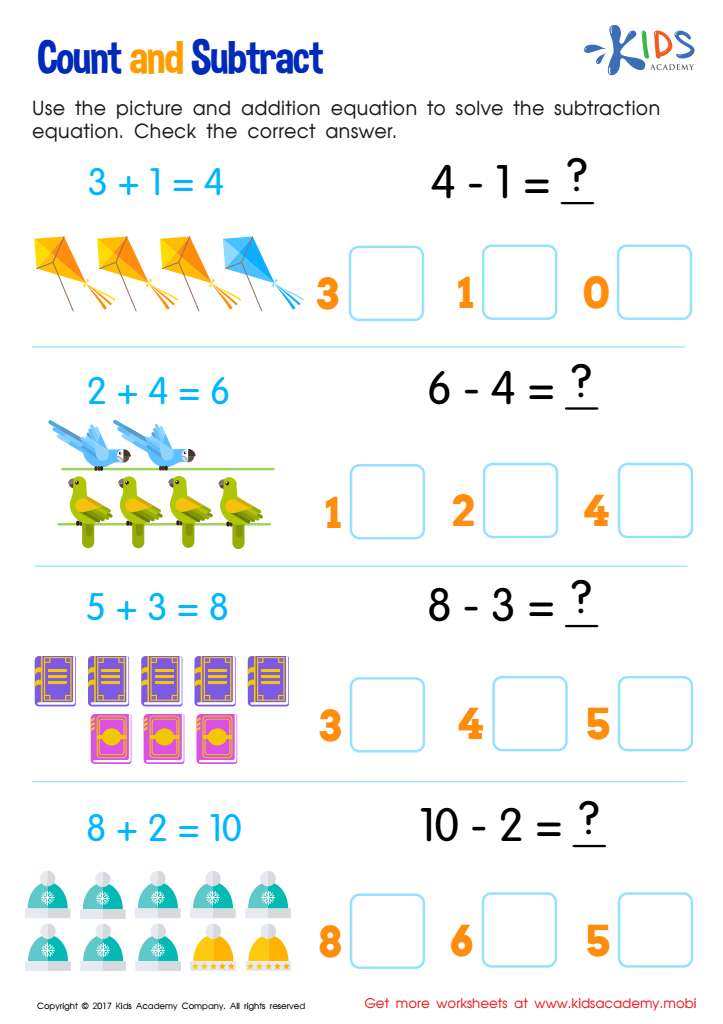
Count and Subtract Worksheet
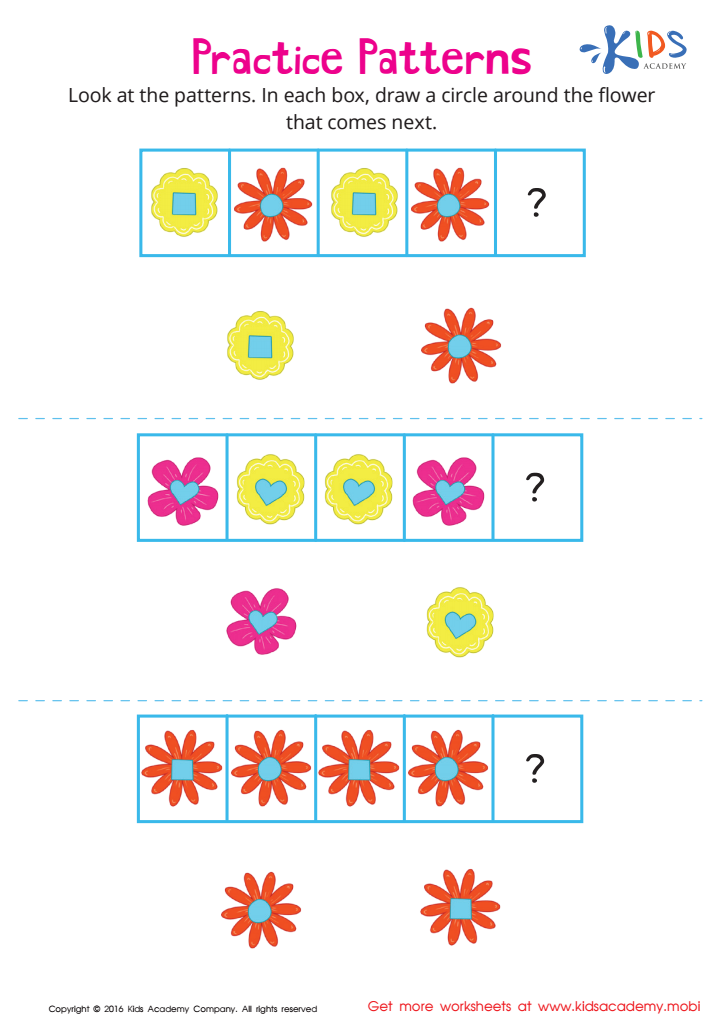
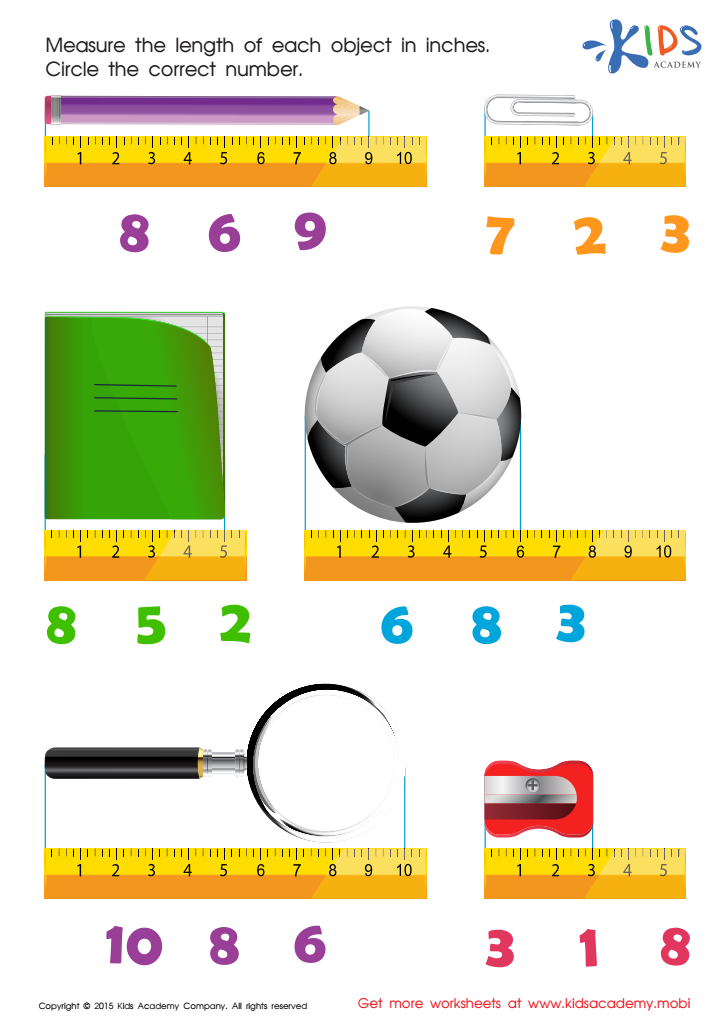
Learning measuring objects in inches Worksheet
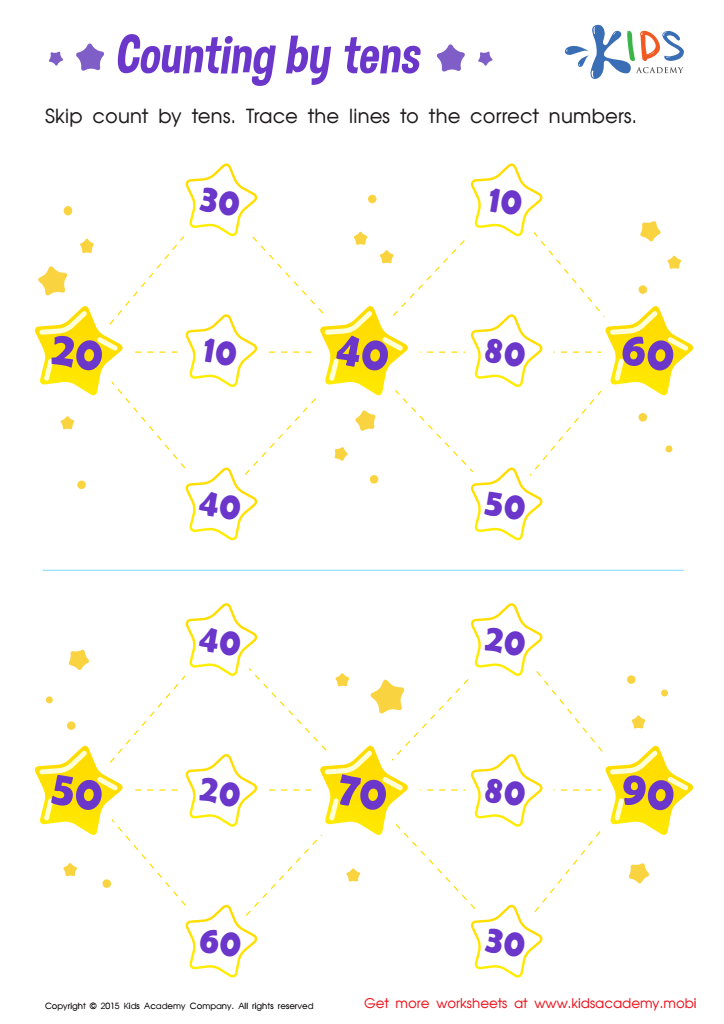
Learn Dozens: Counting by Tens Printable
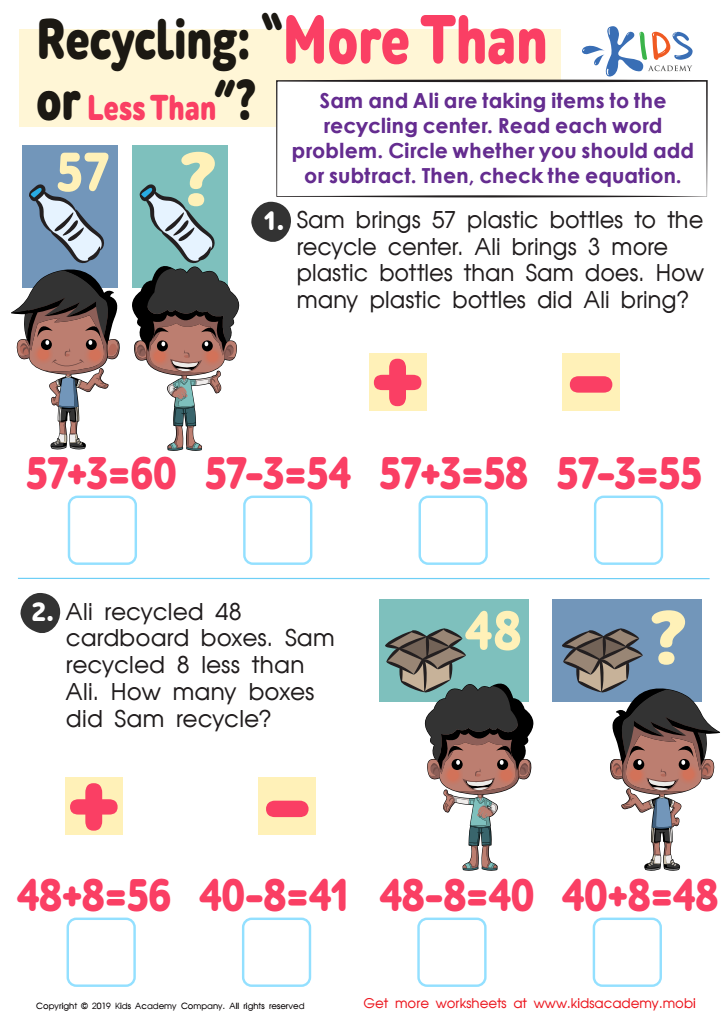
Recycling - More or Less Worksheet







Basic math skills in Grade 1 are foundational for a child's academic and everyday life success. At this early stage, students learn critical concepts such as number recognition, counting, basic addition and subtraction, shapes, and simple measurements. Mastering these skills is essential for more advanced math topics that they will encounter in later grades, like multiplication, division, and problem-solving. Furthermore, math encourages logical thinking, pattern recognition, and the ability to manage everyday tasks like telling time or making simple monetary transactions.
Parents and teachers play a significant role in fostering a positive attitude toward math. By presenting it as both fun and useful, they help children gain confidence and reduce math anxiety, which can hinder future learning. Showing enthusiasm for math, using real-life examples, integrating games, and offering constant encouragement are ways to build a child’s competence and interest in math.
Investing time and resources in developing strong basic math skills also provides long-term academic benefits. Students proficient in early math tend to perform better in other subjects because math improves critical thinking and problem-solving skills applicable across the curriculum. Therefore, laying a strong math foundation in Grade 1 is not just about learning numbers, but about nurturing a well-rounded, confident learner.