Logical thinking Grade 1 Worksheets
10 filtered results
Difficulty Level
Grade
Age
-
From - To
Subject
Activity
Standards
Boost your child's problem-solving abilities with our Logical Thinking Grade 1 Worksheets. Designed for first graders, these engaging worksheets from Kids Academy help develop critical thinking, pattern recognition, and sequencing skills. Each worksheet presents fun, age-appropriate puzzles and activities, ensuring learning is captivating and effective. Our resources foster a strong foundation in logical reasoning, empowering young learners to excel in math, reading, and everyday problem-solving. Ideal for teachers and parents, these worksheets are perfect for classroom use or at-home practice. Ignite your child’s passion for learning and watch their confidence soar with our expertly crafted logical thinking activities.
Favorites
With answer key
Interactive
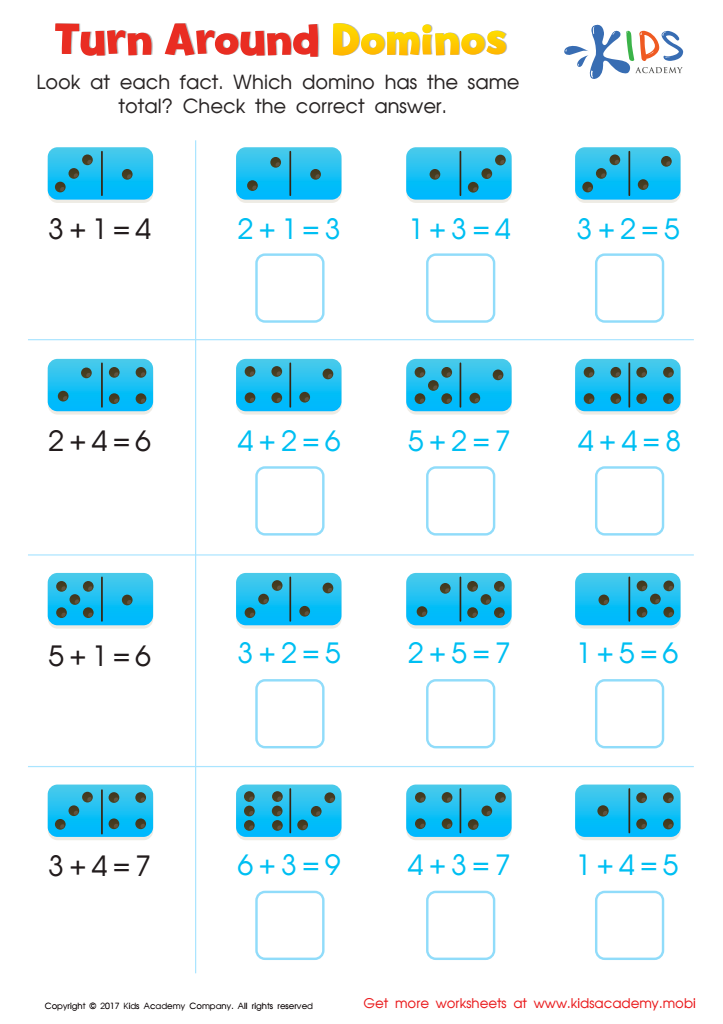
Turn Around Dominos Worksheet
Encourage your child to flex their mental muscles with this math worksheet. Look through the left side's dominos and their values and then check the three boxes on the right. Ask your child if any of the right box's dominos are similar. This requires focus and careful observation.
Turn Around Dominos Worksheet
Worksheet
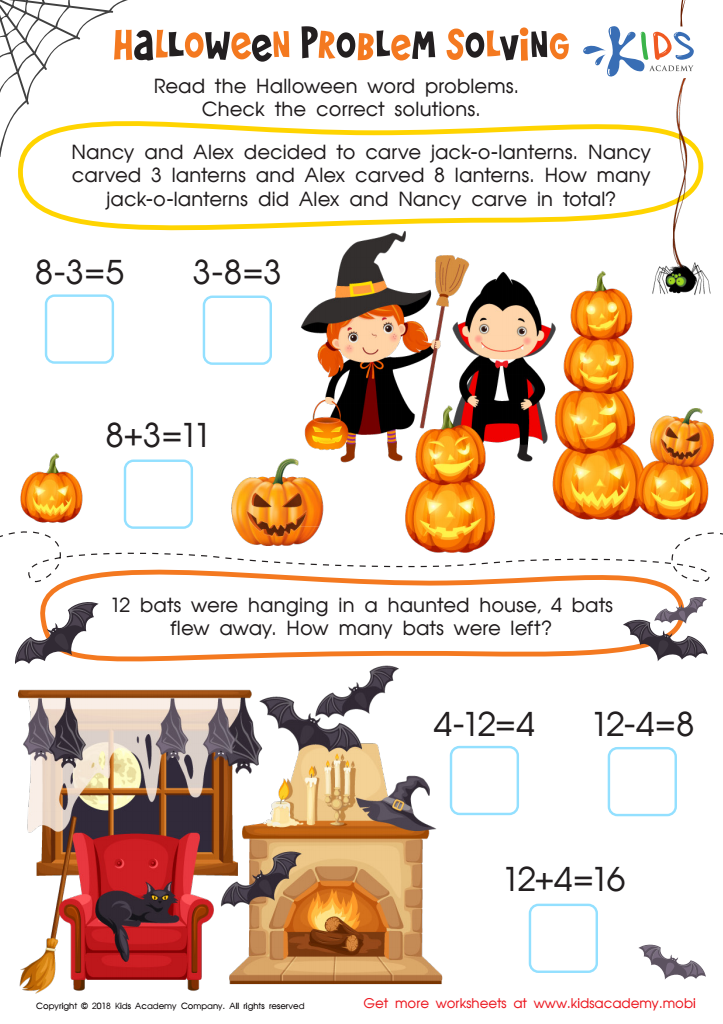
Halloween Problem Solving Worksheet
Halloween math is here! Get your spooky word problems and frightfully cute images with this free PDF worksheet. Read the problems with your little one and focus on the numbers and key phrases. Then match the equation to its solution to complete the page. Calling all ghosts and goblins - have some math fun this Halloween!
Halloween Problem Solving Worksheet
Worksheet
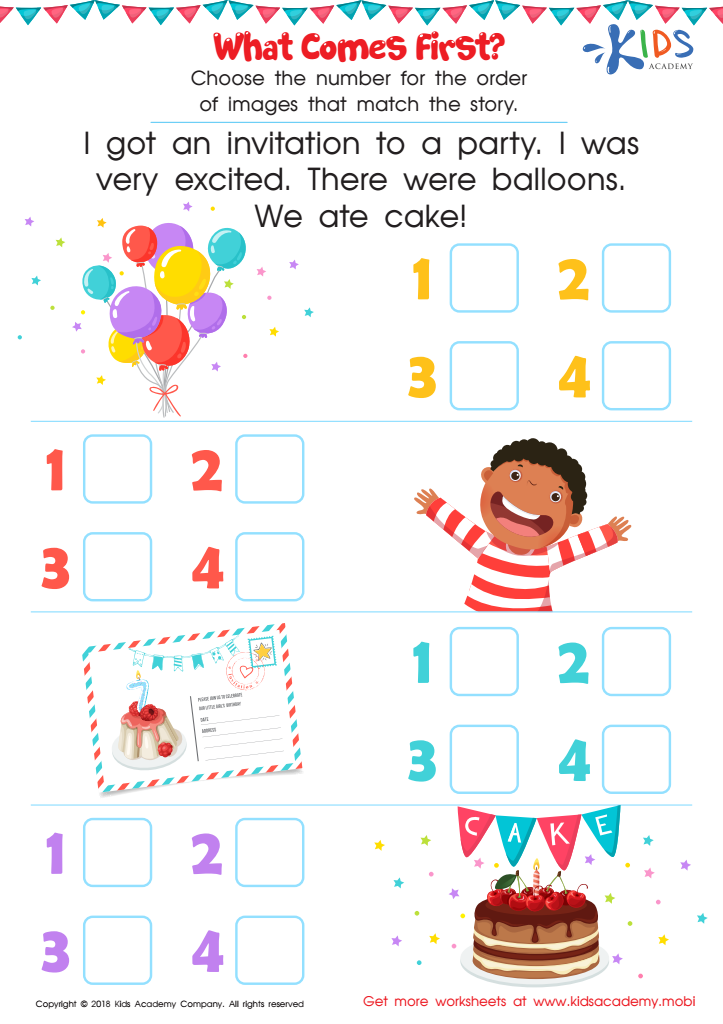
What Comes First Worksheet
Before you start, ask your child what they see in the picture. Read the story aloud together, then show them the images in order, numbered 1-5. Ask them to choose the numbers that match the story. Have fun and enjoy this party worksheet with your little one! (80 words)
What Comes First Worksheet
Worksheet
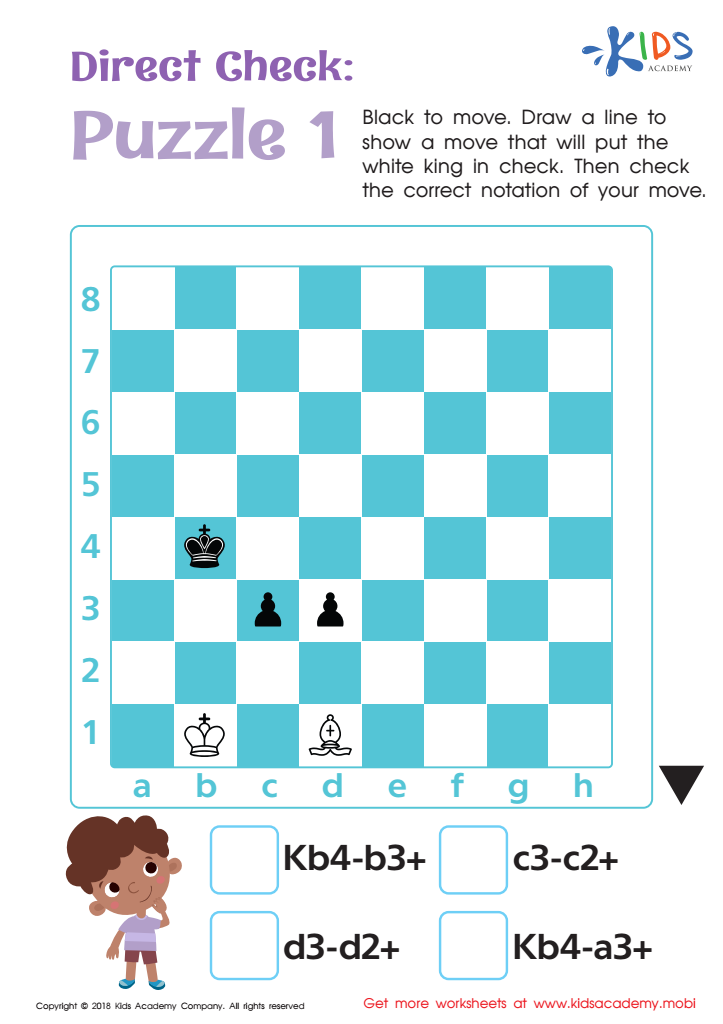
Direct Check: Puzzle 1 Worksheet
Your child can test their chess knowledge with this worksheet. If they've been taking lessons or playing regularly, they'll enjoy connecting the dots to put the white king in checkmate, then checking the correct notation. Challenge their chess skills!
Direct Check: Puzzle 1 Worksheet
Worksheet
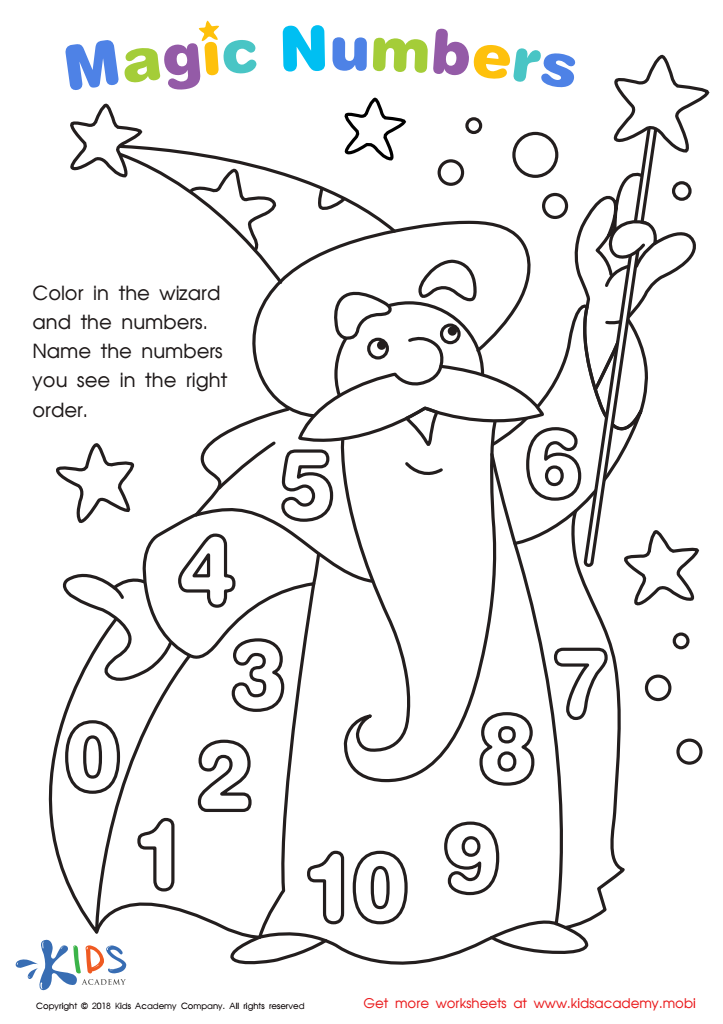
Magic Numbers Worksheet
Does your child have an interest in magic? Here's something they'll love - a coloring sheet featuring a wizard! Ask them to name the numbers from smallest to highest, then let them pick colors to color in the wizard and the numbers. It's sure to excite them!
Download (PDF)
 Assign to My Students
Assign to My Students
Magic Numbers Worksheet
Worksheet
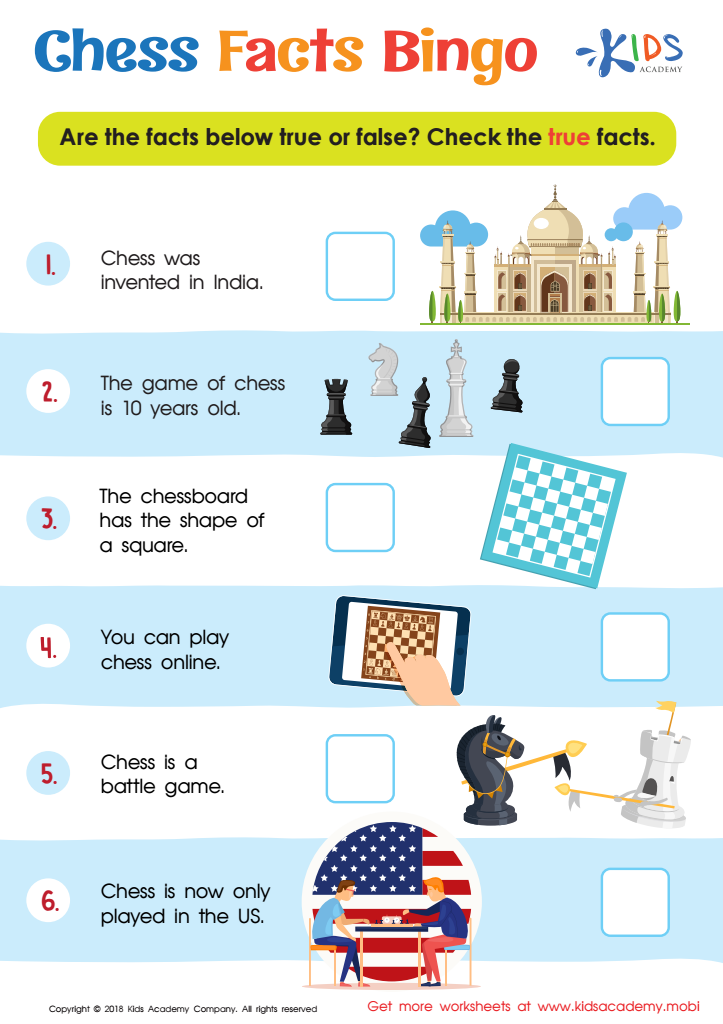
Chess Facts Bingo Worksheet
Help your child assess their knowledge of chess with our simple worksheet. It contains six questions; read them to your child and ask them if the statements are true or false. Once they check the boxes for the true statements, you'll have a better understanding of their understanding of the game.
Chess Facts Bingo Worksheet
Worksheet
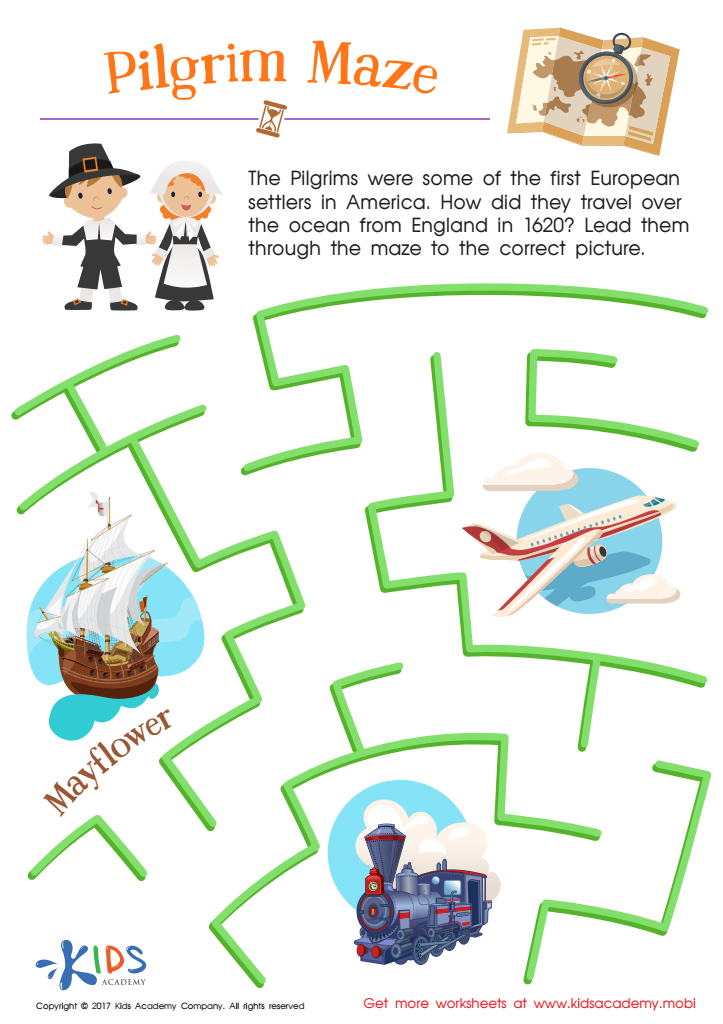
Pilgrim Maze Worksheet
This worksheet is perfect for teaching kids about an important moment in American History! Your child will have a blast solving the maze to recall that the Mayflower brought the pilgrims to the New World in 1620. It reinforces American history facts and develops visual motor and problem solving skills. It also uses modern pictures to make kids think about the right answer. Get this challenging pilgrim printable maze or a full collection of history worksheets for your little learner!
Pilgrim Maze Worksheet
Worksheet
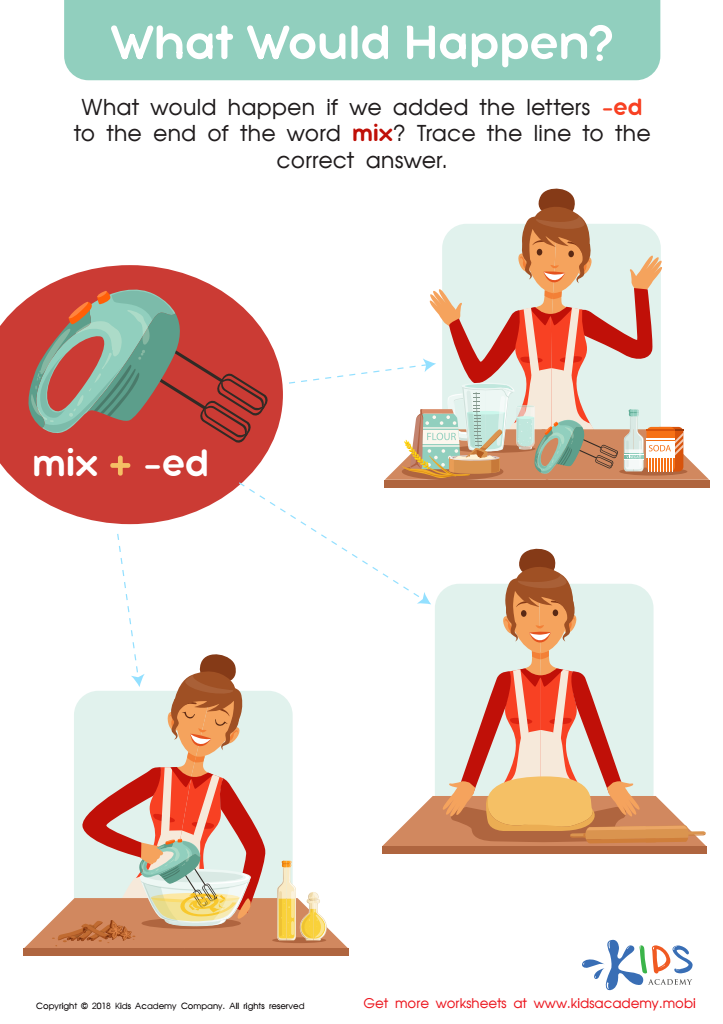
What Would Happen? Worksheet
Are your kids struggling with tenses? Use this worksheet to help them. See what they know by asking them to add '-ed' to the end of 'mix'. Guide them through the tracing sheet as they look for the correct answer.
What Would Happen? Worksheet
Worksheet
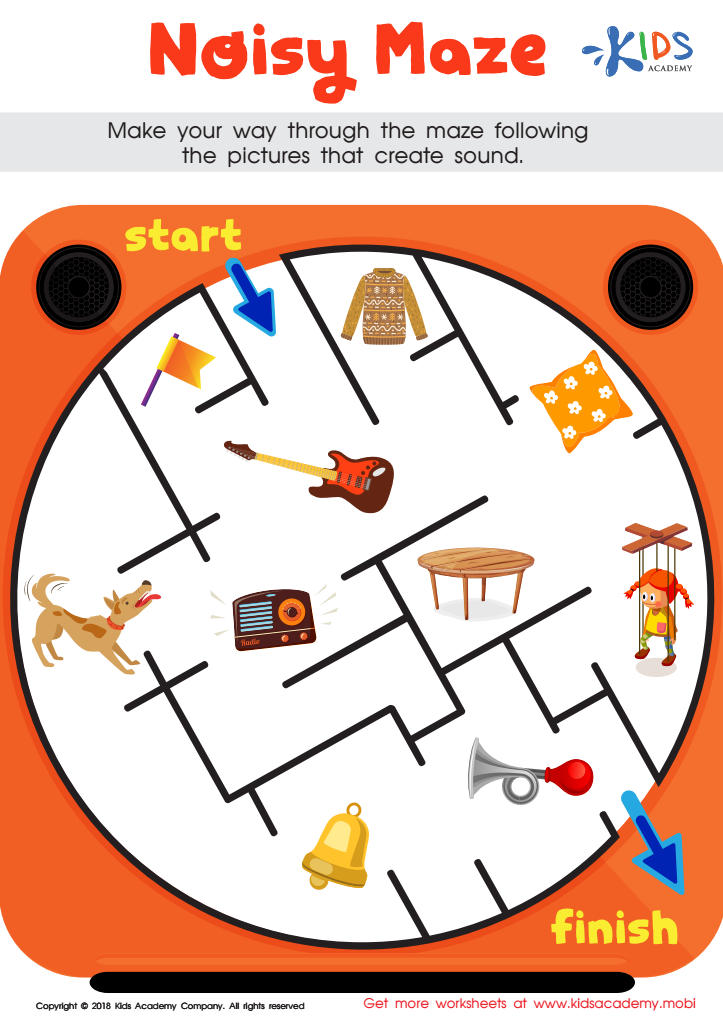
Noisy Maze Worksheet
Have your kids name some objects that make noise? Then, look at the worksheet with them and help them identify each object. Guide them through the maze, following the sound-producing pictures.
Noisy Maze Worksheet
Worksheet
Join Kids Academy for Free
Who is primarily going to use this learning content?







Parents and teachers should prioritize logical thinking for Grade 1 students as it forms the foundation for successful learning and problem-solving. In this crucial developmental stage, children are just beginning to explore how the world works; fostering logical thinking skills helps them make sense of various concepts and relationships. These skills enable young learners to observe patterns, make connections, and understand sequences, all of which are essential for subjects like math and science.
Furthermore, logical thinking encourages children to approach problems methodically and think critically, rather than reacting impulsively. This thoughtful approach can lead to better decision-making and a clearer understanding of cause and effect, enhancing both academic performance and everyday interactions. For instance, when children develop the ability to reason and organize information, they are better equipped to follow multi-step instructions, whether in the classroom or at home.
On a broader scale, nurturing logical thinking in Grade 1 helps build a foundation for advanced cognitive skills such as analysis and reasoning, which are vital for future academic achievement and life skills. Therefore, focusing on these abilities early on can support not only the immediate educational goals but also the long-term intellectual development of children. It’s about preparing them for a world that thrives on problem-solving and informed decision-making.