Problem-Solving Skills Grade 1 Worksheets - Page 6
142 filtered results
-
From - To
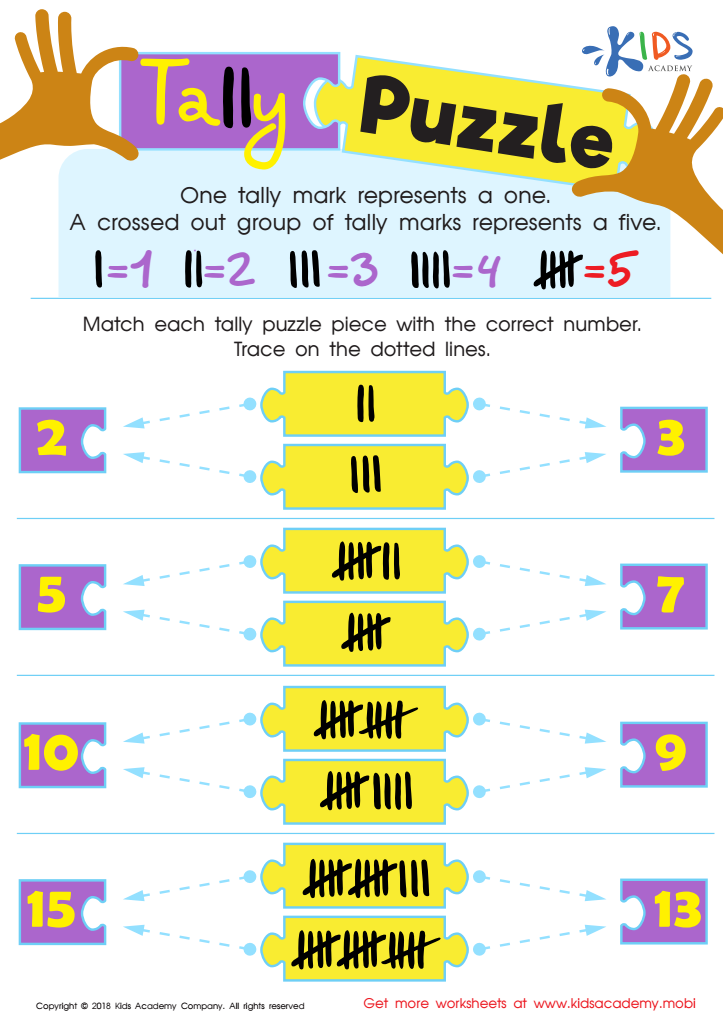
Tally Puzzle Worksheet
 Assign to My Students
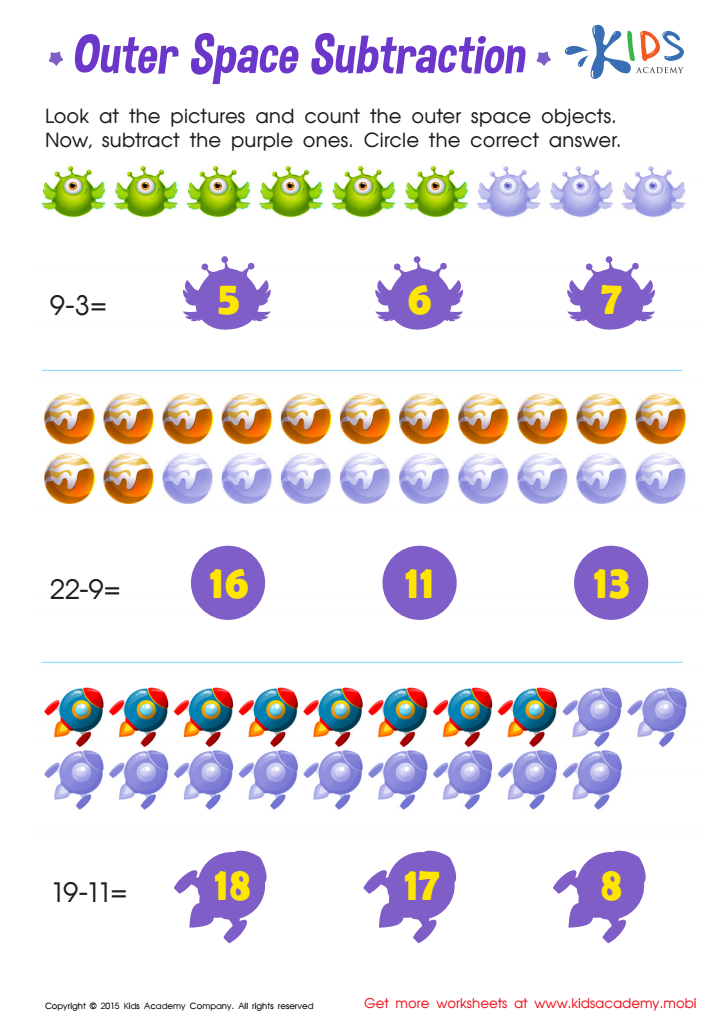
Outer Space Substraction Worksheet
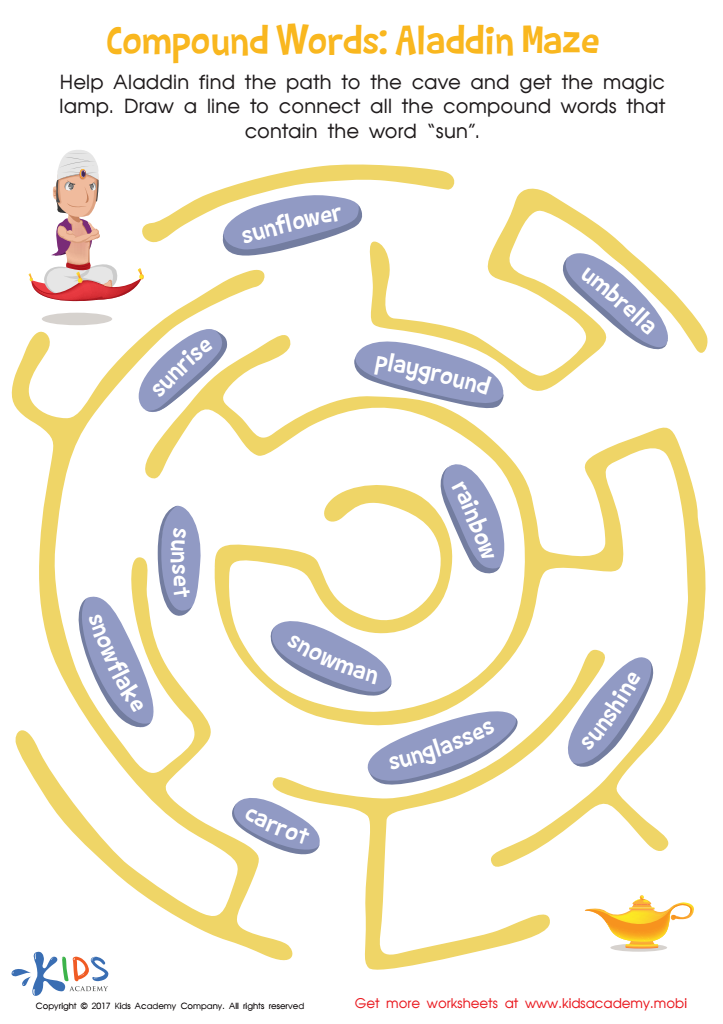
Compound Aladdin Maze Word Structure Worksheet
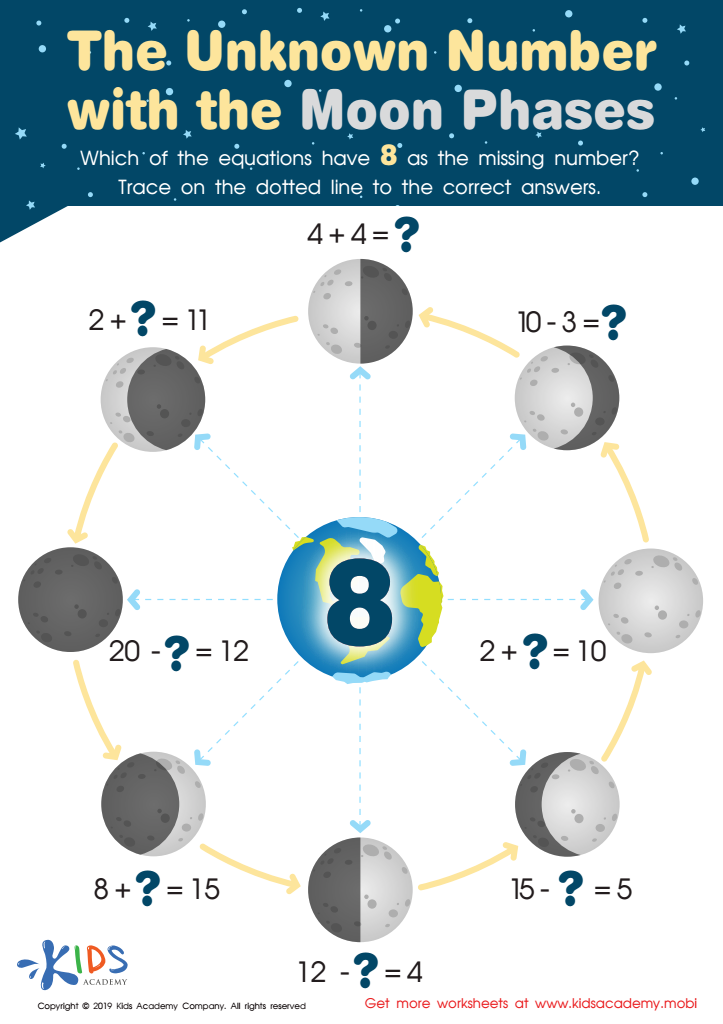
The Unknown Number with the Moon Phases Worksheet
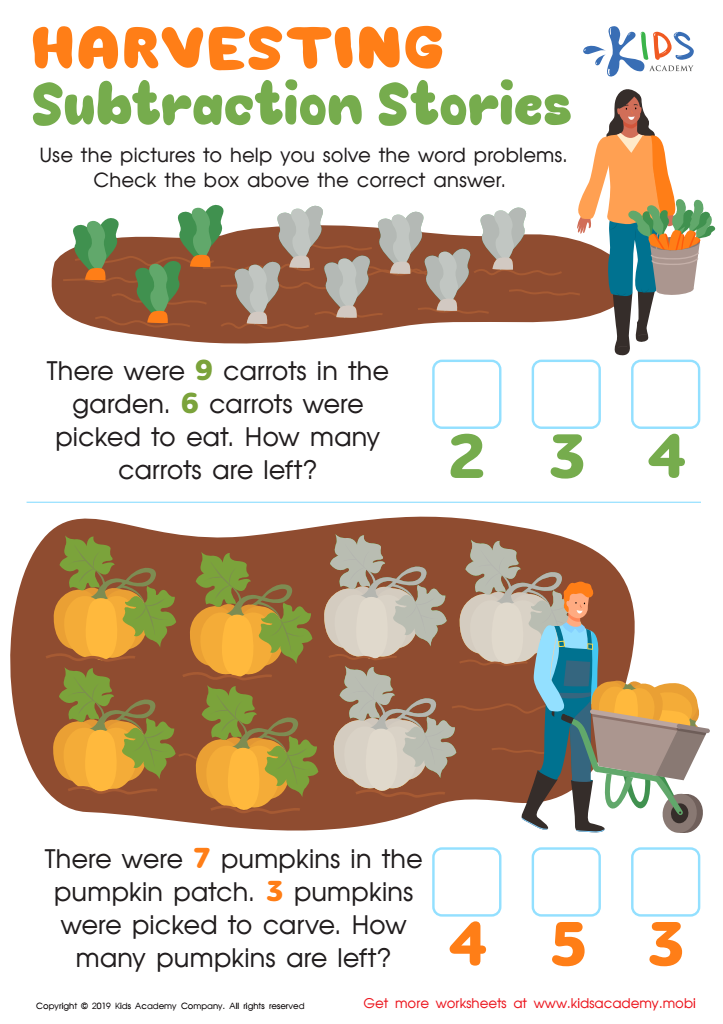
Harvesting Subtraction Stories Worksheet
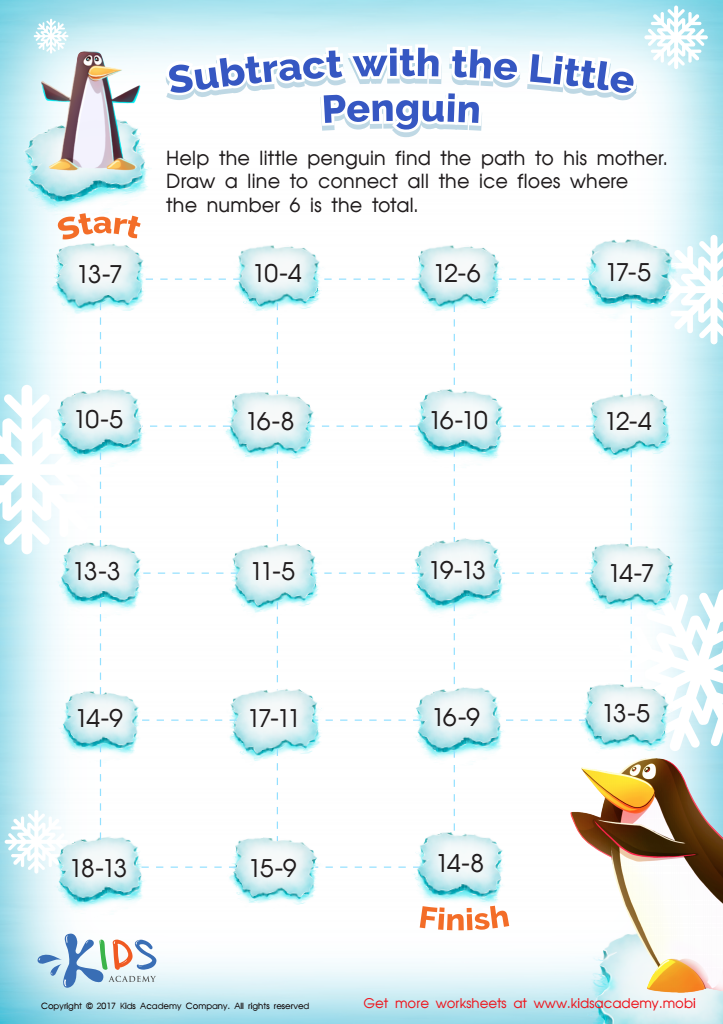
Subtract With The Little Penguin Substraction Worksheet
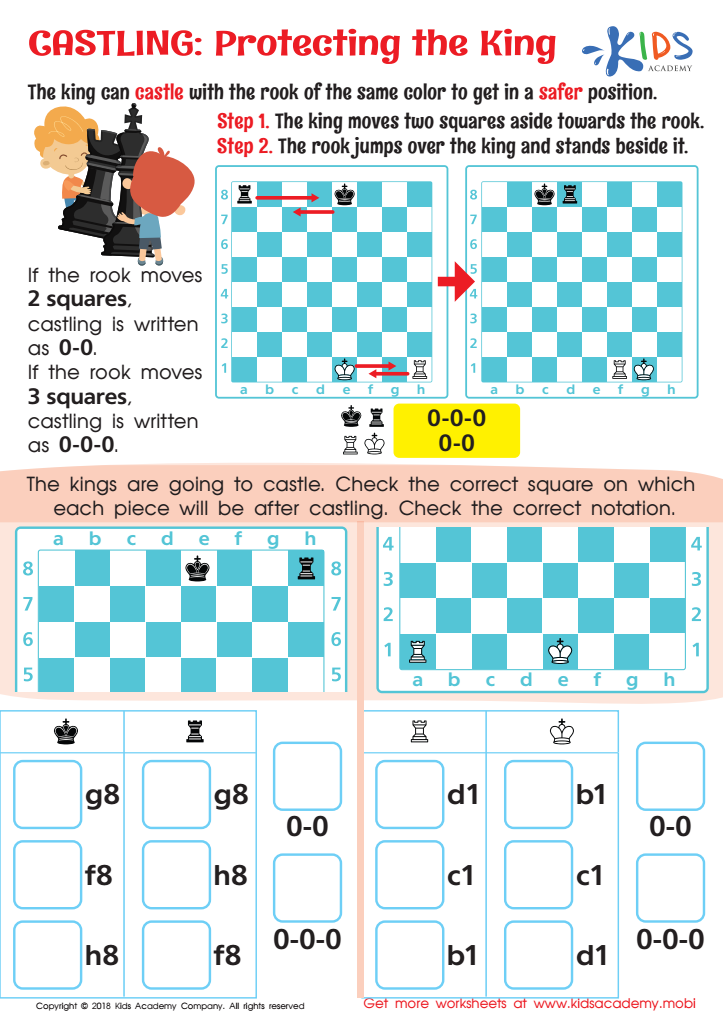
Castling: Protecting the King Worksheet
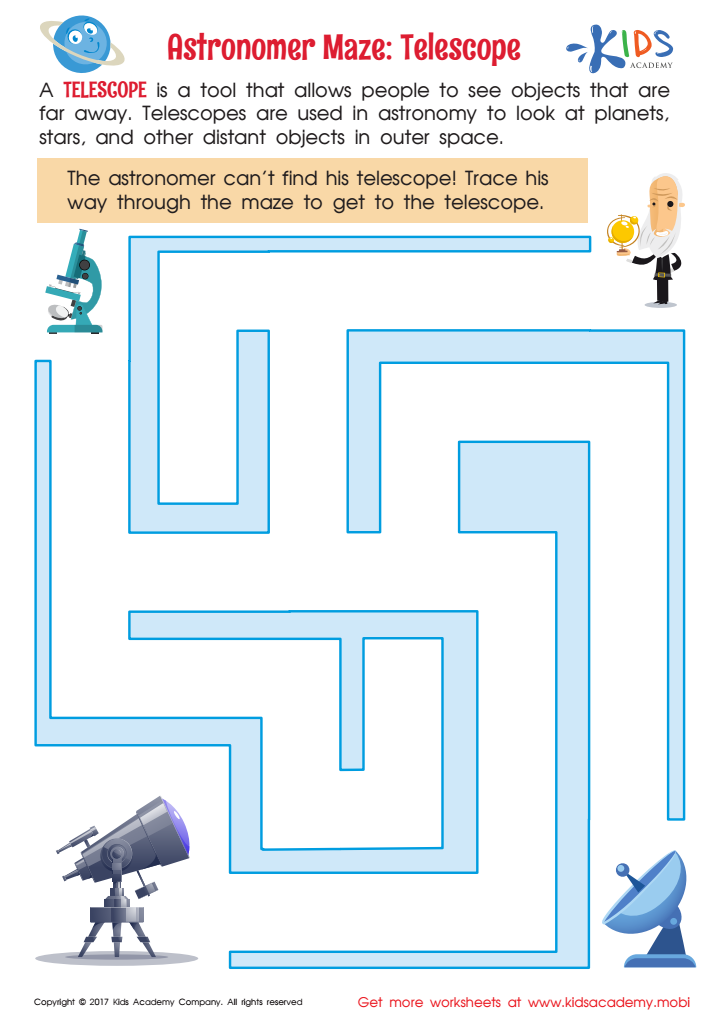
Astronomer Maze: Telescope Worksheet
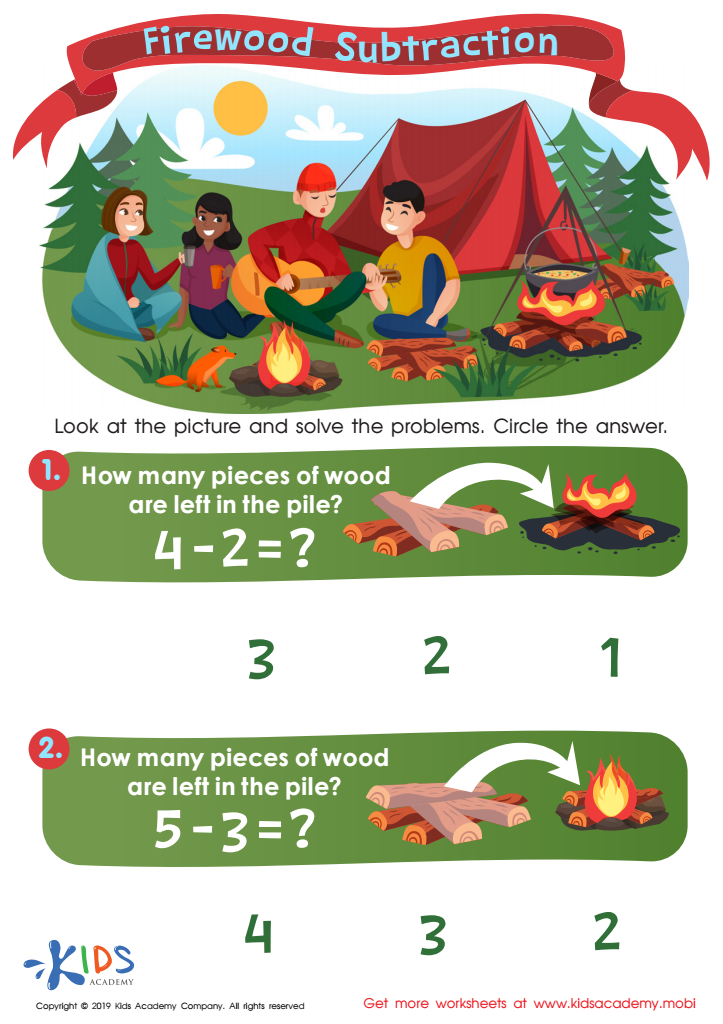
Firewood Subtraction Worksheet
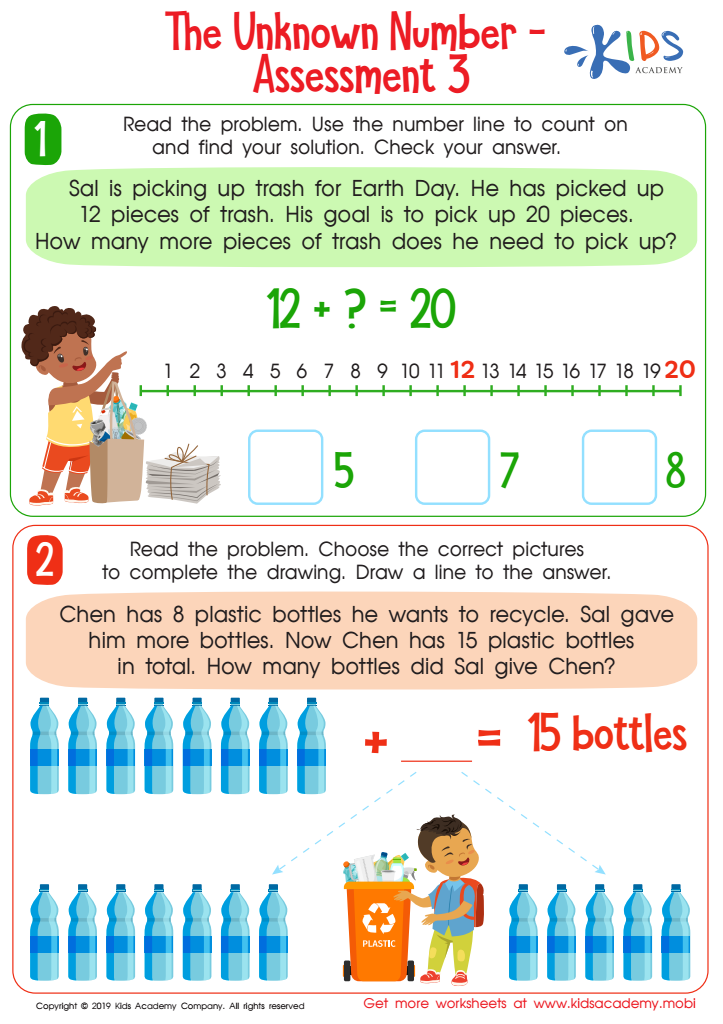
The Unknown Number - Assessment 3 Worksheet
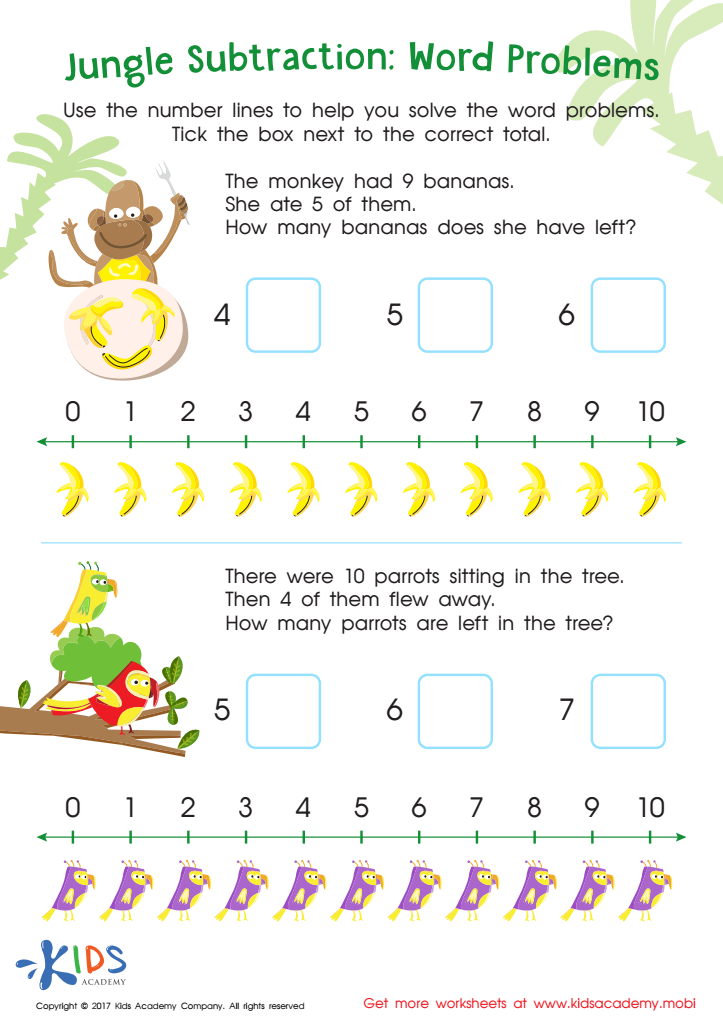
Jungle Subtraction Word Problems Substraction Worksheet
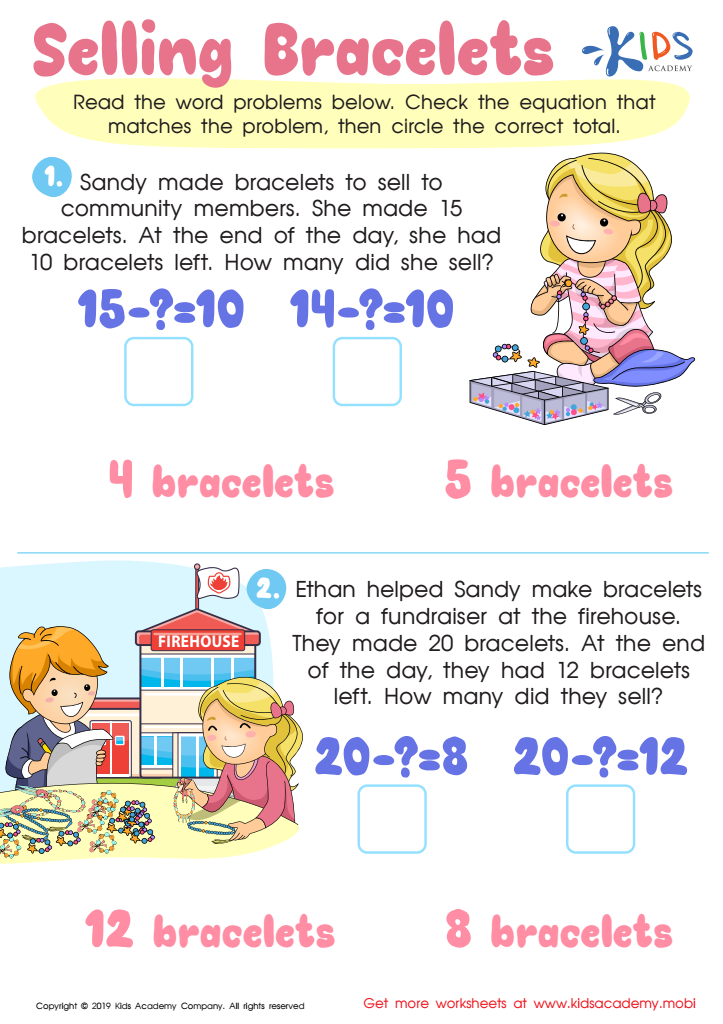
Selling the Bracelets Worksheet
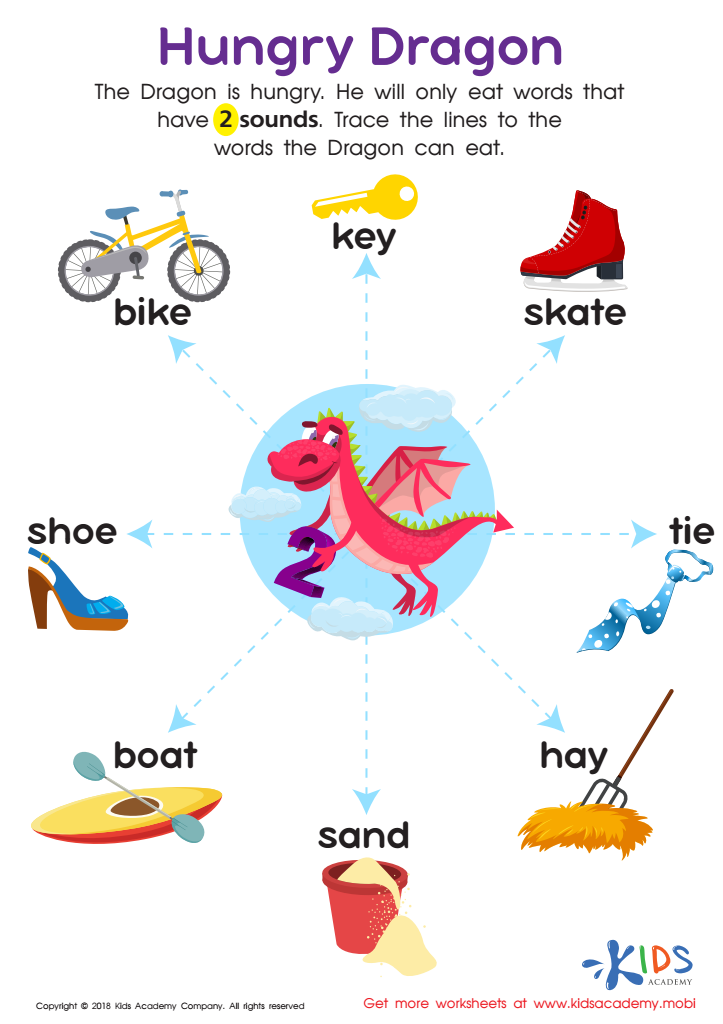
Hungry Dragon Worksheet
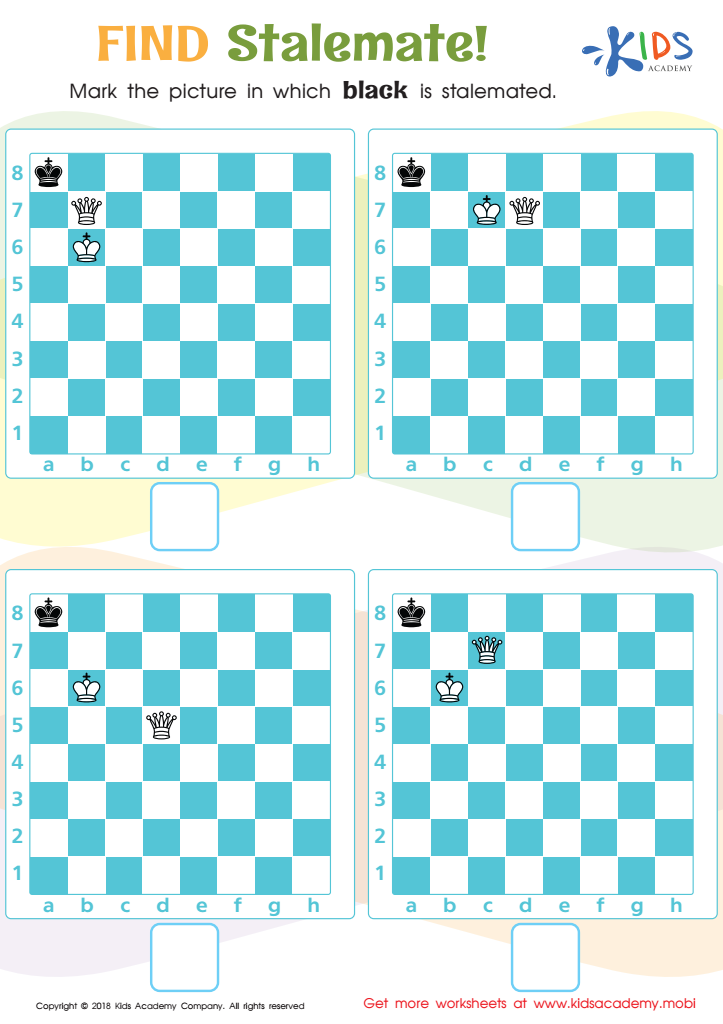
Find Stalemate! Worksheet
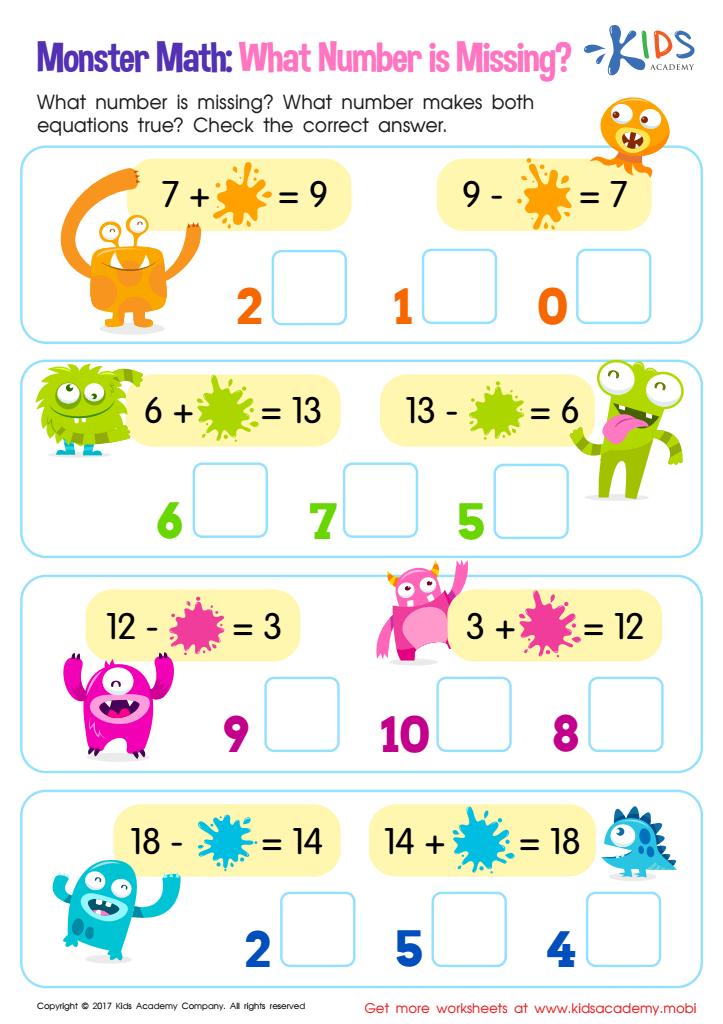
Missing Number: Monster Math Worksheet
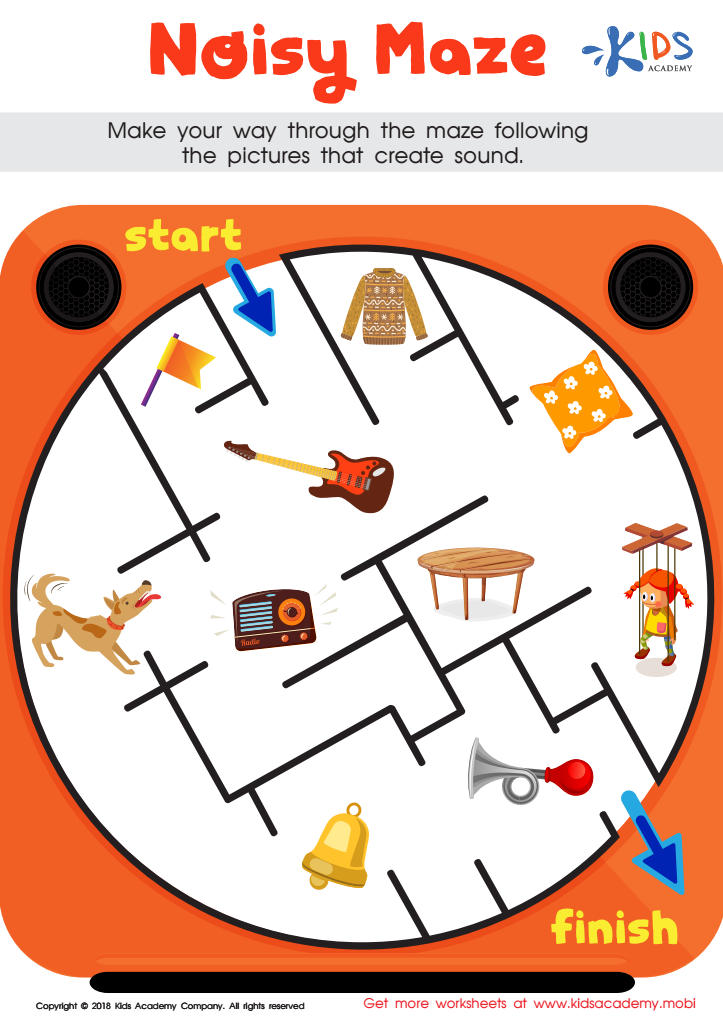
Noisy Maze Worksheet
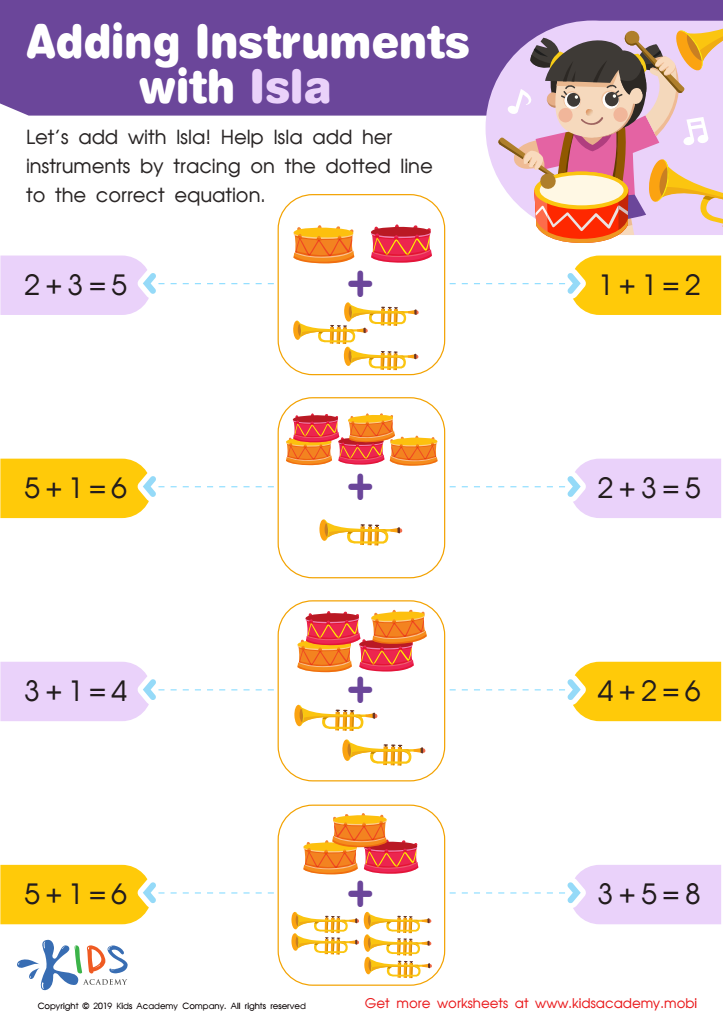
Adding Instruments with Isla Worksheet
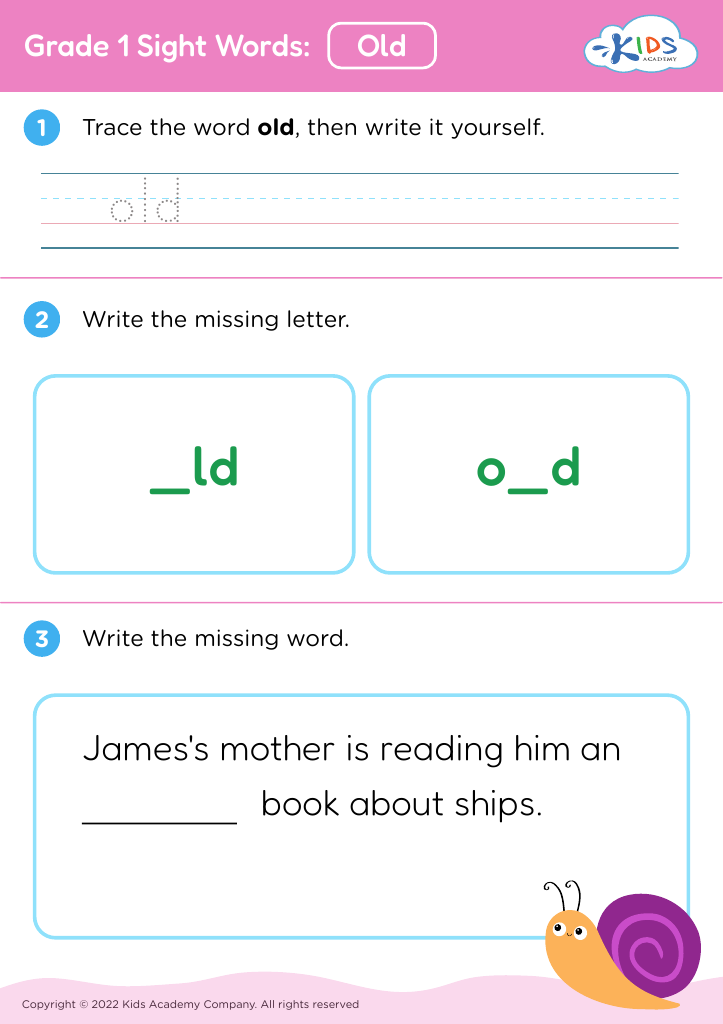
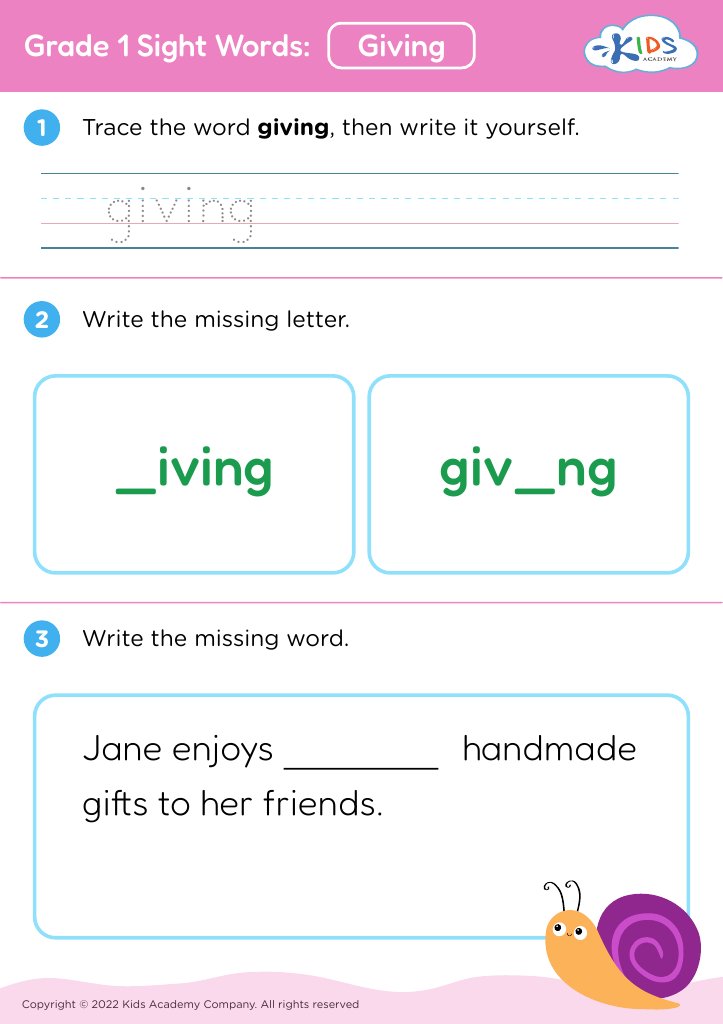
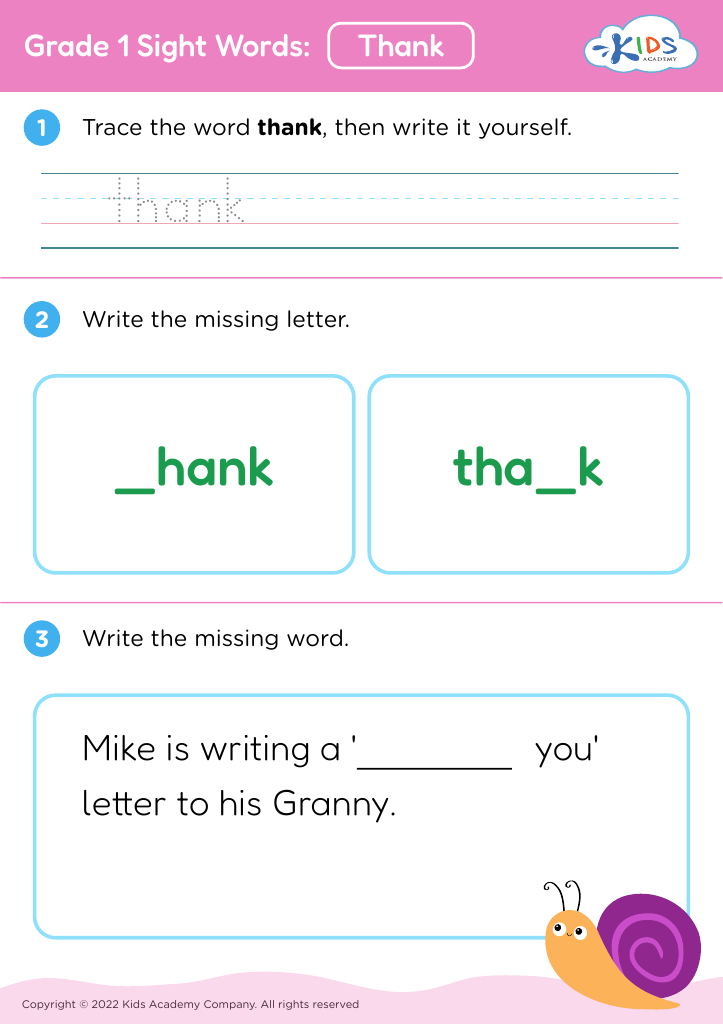
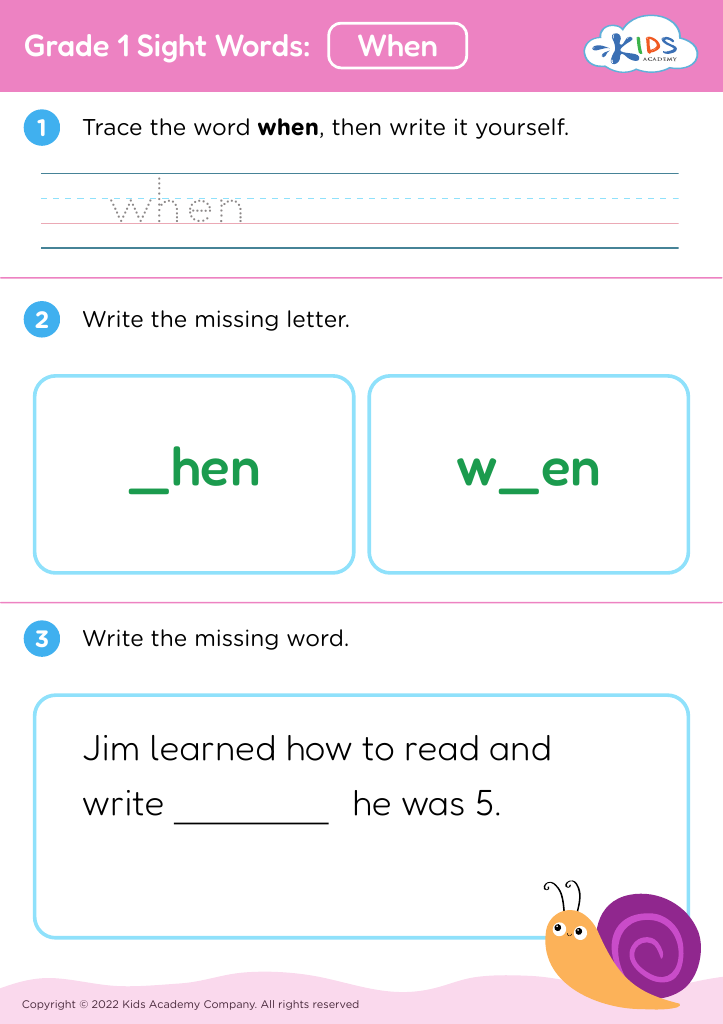








Problem-solving skills are vital for first graders as they lay the groundwork for academic success and lifelong learning. At this stage, children begin encountering more complex tasks in math, reading, and social interactions, and strong problem-solving abilities enable them to navigate these challenges effectively.
For parents and teachers, fostering these skills encourages children to think critically and independently. Engaging first graders in problem-solving activities helps develop their cognitive abilities, promoting logical reasoning and creative thinking. When children learn to approach challenges step-by-step, they build resilience and perseverance, essential traits for future endeavors.
Moreover, promoting problem-solving skills supports emotional development. When children face difficulties, they learn to manage frustration and anxiety while seeking solutions. This process enhances their confidence and self-efficacy, motivating them to tackle new challenges without fear of failure.
Additionally, these skills foster collaboration. Working on group problem-solving tasks teaches children how to communicate, share ideas, and respect diverse viewpoints, which are crucial in building social skills.
Overall, investing in problem-solving skills at a young age prepares children for more challenging academic tasks and equips them with essential life skills that will benefit them well beyond the classroom.