Fine Motor Skills Grade 1 Numbers up to 100 Worksheets
4 filtered results
-
From - To
Enhance your child's fine motor skills with our engaging Grade 1 worksheets focused on numbers up to 100. Designed for young learners, these printable resources help boost hand-eye coordination and promote dexterity through engaging activities like tracing, coloring, and number formation. By incorporating fun exercises that combine math with fine motor practice, your child will build essential skills necessary for writing and problem-solving. Each worksheet meets educational standards while captivating your child's interest. Encourage their development and unlock their potential with our expertly crafted fine motor skills worksheets, perfect for busy parents and educators alike. Download now and watch them thrive!
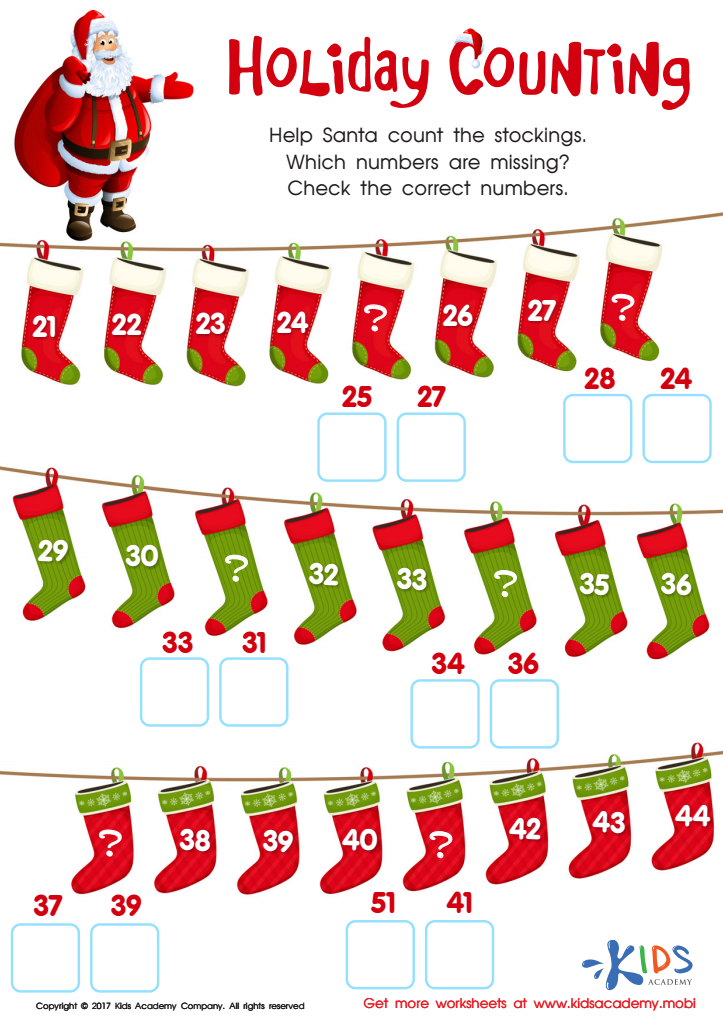
Holiday Counting Worksheet
 Assign to My Students
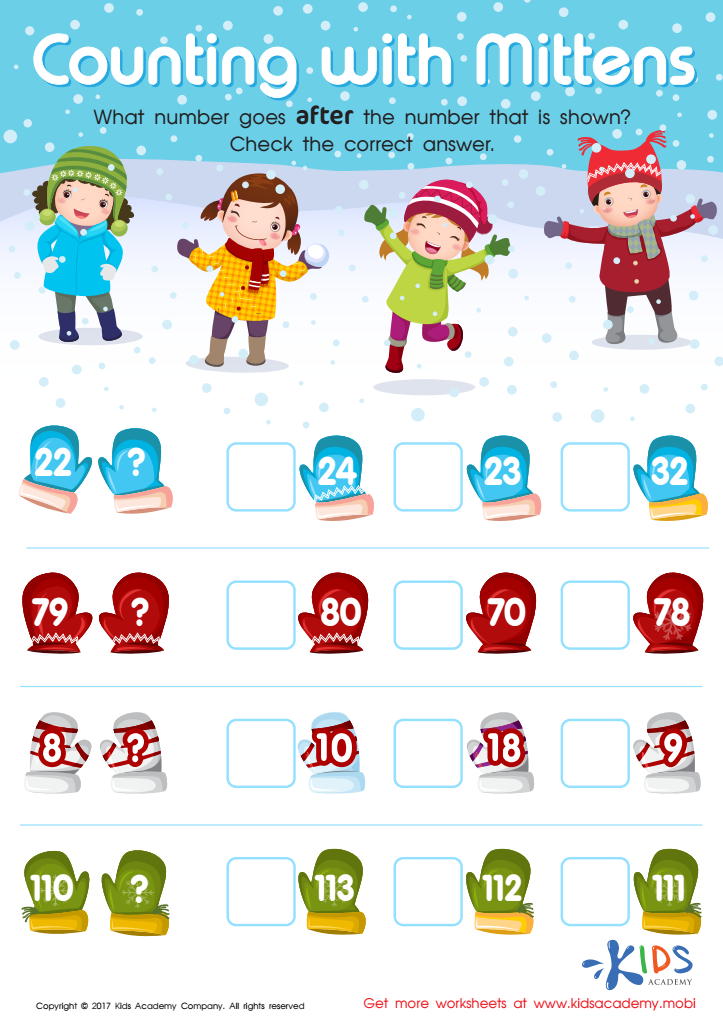
Counting with Mittens Worksheet
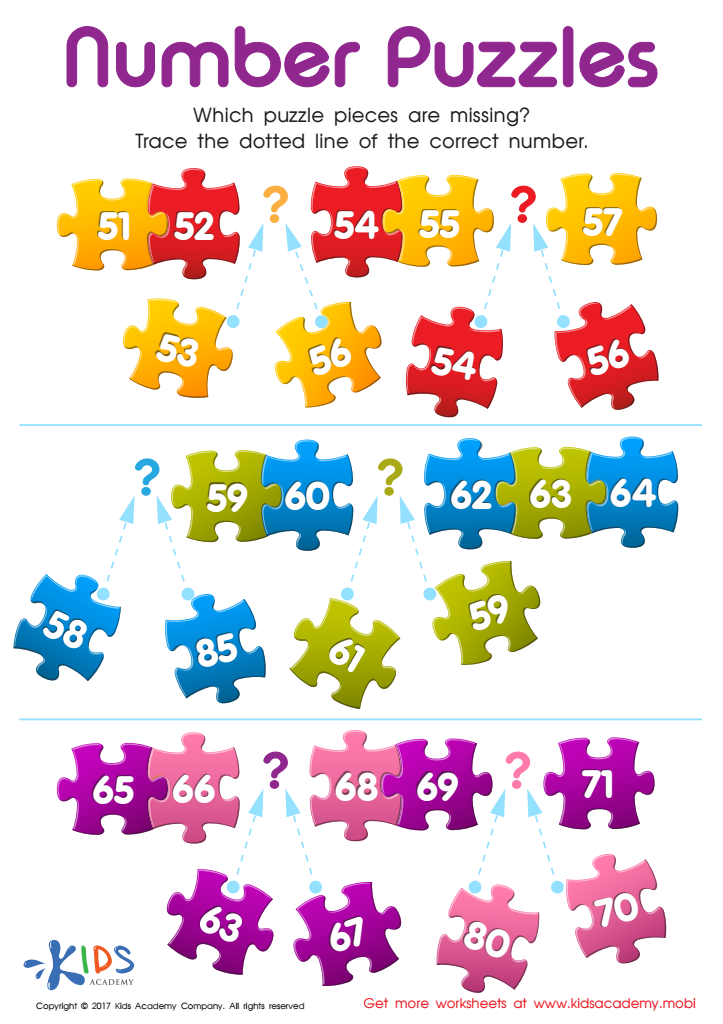
Number Puzzles Worksheet

Counting on the City Skyline: Dot-to-Dot Worksheet



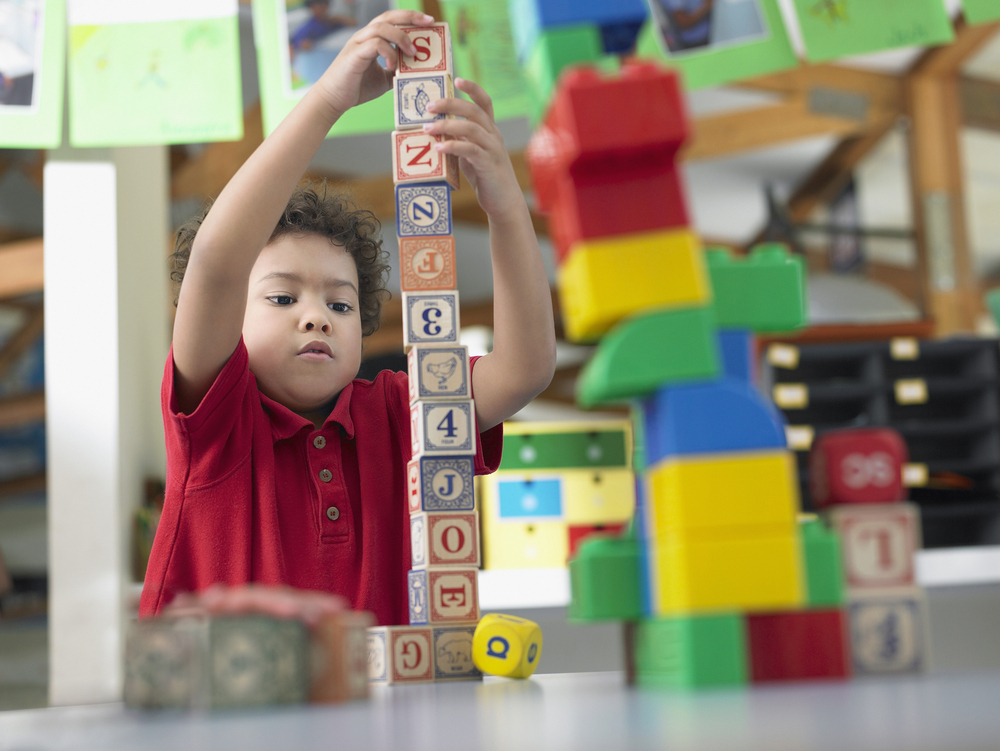



Fine motor skills are essential for young learners, particularly in Grade 1, as they play a crucial role in a child's overall development, especially when engaging with numbers up to 100. These skills involve the small muscles in the hands and fingers, enabling children to perform tasks such as writing, cutting, and manipulating objects with precision.
Parents and teachers should care deeply about fine motor skills because they directly impact a child's ability to learn and execute mathematical concepts related to numbers. For instance, when students are comfortable using tools like pencils, scissors, and manipulatives, they can better engage in activities such as counting, adding, and subtracting, fostering a more profound understanding of numeracy. Additionally, well-developed fine motor skills can boost a child's confidence and encourage a love for learning.
Moreover, fine motor development is linked to academic success. Children who struggle with these skills may find math tasks frustrating, potentially leading to disengagement and a negative attitude toward learning. By supporting fine motor skill development, educators and parents create a strong foundation for children, enabling them to tackle numerical concepts with ease, confidence, and enthusiasm. Investing in these skills ensures a smoother transition toward more complex academic challenges in the future.