
Pattern recognition Extra Challenge Worksheets for Ages 3-4
7 filtered results
Difficulty Level
Grade
Age
-
From - To
Subject
Activity
Standards
Discover our engaging "Pattern Recognition Extra Challenge Worksheets" designed specifically for children aged 3-4. These worksheets provide a fun and interactive way to develop crucial early math skills through color, shape, and object sorting exercises. Perfect for preschool learning, our activities spark curiosity and enhance cognitive abilities as little learners identify and create patterns. Each worksheet is carefully crafted to ensure it aligns with developmental milestones, promoting critical thinking and problem-solving skills. Give your child a head start in learning with these stimulating challenges that blend education with enjoyment.
Explore the wonders of pattern recognition today!
Favorites
With answer key
Interactive
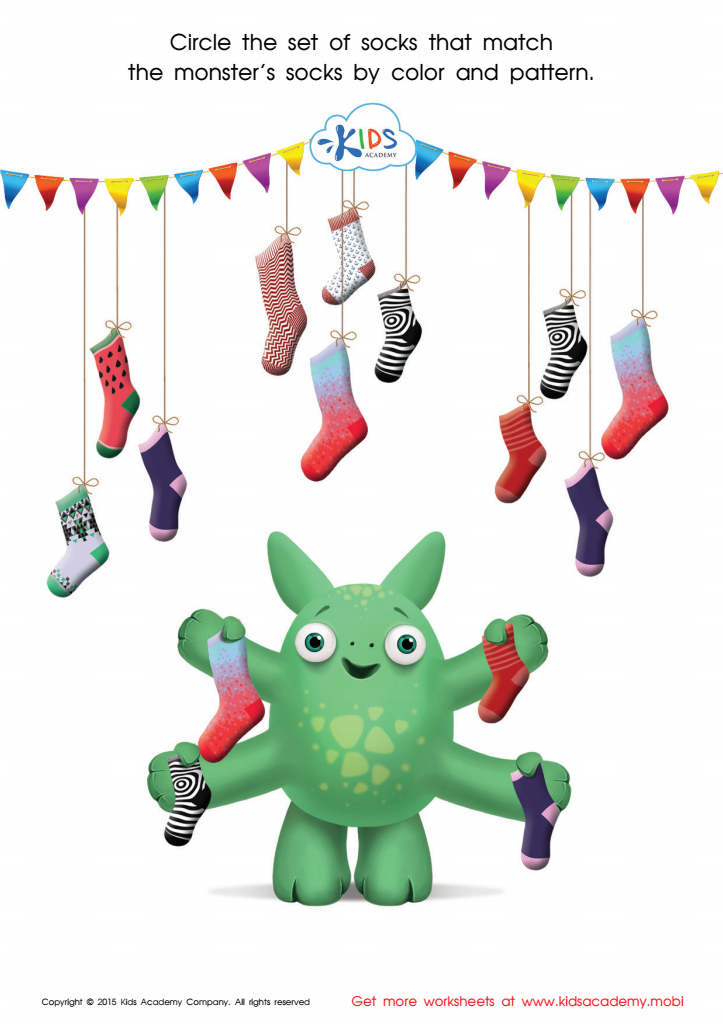
Sort the Monster's Socks Worksheet
Let your little one challenge herself and practice with matching Monster socks. She must be very attentive to match the same socks and draw a line connecting them!
 Assign to My Students
Sort the Monster's Socks Worksheet
Worksheet
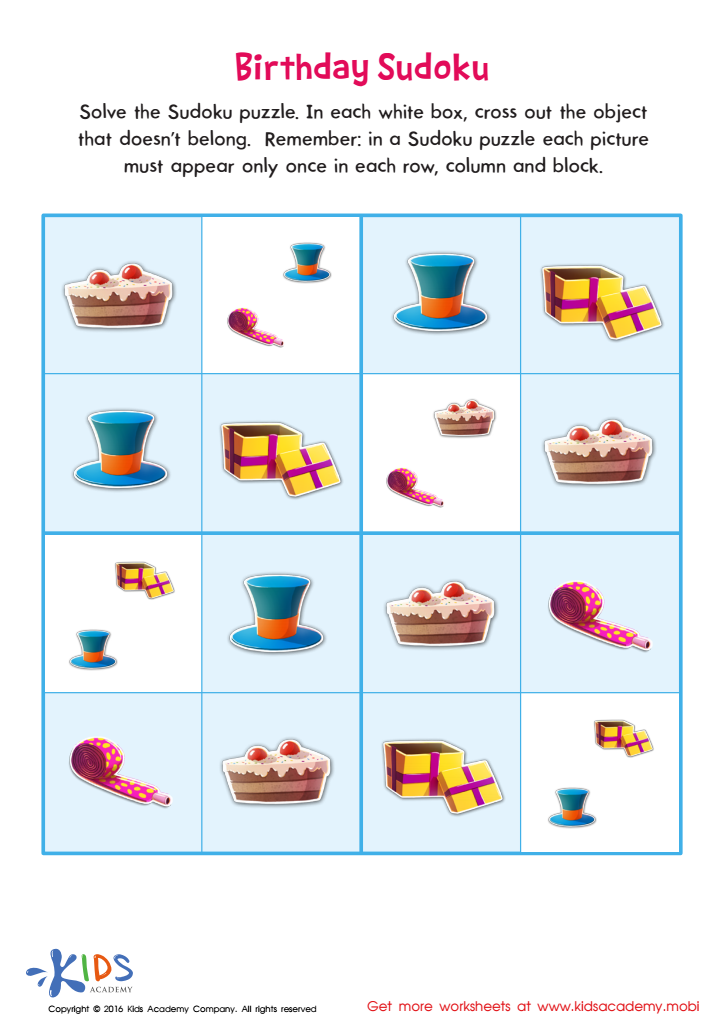
Birthday Sudoku Sorting Worksheet
With this Sudoku printable, your child will have fun and strengthen their problem-solving skills.
Birthday Sudoku Sorting Worksheet
Worksheet
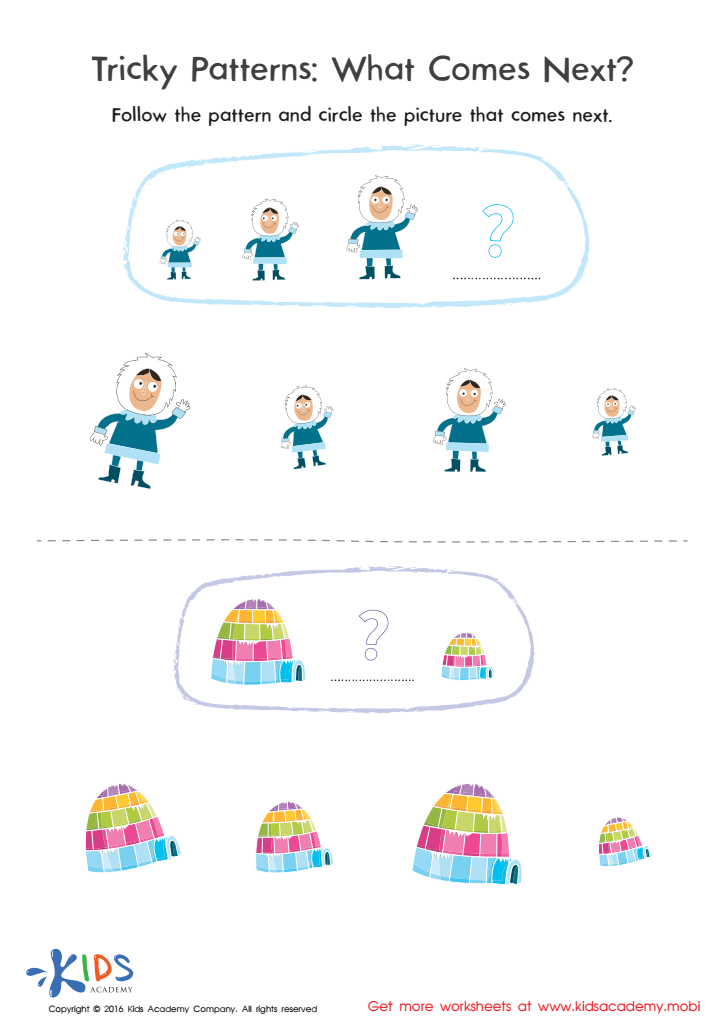
Tricky Patterns Size Worksheet
Give your child a head start on critical thinking with this picture pattern worksheet! It's an intriguingly fun way to help them master important skills like spatial reasoning, critical thinking, and logical reasoning. They'll differentiate between shapes, complete the pattern with a logical answer, and look for and understand patterns. It's the perfect foundation for future math skills, setting them up for future success!
Tricky Patterns Size Worksheet
Worksheet
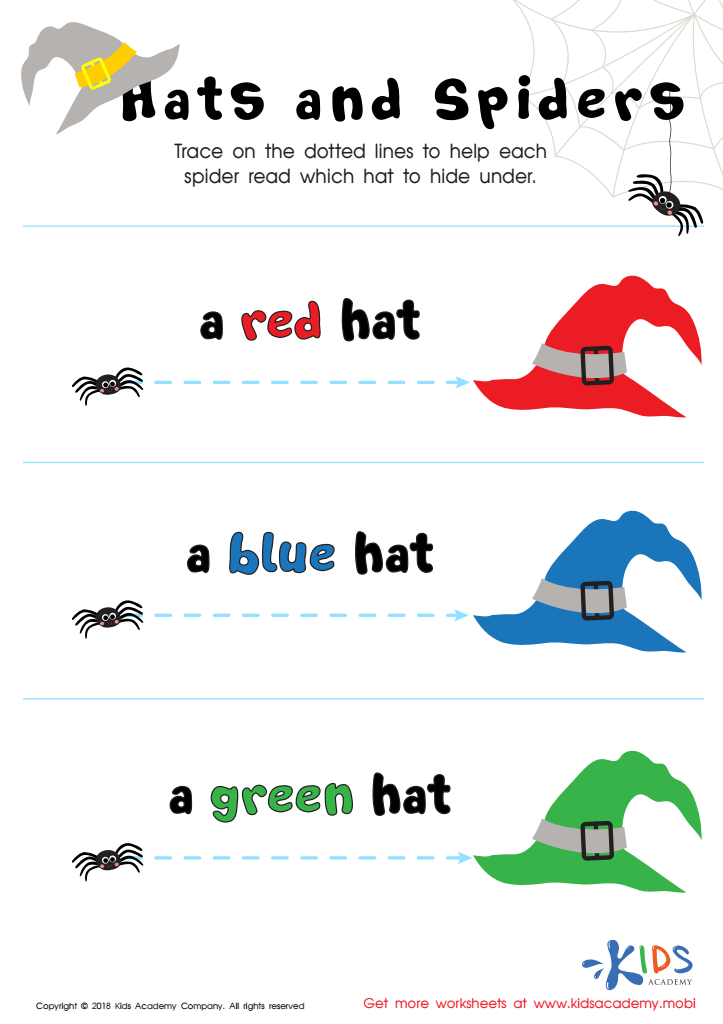
Read from Left to Right: Hats and Spiders Worksheet
Do your kids love or fear spiders? Either way, they'll enjoy helping the little critters with this traceable worksheet. Ask them to read out the words in the picture, explaining it's the description of the hats. Then help them trace on the dotted lines, so the spiders know which hat to hide under.
Read from Left to Right: Hats and Spiders Worksheet
Worksheet
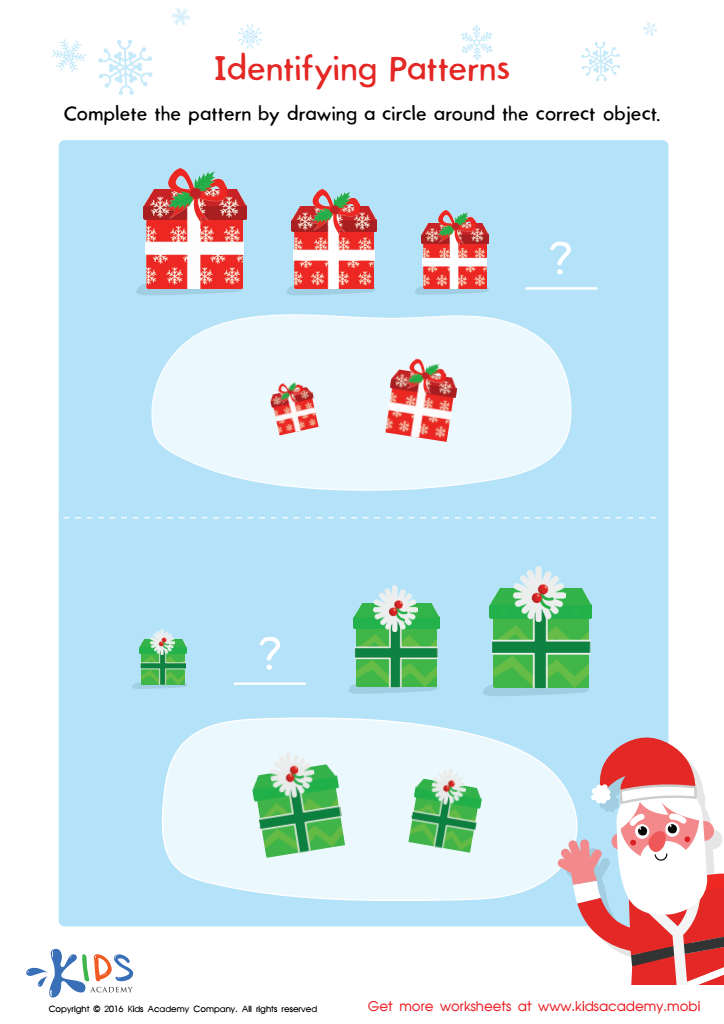
Identifying Patterns Worksheet
Kids can have fun as they learn with this festive worksheet! They'll practice early math skills while identifying patterns with colorful Christmas presents. Have your child get ready for the holidays by finding out which box comes next in the pattern!
Identifying Patterns Worksheet
Worksheet
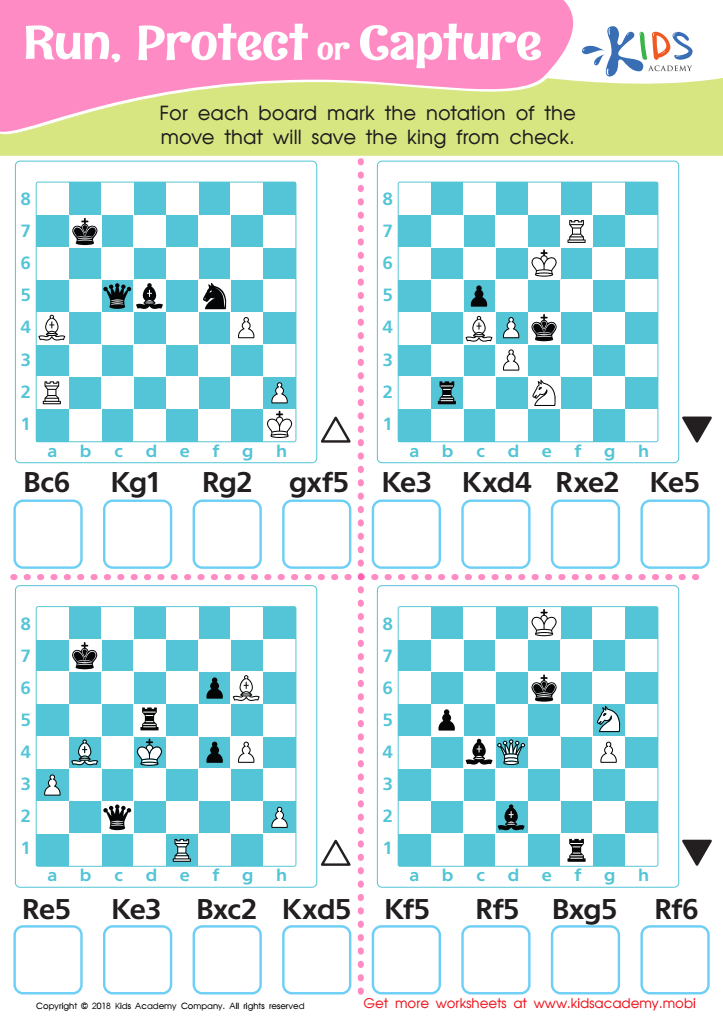
Run, Protect or Capture Worksheet
When kids play chess, they're not only striving to win - they're sharpening their critical thinking and problem-solving prowess. With this free PDF worksheet, they learn how to protect their king from check, whether it's running away, shielding it or capturing the checking piece. Sample boards offer them the chance to practice.
Run, Protect or Capture Worksheet
Worksheet
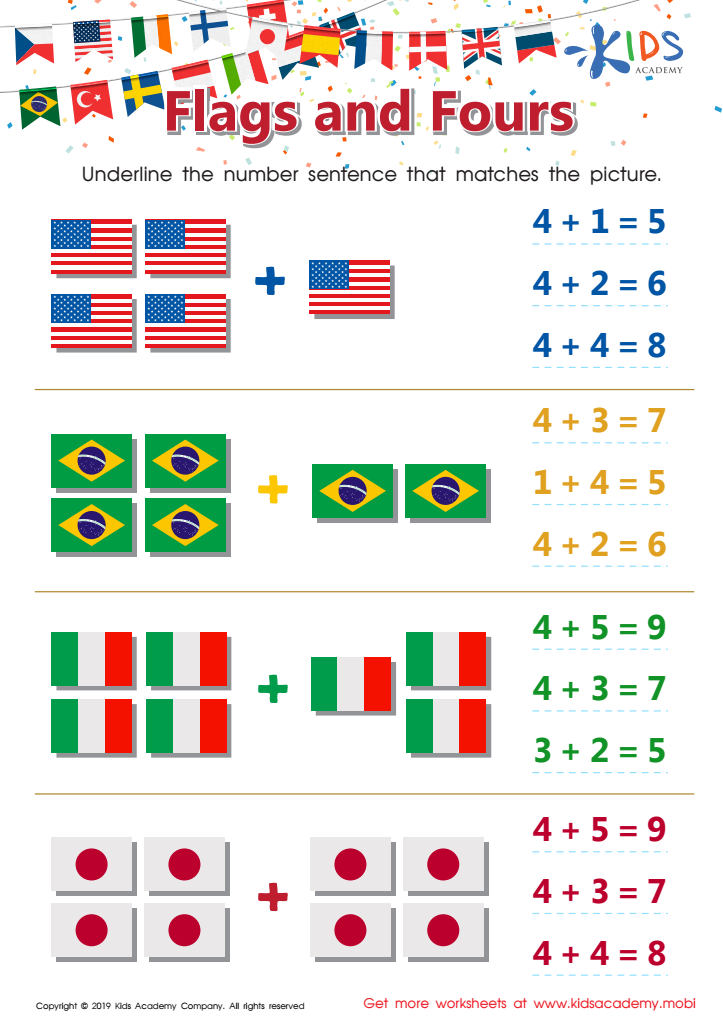
Flags and Fours Worksheet
Have your kids identify country flags from this colorful printout. Then, ask them to underline the number sentence that goes with each flag. Combining math with national flag recognition strengthens kids' knowledge of both, promoting an understanding of identity and numbers.
Flags and Fours Worksheet
Worksheet
Join Kids Academy for Free
Who is primarily going to use this learning content?







Pattern recognition is a fundamental cognitive skill that plays a crucial role in early childhood development, especially for children aged 3-4. Parents and teachers should prioritize this skill because it lays the groundwork for critical thinking, problem-solving, and mathematical reasoning. By engaging young learners in pattern recognition activities, they boost the children's ability to observe, interpret, and predict outcomes based on repeated elements, enhancing their analytical skills.
Understanding patterns not only prepares children for future academic subjects like math and science but also fosters creativity by encouraging them to make connections between different concepts. Activities that promote pattern recognition can include sorting objects, recognizing sequences in stories, or participating in rhythm games. These exercises also stimulate language development as children describe and share their observations.
Moreover, engaging children in pattern recognition fosters social skills. Group activities surrounding this challenge encourage cooperation, communication, and sharing, vital aspects of their socialization process. Ultimately, prioritizing pattern recognition helps young children build a strong foundation for lifelong learning, enabling them to become competent and confident learners who are excited to explore and understand their world. Thus, parents and teachers should emphasize the significance of pattern recognition as an integrated part of early childhood education.








