
Vocabulary expansion Extra Challenge Worksheets for Ages 3-4
25 filtered results
Difficulty Level
Grade
Age
-
From - To
Subject
Activity
Standards
Boost your child's language development with our "Vocabulary Expansion Extra Challenge Worksheets for Ages 3-4". Perfectly designed for curious little learners, these worksheets introduce engaging activities that enrich vocabulary through fun, interactive exercises. Each worksheet integrates colorful images and simple words to captivate young minds and enhance their comprehension. Our challenges not only support word recognition but also introduce new concepts, fostering both learning and confidence. Ideal for preschool and early kindergarten, these worksheets offer an extra challenge beyond basic skills, ensuring a solid foundation in language development. Help your child excel and enjoy learning with our innovative resources.
Favorites
With answer key
Interactive
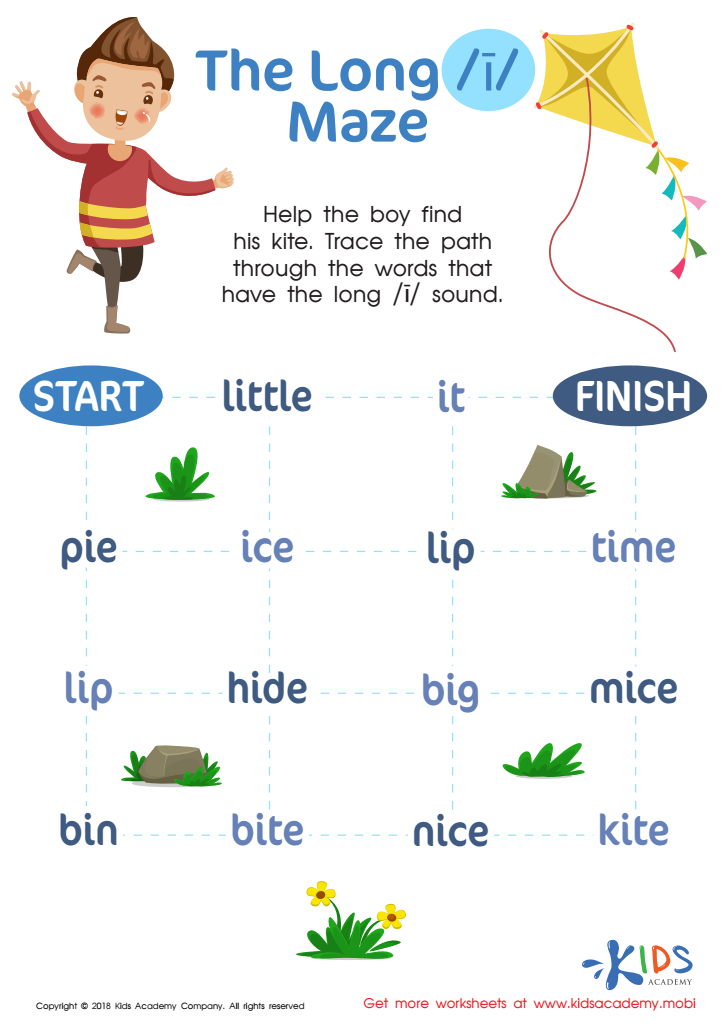
The Long I Maze Reading Worksheet
Help your child learn phonics to help them read. Show them the difference between long and short "i" sounds. Guide them as they use a pencil to trace words with the long "i:" sound in the "Help the Boy in the Picture" worksheet exercise. This will help them find the kite in the picture.
 Assign to My Students
The Long I Maze Reading Worksheet
Worksheet
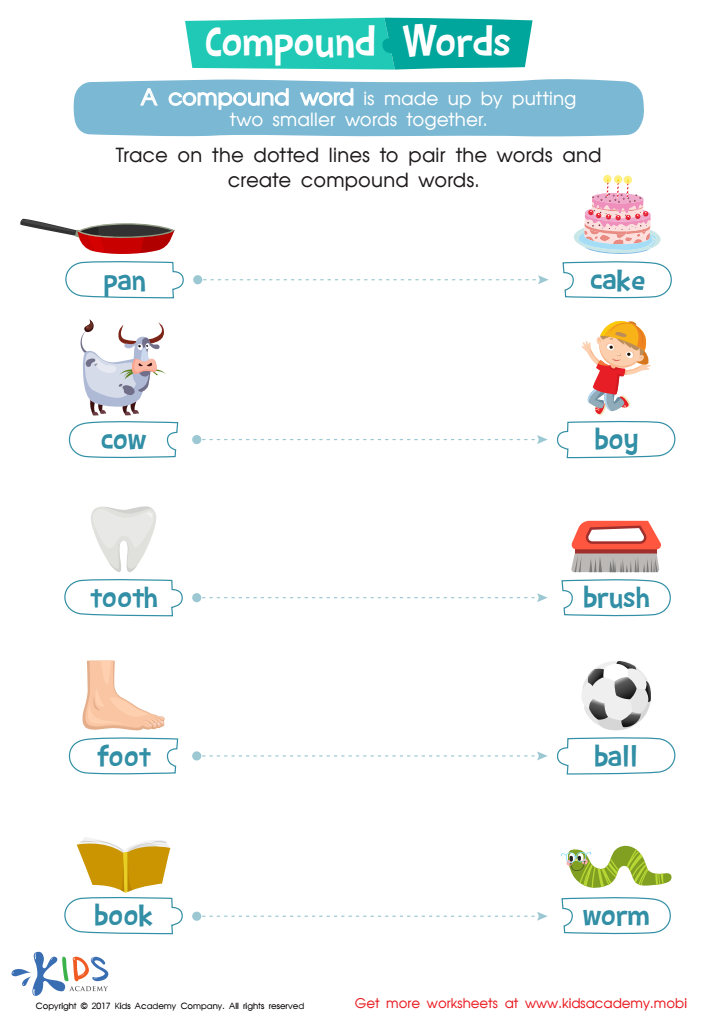
Compound Words Word Structure Worksheet
Studying compound words is a great way to improve reading and writing skills! Try this fun worksheet: Compound Words – trace the lines to make new words! It's an easy and enjoyable way to get better at English.
Compound Words Word Structure Worksheet
Worksheet
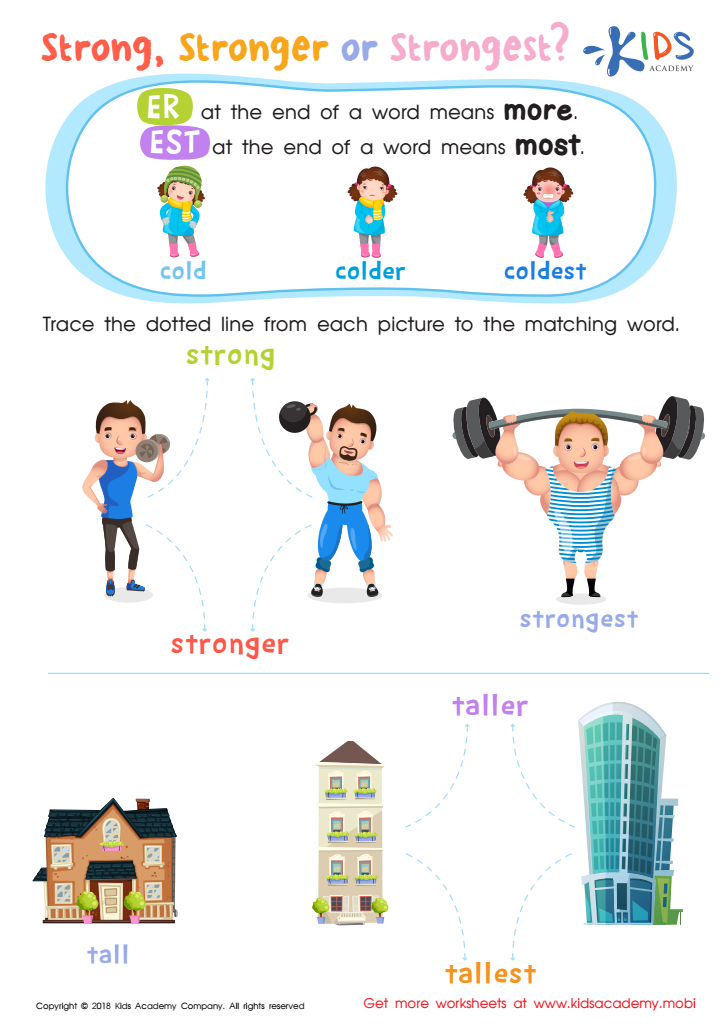
Strong or Stronger? Worksheet
Help your child understand the concept of size gradients with a fun worksheet. Explain to them that adding "-er" to words means "more" and "-est" means "most". Point to the pictures and have your little one trace the dotted line to the corresponding words to learn the concept of highest and lowest.
Strong or Stronger? Worksheet
Worksheet
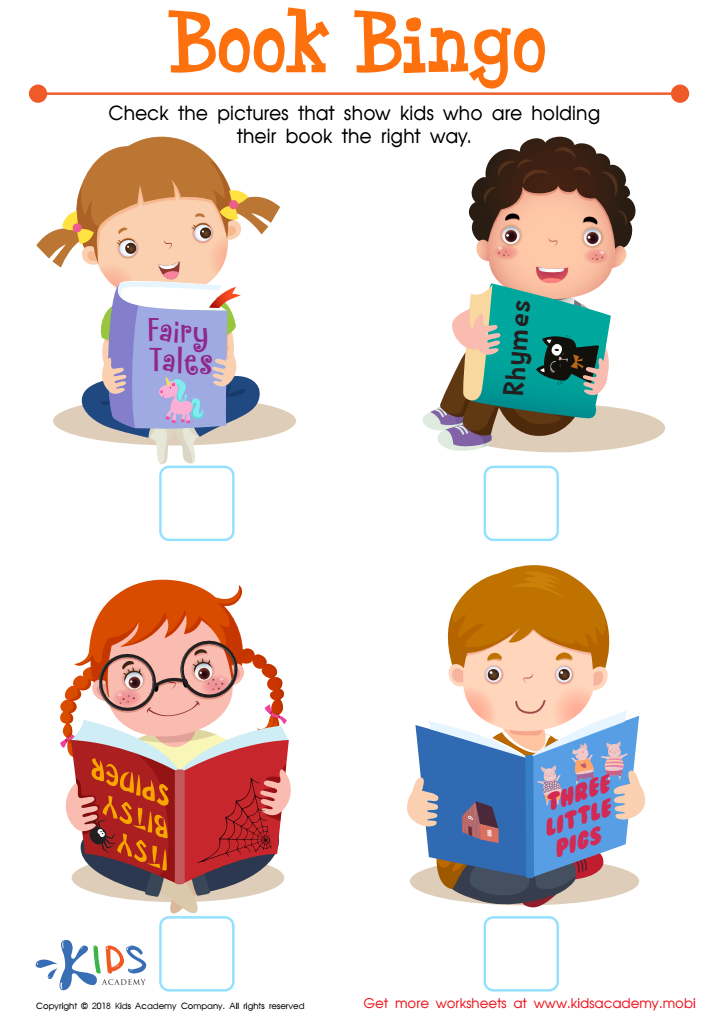
Book Bingo Worksheet
Help your kids spot which of the kids in the worksheet are reading correctly. Early instruction in reading helps ensure kids won't face problems later on, plus any impairments can be identified and corrected quickly. Can your child read? Have them check the pictures of kids holding books the right way.
Book Bingo Worksheet
Worksheet
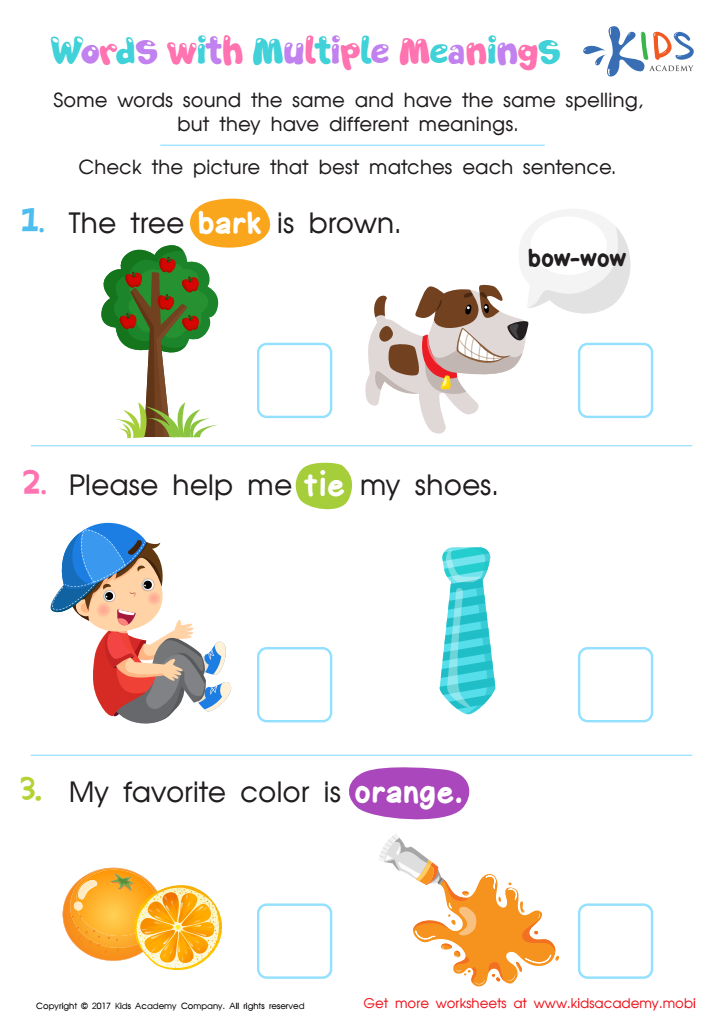
Words with Multiple Meanings Worksheet
Young authors can struggle with homographs – words that sound the same and have different meanings. This PDF worksheet uses pictures to help them easily differentiate homographs and contextualize their use. It's an engaging way to introduce them to homographs, helping them to navigate tricky words when writing.
Words with Multiple Meanings Worksheet
Worksheet
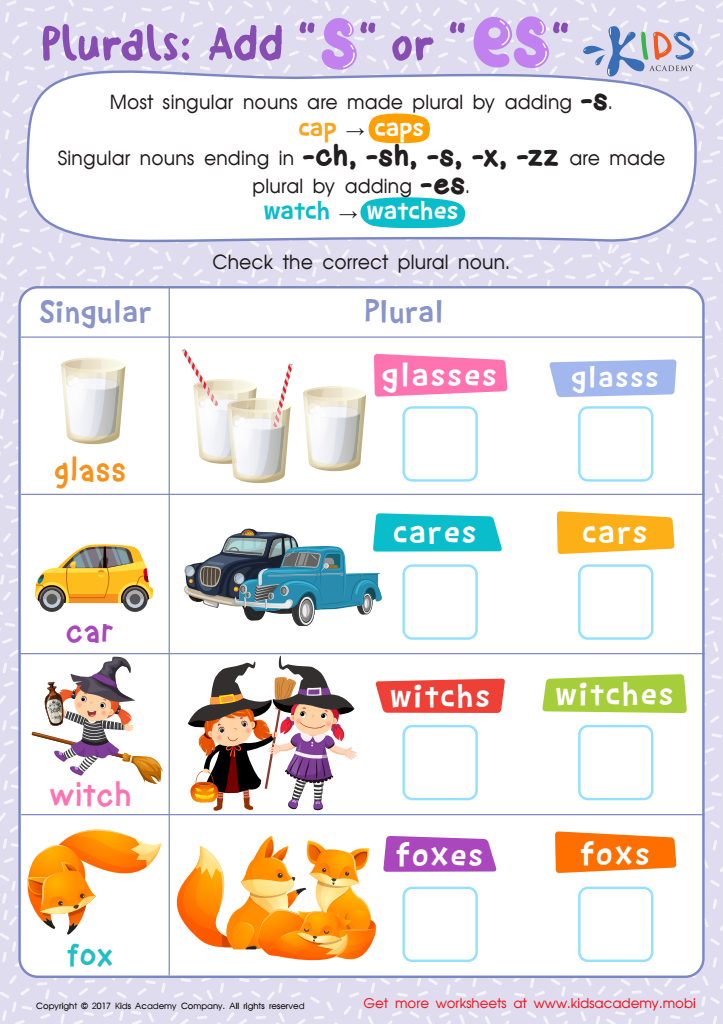
Plurals: "–es" or "–es"? Worksheet
Learning plural nouns can be tough for young readers. This worksheet shows them the difference between singular and plural spelling with cute images. Read each word and check the correct version. Remind them why the other ending can't be used.
Plurals: "–es" or "–es"? Worksheet
Worksheet
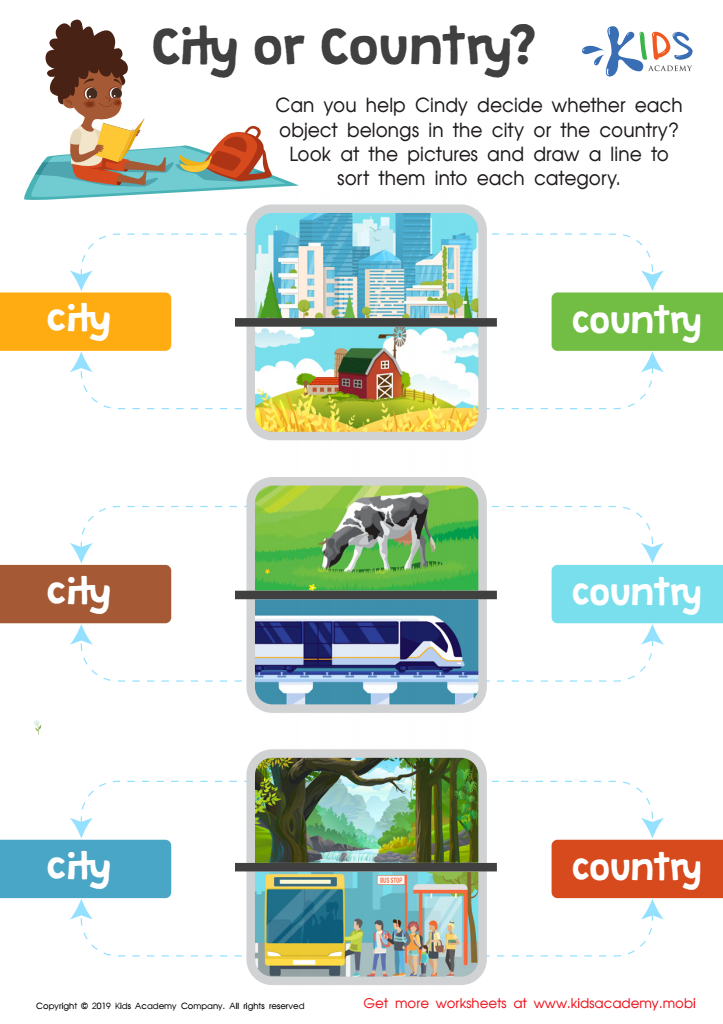
City or Country? Worksheet
Whether city or country, both have distinct attributes. Cities have skyscrapers, public transport, and many business people, whereas the countryside is rural and full of nature, often farms. Download this PDF to help your child and Cindy use traced lines to decide which picture fits city or country.
City or Country? Worksheet
Worksheet
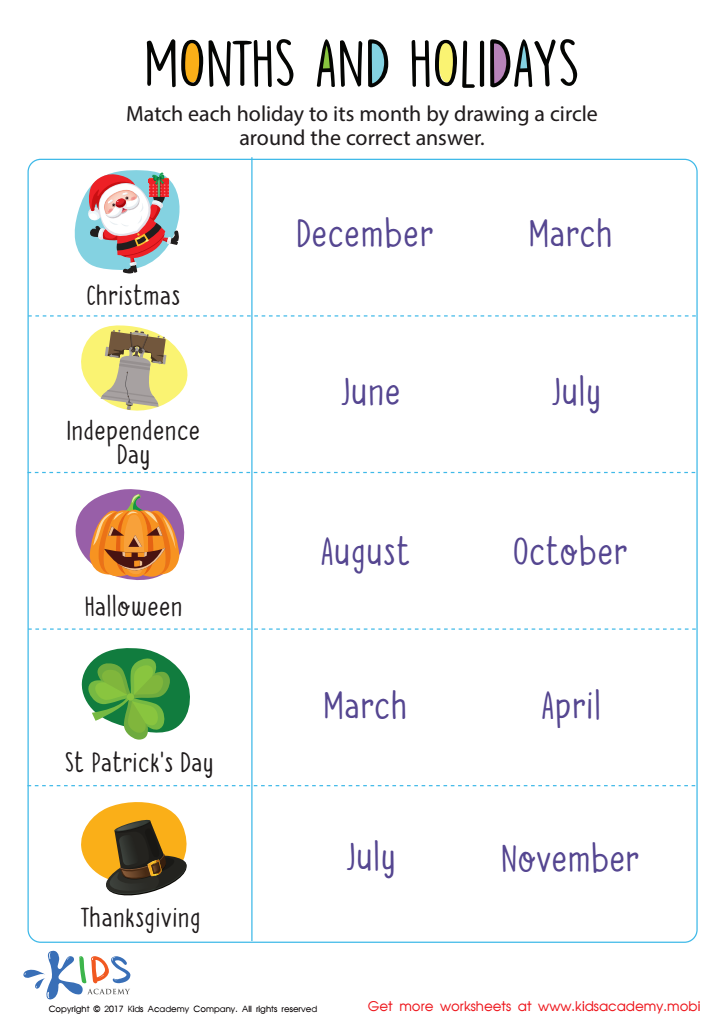
Months and Holidays Worksheet
Kids have fun learning about holidays and the calendar with this PDF worksheet! As they work, they'll connect holiday sights and symbols to their respective months. It's a great way for kids to gain an understanding of the yearly cycle!
Months and Holidays Worksheet
Worksheet
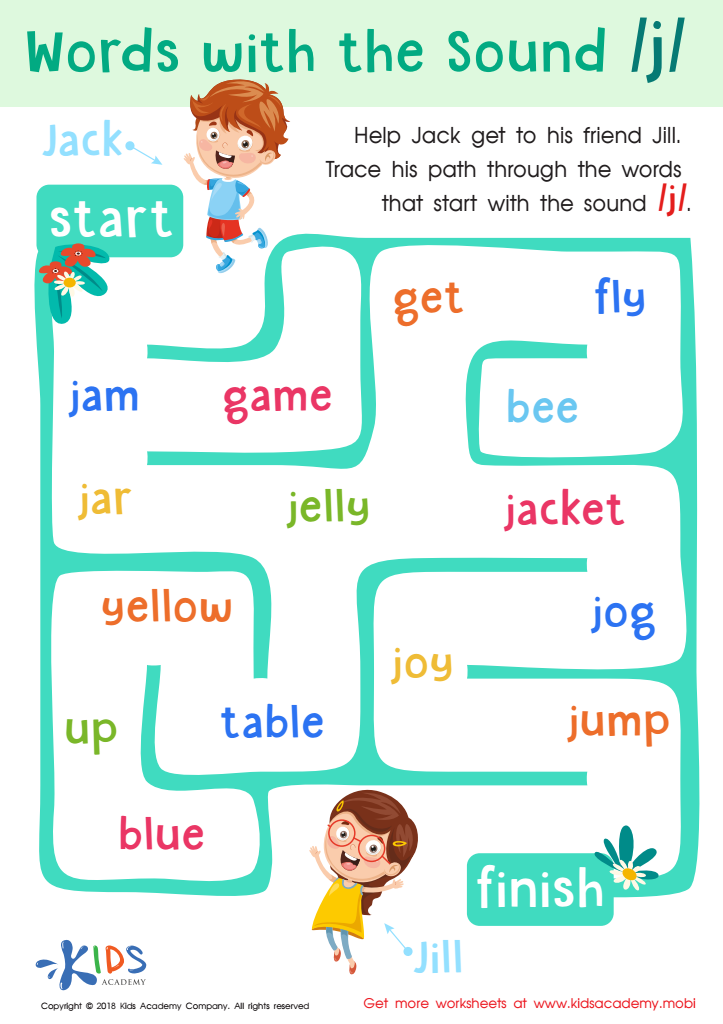
Words with sound j Reading Worksheet
Don't be fooled: The letter J sounds like G in this letter sounds maze! Kids will enjoy helping Jack find Jill by listening to beginning sounds and tracing a path to the exit. Choose words that start with the letter J sound to complete the challenging maze!
Words with sound j Reading Worksheet
Worksheet
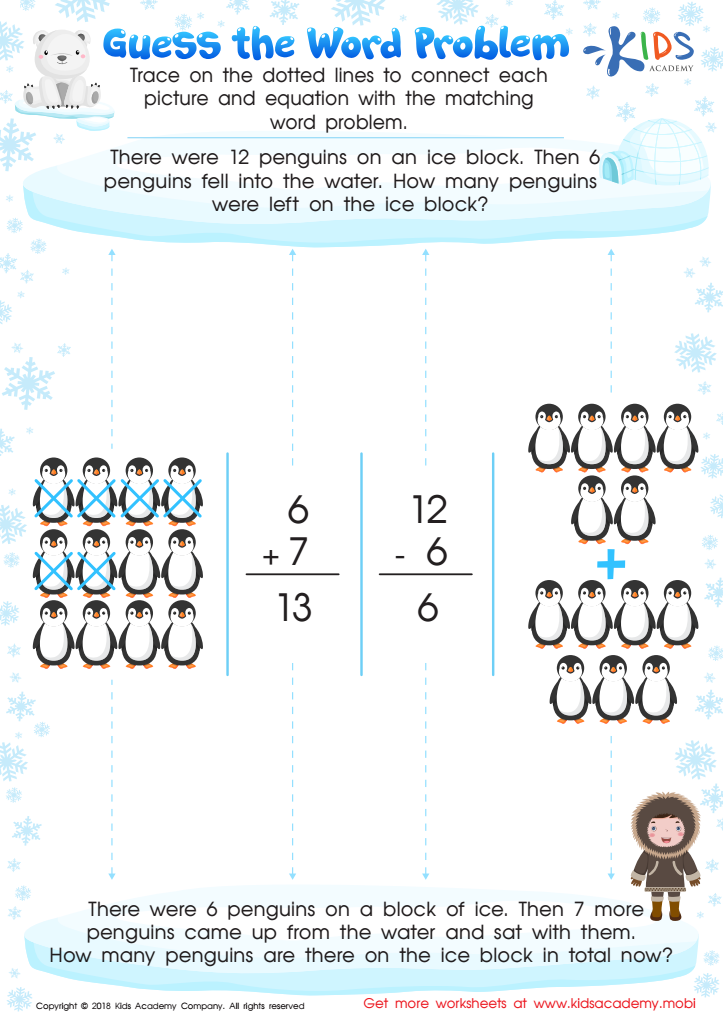
Guess the Word Problem Worksheet
Head to the Arctic Circle for math word problems with penguins, bears, and eskimos! This winter printable worksheet helps kids enjoy math with cute images. Guide kids through addition and subtraction in standard form with the penguins. Compare word problems to its written and pictorial forms for an enjoyable lesson!
Guess the Word Problem Worksheet
Worksheet
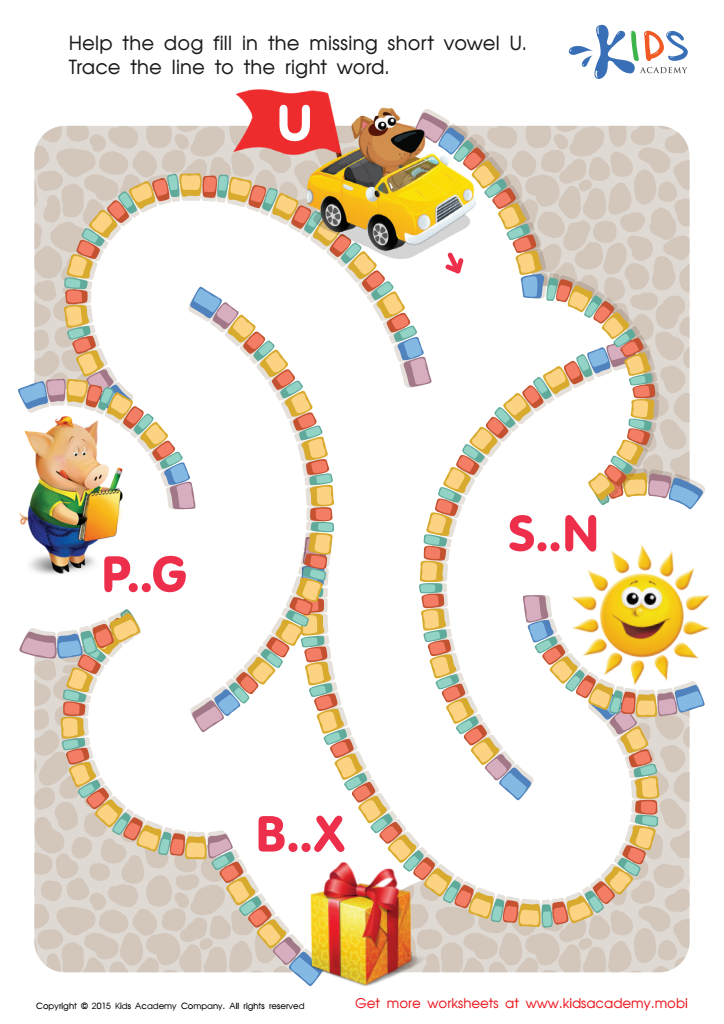
Short Vowel Sound U Worksheet
Practice abc phonics to help young learners link sounds to letters. This free printable phonics worksheet helps your kid learn the short vowel sound U. Guide them through the maze to help the dog complete the word "sun". Make sure they say the word out loud to emphasize the short U sound. Check out more phonics worksheets with mazes here.
Short Vowel Sound U Worksheet
Worksheet
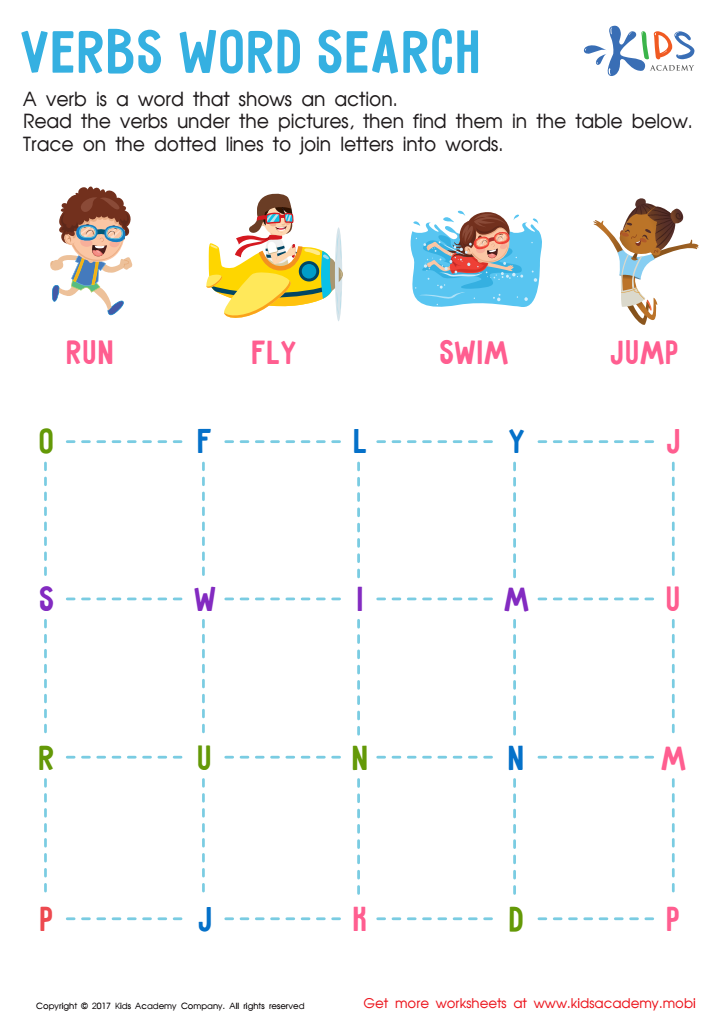
Verbs Word Search Worksheet
Ask your child if they understand the meaning of the word "verb". If not, explain that it's a word that shows an action. Give examples of familiar verbs. Then look at the pictures in the tracing sheet and read the words. Ask your child to follow the dotted lines to find the hidden words. Perfect tool to teach spot and use verbs!
Verbs Word Search Worksheet
Worksheet
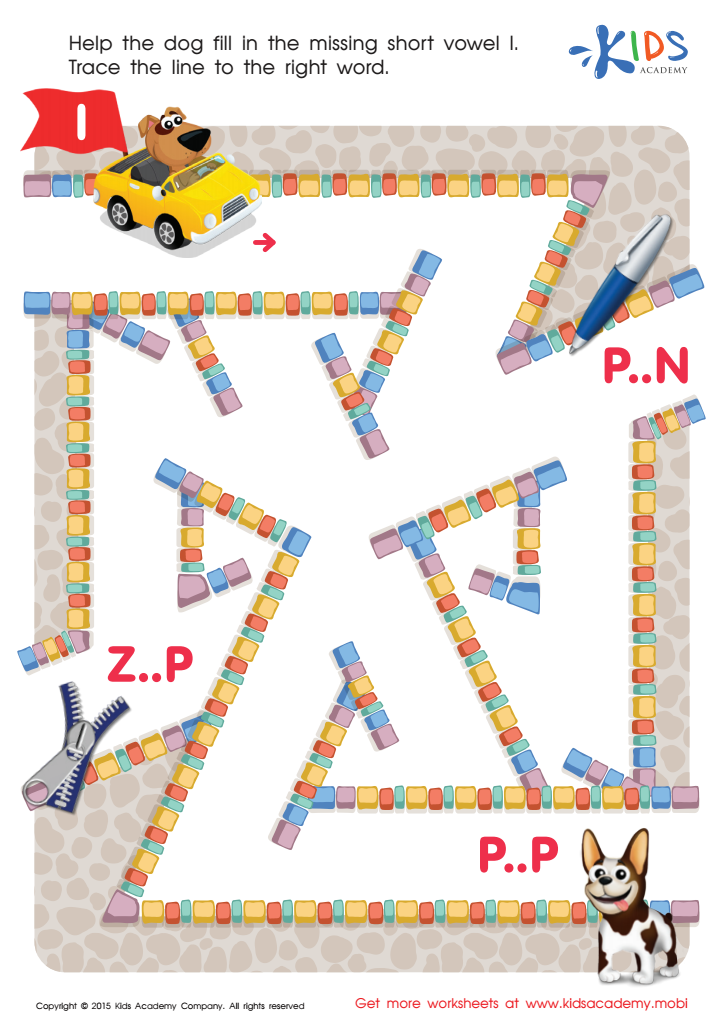
Short Vowel Sound I Worksheet
This free printable phonics worksheet will get your kid prepped for reading! It's a maze to help the dog complete the word “zip” with the missing letter I. Have your kid say the word aloud to learn the I sound. It's a great way to practice reading, writing and spelling skills. Check out here for more phonics worksheets!
Short Vowel Sound I Worksheet
Worksheet
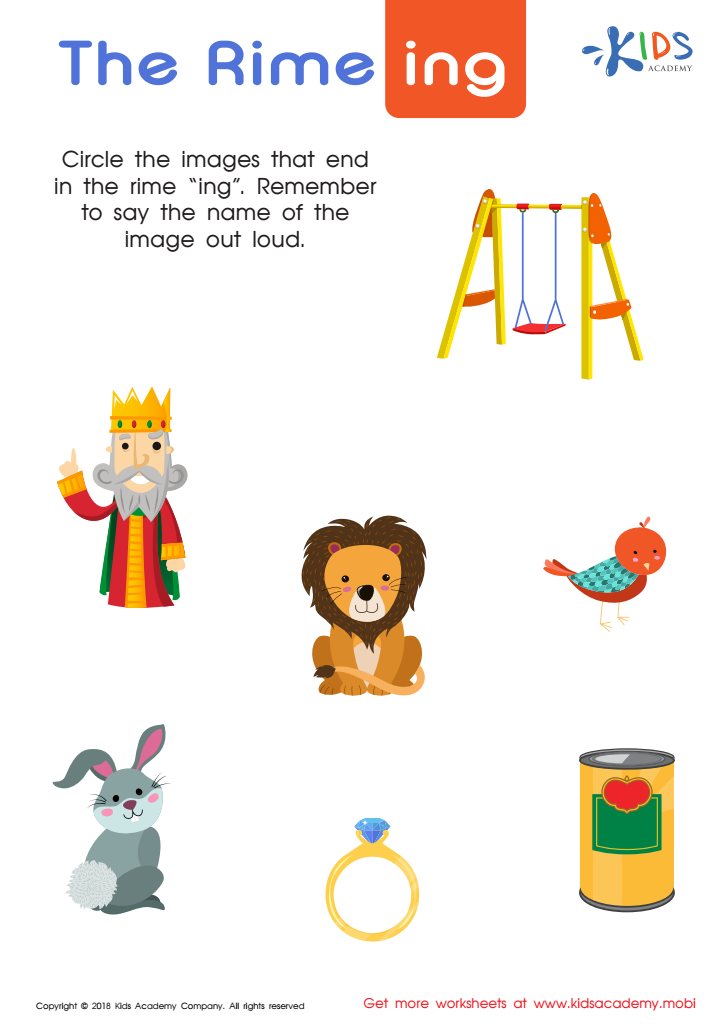
The Rime "ing" Worksheet
Teach children about word families and build their spelling and writing strategies with this colorful PDF worksheet. It features familiar pictures for children to name, encouraging them to circle those that end in "ing". This engaging activity will help develop reading skills in a fun way.
The Rime "ing" Worksheet
Worksheet
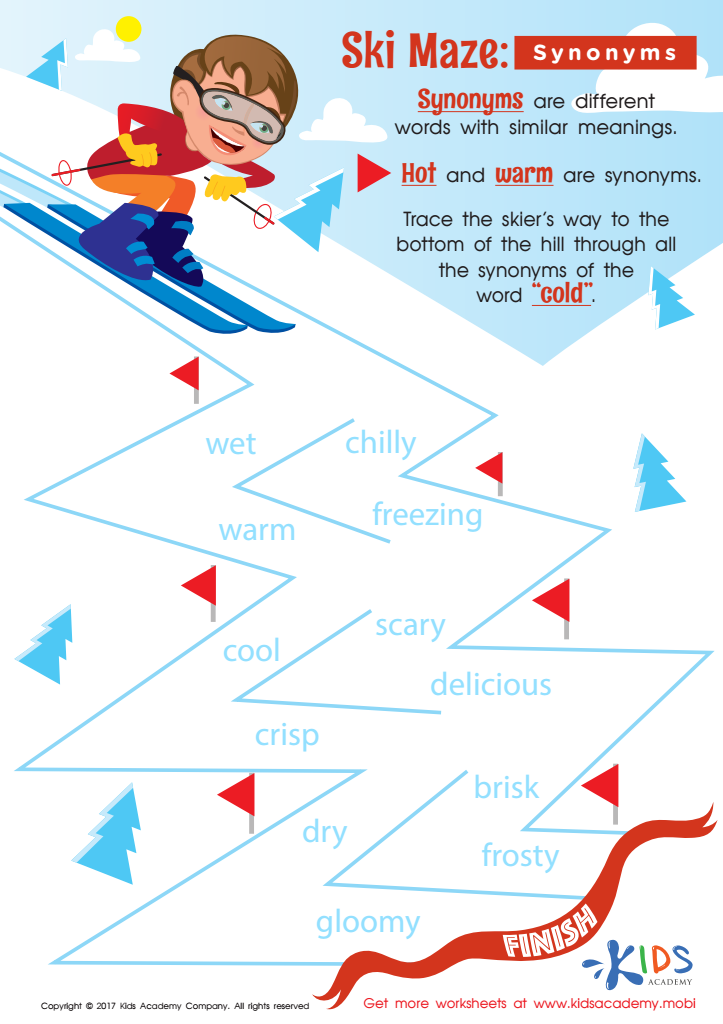
Free Printable Synonym Worksheet
Our free printable synonym worksheet for 2nd grade will help kids learn similar words to expand their vocabulary. Kids will have fun challenging themselves to find all the words that are synonyms for “cold”. Enhance their language and writing with this joyful worksheet!
Free Printable Synonym Worksheet
Worksheet
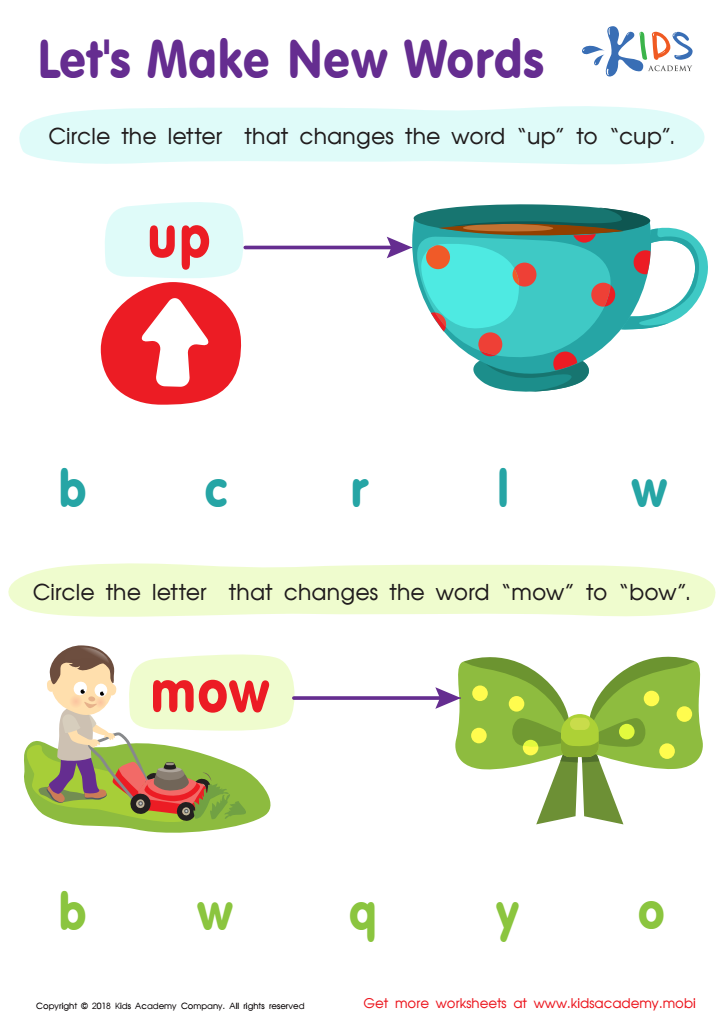
Let's Make New Words Worksheet
This fun and colorful downloadable worksheet is perfect for helping young readers to build confidence and practice their skills. They'll circle the letters to magically make new words, while developing fine motor skills. It'll be so much fun, they won't even realize they're honing their reading skills!
Let's Make New Words Worksheet
Worksheet
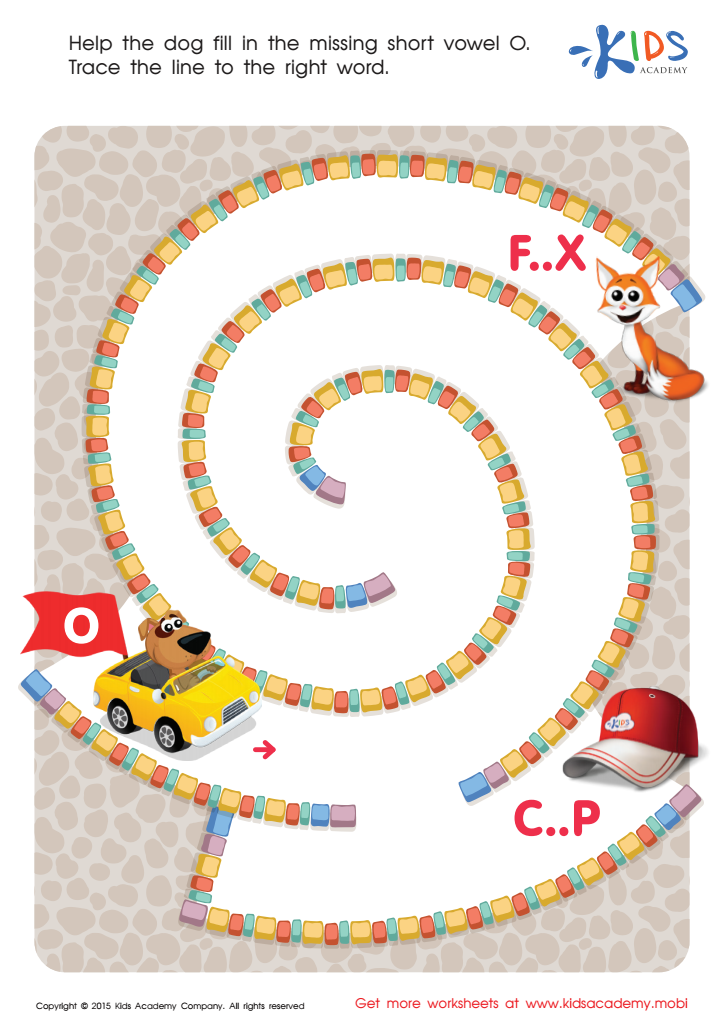
Short Vowel Sound O Worksheet
Help your child learn the short vowel sound O with this fun and free printable phonics worksheet! They'll need to complete the maze to help the dog finish the word "fox" with the missing letter O. Engage their fine motor muscles while they color or trace the maze with crayon or pencil. This educational activity is sure to bring a smile to your little learner's face! For more phonics worksheets, check here.
Short Vowel Sound O Worksheet
Worksheet
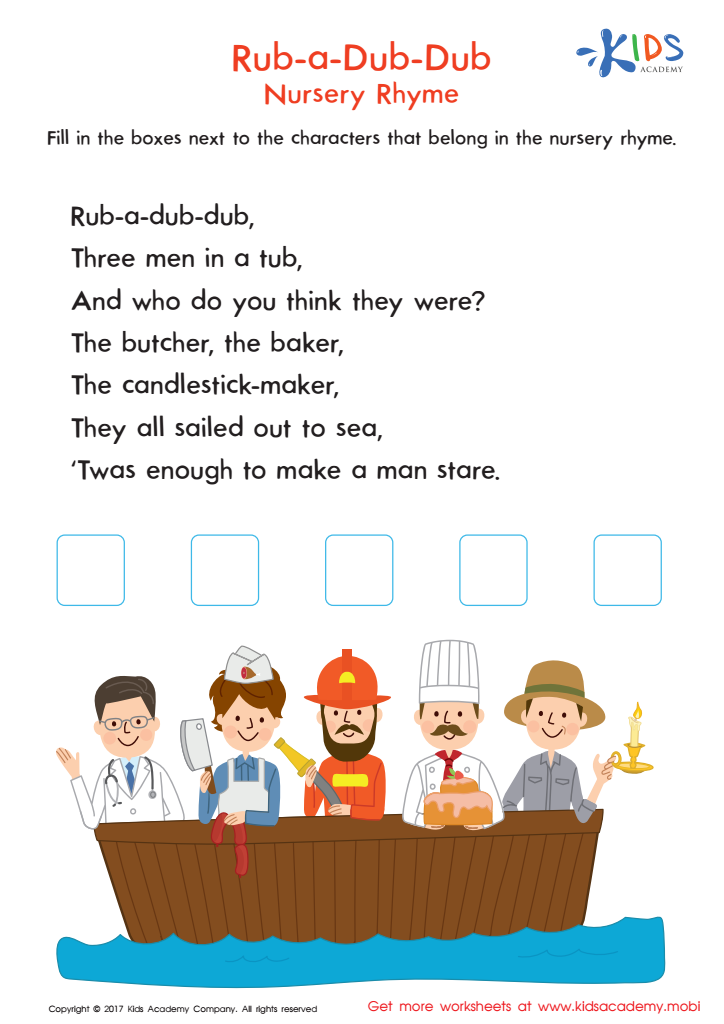
Rub a Dub Dub Printable
Delight your child and foster early reading skills with this printable nursery rhyme, Rub a Dub Dub! Let your little reader select the three men in the tub and practice important reading comprehension skills.
Rub a Dub Dub Printable
Worksheet
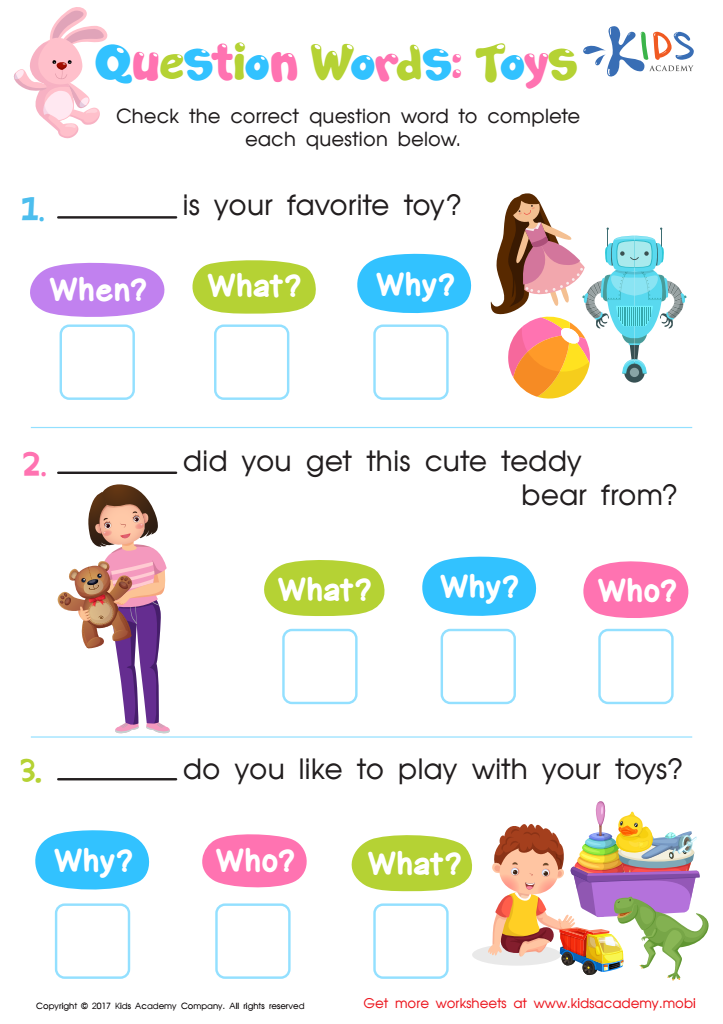
Question Words: Toys Worksheet
Let your kids enjoy learning to ask precise questions with this fun worksheet! Read each sentence fragment and look at the word bank, picking the correct word to complete the sentence. Check the box next to the correct word to use. It's that easy and lots of fun!
Question Words: Toys Worksheet
Worksheet
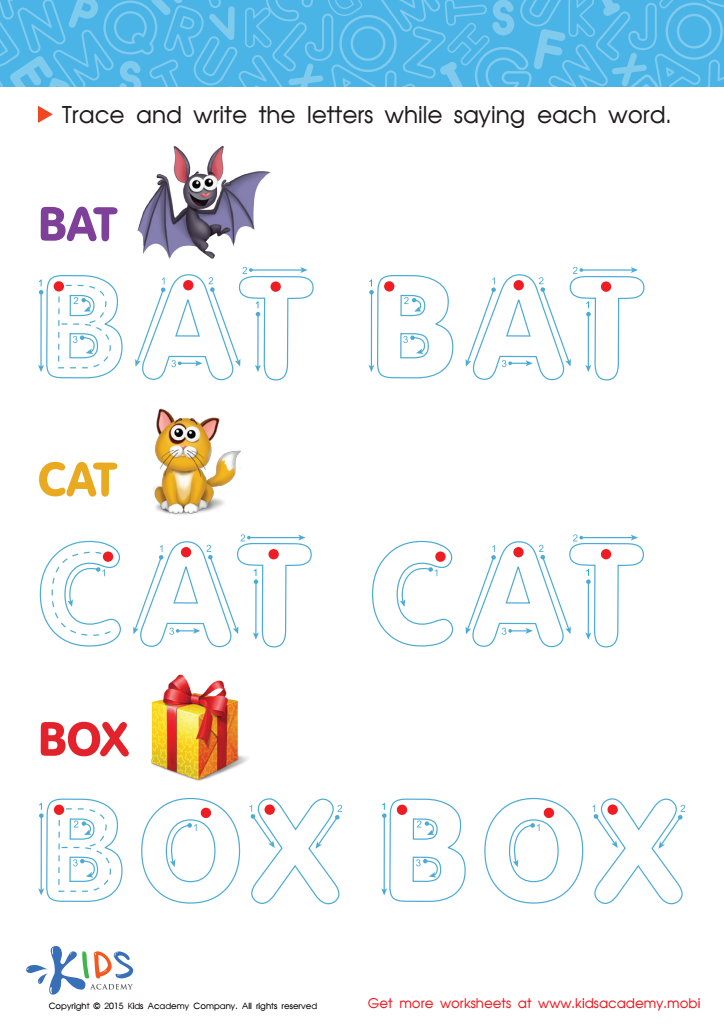
A Bat, a Cat and a Box Spelling Worksheet
Check out this new spelling worksheet, perfect for kids! It includes three lines with three small words to learn. Let's practice pronunciation, reading, and writing them. Trace and write the words on your own, then explore more free vocabulary worksheets at Kids Academy. Learn and make your studies enjoyable!
A Bat, a Cat and a Box Spelling Worksheet
Worksheet
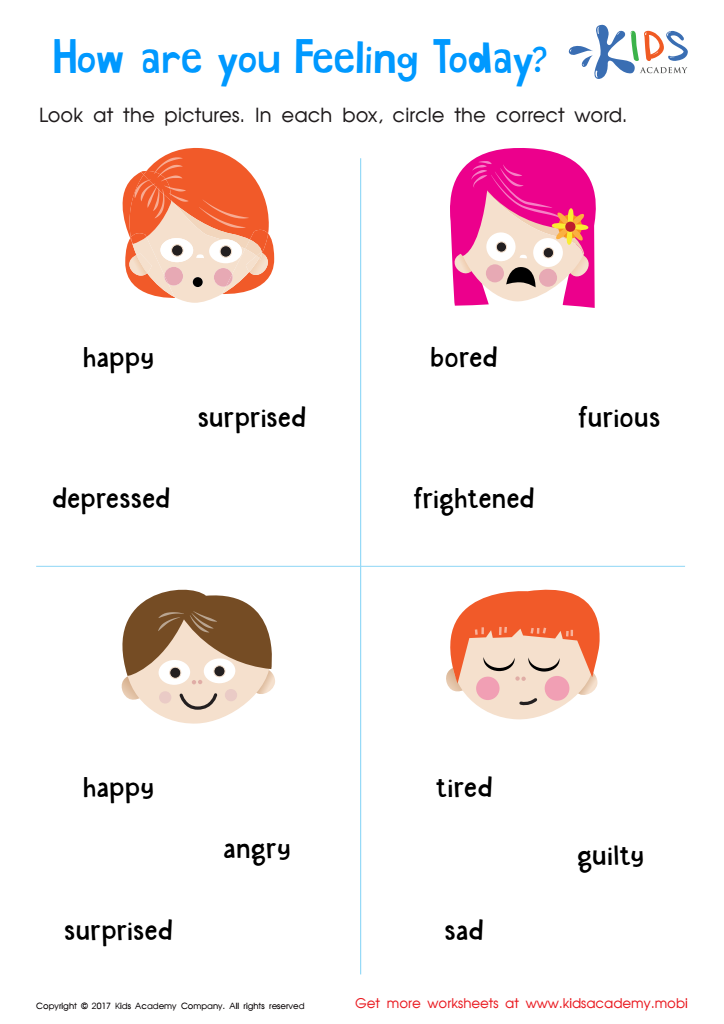
Understanding Feelings Worksheet
It helps them learn to empathize with others and regulate their own emotions. Try it today!
Develop your child's understanding of empathy and emotional regulation with this worksheet! It is a great way to help them acquire important life skills beyond academic knowledge. Print it and start using it to take their social and emotional skills to the next level. Try it now!
Understanding Feelings Worksheet
Worksheet
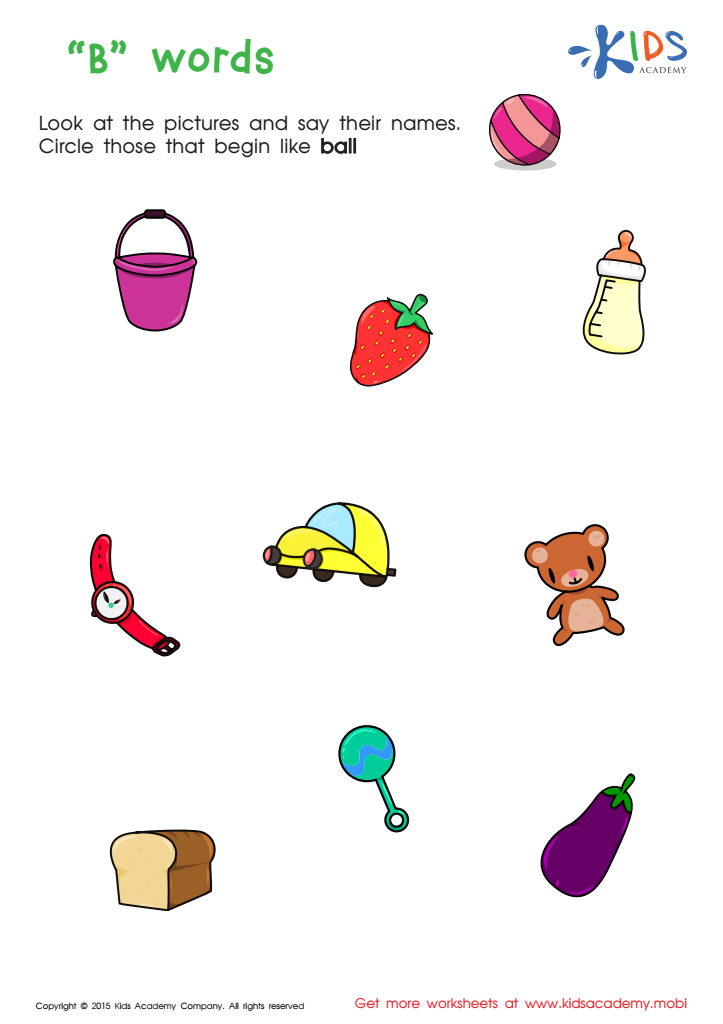
First Words Worksheet
Want to help your preschooler learn to read and write? Start with this 'B' words printable worksheet. It will help your child match pictures to the letters they know, sound out words, and build literacy. Once they understand the concept, they can start sounding out words and building reading skills.
First Words Worksheet
Worksheet
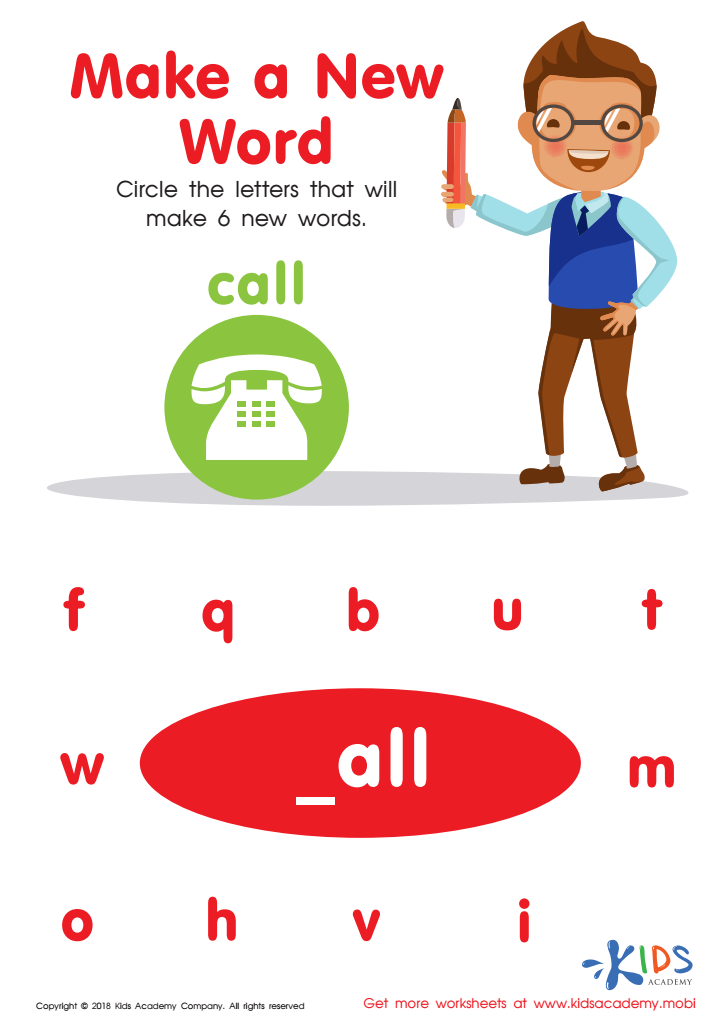
Make a New Word Worksheet
Young readers and writers can enhance their skills with this fun PDF worksheet. They'll trace letters to create new words and feel like super readers and writers after finding six words. They'll also practice building words with the "all" word family.
Make a New Word Worksheet
Worksheet
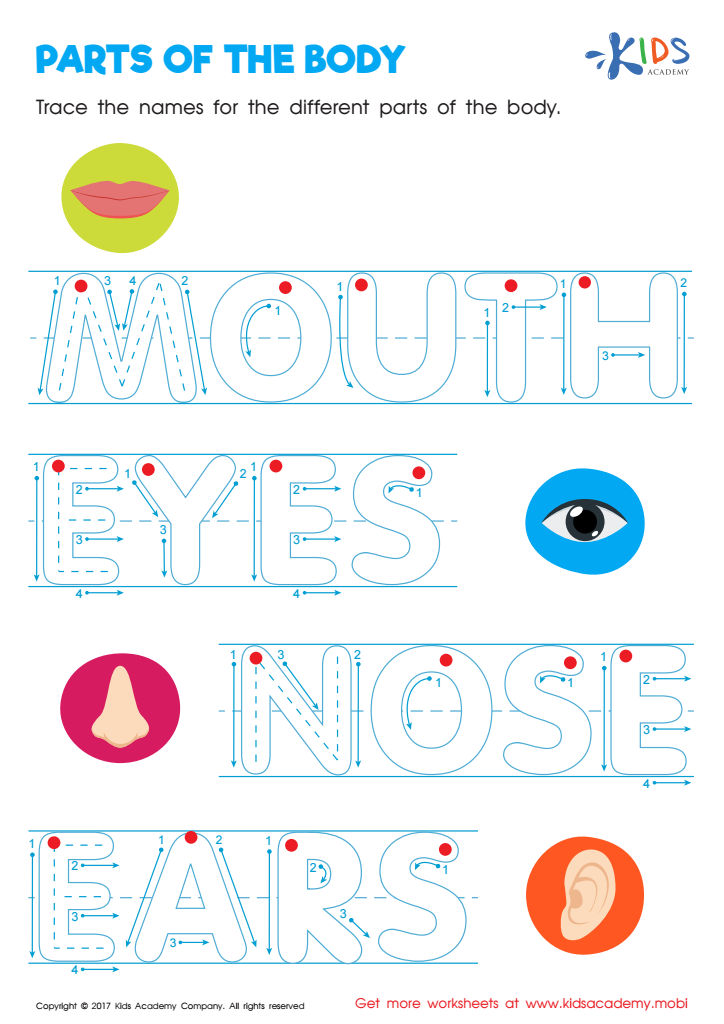
Parts of the Body Worksheet
Worksheet
Join Kids Academy for Free
Who is primarily going to use this learning content?




.jpg)



Vocabulary expansion is crucial for children aged 3-4 because it lays the foundation for effective communication and literacy skills that they will use throughout their lives. At this developmental stage, children's brains are highly receptive to new information, and vocabulary growth can significantly enhance their cognitive abilities.
For parents and teachers, encouraging a rich vocabulary can foster better comprehension and expression. Children with a broad vocabulary can articulate their thoughts and emotions more precisely, which helps in social interactions and emotional regulation. This early linguistic ability translates into better performance in reading and writing later on, as they can more easily understand text and convey complex ideas.
Moreover, a robust vocabulary aids in problem-solving and critical thinking. When children know a variety of words, they can better grasp new concepts and apply their knowledge in creative ways. This cognitive development is vital as they begin formal schooling and encounter more structured learning environments.
Additionally, vocabulary expansion can make learning more enjoyable and engaging. When children can understand and describe the world around them, it stimulates curiosity and a love for learning that can last a lifetime. For these reasons, parents and teachers should prioritize vocabulary-building activities like reading aloud, engaging in conversations, and playing word-based games.








