Counting skills Extra Challenge Numbers Worksheets for Ages 3-4
22 filtered results
-
From - To
Unlock your child's potential with our Counting Skills Extra Challenge Numbers Worksheets, tailored for ages 3-4! These engaging and interactive worksheets enhance your little one's understanding of numbers while introducing them to counting concepts. Designed to captivate young minds, each activity promotes essential skills in a fun, colorful format, ensuring effective learning. From hands-on counting games to tracing exercises, these worksheets foster creativity and critical thinking in early learners. Perfect for home or classroom use, our resources support foundational math skills and boost confidence in counting. Let the counting adventure begin and watch your child thrive! Explore our worksheets today!
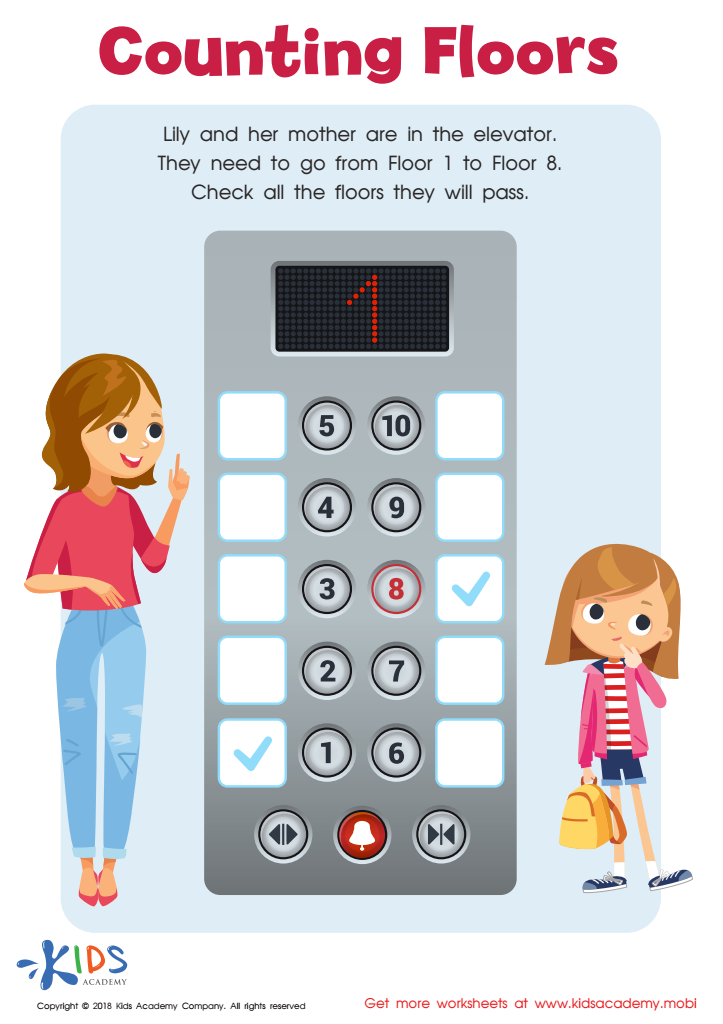
Counting Floors Worksheet
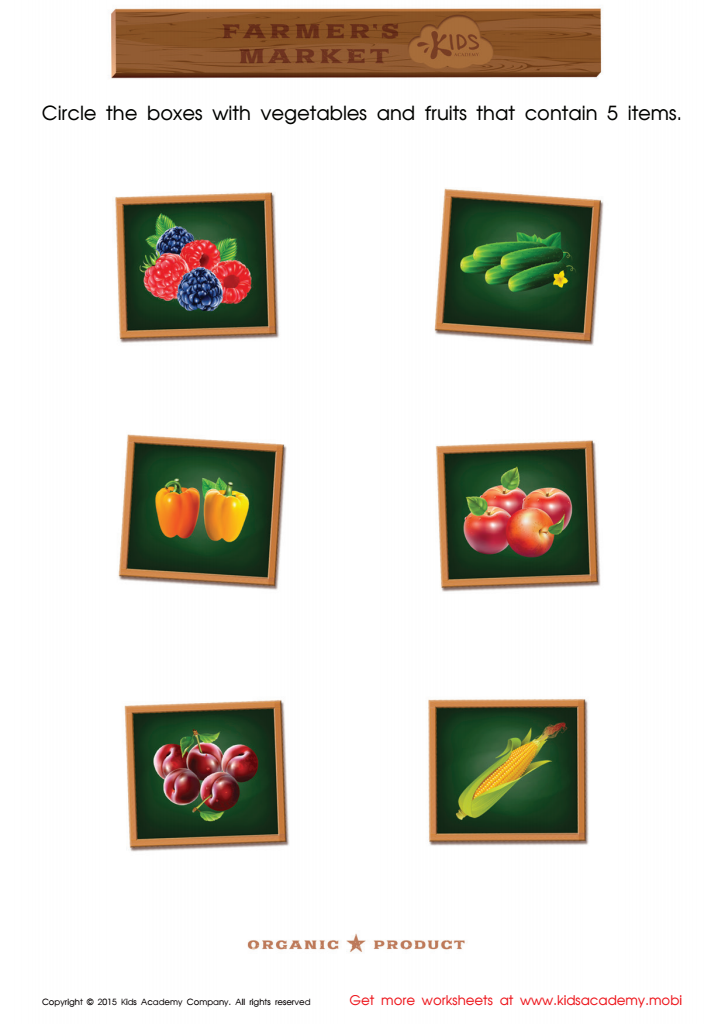
Count and Match Vegetables 1 – 7 Math Worksheet
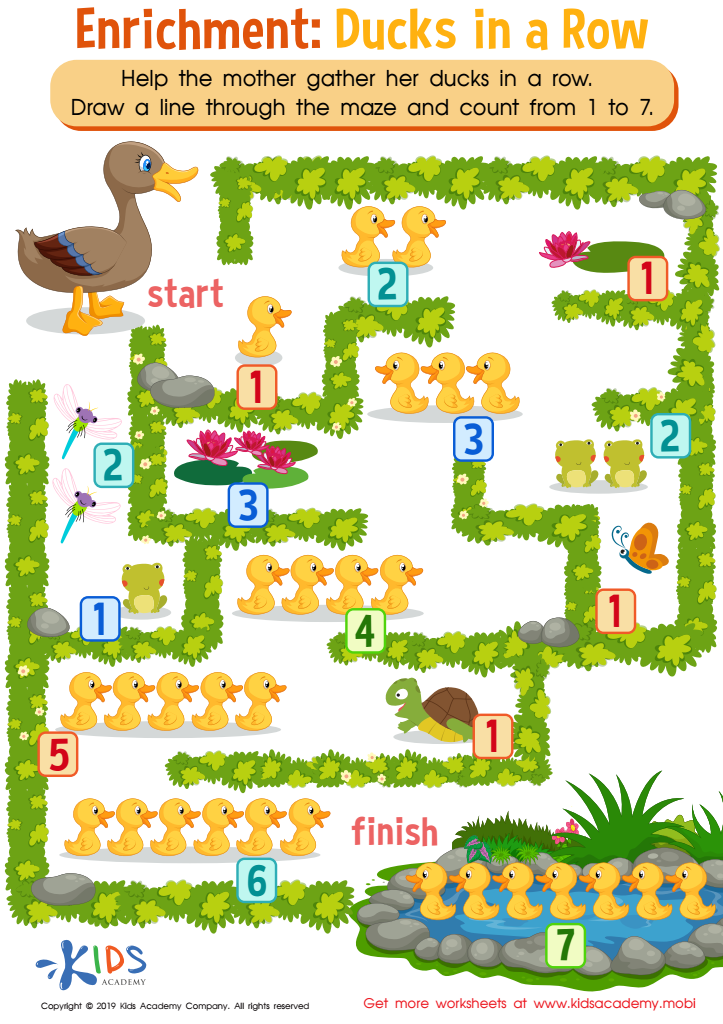
Ducks in a Row Worksheet
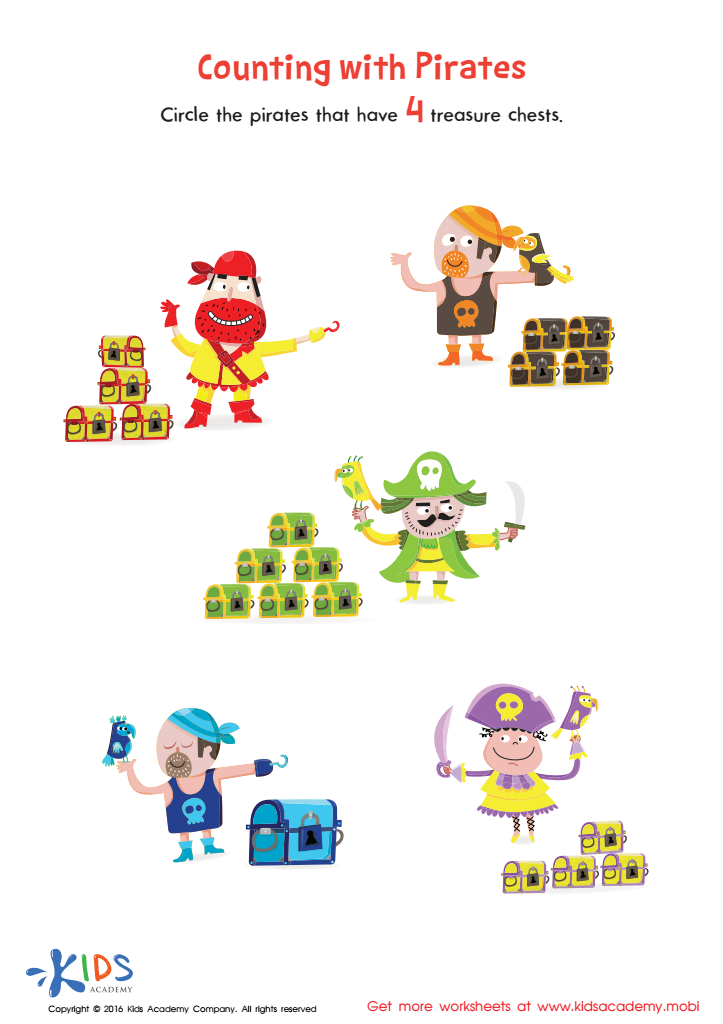
Counting With Pirates Worksheet
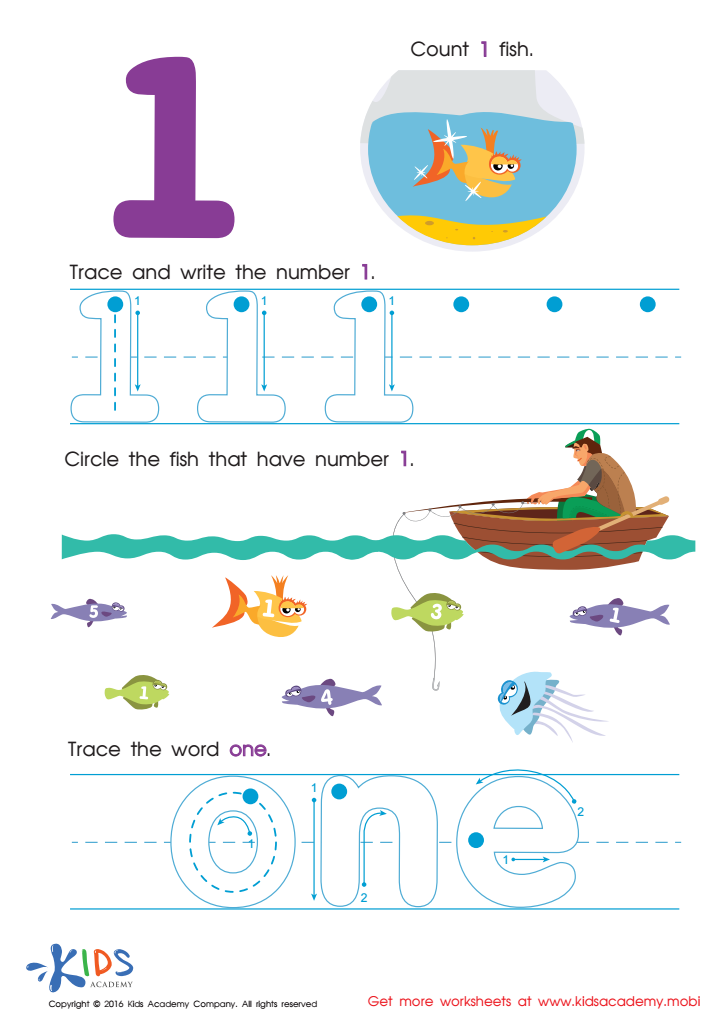
Learning to Write 1 Worksheet
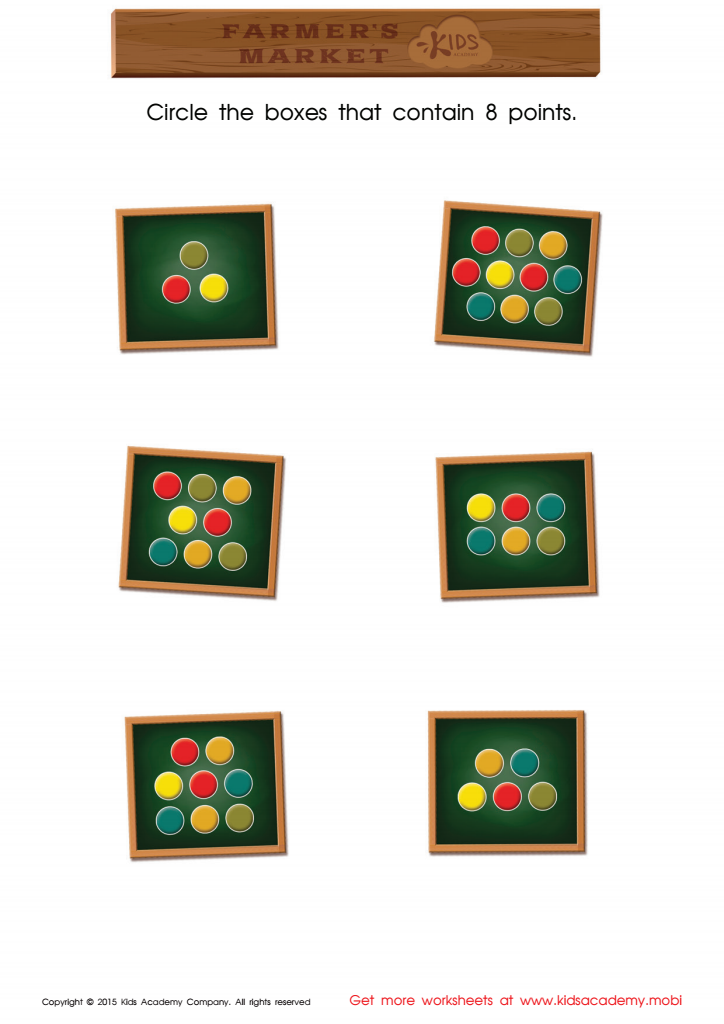
Count and Match Points 8 Math Worksheet
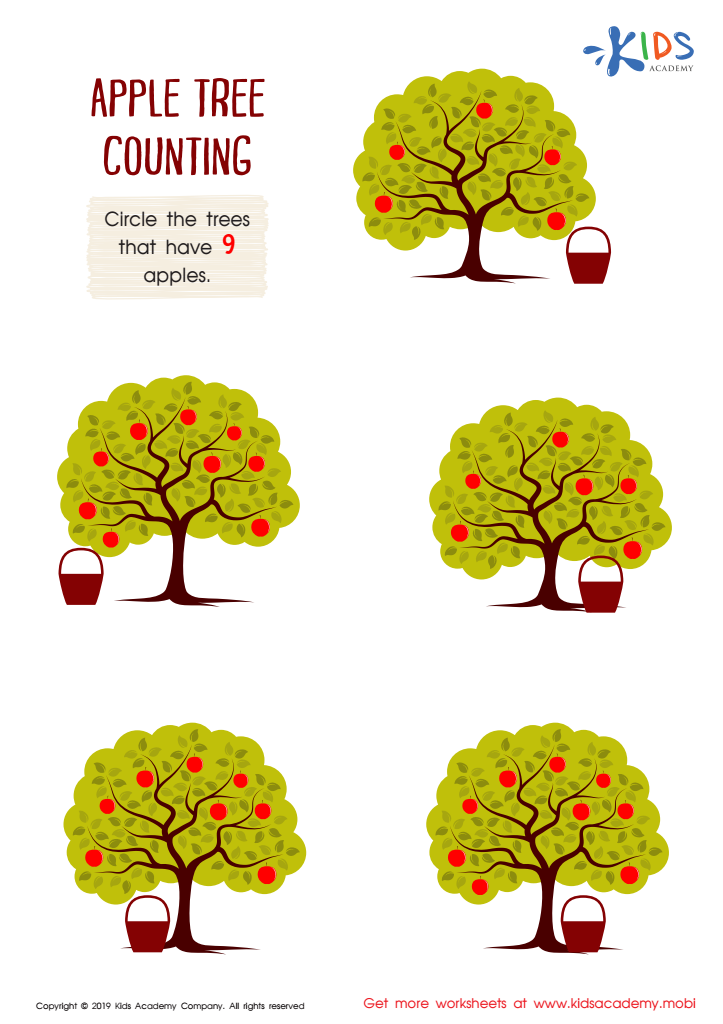
Apple Tree Counting Worksheet
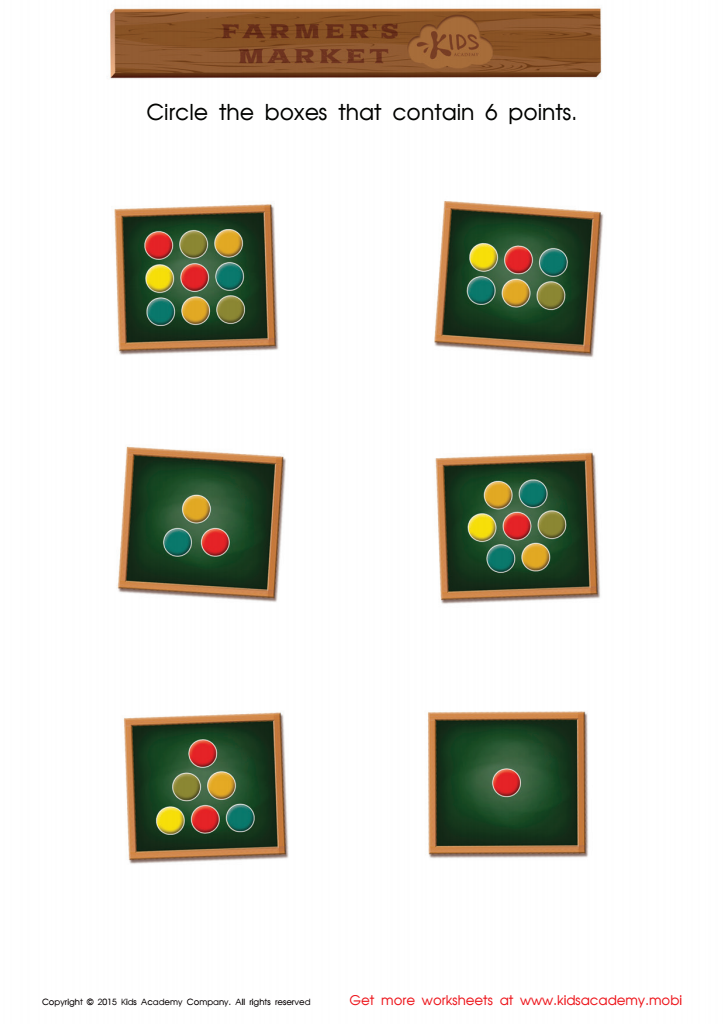
Count and Match Points 6 Math Worksheet
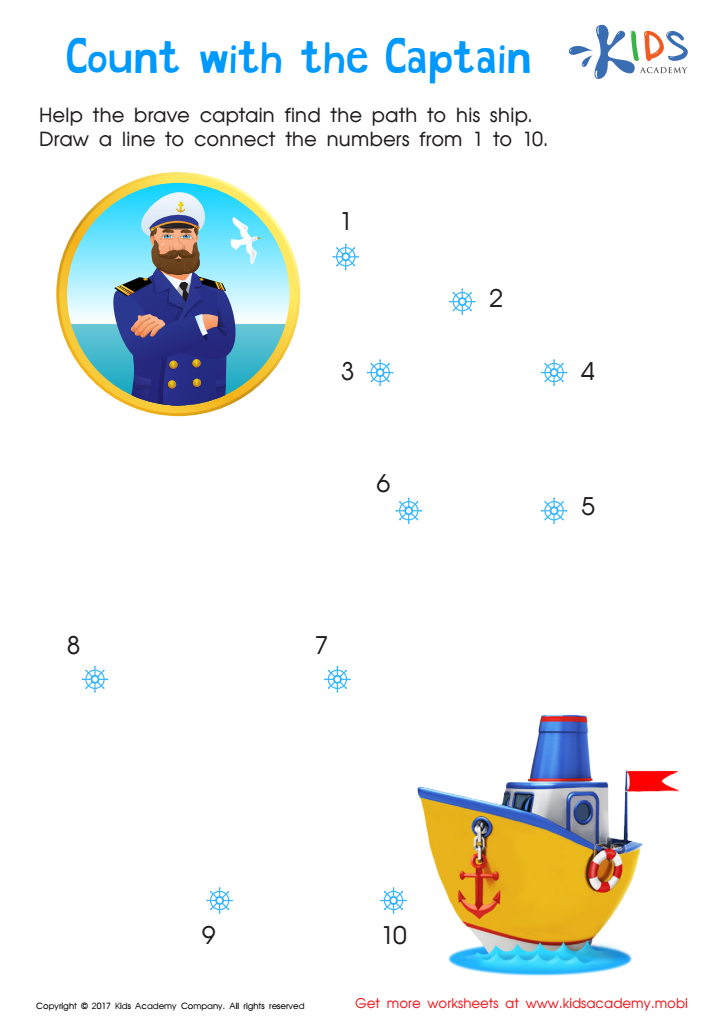
Count with the Captain Connect Dots Worksheet
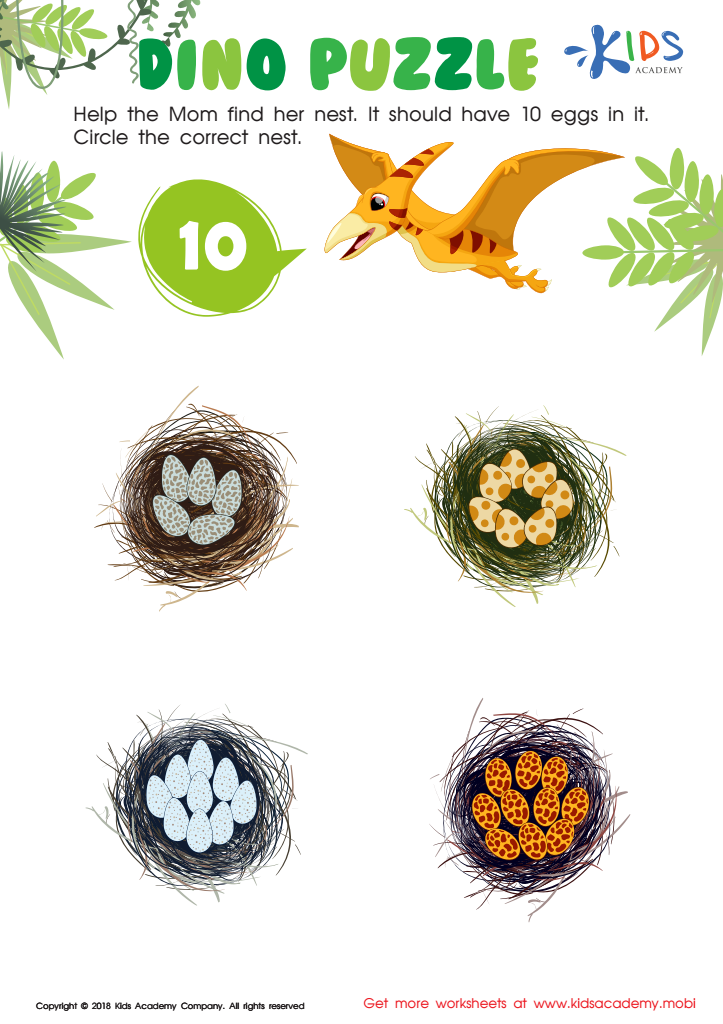
Learn Number For Kindergarten Worksheet
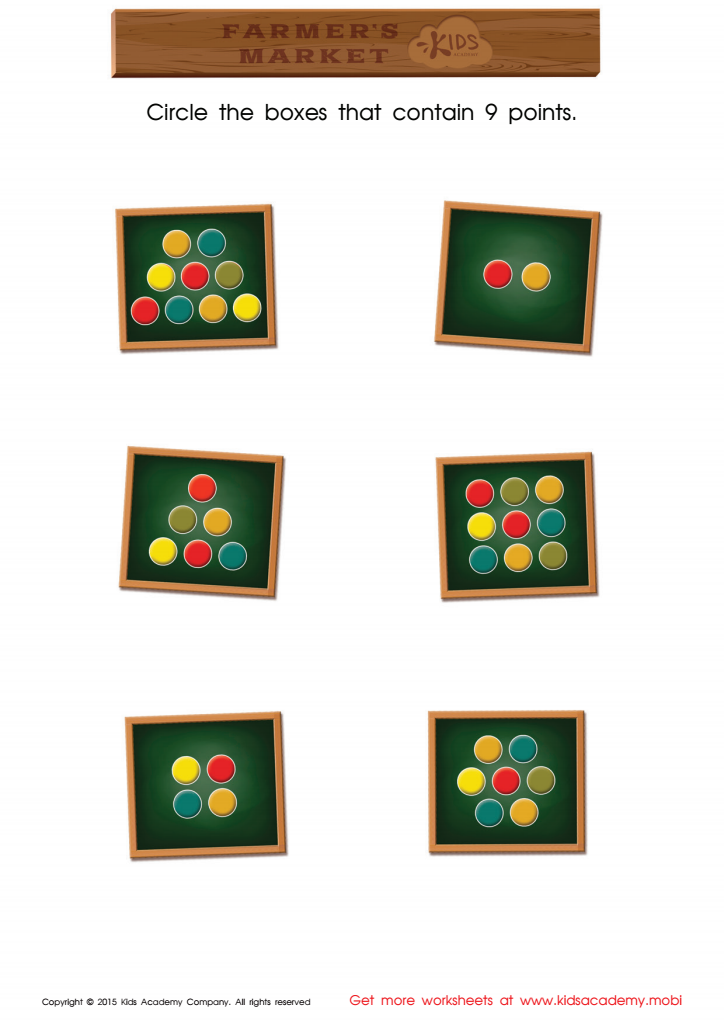
Count and Match Points 9 Math Worksheet
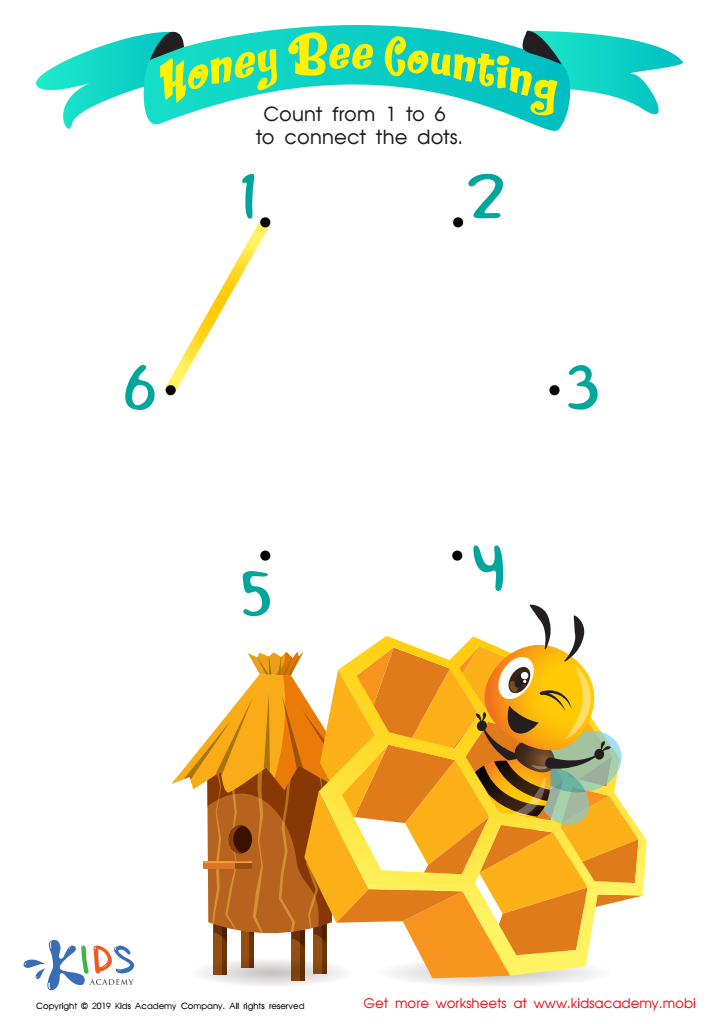
Honey Bee Counting Worksheet
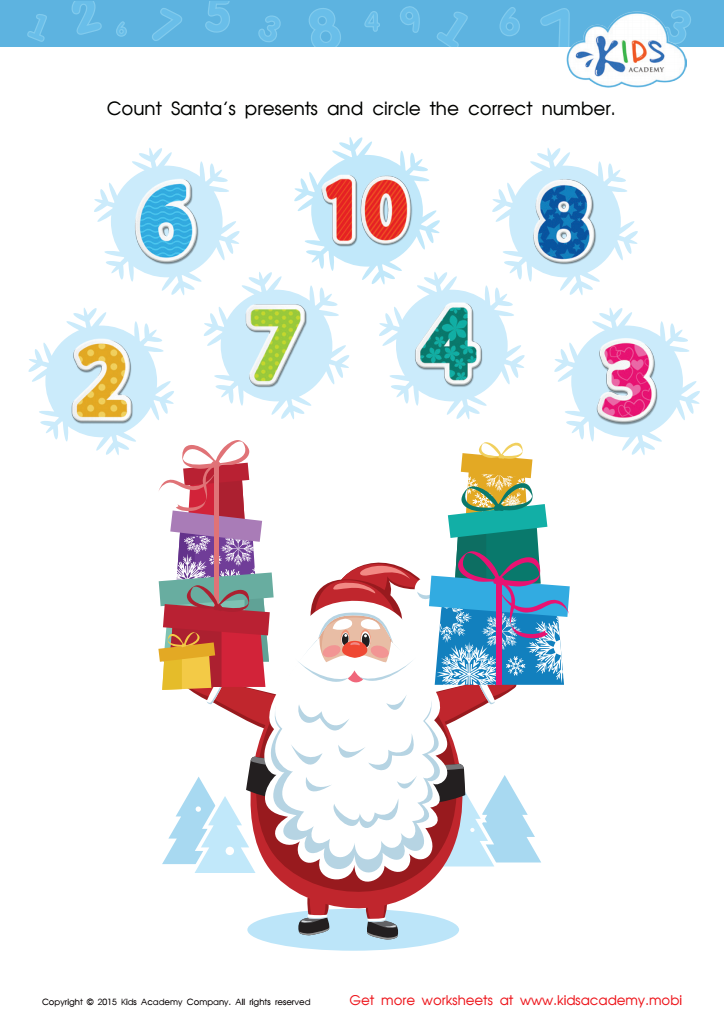
Count Santa's Presents Worksheet
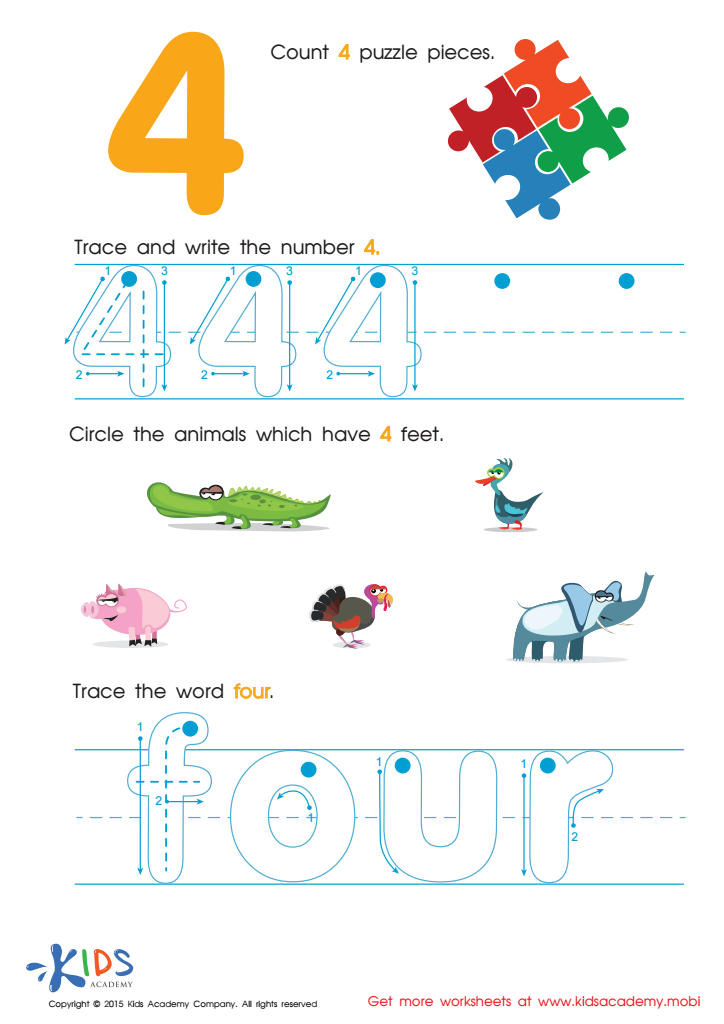
Teaching Children to Write Number 4 Worksheet
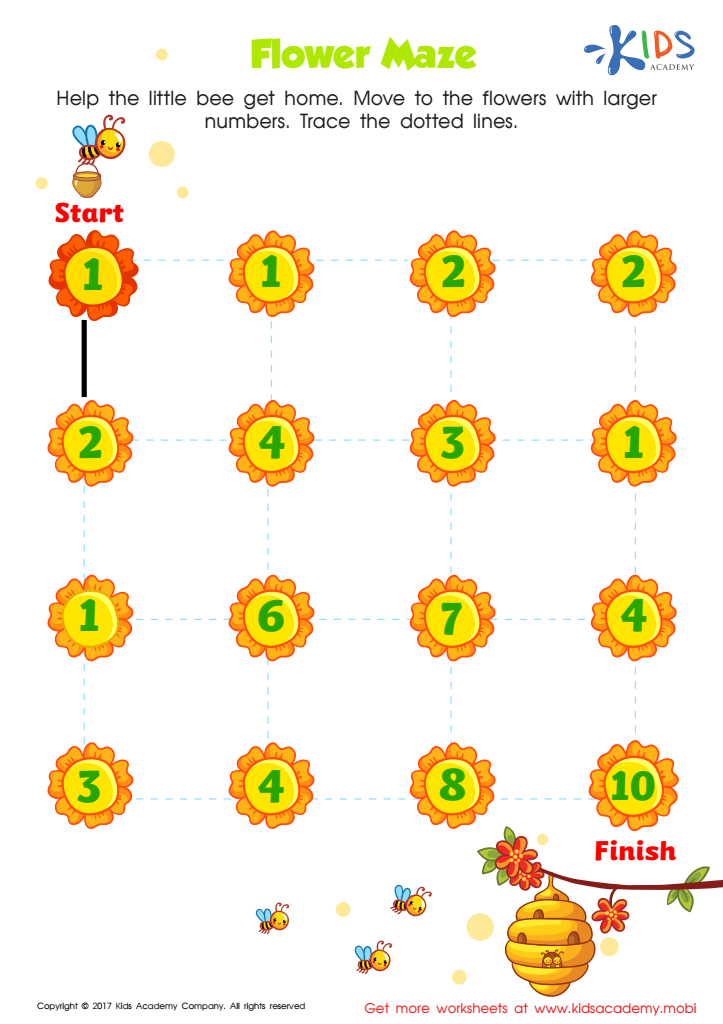
Number Maze For Kindergarten Printable
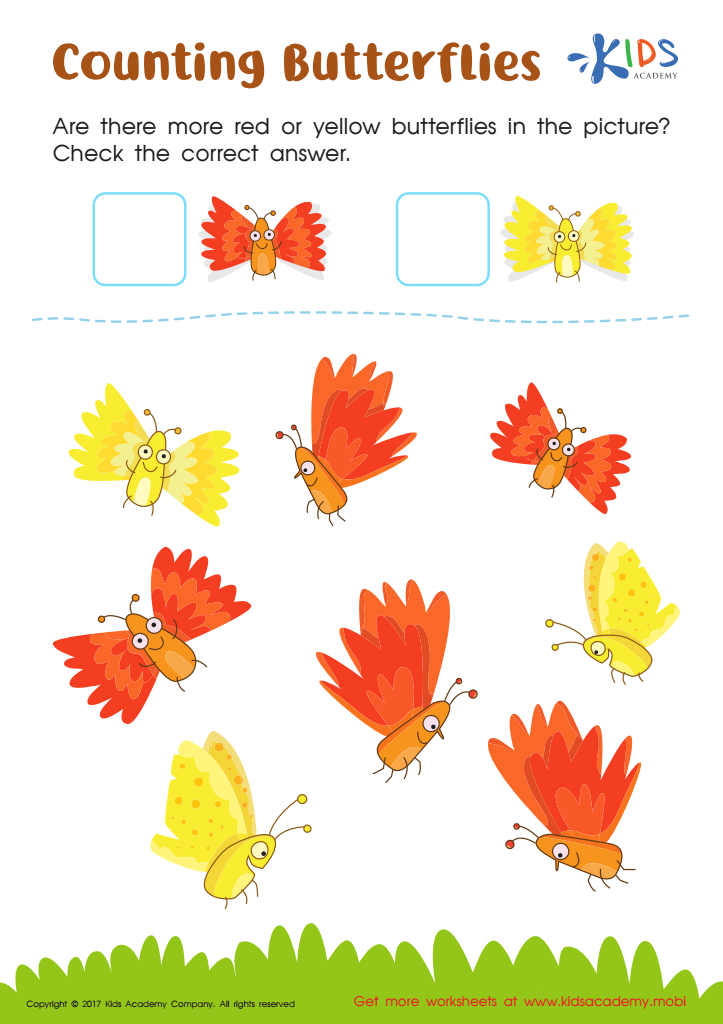
Counting Butterflies Worksheet
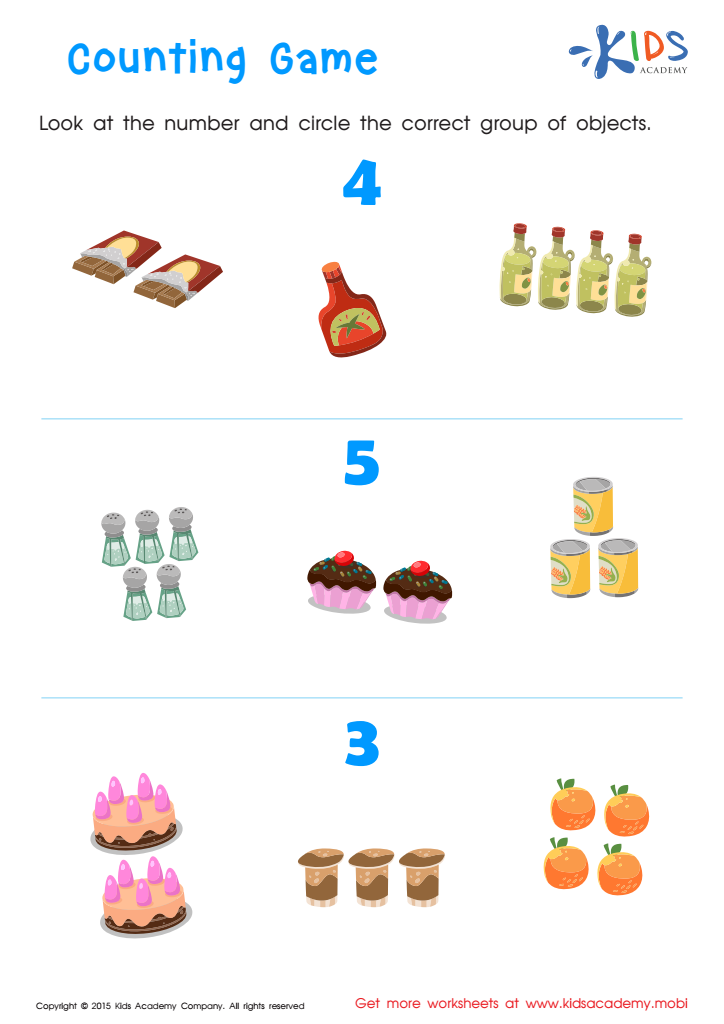
Counting Worksheet
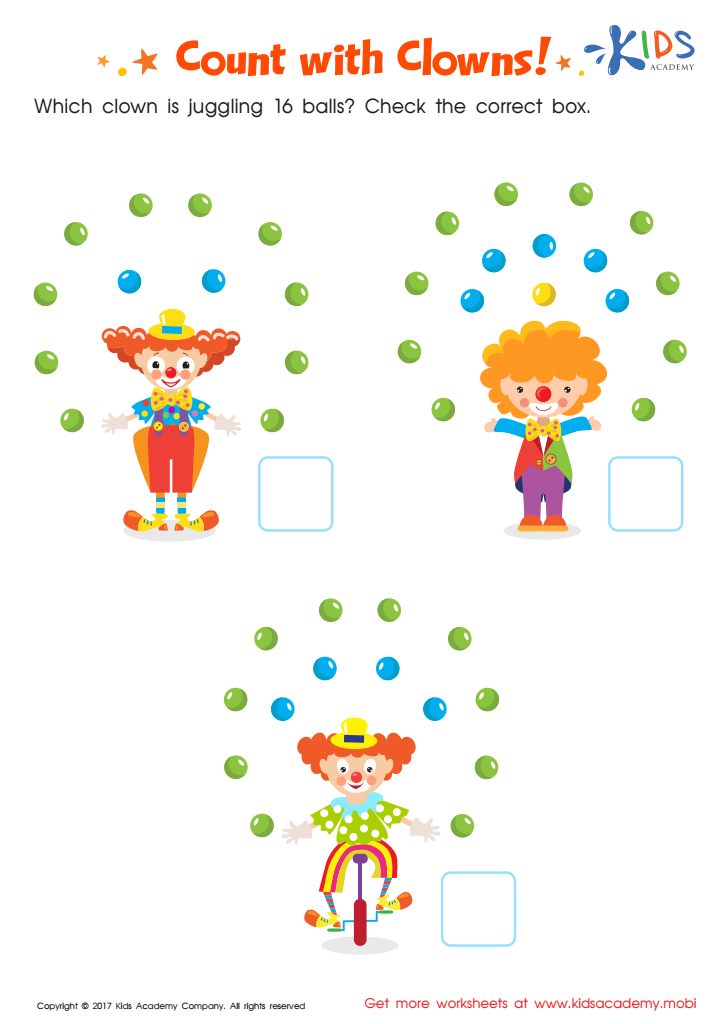
Count with Clowns Worksheet
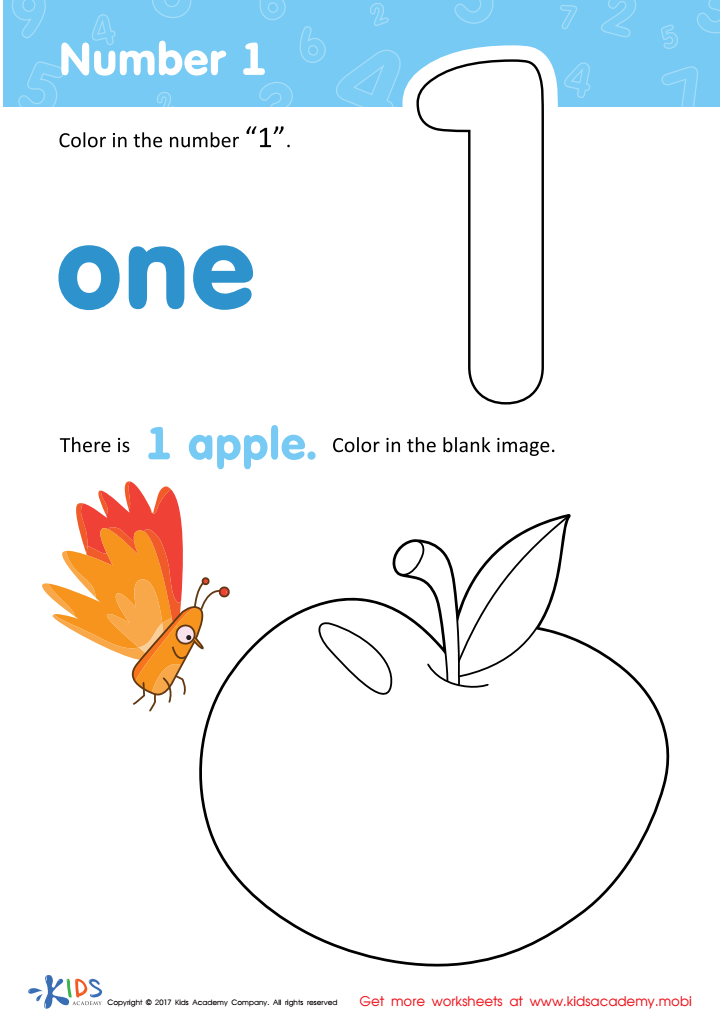
Number 1 Printable
 Assign to My Students
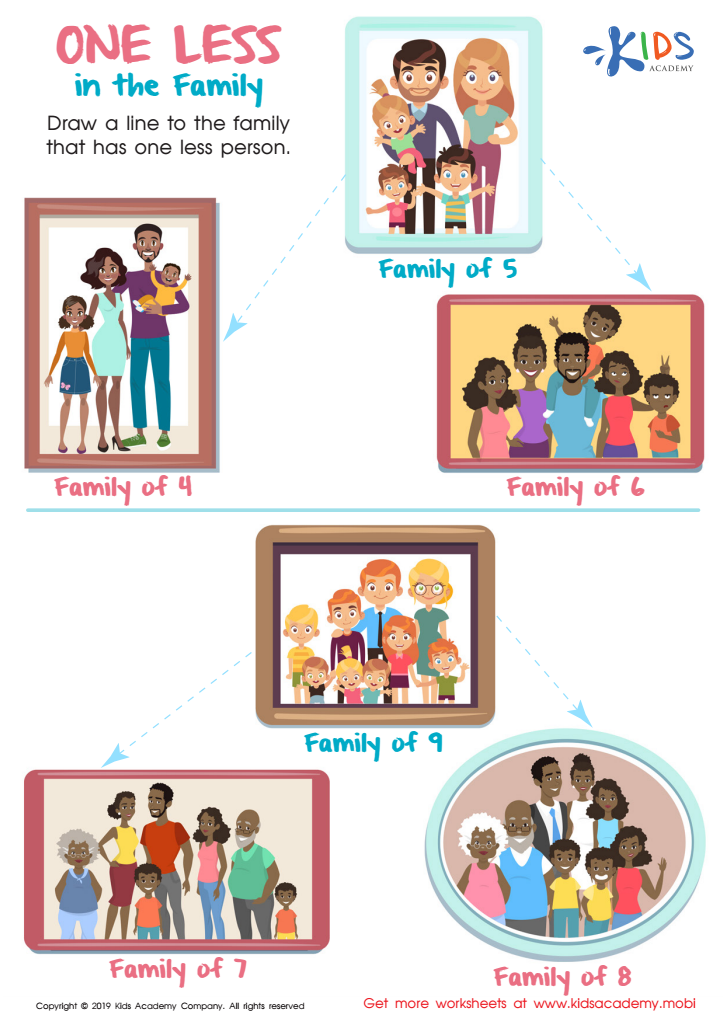
One Less in the Family Worksheet
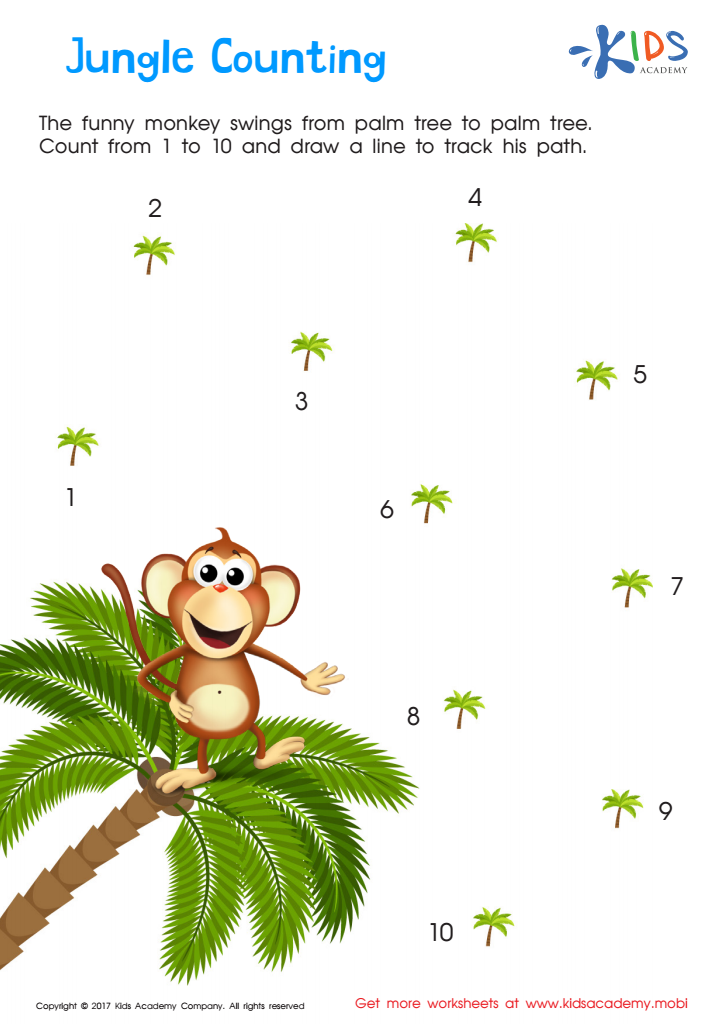
Jungle Counting Connect Dots Worksheet
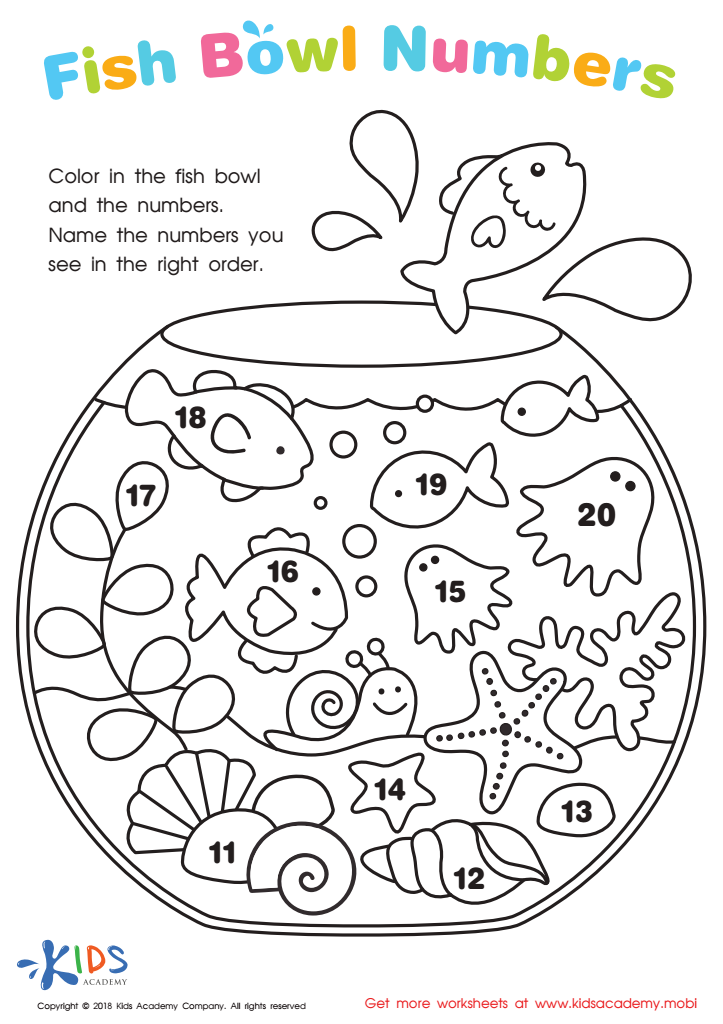
Fish Bowl Numbers Worksheet
Assign to My Students








Counting skills are foundational in early childhood education, especially for children aged 3-4. Developing these skills at a young age lays the groundwork for a child's future mathematical understanding and cognitive development. Parents and teachers should care about counting skills extra challenges because they encourage young learners to think critically and problem-solve in engaging ways.
At this age, children's brains are at a prime stage for learning through play and exploration. Extra challenges can turn counting from a simple rote task into a fun, interactive experience. For instance, activities like counting objects in everyday settings or singing number songs promote both language development and numerical understanding.
Moreover, practicing counting skills helps children develop fine motor skills, as they manipulate objects or use their fingers to trace numbers. By fostering positive attitudes towards math early on, we empower children to approach future mathematical concepts with confidence.
Furthermore, using extra challenges can accommodate various learning styles and encourage parental involvement in schoolwork, creating a supportive learning environment. Ultimately, prioritizing counting skills not only enhances early academic readiness but also instills a lifelong love for learning in children.