Extra Challenge Chess Worksheets for Ages 3-6 - Page 2
37 filtered results
-
From - To
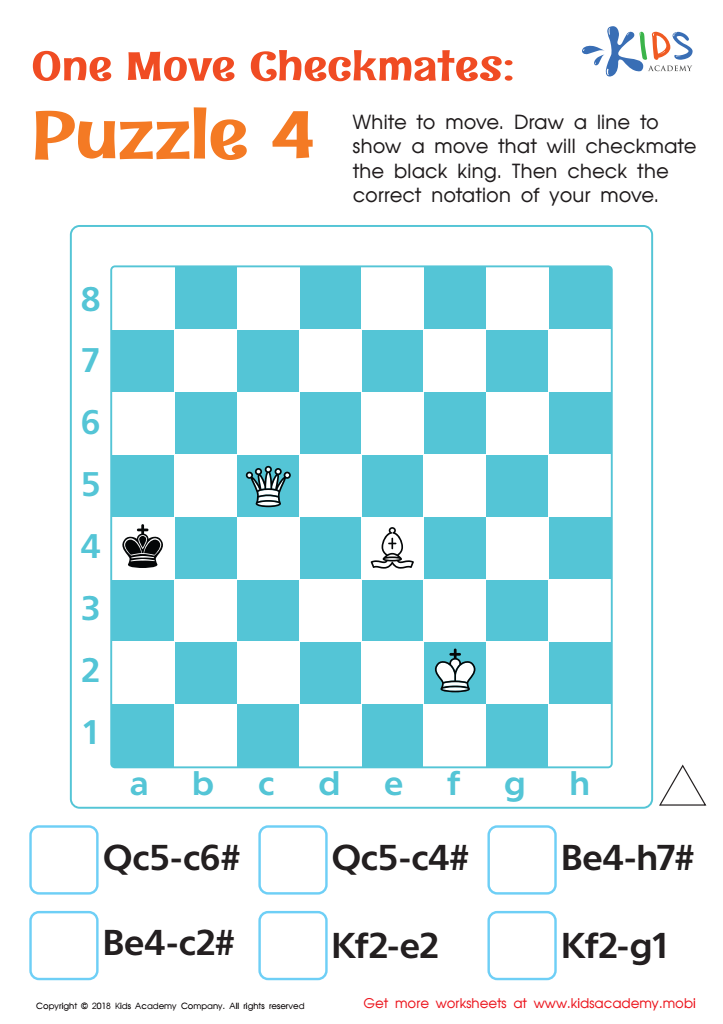
One Move Checkmates: Puzzle 4 Worksheet
 Assign to My Students
Chess Facts Bingo Worksheet
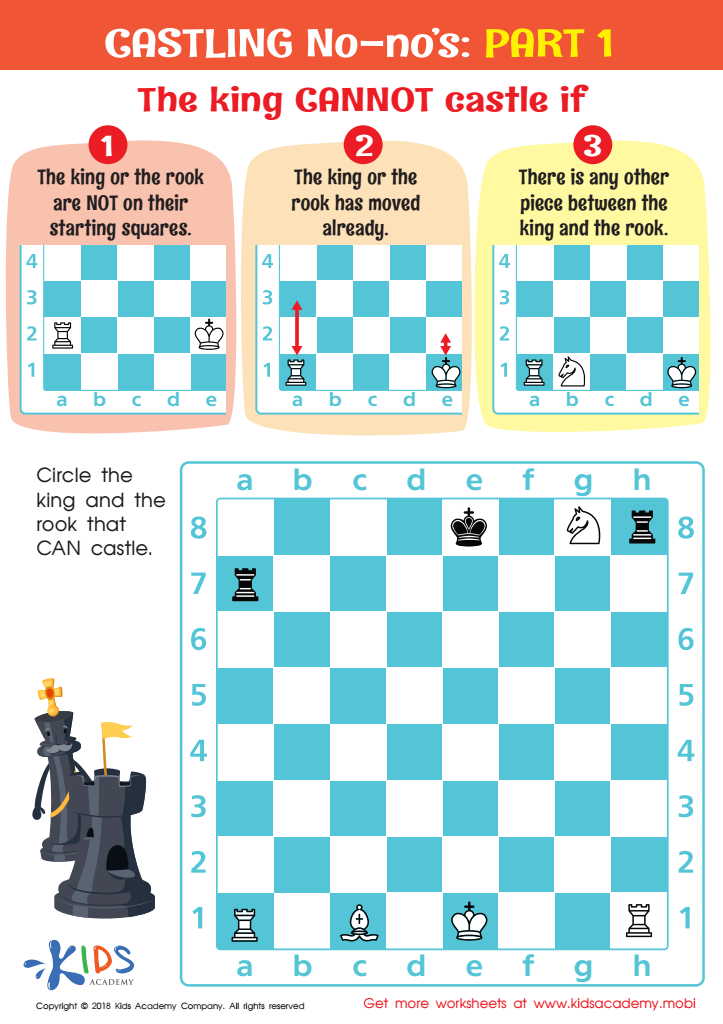
Castling No–no's: Part 1 Worksheet
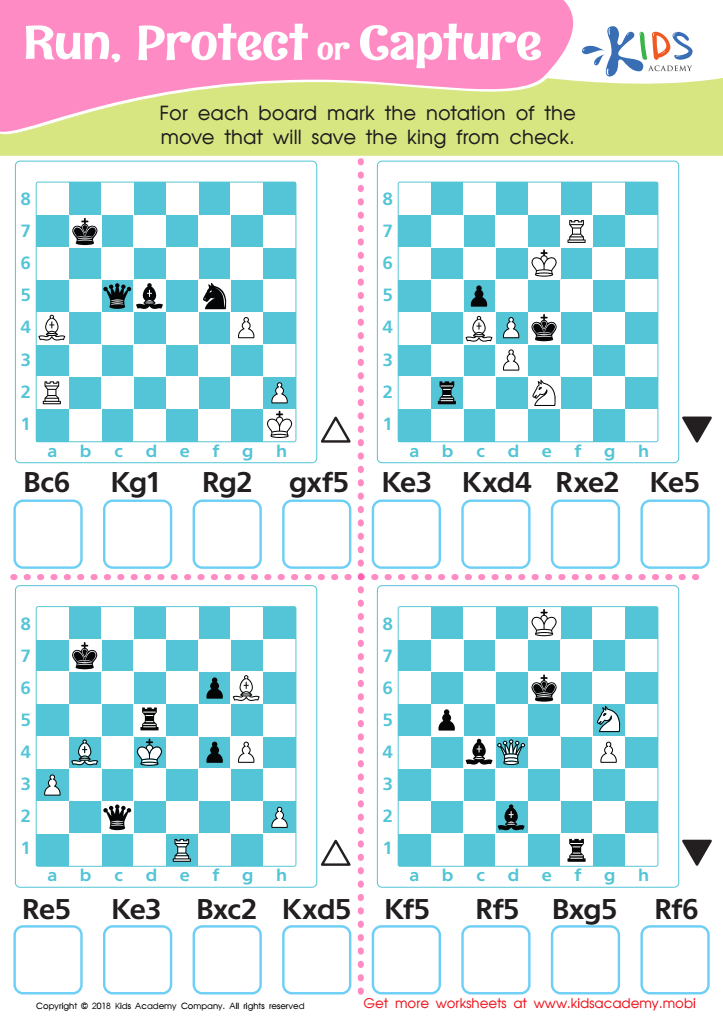
Run, Protect or Capture Worksheet
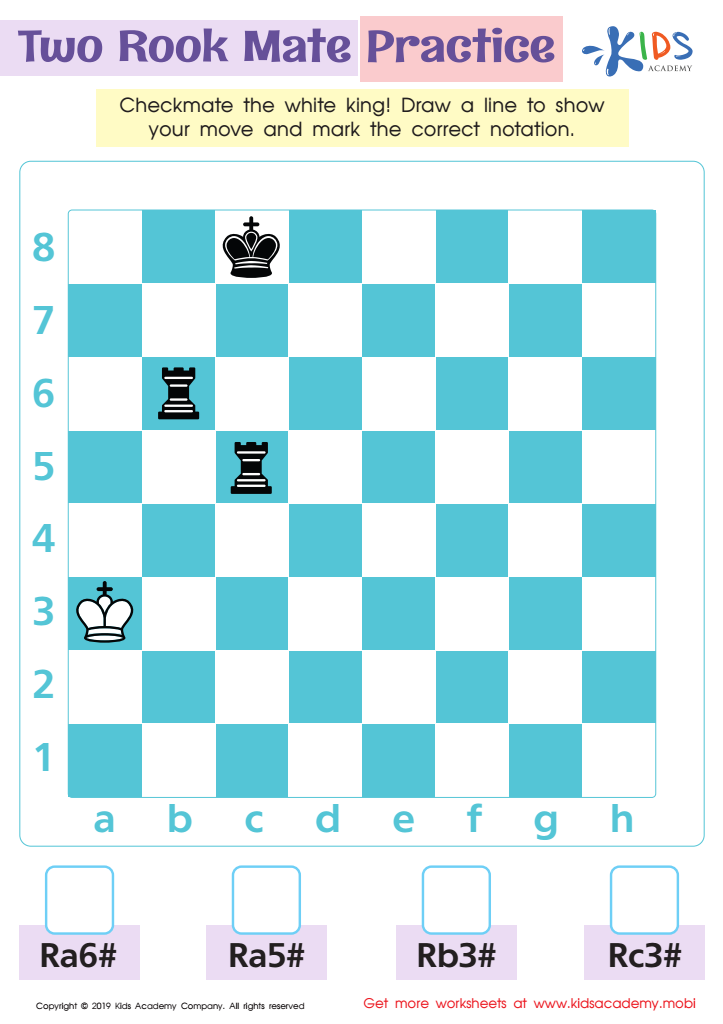
Two Rook Mate Practice Worksheet
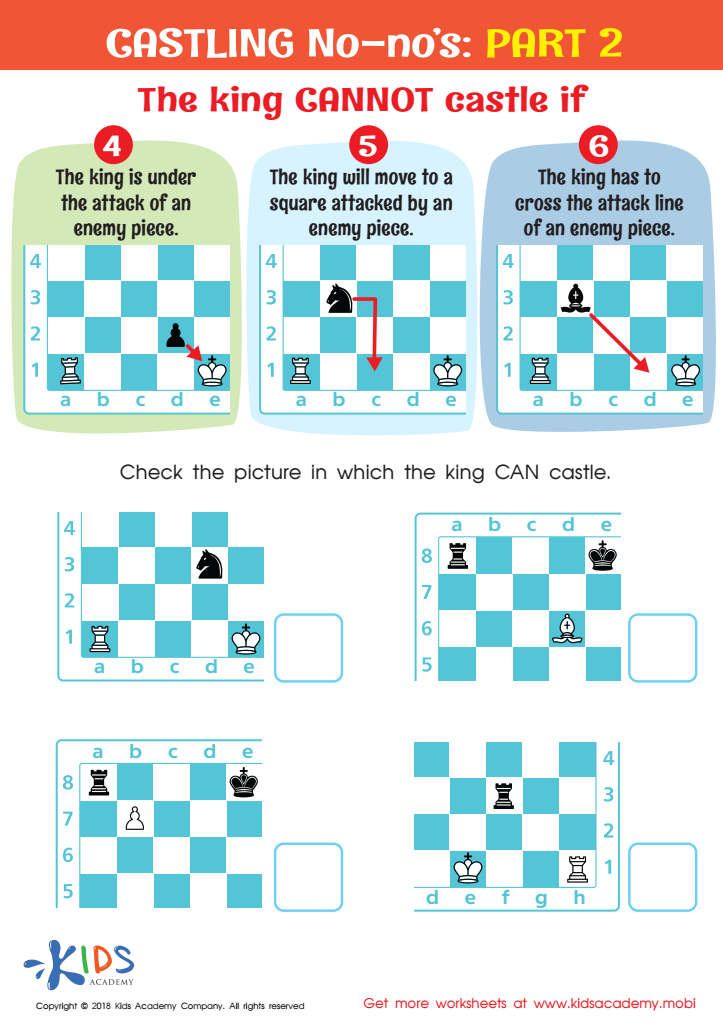
Castling No - no's: Part 2 Worksheet
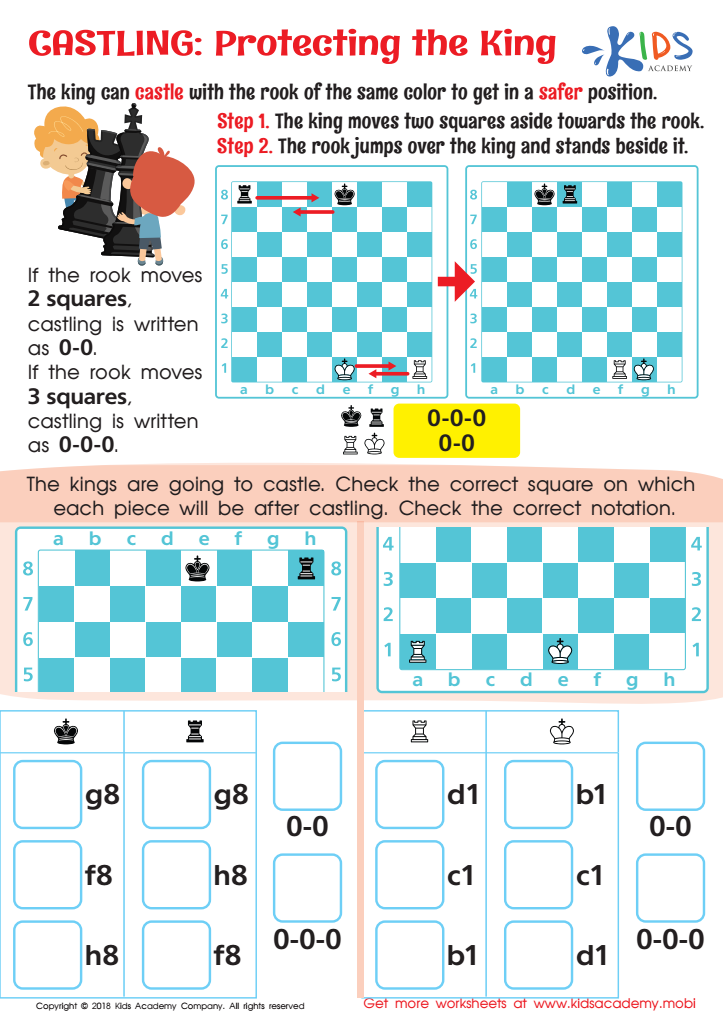
Castling: Protecting the King Worksheet
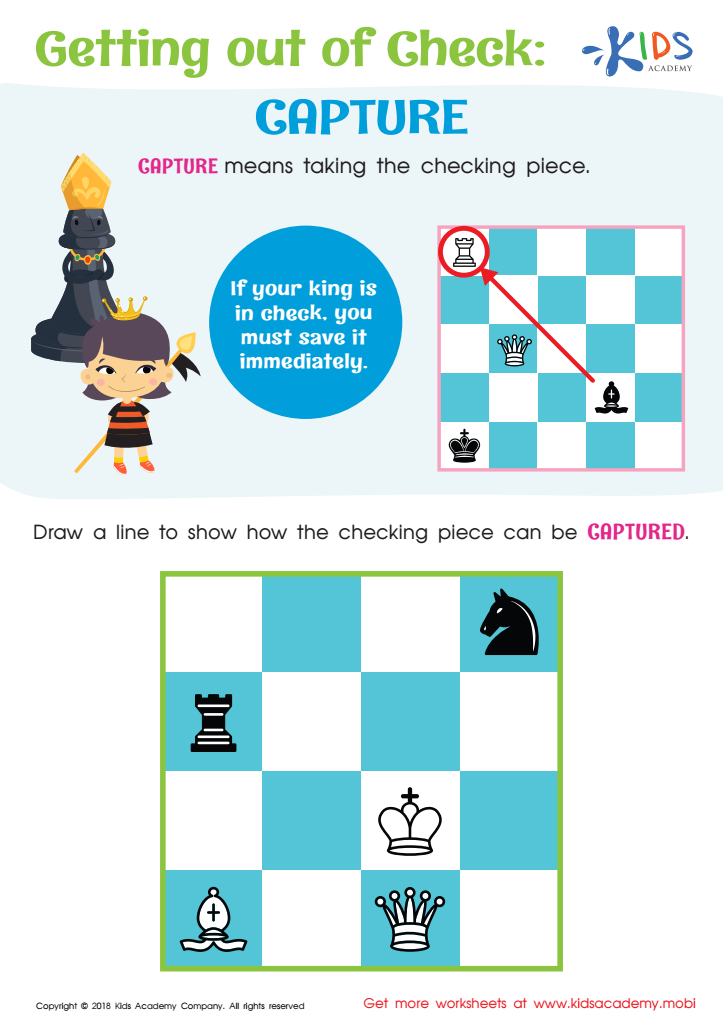
Getting out of Check: Capture
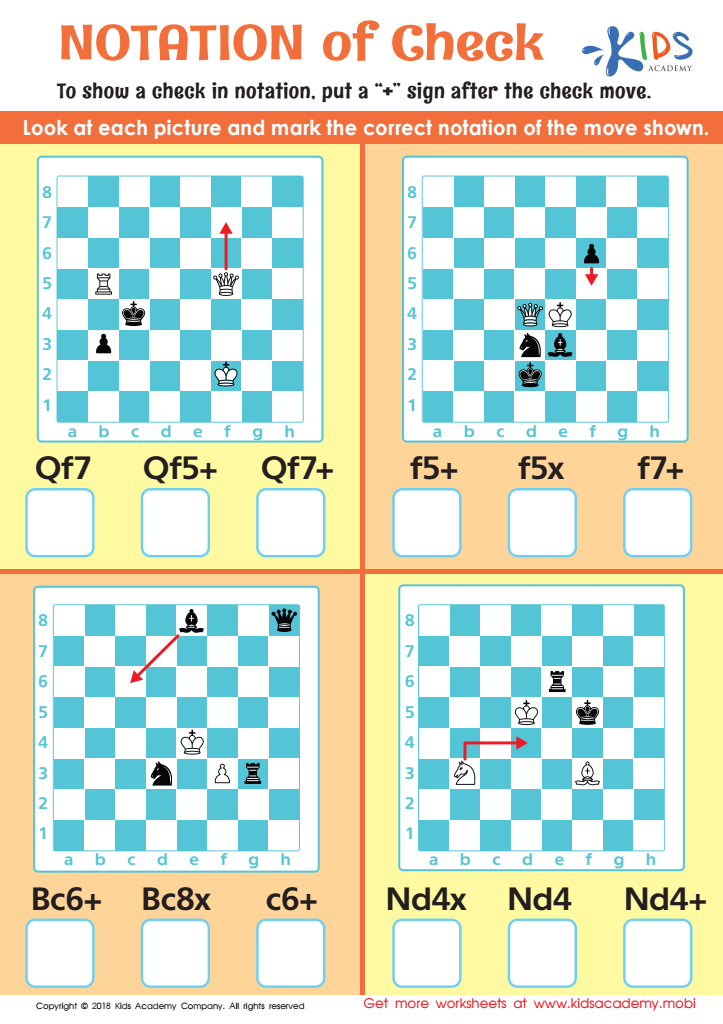
Notation of Check Worksheet
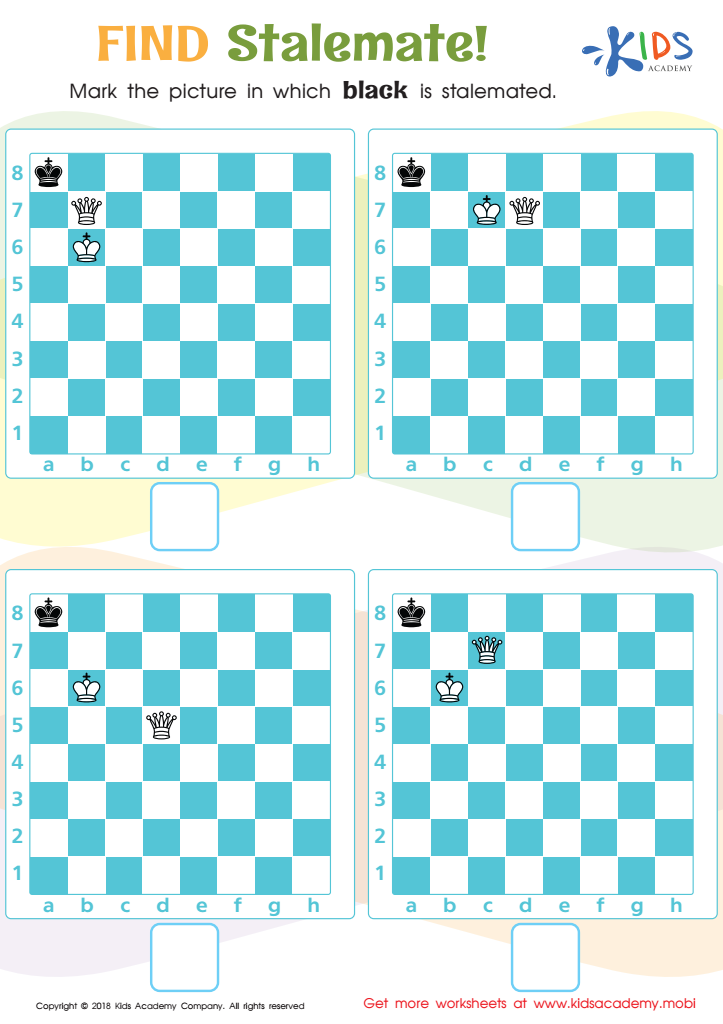
Find Stalemate! Worksheet
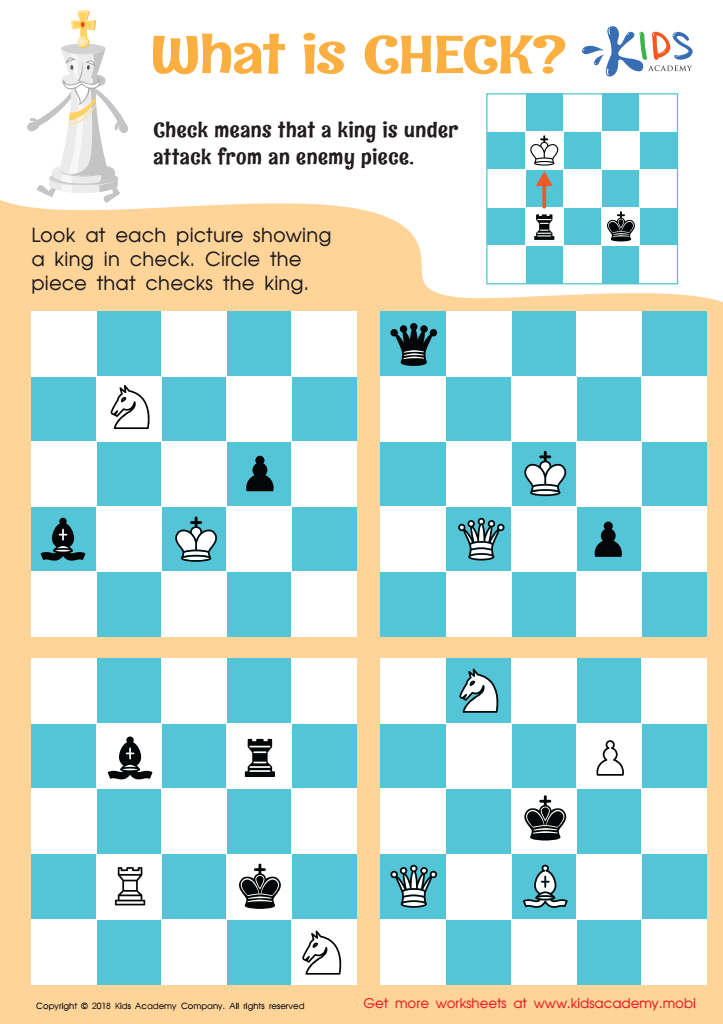
What is Check? Worksheet
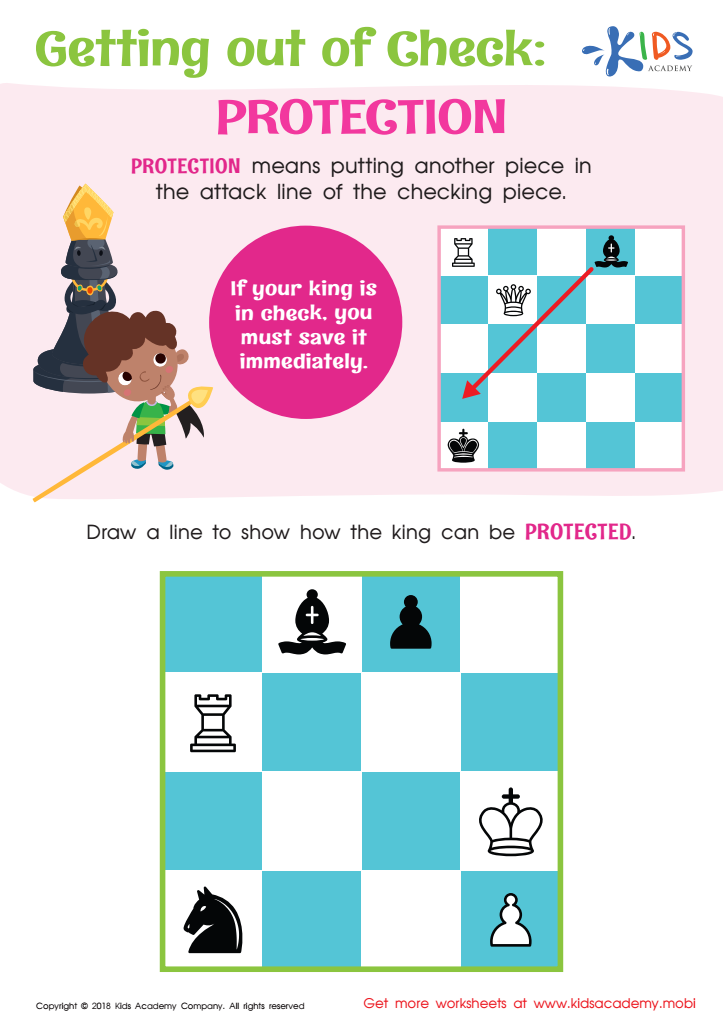
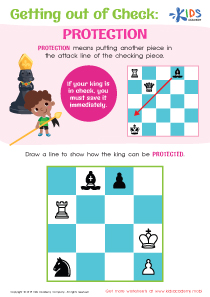
Getting out of Check: Protection
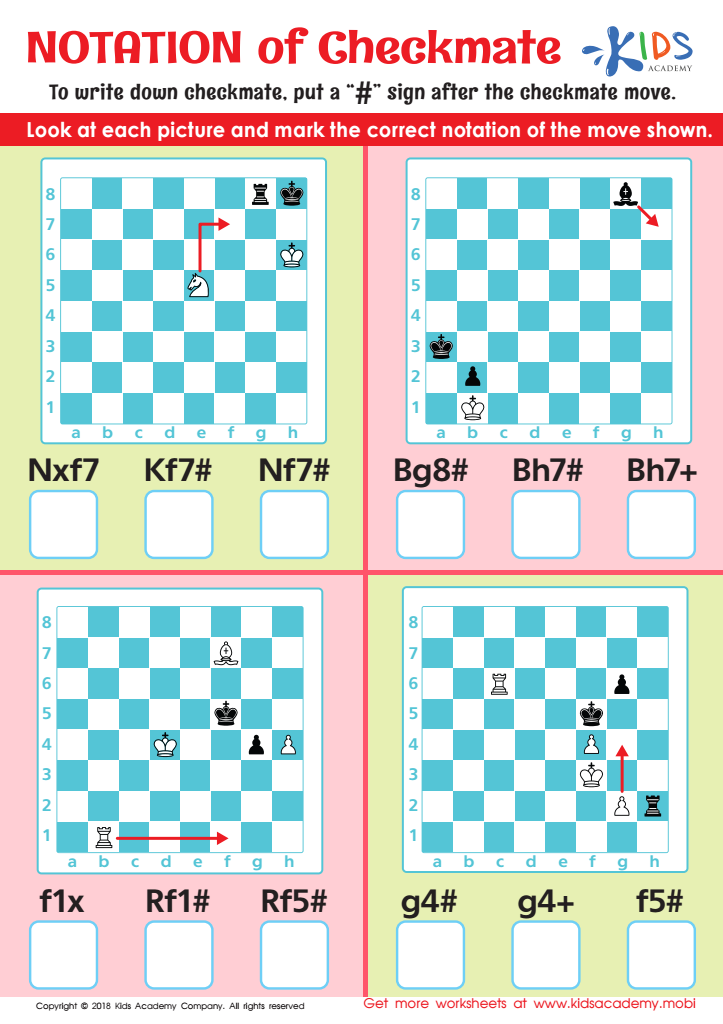
Notation of Checkmate Worksheet








Parents and teachers should care about Extra Challenge Chess for ages 3-6 because it provides a foundational skill set that goes beyond simply learning a game. Early engagement with chess nurtures critical thinking, problem-solving abilities, and cognitive development. Chess encourages kids to plan ahead, consider consequences, and develop strategic thinking—skills that are invaluable in academic settings and everyday life.
Moreover, introducing chess at a young age helps improve focus and concentration, as children must both pay attention to their own moves and anticipate their opponent's strategies. This heightened engagement translates to better attention spans and enhanced learning across various subjects.
Chess also promotes social interaction; it encourages children to take turns, show sportsmanship, and respect their peers. This is crucial in developing emotional intelligence and interpersonal skills.
Furthermore, Extra Challenge programs often include fun and dynamic methods of teaching, making learning more enjoyable for young children. This sets a positive tone for lifelong learning. Overall, Extra Challenge Chess fosters a love for learning, instills confidence, and prepares children to tackle complex challenges in the future. Emphasizing chess education in early childhood is an investment in their academic and personal growth.