Critical Thinking Extra Challenge Worksheets for Ages 3-6
14 filtered results
-
From - To
Nurture your child's inquisitive mind with our "Critical Thinking Extra Challenge Worksheets for Ages 3-6." Designed to engage and develop young learners' analytical skills, these worksheets are packed with fun and stimulating activities. They encourage observation, reasoning, and problem-solving through colorful, age-appropriate exercises. Each sheet is crafted to boost cognitive abilities while fostering a lifelong love of learning. Empower your child with the tools they need to succeed and watch their confidence soar as they tackle new challenges. Perfect for home or classroom use, these worksheets make critical thinking both enjoyable and educational.
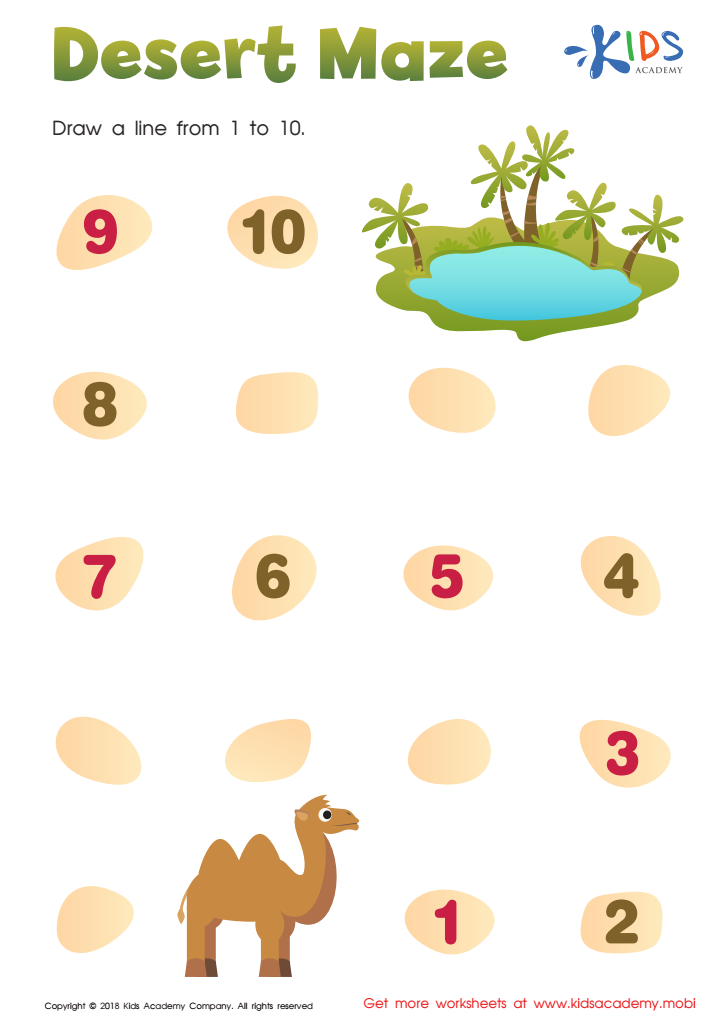
Desert Maze Worksheet
 Assign to My Students
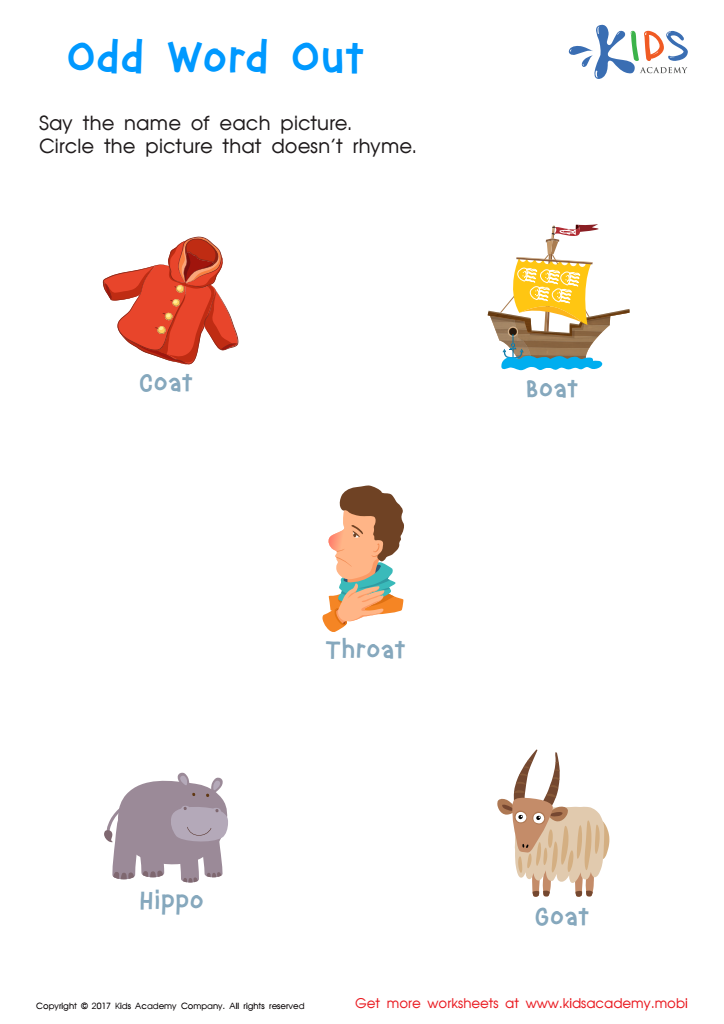
Odd Word Out Rhyming Worksheet
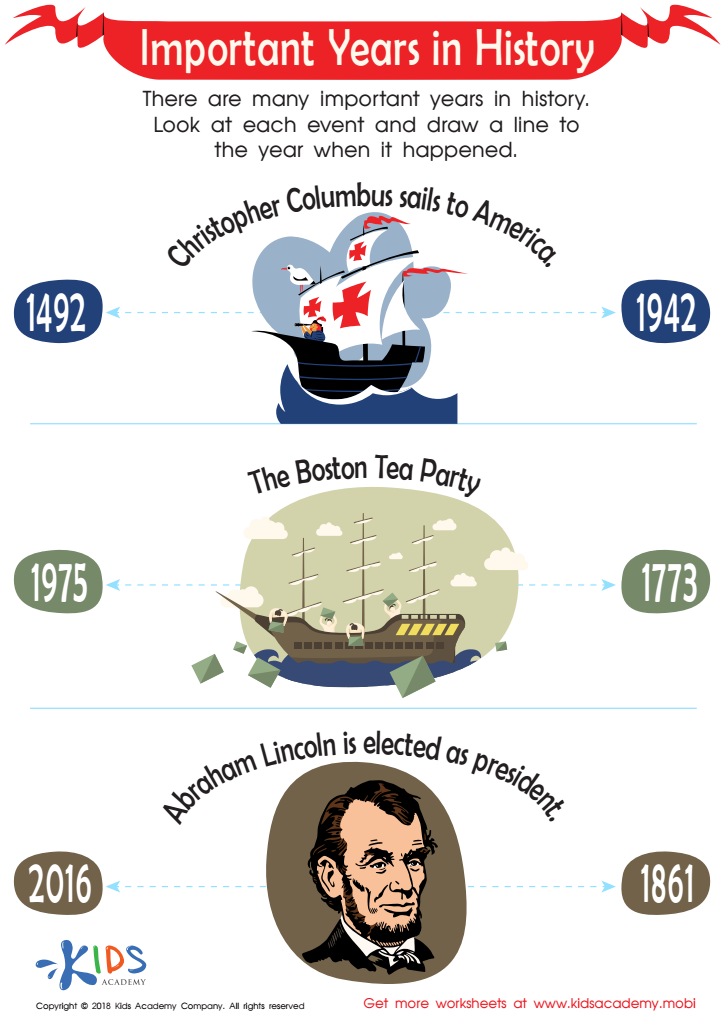
Important Years in History Worksheet

Capitalization: Fix the Story Worksheet
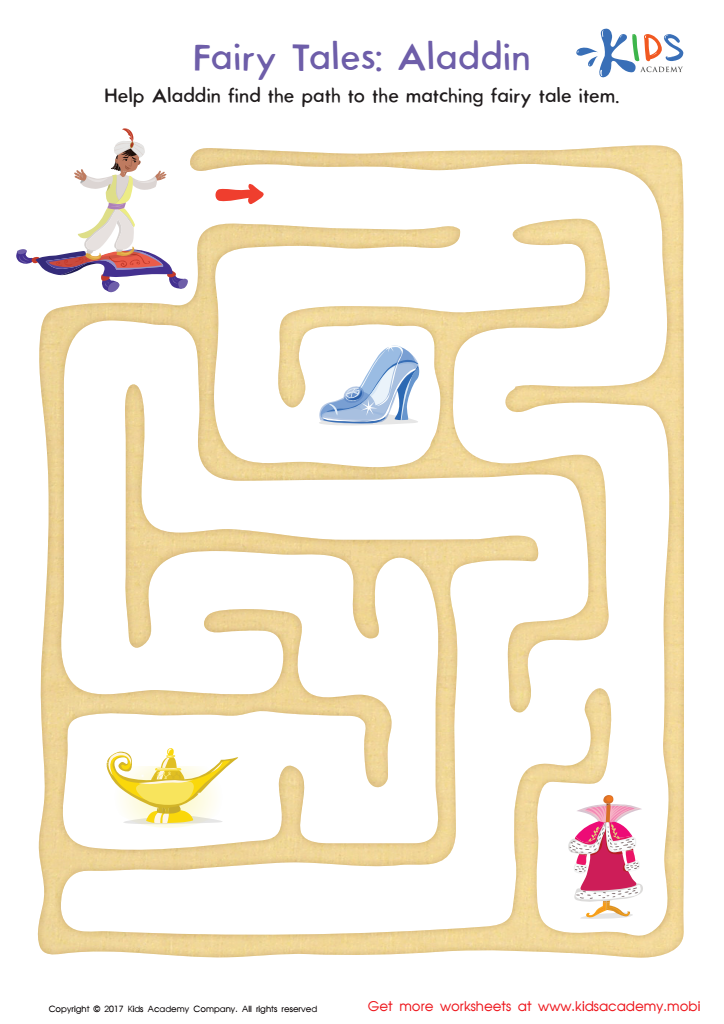
Fairy Tales Aladdin Printable
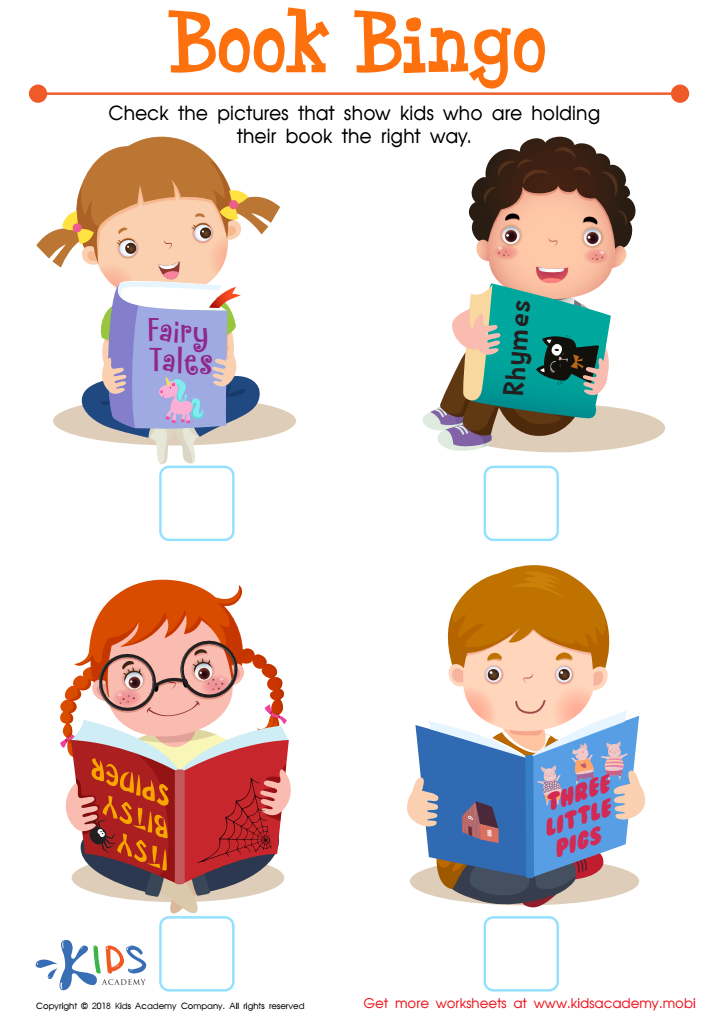
Book Bingo Worksheet
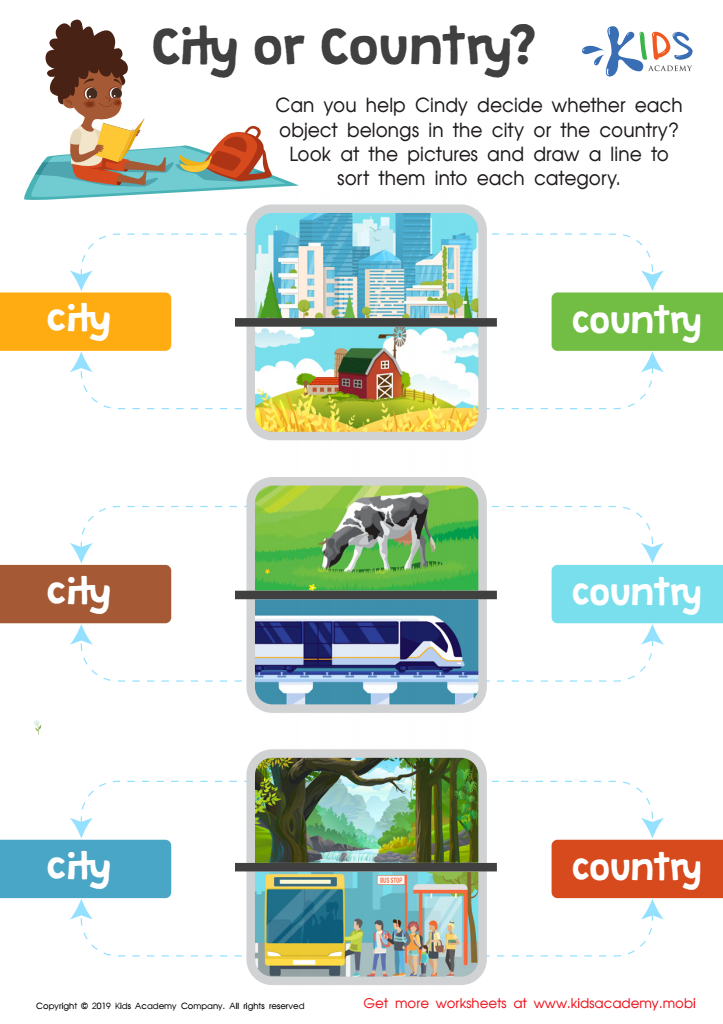
City or Country? Worksheet
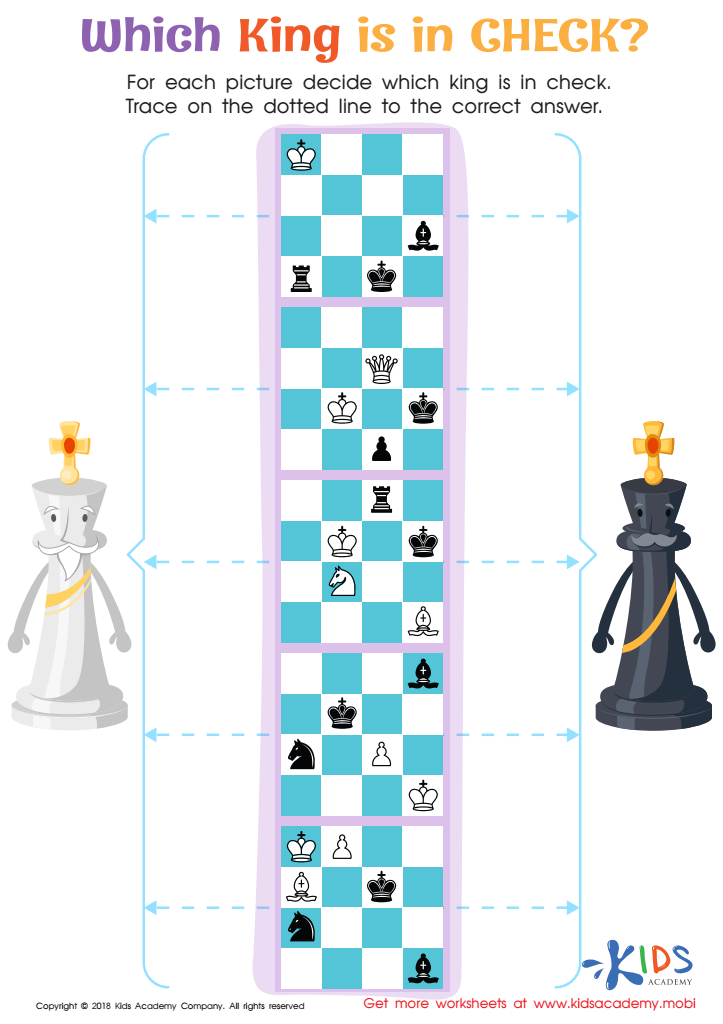
Which King is in Check? Worksheet
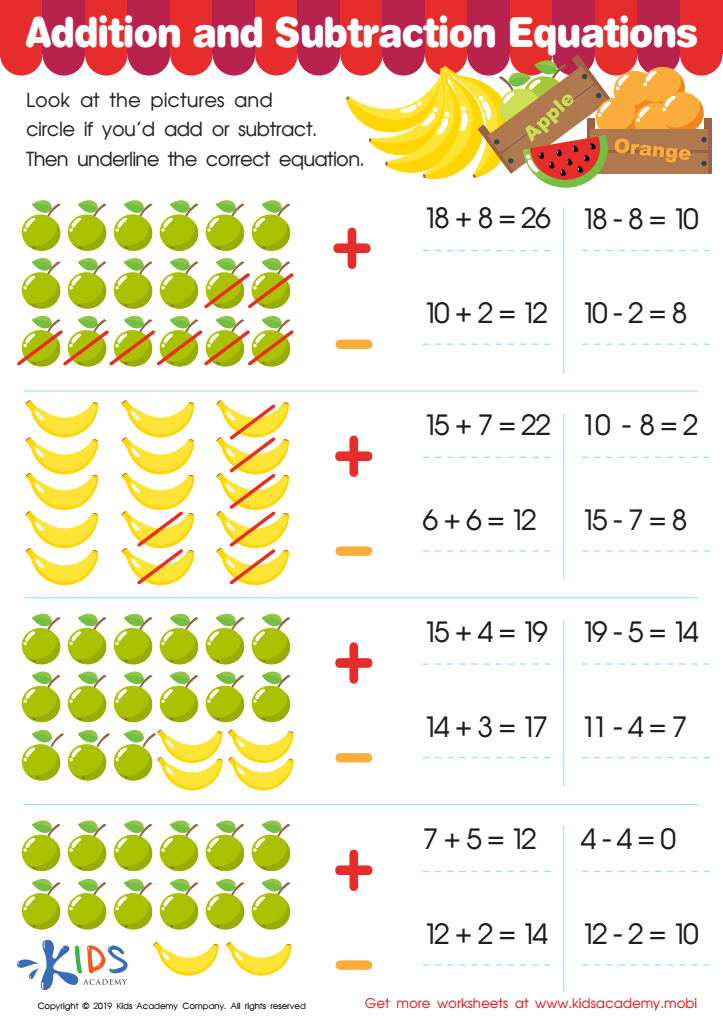
Addition and Subtraction: Equations Worksheet
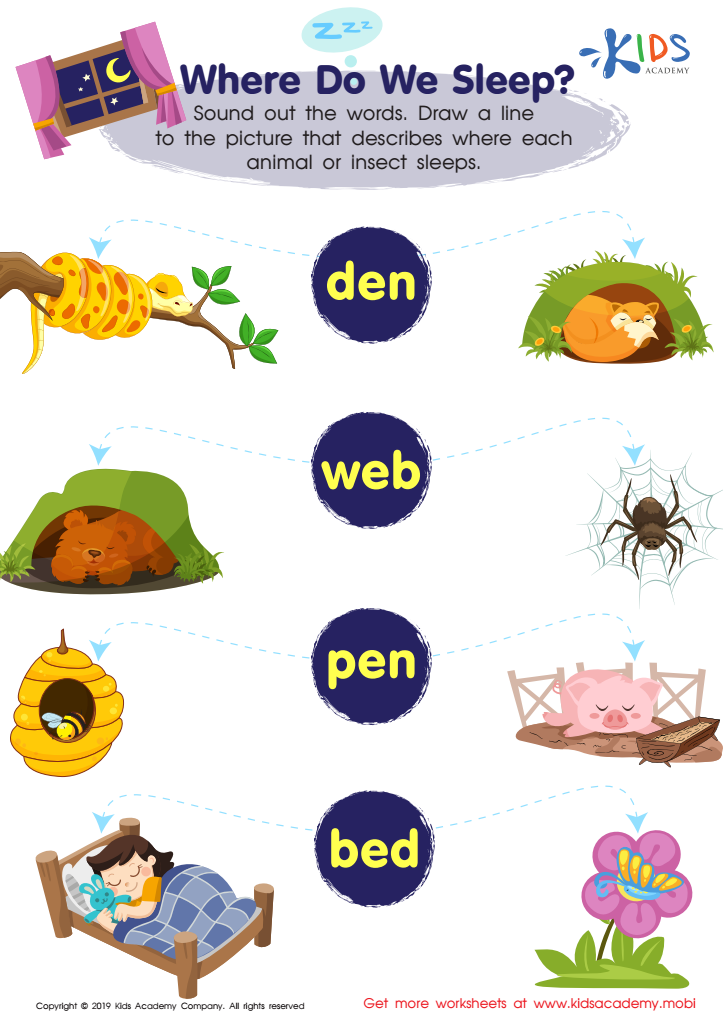
Where Do We Sleep Worksheet
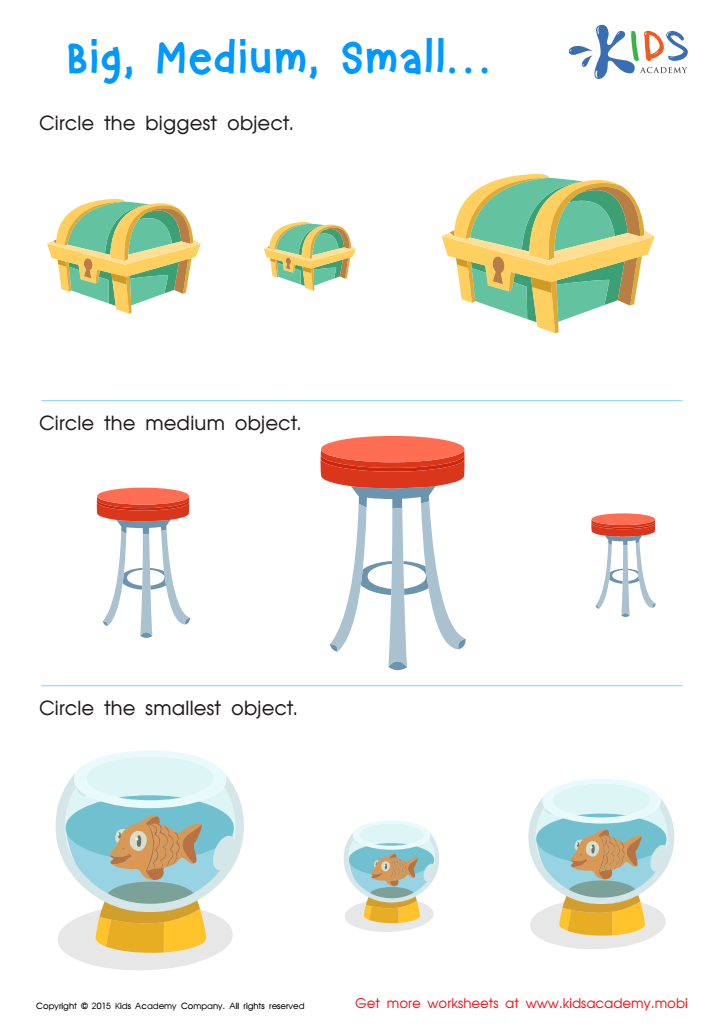
Big Medium Small Worksheet
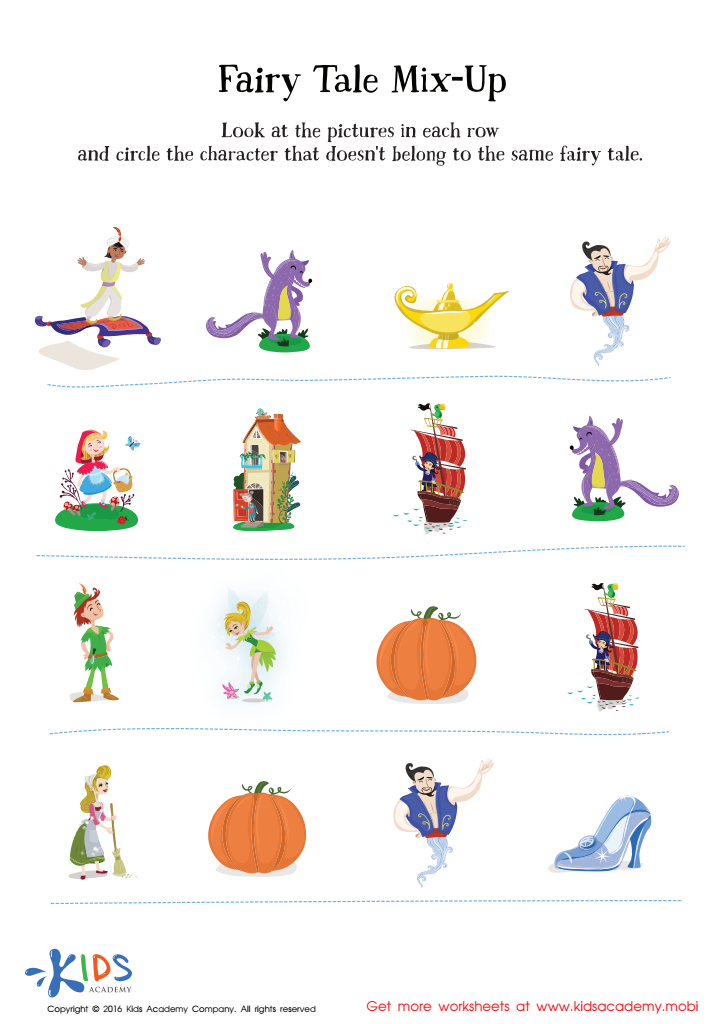
Fairy Tale Worksheet: Story Mix Up

Leprechaun Maze Printable
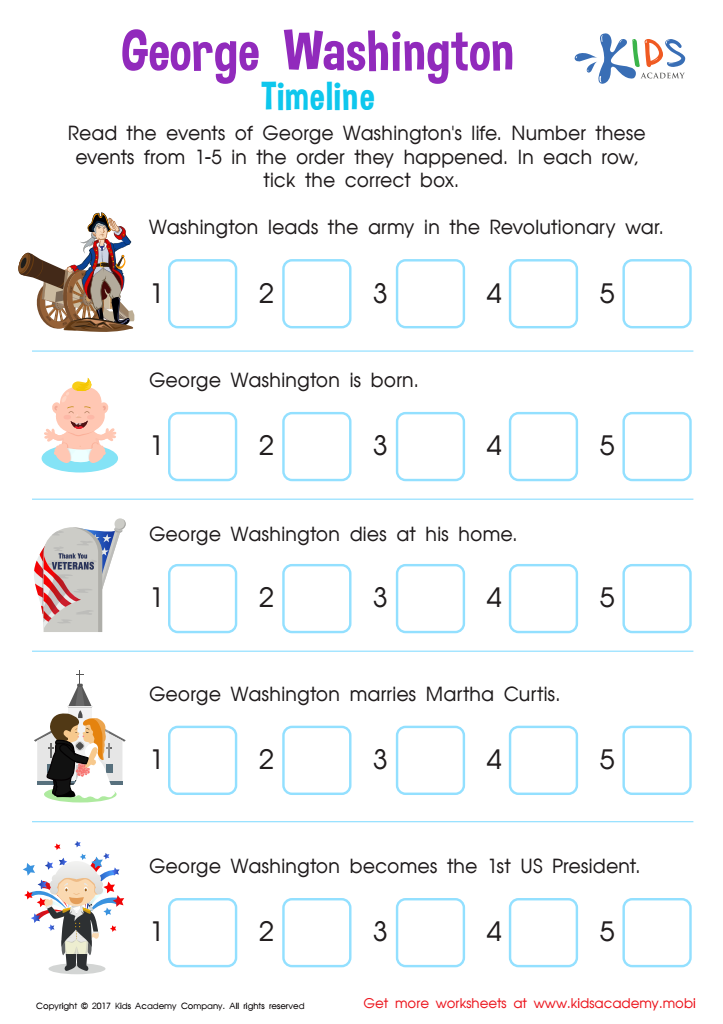
George Washington Timeline Worksheet





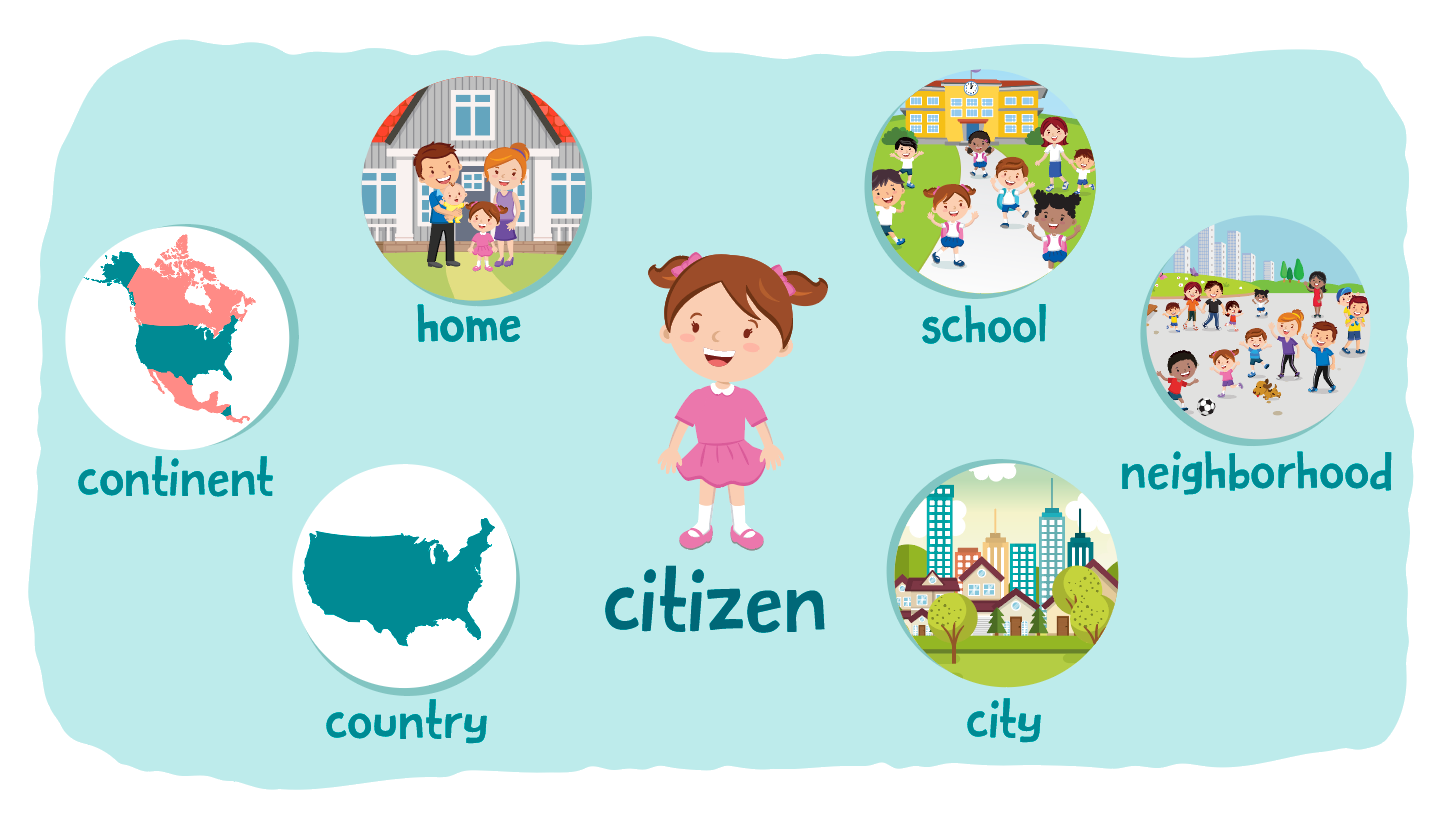


Critical Thinking Extra Challenges for ages 3-6 are vital for early development because they lay the groundwork for essential cognitive and social skills. At this formative stage, young minds are incredibly receptive and rapidly developing. Introducing critical thinking activities helps children learn to analyze, evaluate, and synthesize information in creative ways. These skills are not only critical for academic success but also for life in general – enabling better decision-making, problem-solving, and the ability to understand complex ideas.
For parents and teachers, fostering critical thinking in early childhood can lead to more engaged and curious learners. These activities encourage children to think independently, ask questions, and see beyond the obvious, which in turn promotes a love of learning and a resilient mindset. As a result, children become more adept at handling challenges and are less likely to experience frustration in learning or social settings.
Additionally, these challenges build a child's confidence and self-esteem as they navigate through activities that push their cognitive boundaries in positive ways. By investing time in critical thinking development, adults not only enhance the immediate educational experiences of young learners but also contribute to their long-term academic and personal success. This holistic approach ultimately supports children in becoming keen thinkers and compassionate, capable adults.








