Letter recognition Extra Challenge Worksheets for Ages 3-6
11 filtered results
-
From - To
Looking to boost your child's alphabet skills? Our "Letter Recognition Extra Challenge Worksheets for Ages 3-6" offer engaging and educational exercises perfect for young learners. These printable resources are designed to make learning fun, combining puzzles, tracing, and matching games that reinforce letter recognition. Ideal for preschool and kindergarten students, they help enhance fine motor skills, cognitive development, and a love for reading and writing. Tailored for various difficulty levels, our worksheets ensure that every child can progress at their own pace. Boost your child’s confidence and prepare them for school success with these exciting challenges!
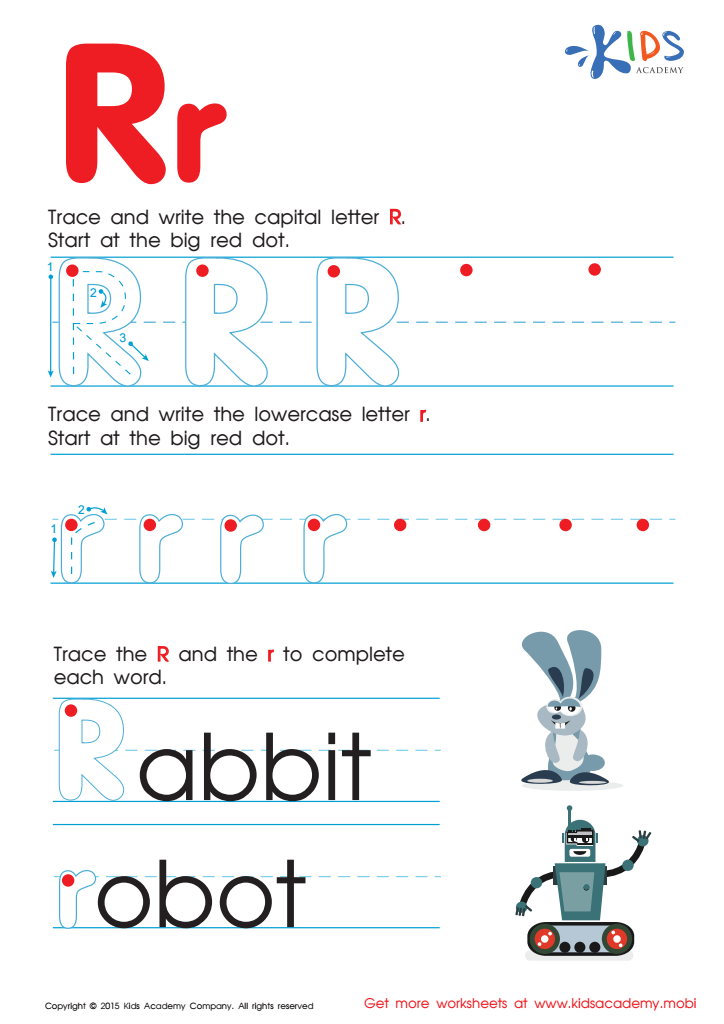
Letter R Tracing Page
 Assign to My Students
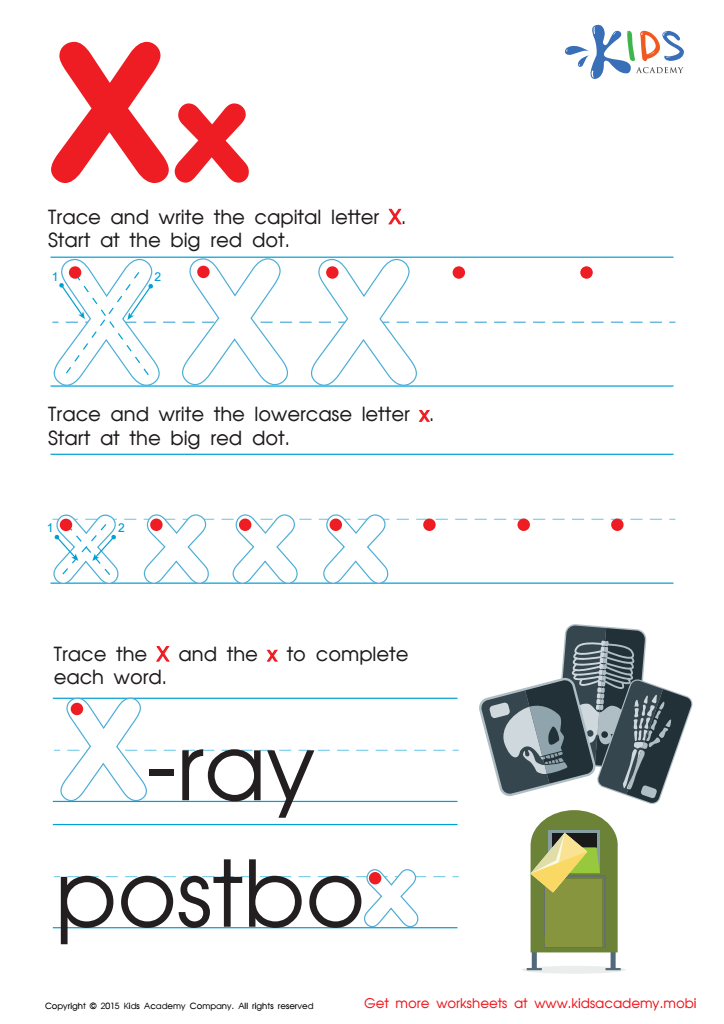
Letter X Tracing Page
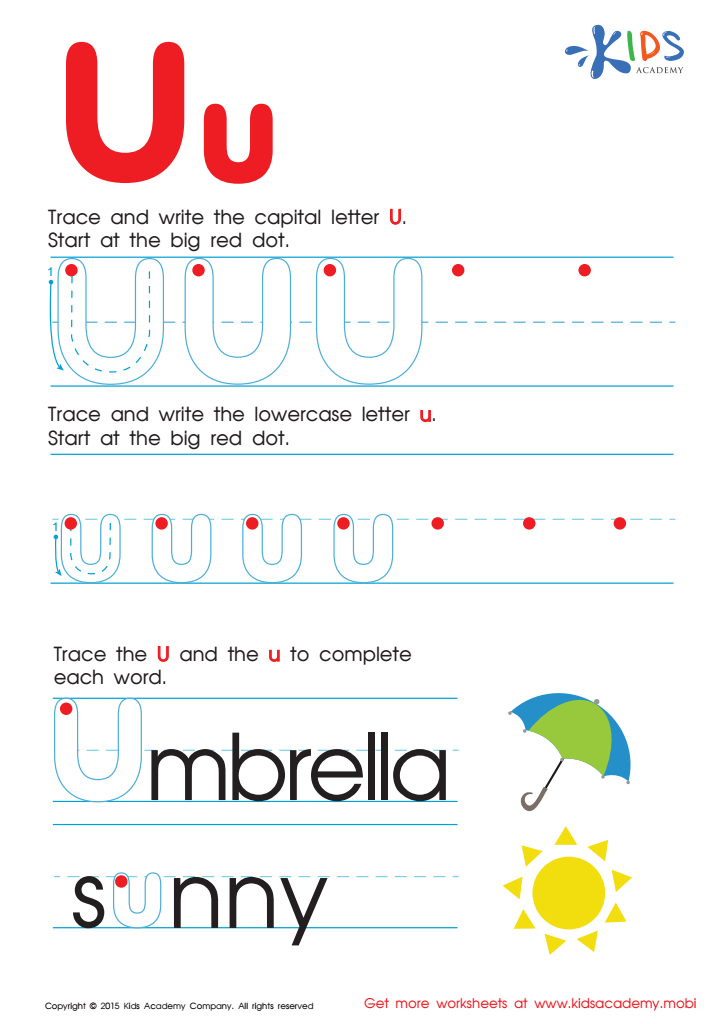
Letter U Tracing Page
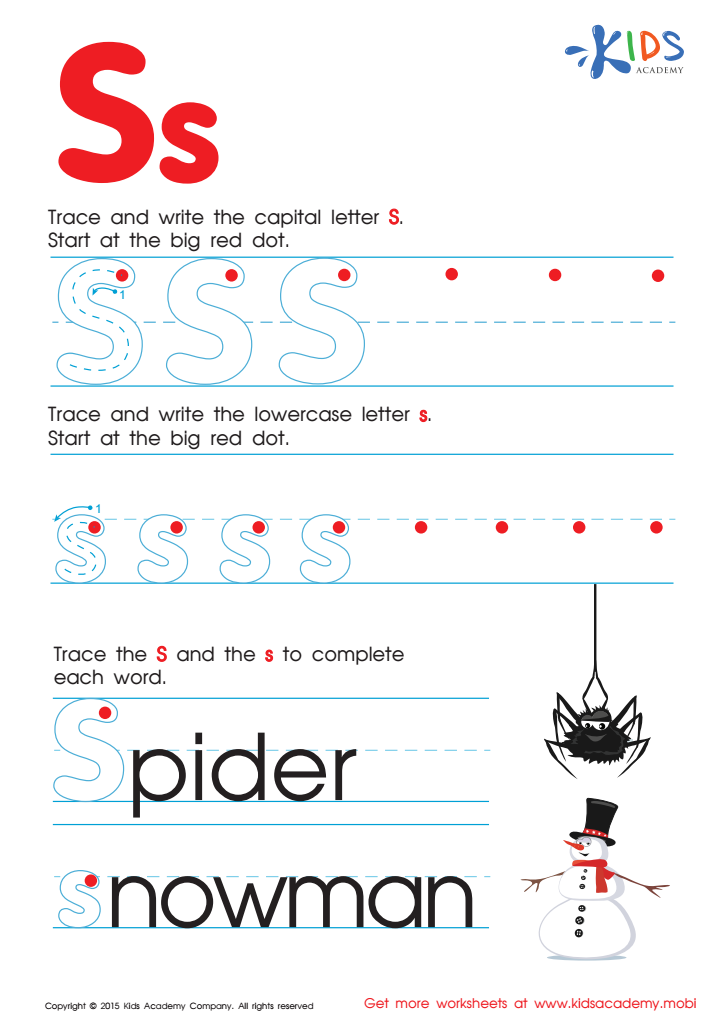
Letter S Tracing Page
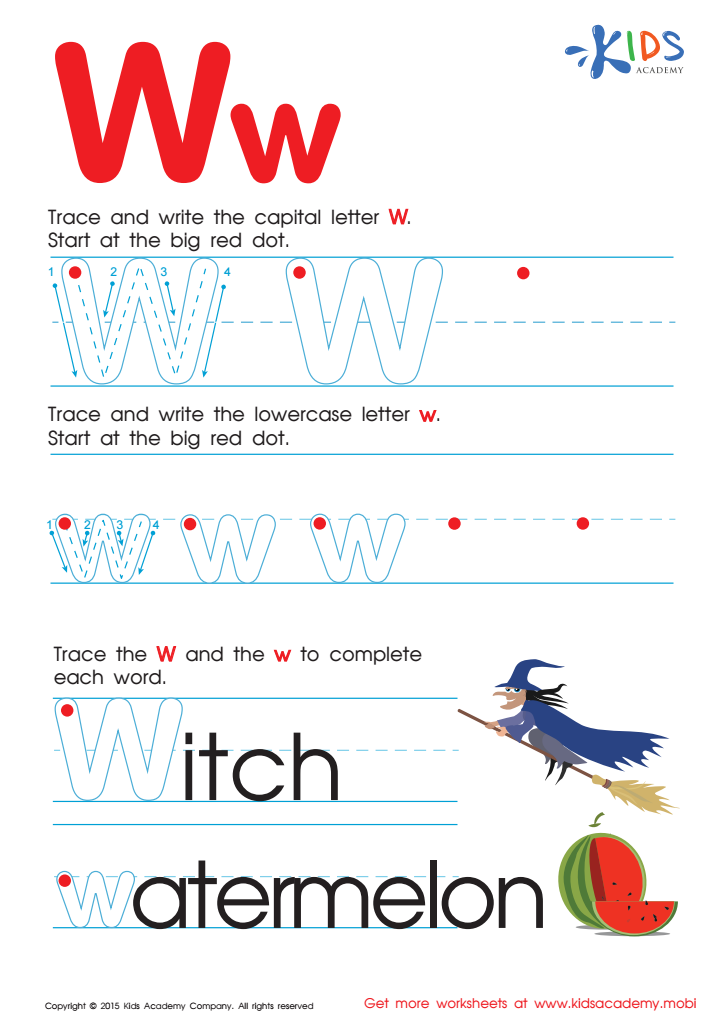
Letter W Tracing Page
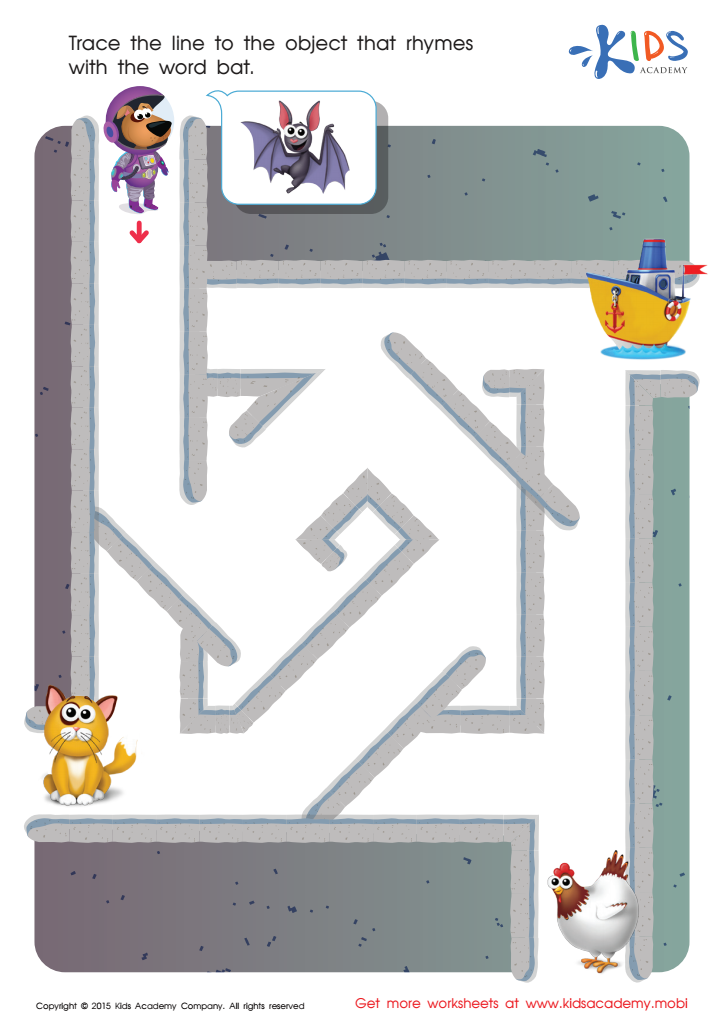
Bat Rhyming Words Worksheet
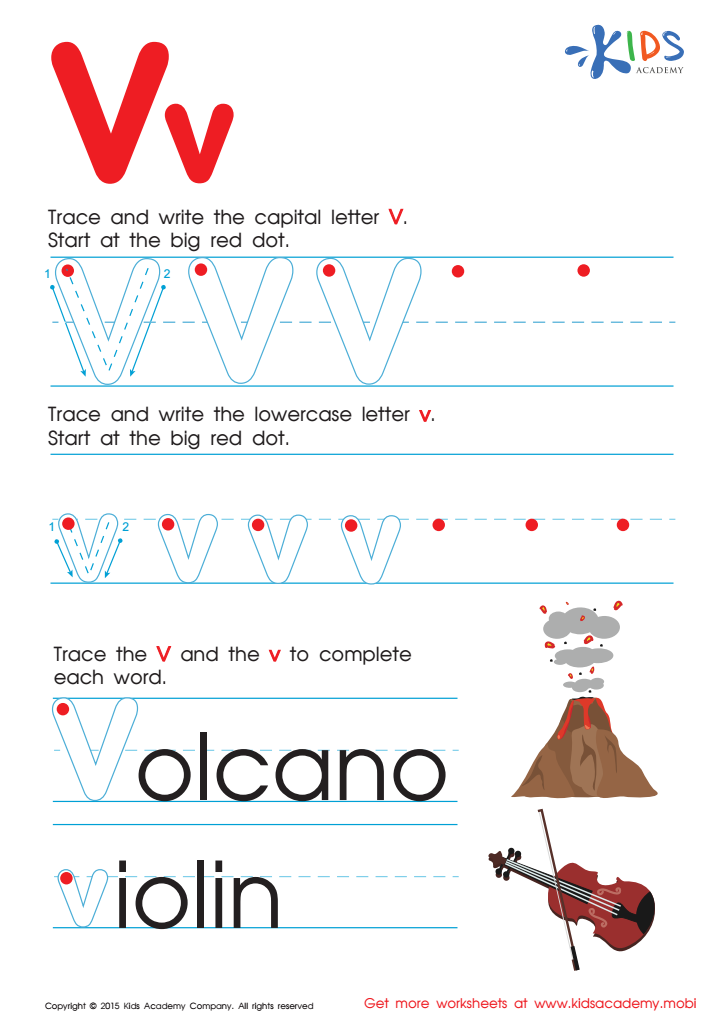
Letter V Tracing Page
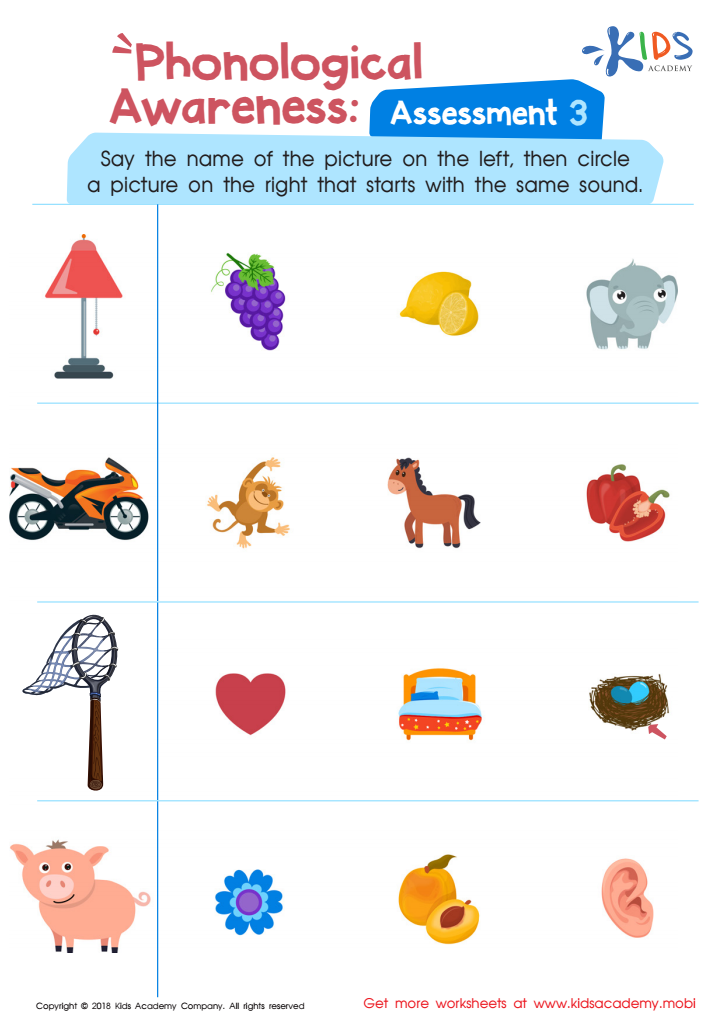
Phonological Awareness: Assessment 3 Worksheet
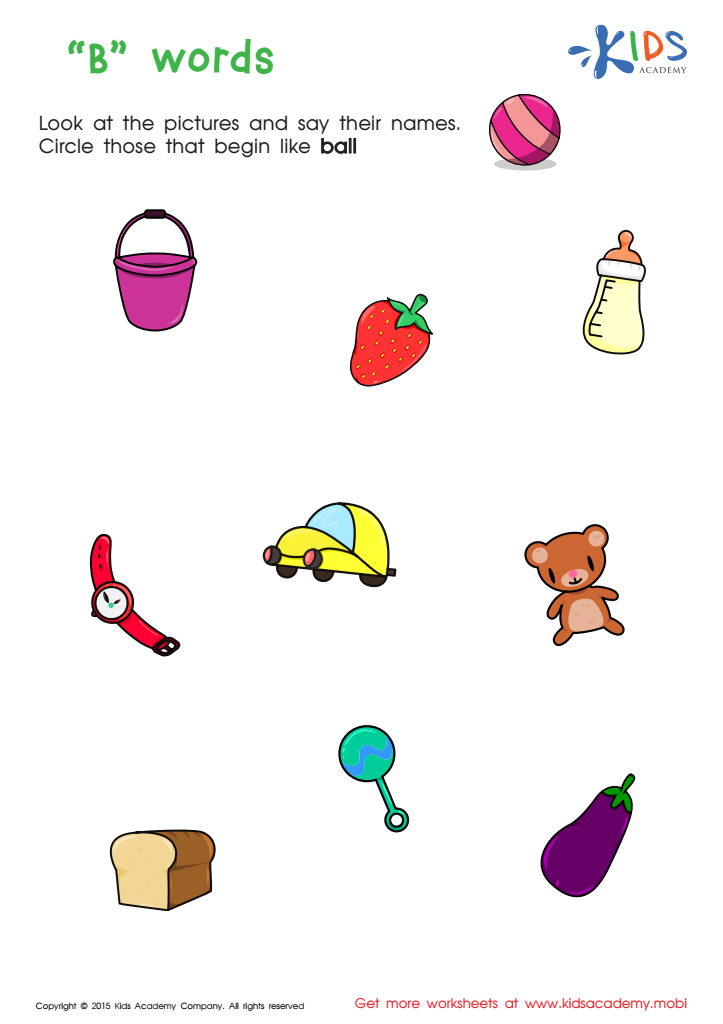
First Words Worksheet
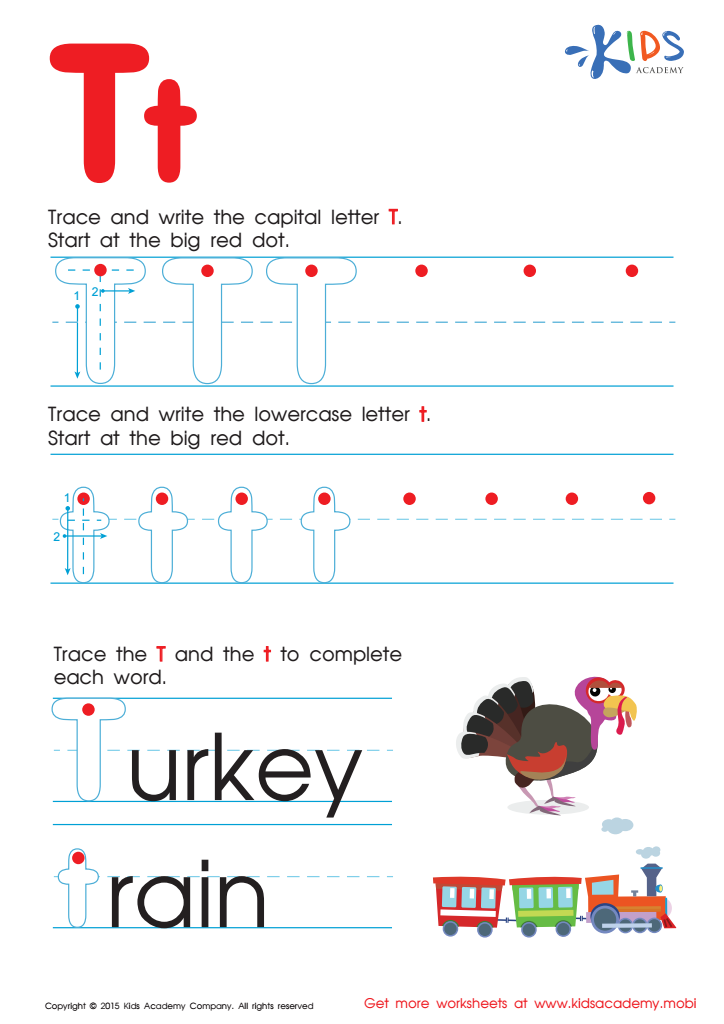
Letter T Tracing Page
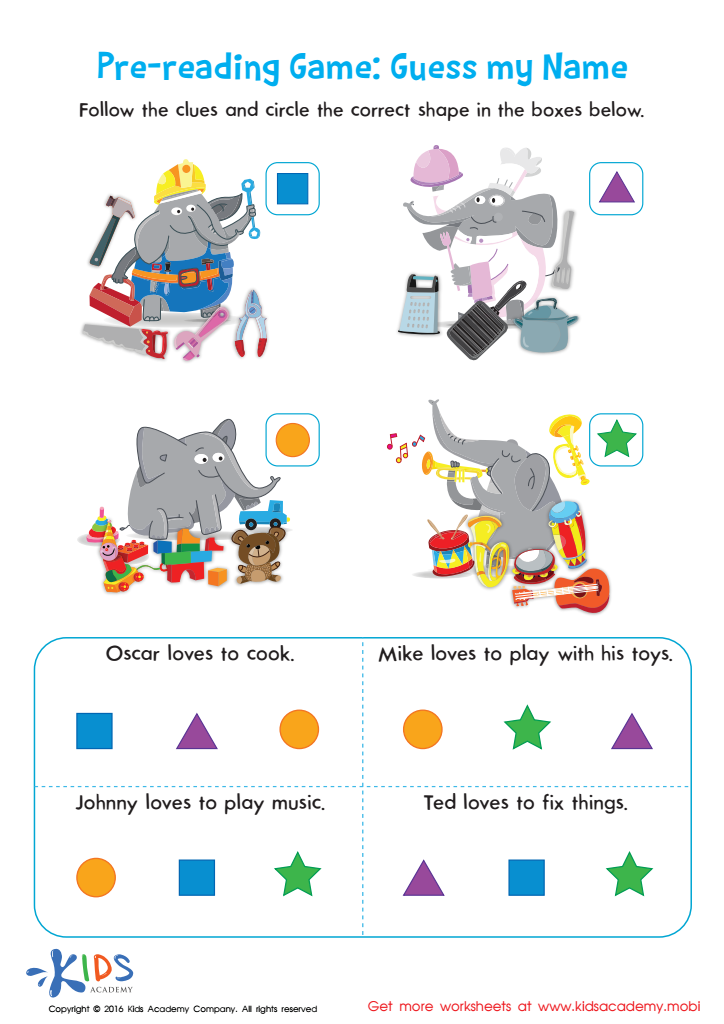
Pre Reading Worksheet Guess My Name








Letter recognition is a critical foundational skill for young children, typically aged 3-6, serving as a gateway to early literacy development. Parents and teachers should prioritize this for several important reasons. Firstly, letter recognition is closely correlated with reading readiness. Children who can readily identify letters have a significant advantage when they begin to learn to read. They can better understand how letters combine to form words and improve their phonemic awareness, or the ability to hear, identify, and manipulate the individual sounds in spoken words.
Moreover, mastering letter recognition boosts children's confidence and enthusiasm for learning. When children successfully recognize letters, it reassures them that they are making progress, fostering a positive attitude towards learning new and potentially challenging content. This can lead to a lifelong love of reading and curiosity about the world.
Additionally, strong letter recognition skills provide the foundational basis for writing. Understanding letters and their corresponding sounds aids children in early writing tasks and fosters better spelling and vocabulary development.
An Extra Challenge in letter recognition encourages creative, critical thinking and keeps children engaged in a fun, stimulating way. For instance, crafting alphabet games or exploring letters in different contexts (books, signs, or educational apps) nurtures a rich learning environment. Ultimately, investing effort in letter recognition hones critical early literacy skills fundamental to educational success.








