Vocabulary development Extra Challenge Worksheets for Ages 3-6
5 filtered results
-
From - To
Boost your child's vocabulary with our engaging Extra Challenge Worksheets designed for ages 3-6! These fun and interactive resources provide young learners with the opportunity to explore language in a stimulating way. Our worksheets feature a variety of activities, including matching, word building, and picture identification, helping children enhance their language skills while encouraging creativity and critical thinking. Perfect for home or classroom use, these printable worksheets support early literacy development, ensuring your little ones grow confident in their communication abilities. Introduce the joy of learning new words and make vocabulary development an exciting adventure today!
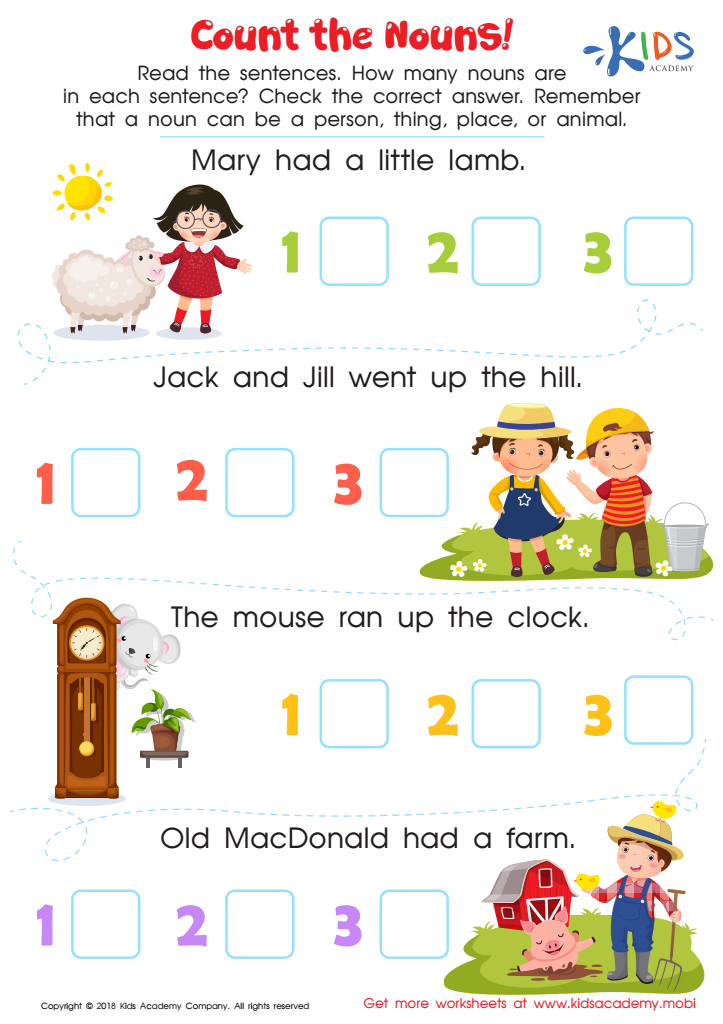
Count the Nouns Worksheet
 Assign to My Students
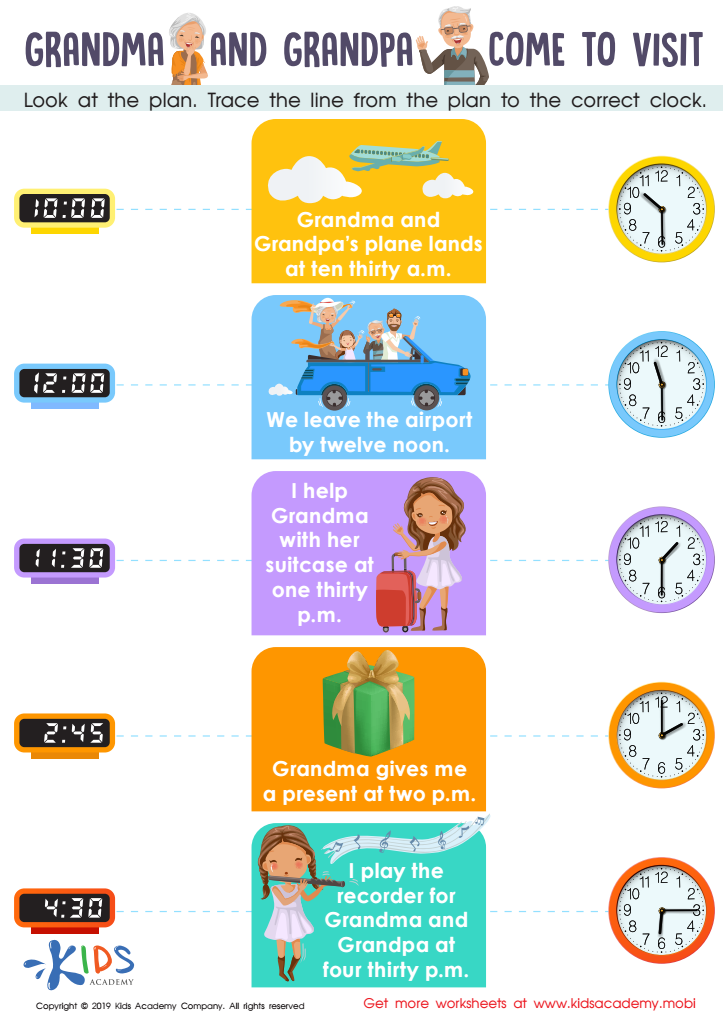
Grandpa and Grandma Come to Visit Worksheet
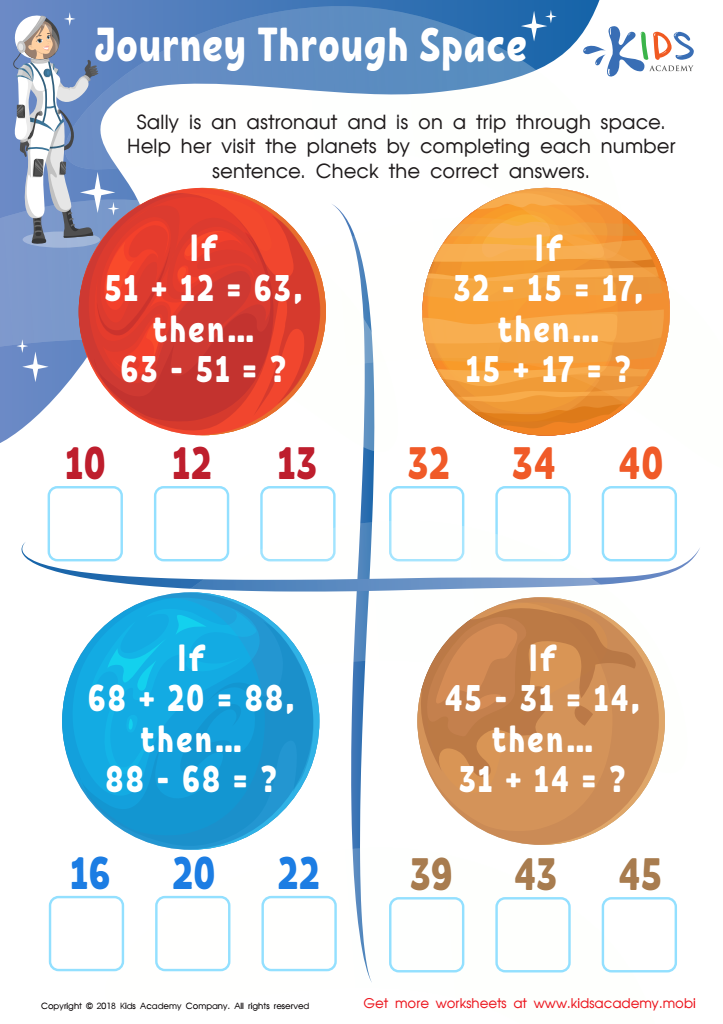
Journey Through Space Worksheet
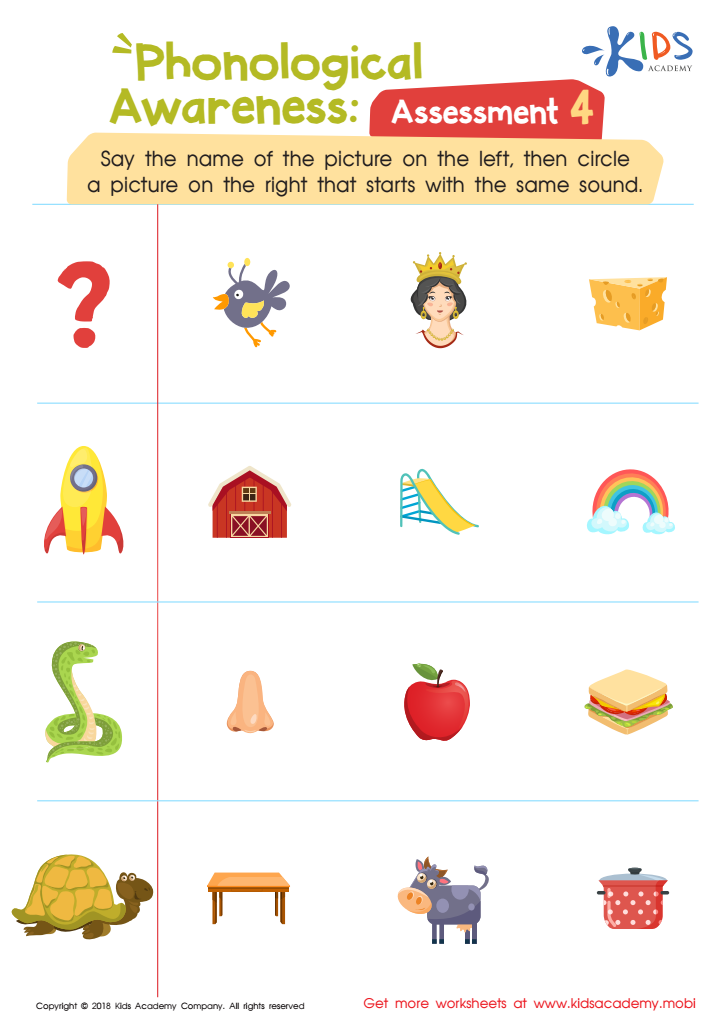
Phonological Awareness: Assessment 4 Worksheet
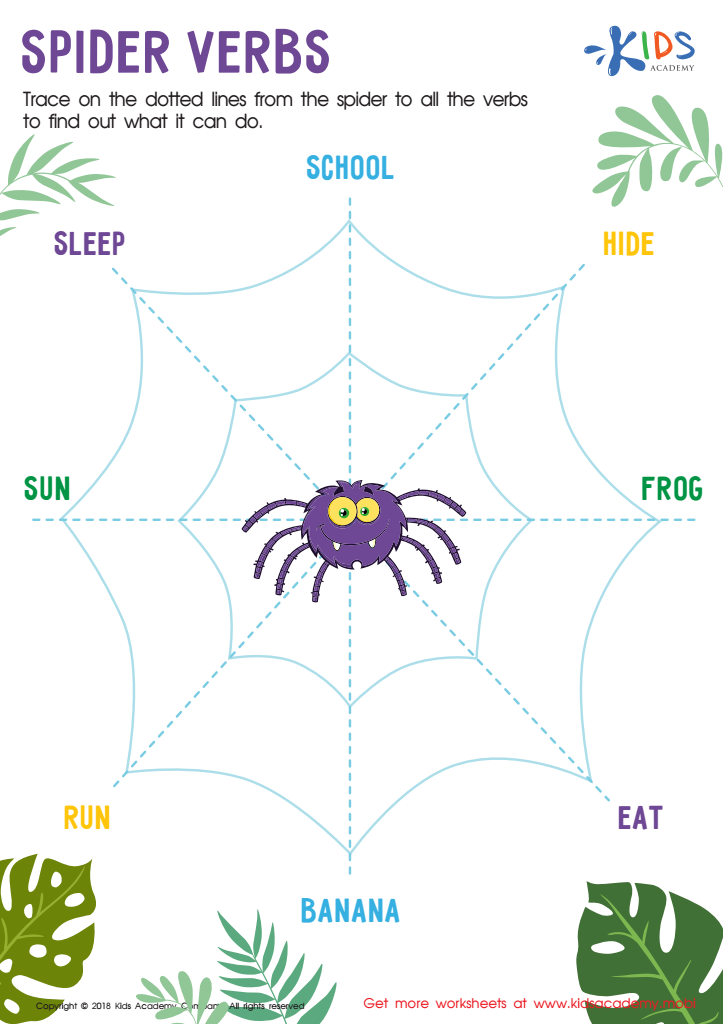
Spider Verbs Worksheet







Vocabulary development in young children, particularly ages 3-6, is crucial for their overall growth and success in future learning. At this early stage, children are like sponges, absorbing new words and concepts that form the foundation for effective communication and critical thinking skills. Parents and teachers should care about vocabulary development because it directly impacts literacy skills, which further influences academic achievement. A robust vocabulary allows children to express ideas clearly, understand more complex texts, and engage in meaningful conversations.
Moreover, vocabulary development enhances a child's social skills and boosts self-confidence. When children can articulate their thoughts and feelings, they navigate social interactions more effectively, fostering positive relationships with peers and adults. Engaging in storytelling, reading, and interactive conversations helps expose children to new words in context, which is essential for retention and understanding.
Finally, investing time in vocabulary-building activities—such as games, songs, and discussions—provides an effective means for fostering a love for language and learning. Parents and teachers play a pivotal role in this journey, creating rich, language-rich environments that ignite curiosity and discovery. In doing so, they equip children with the tools they need to navigate the complexities of the world around them.








