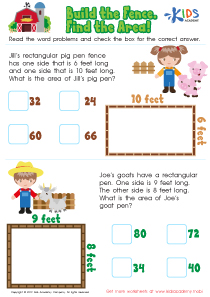
Counting practice Extra Challenge Numbers Worksheets for Ages 3-6
6 filtered results
-
From - To
Unlock the fun of counting with our "Counting Practice Extra Challenge Numbers Worksheets" designed for children ages 3 to 6! These engaging worksheets not only help develop essential counting skills but also encourage critical thinking through fun challenges. Each worksheet features colorful illustrations and interactive activities, making it an exciting way for young learners to explore numbers and enhance their mathematical understanding. Perfect for parents and educators, these extra challenge worksheets support the early educational journey with age-appropriate exercises. Watch your child gain confidence in their counting abilities while enjoying the playful learning experience. Download and inspire their love for numbers today!
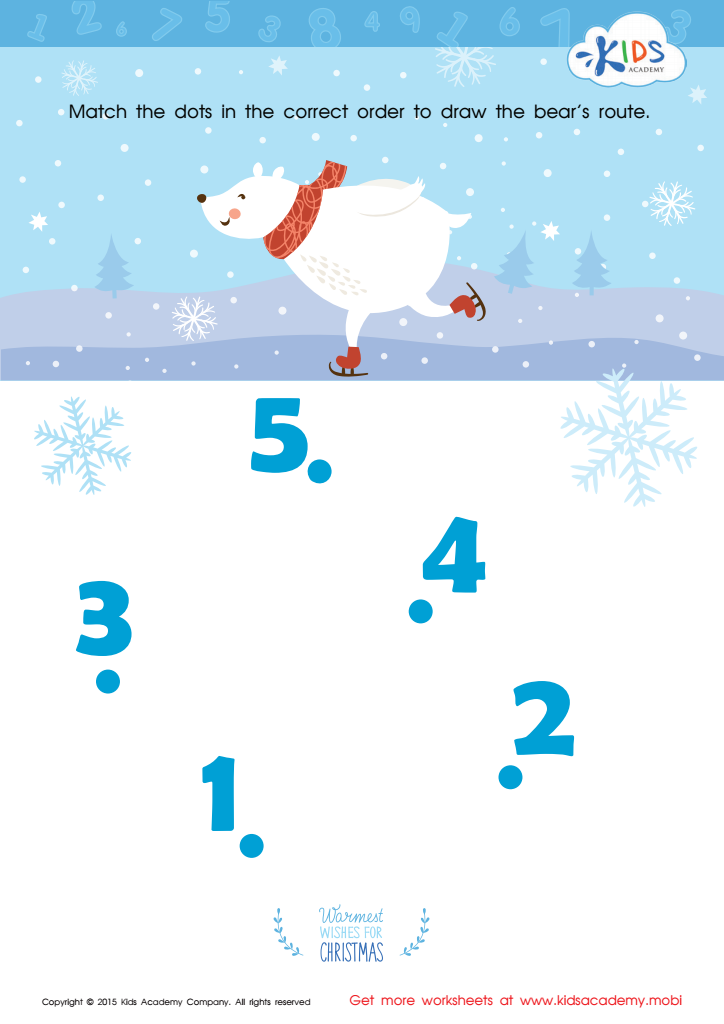
Drawing the Bear's Route by Number Worksheet
 Assign to My Students
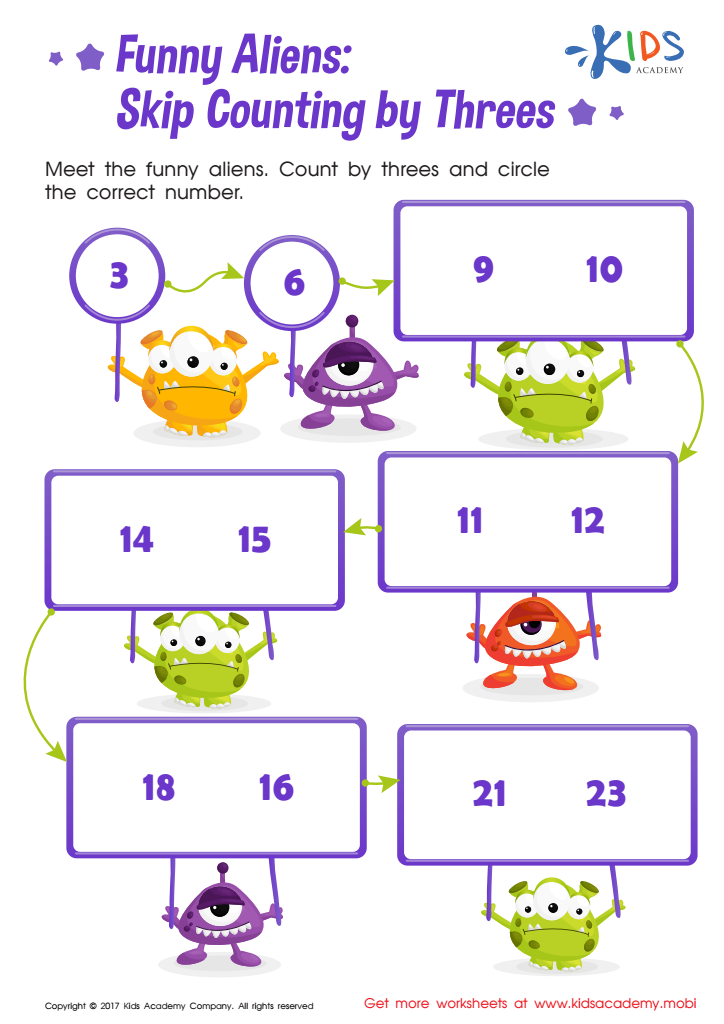
Skip Counting by 3s: Funny Aliens Printable
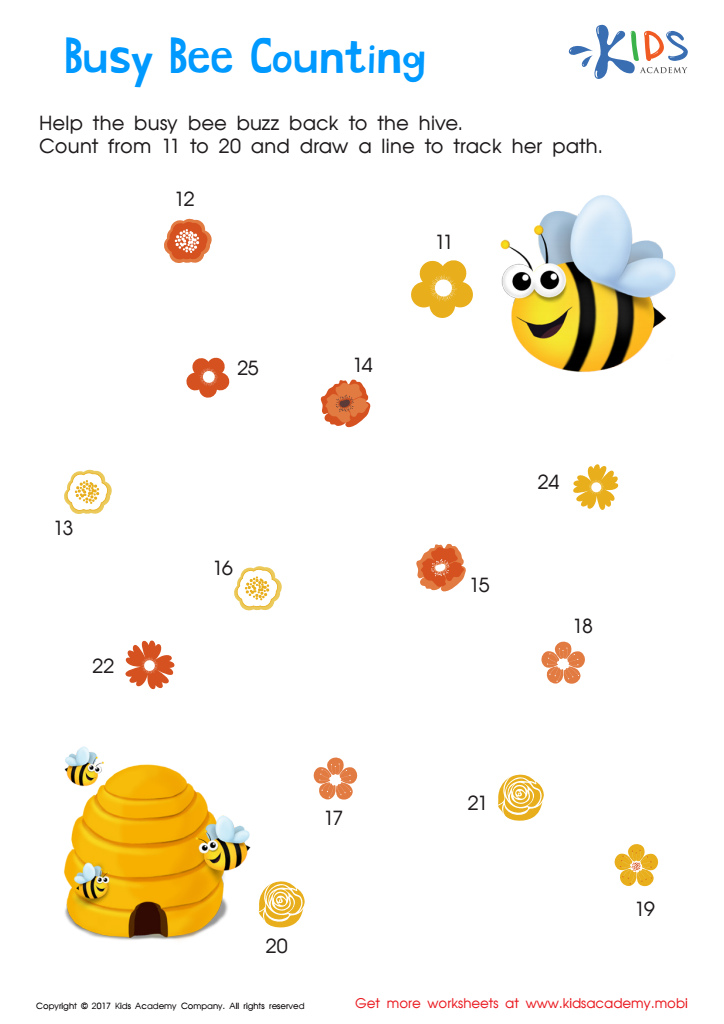
Ordering 11–20: Busy Bee Counting Worksheet
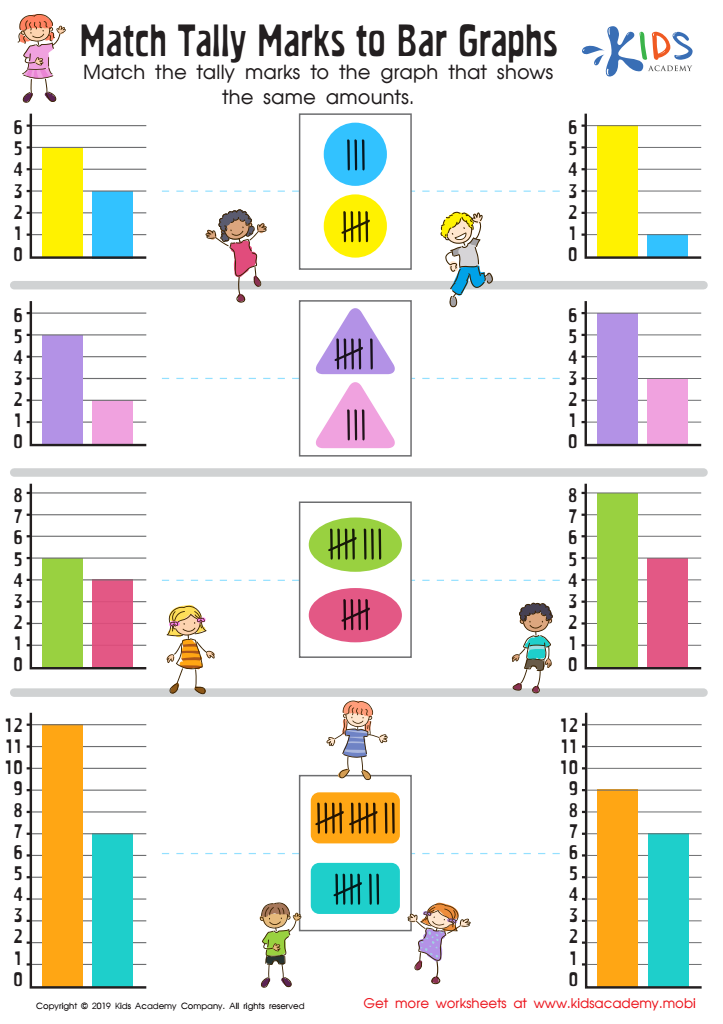
Match Tally Marks to Bar Graphs Worksheet
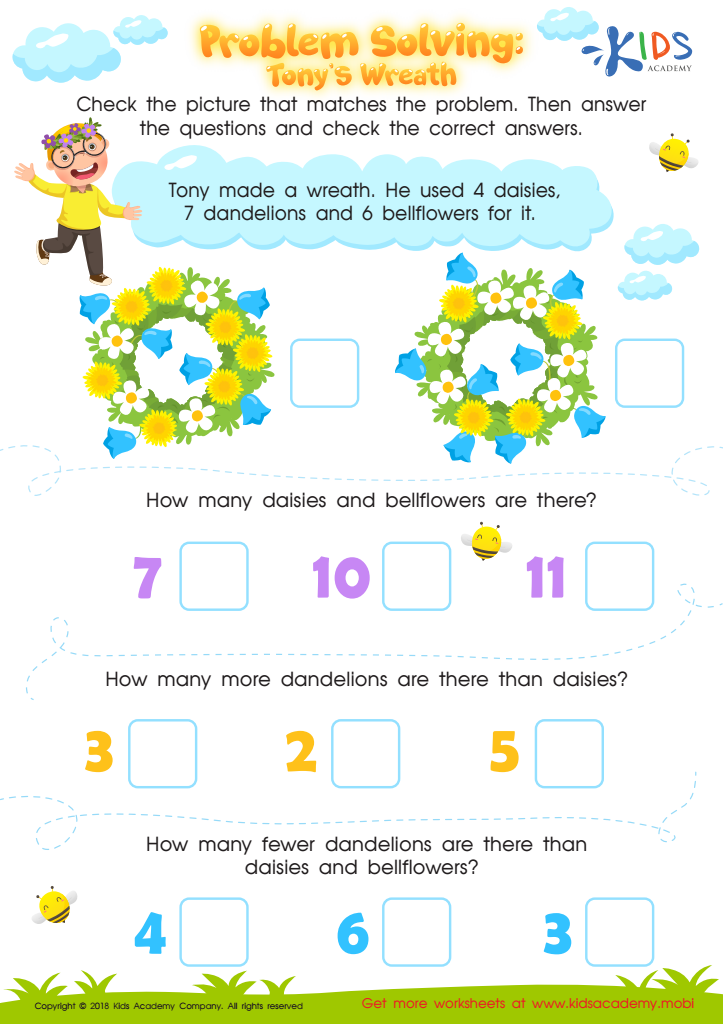
Problem Solving: Tony's Wreath Worksheet
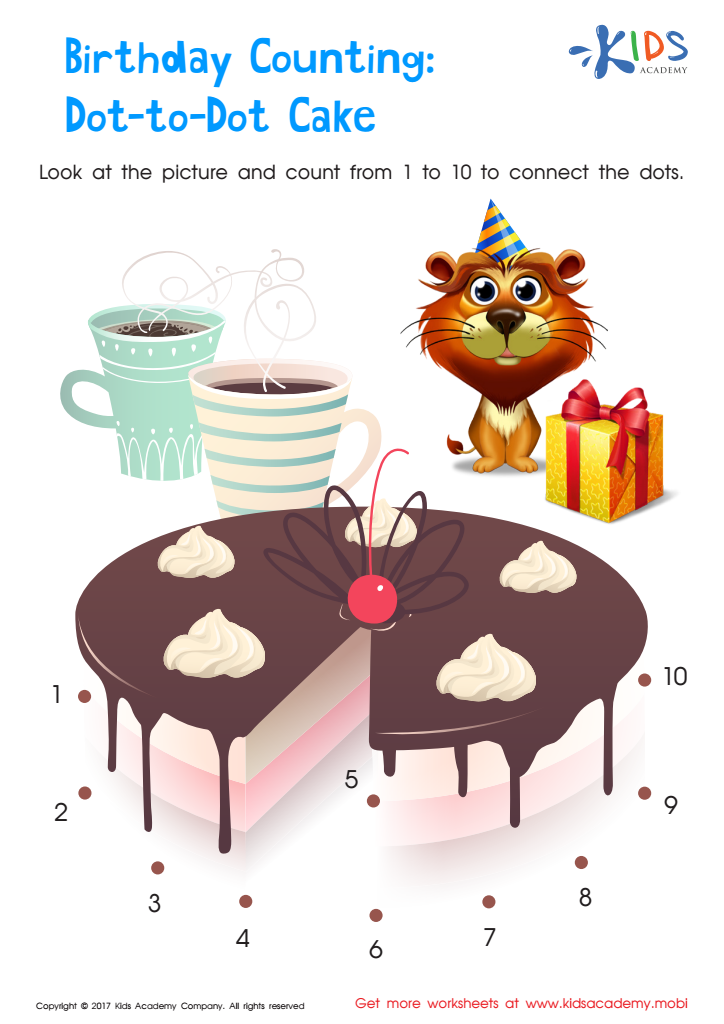
Birthday Counting Connect Dots Worksheet







.jpg)
Counting practice scripts for children aged 3-6 are crucial for foundational learning in math. Developing numeracy skills at an early age lays the groundwork for future academic success. Engaging in number challenges encourages children not only to recognize numbers but also to understand concepts such as quantity and sequence. This cognitive development directly contributes to their problem-solving abilities later in life.
Additionally, counting practice fosters creativity and exploration. These activities can be incorporated into play, making learning fun and interactive. For instance, incorporating counting with everyday objects—like toys or snacks—helps children relate mathematical concepts to real-life experiences, increasing retention.
Involving parents in these counting practices strengthens parent-child bonds. It offers an opportunity for quality time while reinforcing learning outcomes. Teachers can also use these practices to differentiate instruction, catering to varied learning paces and styles within the classroom.
Furthermore, early counting skills are linked to later success in more advanced mathematical concepts, impacting a child's overall academic trajectory. By prioritizing counting practice, parents and teachers equip children with critical skills that support their cognitive, social, and emotional development. Investing effort into these early experiences sets children up for a lifetime of learning and a positive attitude towards mathematics.