Comparing objects Extra Challenge Math Worksheets for Ages 3-6
3 filtered results
-
From - To
Enhance your child's math skills with our "Comparing Objects Extra Challenge" worksheets, designed specifically for ages 3-6! These engaging, printable worksheets encourage young learners to explore fundamental comparison concepts through fun, hands-on activities. Children will practice identifying similarities and differences, and honing their critical thinking skills as they compare sizes, quantities, and shapes. Tailored to challenge budding mathematicians, these worksheets foster early mathematical reasoning in an enjoyable way. Whether used at home or in the classroom, our resources are perfect for free exploration or guided learning. Make math a time of discovery and joy with our extra challenge worksheets!
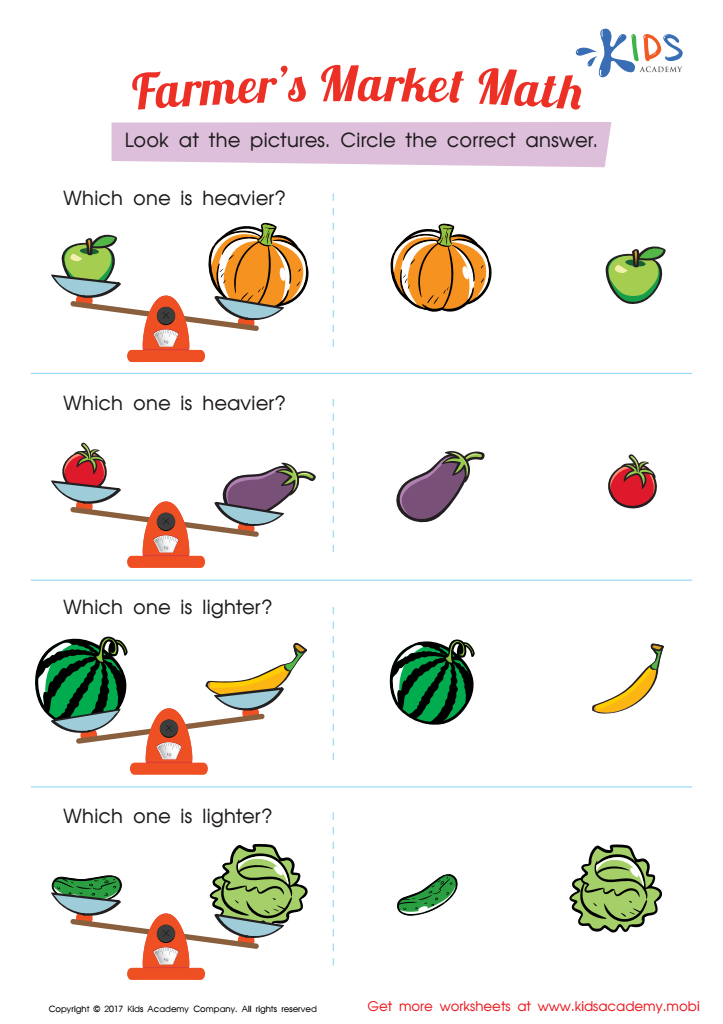
Which One Is Heavier Worksheet
 Assign to My Students
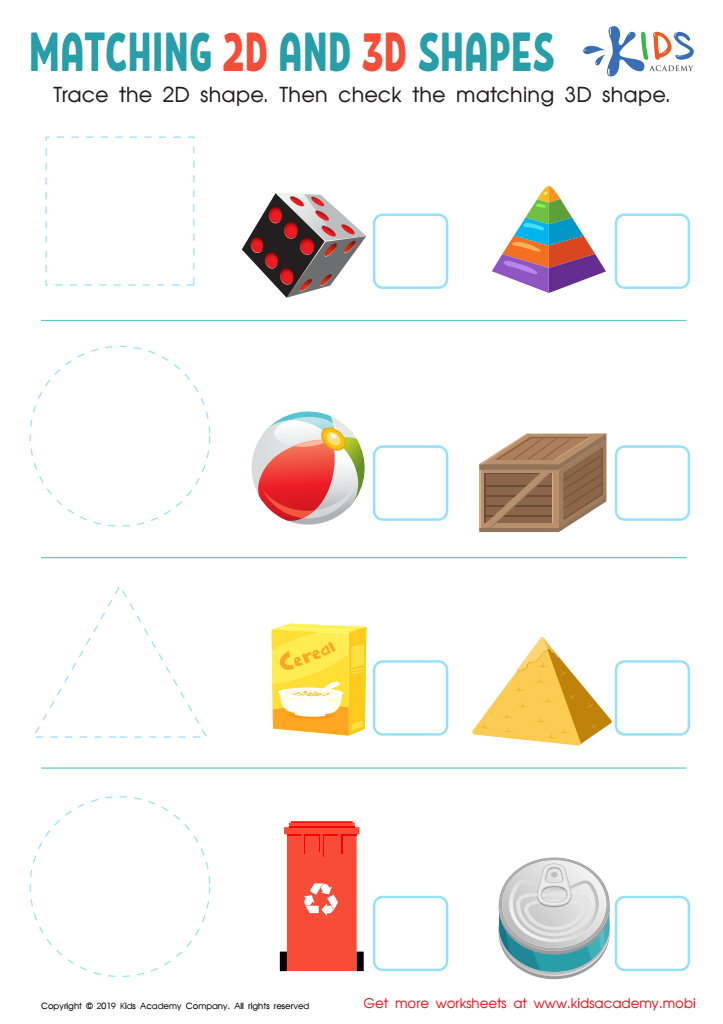
Matching 2D and 3D Shapes Worksheet
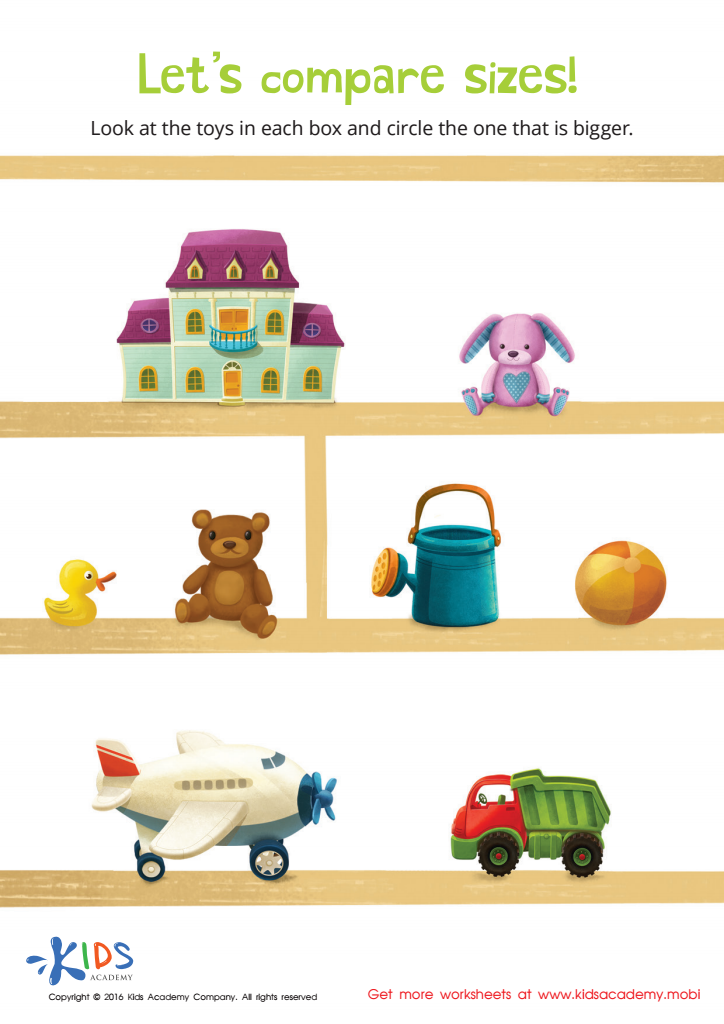
Classifying by Size Sorting Worksheet


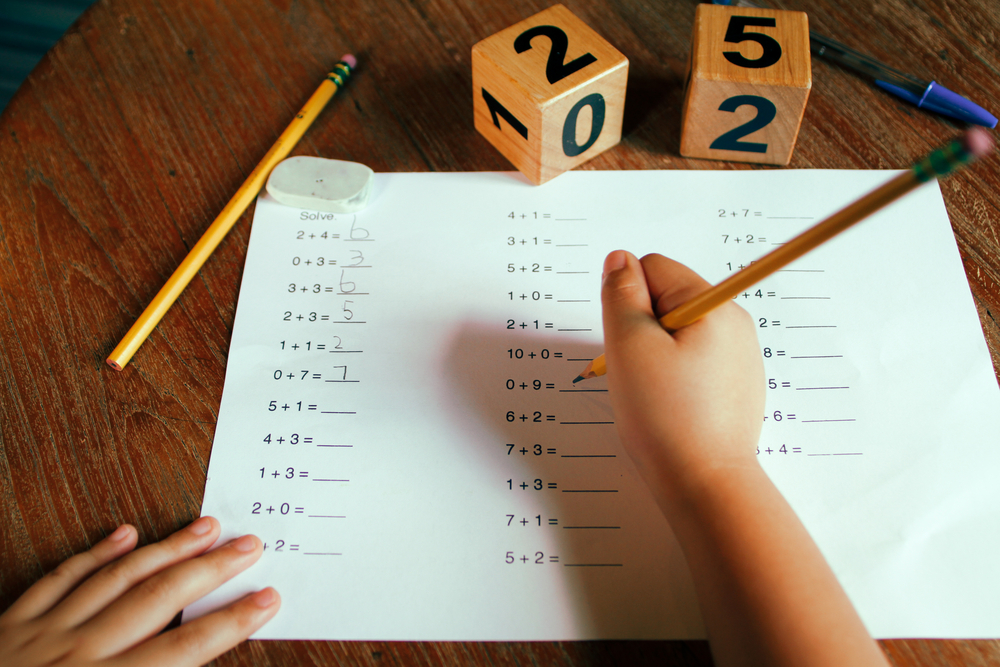



Comparing objects is a fundamental skill that develops critical mathematical understanding and reasoning in young children aged 3 to 6. Parents and teachers should prioritize this concept as it transcends simple counting, laying the groundwork for skills such as categorization, measurement, and problem-solving.
When children are exposed to comparing objects, they learn to identify attributes such as size, shape, length, and weight. This sends them valuable cognitive signals about how to organize their thoughts and approach mathematics in a structured way. Engaging children in activities where they compare sizes, quantities, or lengths cultivates observational skills and enhances their ability to analyze differences and similarities.
Additionally, this foundational skill promotes language development, as discussions around comparison introduce new vocabulary, strengthens concepts, and encourages reasoning. As children communicate about their comparisons, they also refine their social skills by sharing observations and engaging in collaborative exploration.
In essence, prioritizing Compare Objects Extra Challenges fosters a lifetime love for learning while equipping children with essential skills to navigate the world around them. Investing time in these early mathematical experiences can offer essential building blocks for future academic success, making it critical for teachers and parents alike to focus on such engaging mathematical challenges.








