Extra Challenge Chess Worksheets for Ages 3-7 - Page 2
37 filtered results
-
From - To
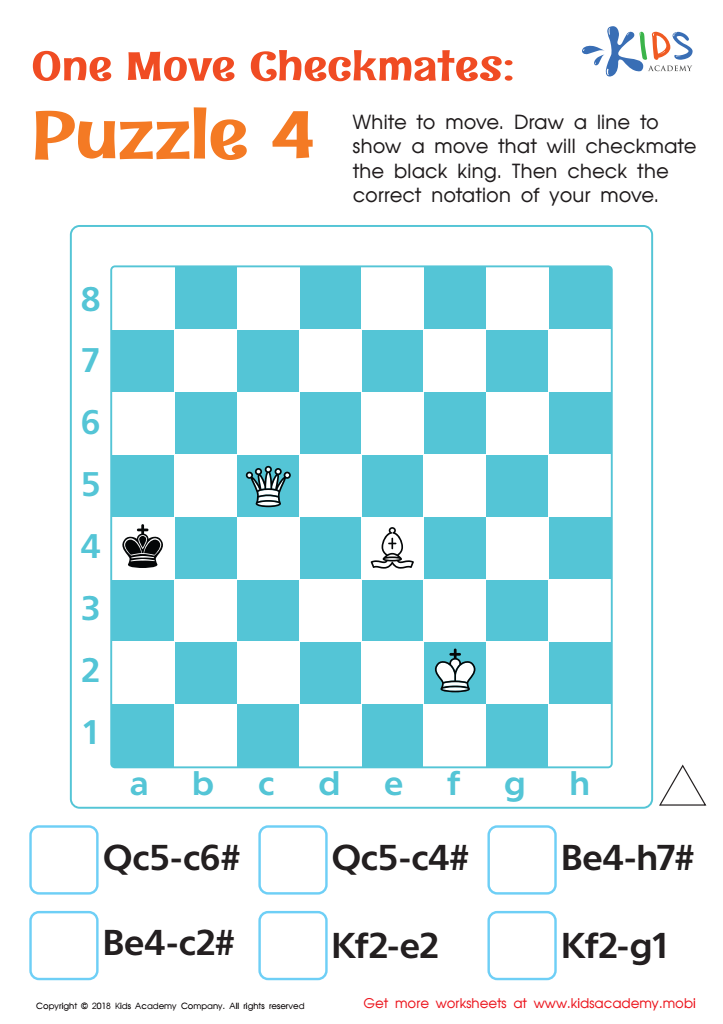
One Move Checkmates: Puzzle 4 Worksheet
 Assign to My Students
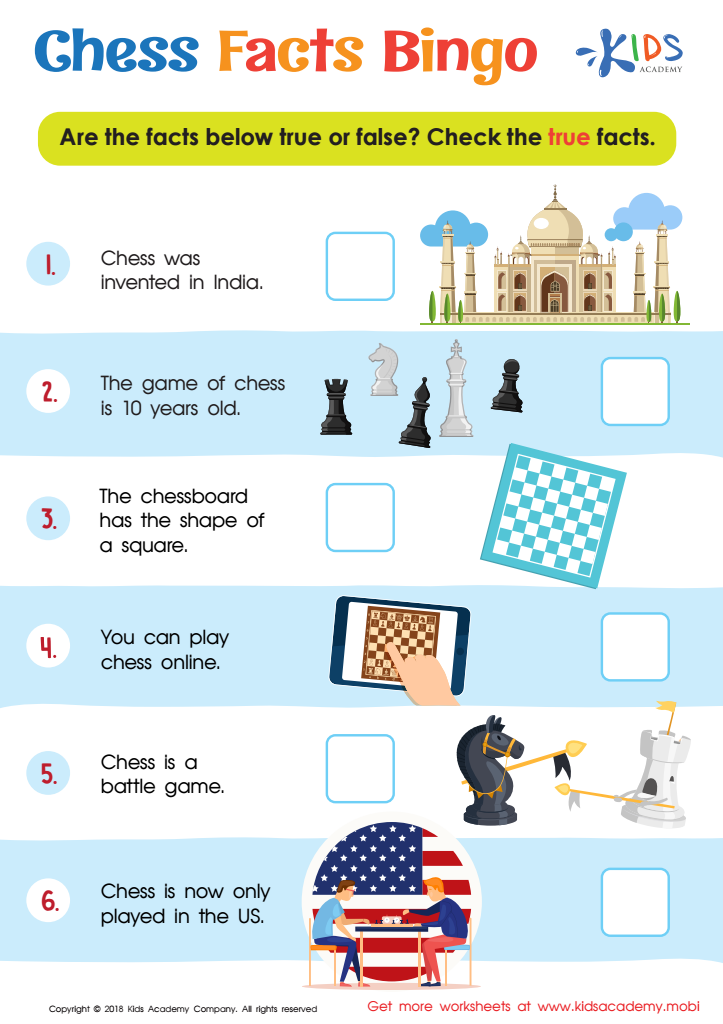
Chess Facts Bingo Worksheet
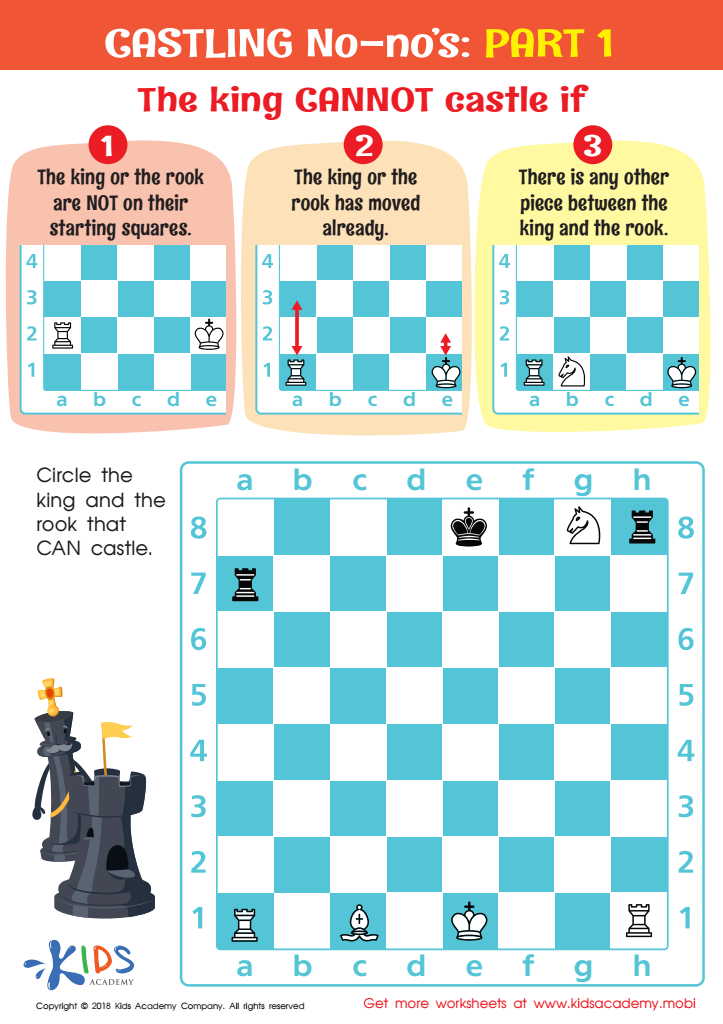
Castling No–no's: Part 1 Worksheet
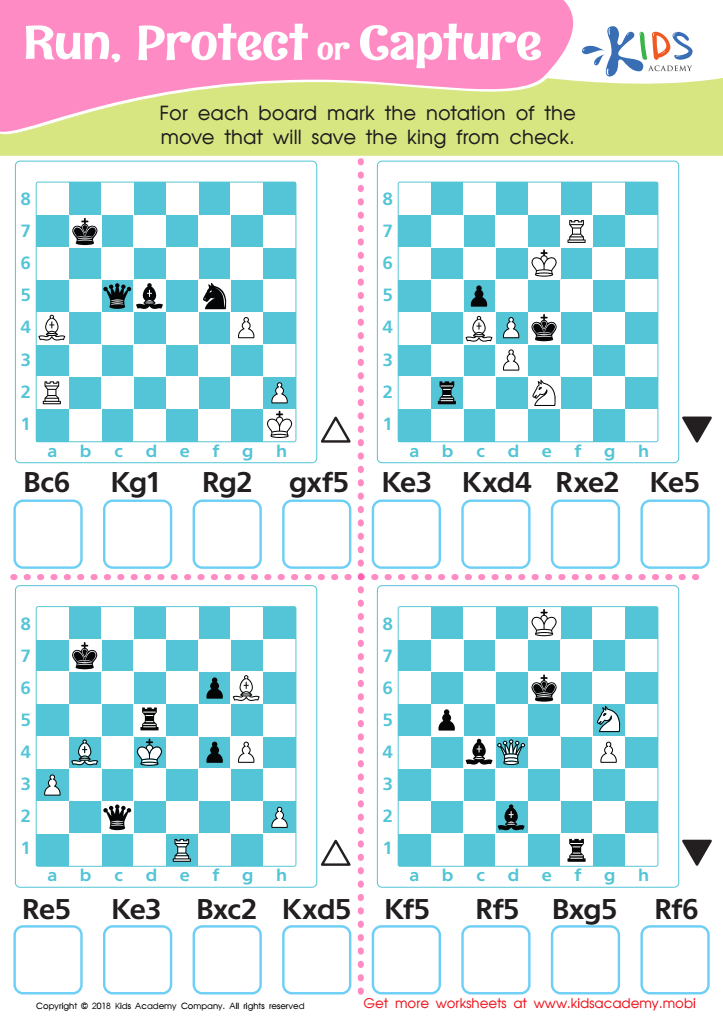
Run, Protect or Capture Worksheet
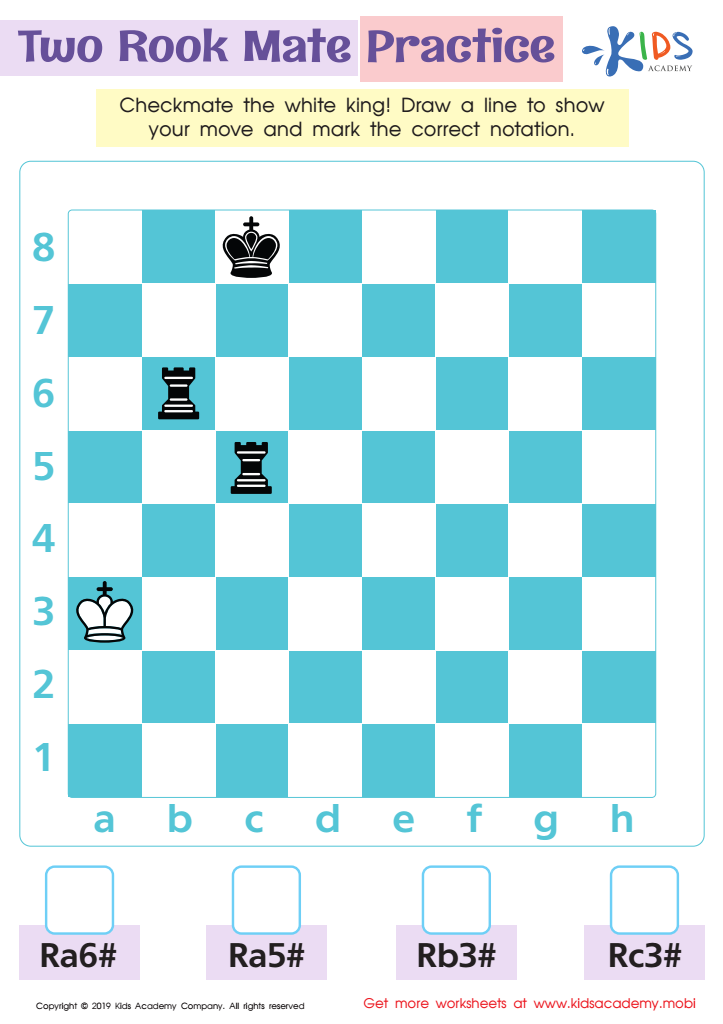
Two Rook Mate Practice Worksheet
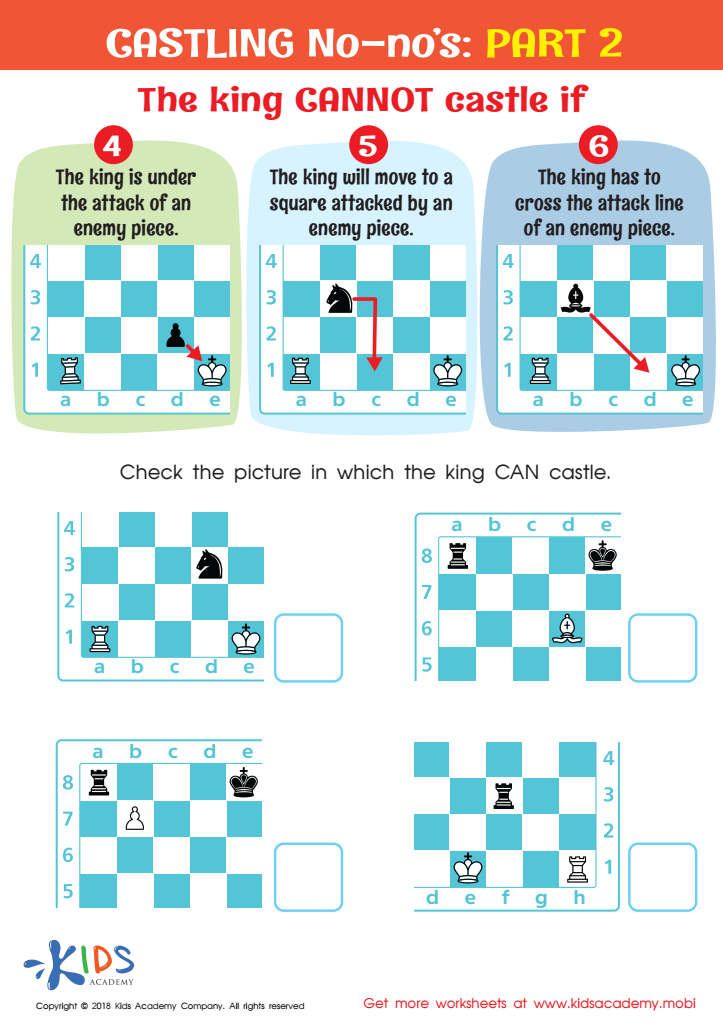
Castling No - no's: Part 2 Worksheet
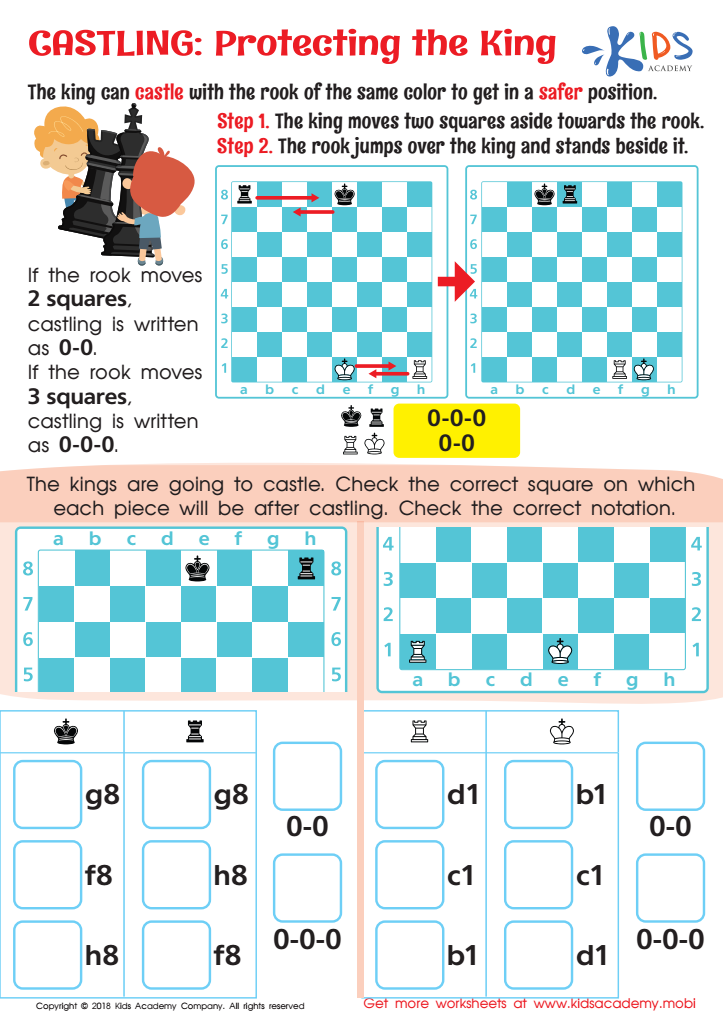
Castling: Protecting the King Worksheet
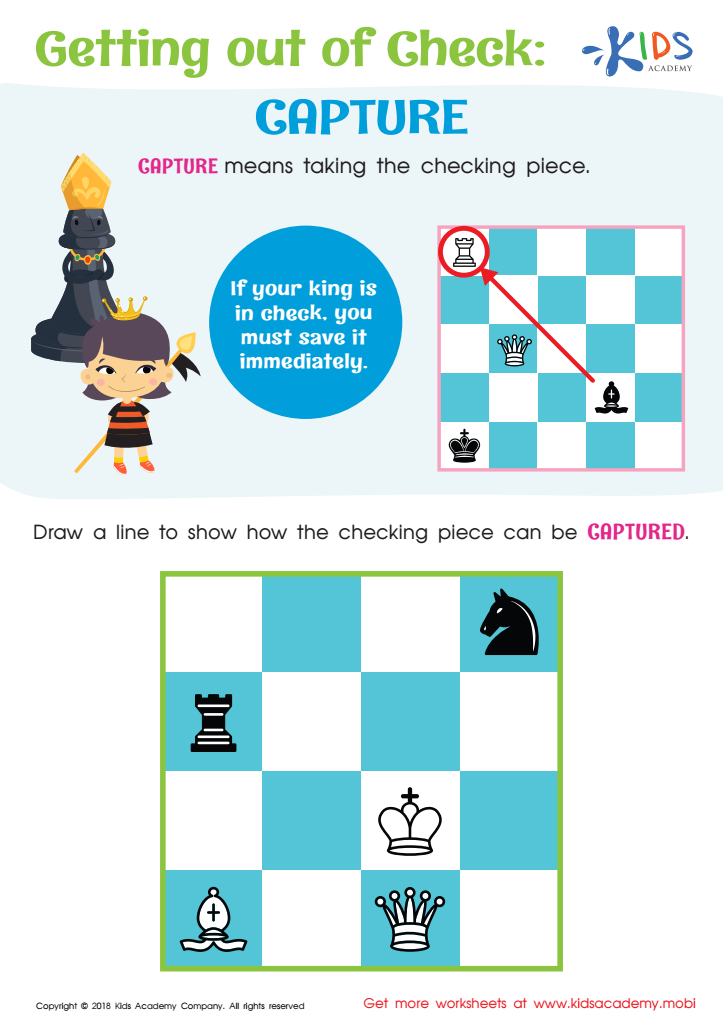
Getting out of Check: Capture
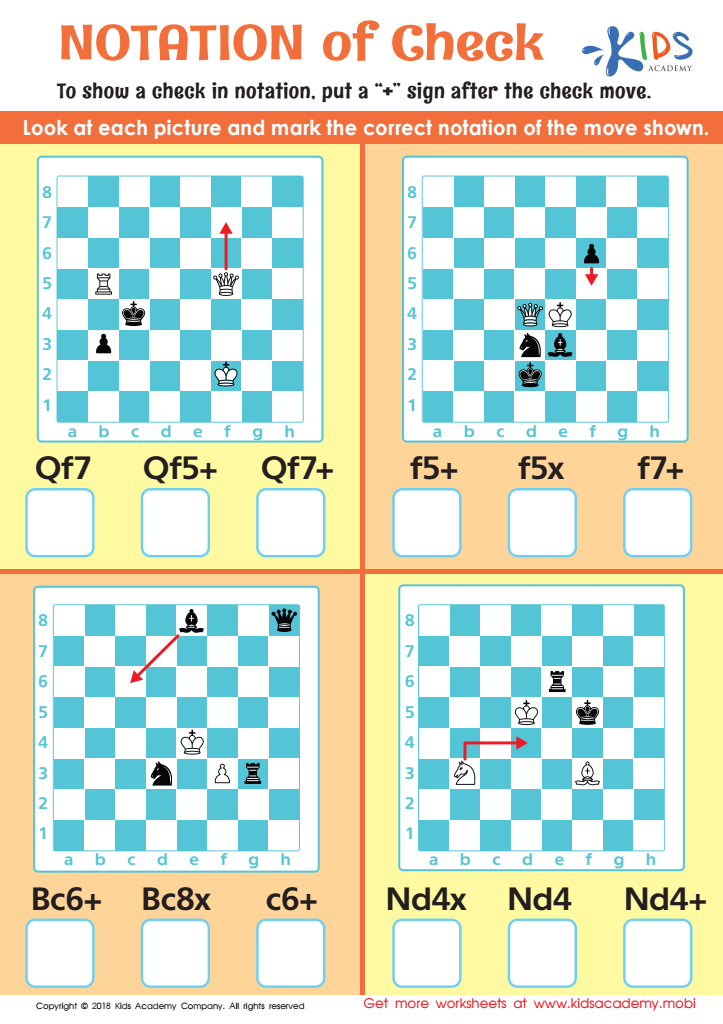
Notation of Check Worksheet
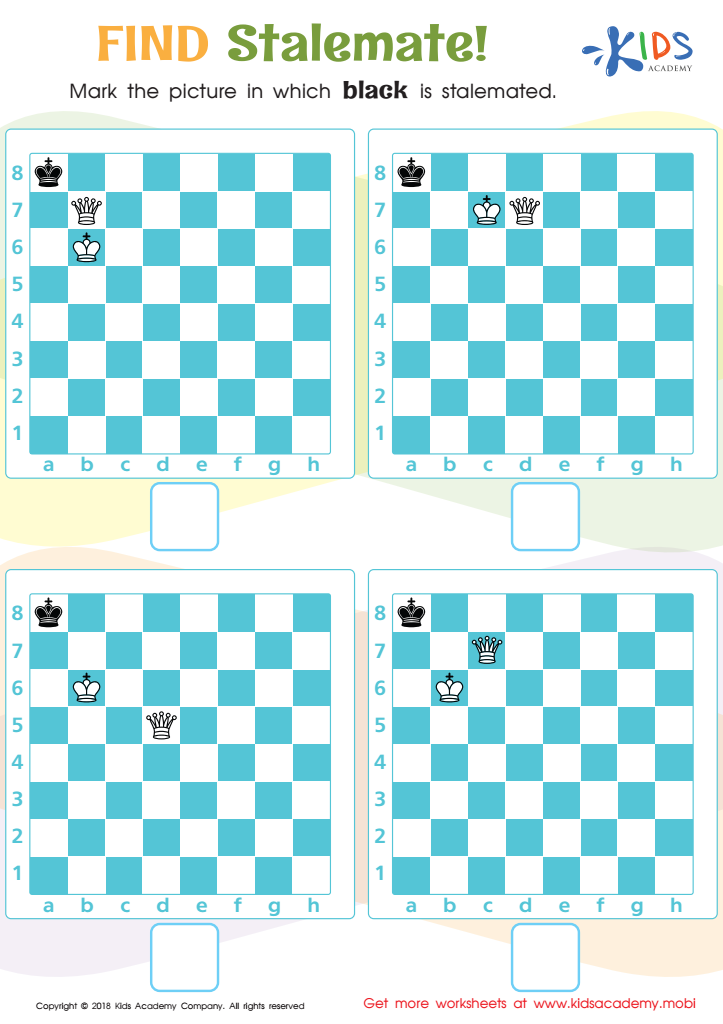
Find Stalemate! Worksheet
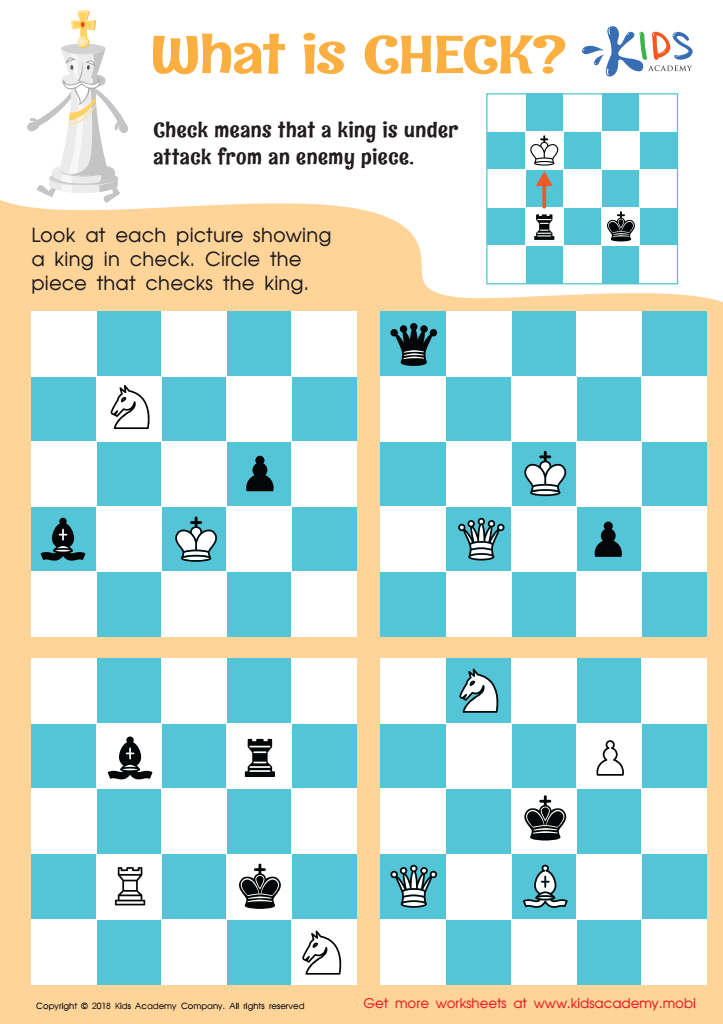
What is Check? Worksheet
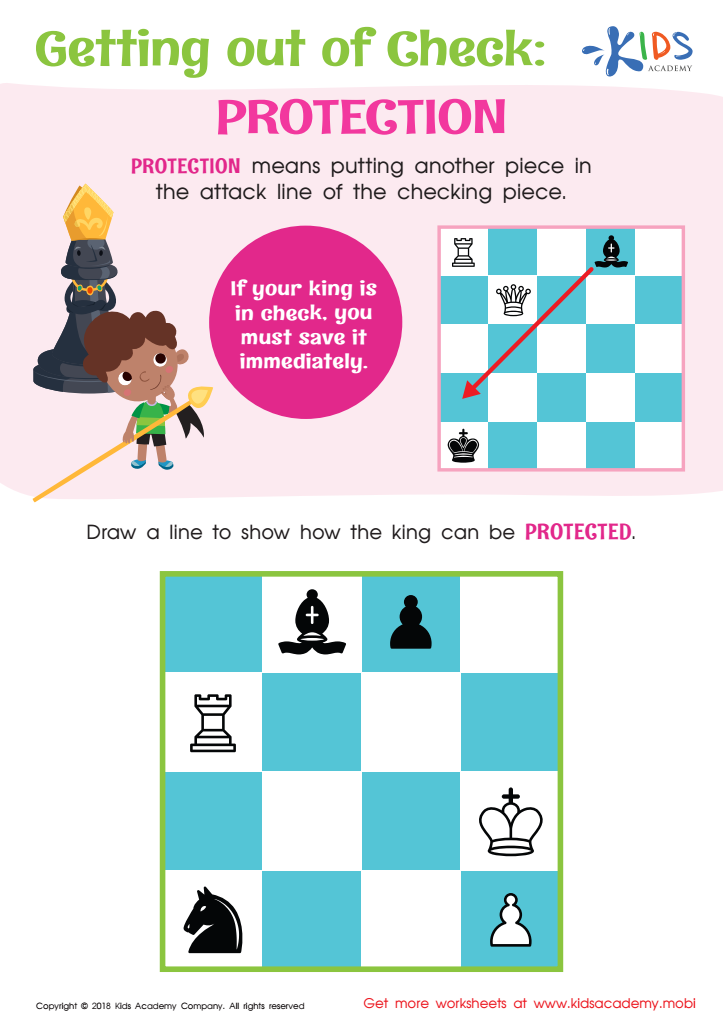
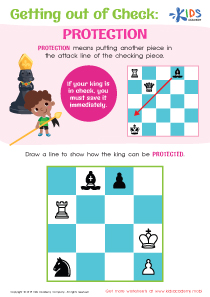
Getting out of Check: Protection
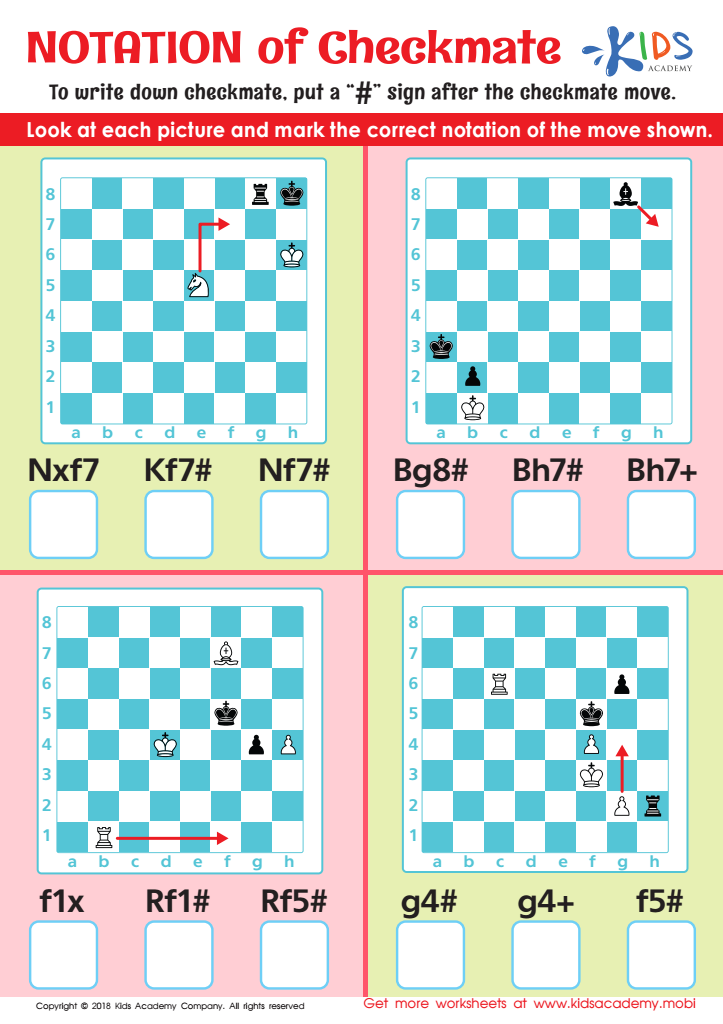
Notation of Checkmate Worksheet








Extra Challenge Chess for ages 3-7 offers significant developmental benefits that parents and teachers should prioritize. Chess teaches critical thinking, problem-solving, and strategic planning skills at an early age, fostering cognitive growth. By introducing this game to young learners, we encourage patience and focus, as children learn to contemplate their moves and anticipate their opponent's strategy. The game's rules promote rule-following, discipline, and perseverance, which are essential traits for academic and personal success.
Additionally, chess nurtures social skills such as sportsmanship and effective communication. Playing with peers enhances collaboration, teaching children the importance of teamwork and respect for others. The game also boosts memory and concentration, as players must remember moves and sequences, enhancing cognitive recall.
Finally, participating in chess can improve self-esteem and confidence as children experience success in their games. The structured framework of chess offers a safe environment for young players to learn from both victories and defeats. Ultimately, incorporating Extra Challenge Chess in early education stimulates intellectual curiosity and lays a firm foundation for future learning, making it an invaluable tool for parents and teachers invested in holistic childhood development.