Counting practice Extra Challenge Worksheets for Ages 3-7
23 filtered results
-
From - To
Discover our engaging Counting Practice Extra Challenge Worksheets designed for children aged 3-7! These worksheets provide an exciting way for young learners to enhance their counting skills through fun, interactive activities. Each worksheet features colorful illustrations and stimulating exercises that make learning numbers enjoyable. From simple counting to more complex patterns and sequences, our carefully crafted challenges will cater to various skill levels, ensuring every child thrives. Perfect for both home and classroom use, these worksheets will support your child’s mathematical development while fostering a love for learning. Download now and watch your little mathematicians thrive in counting confidence!
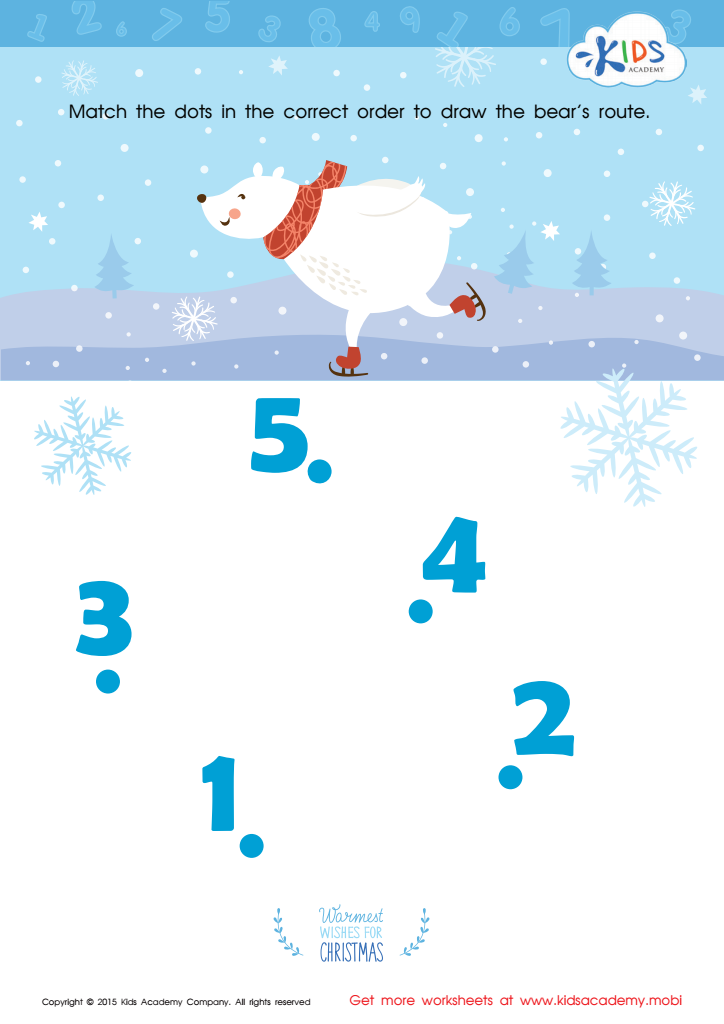
Drawing the Bear's Route by Number Worksheet
 Assign to My Students
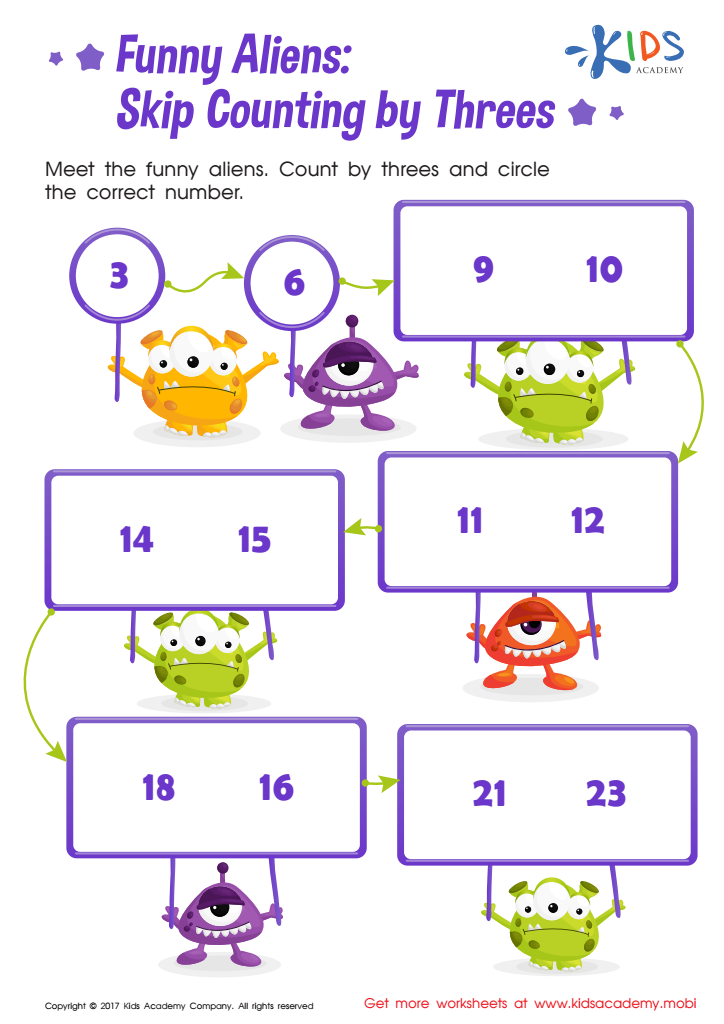
Skip Counting by 3s: Funny Aliens Printable
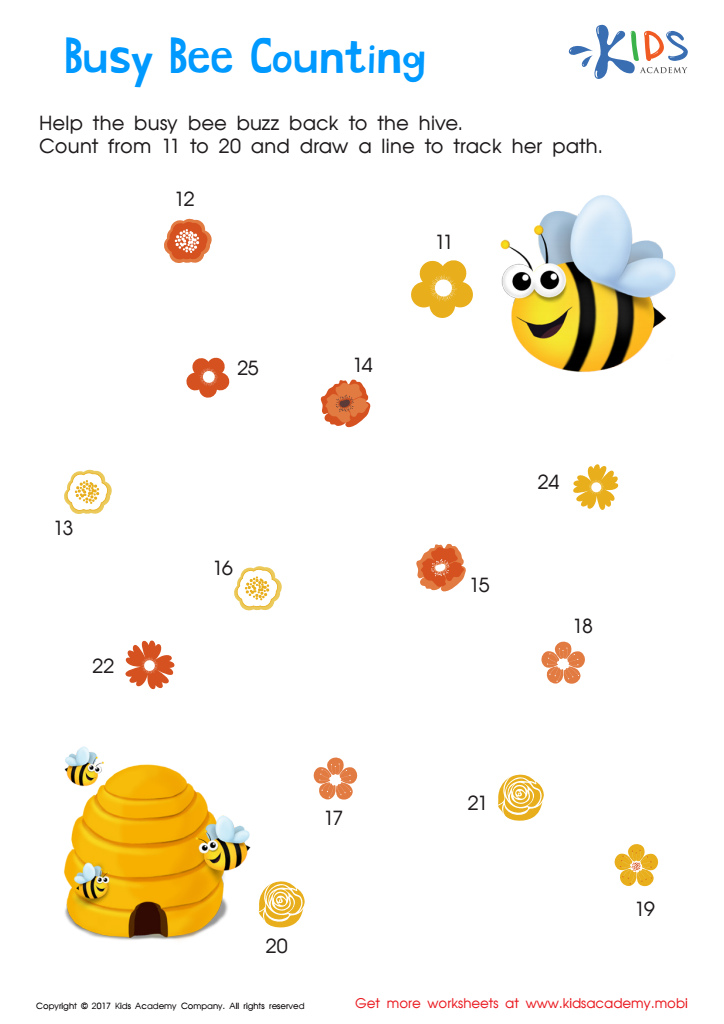
Ordering 11–20: Busy Bee Counting Worksheet
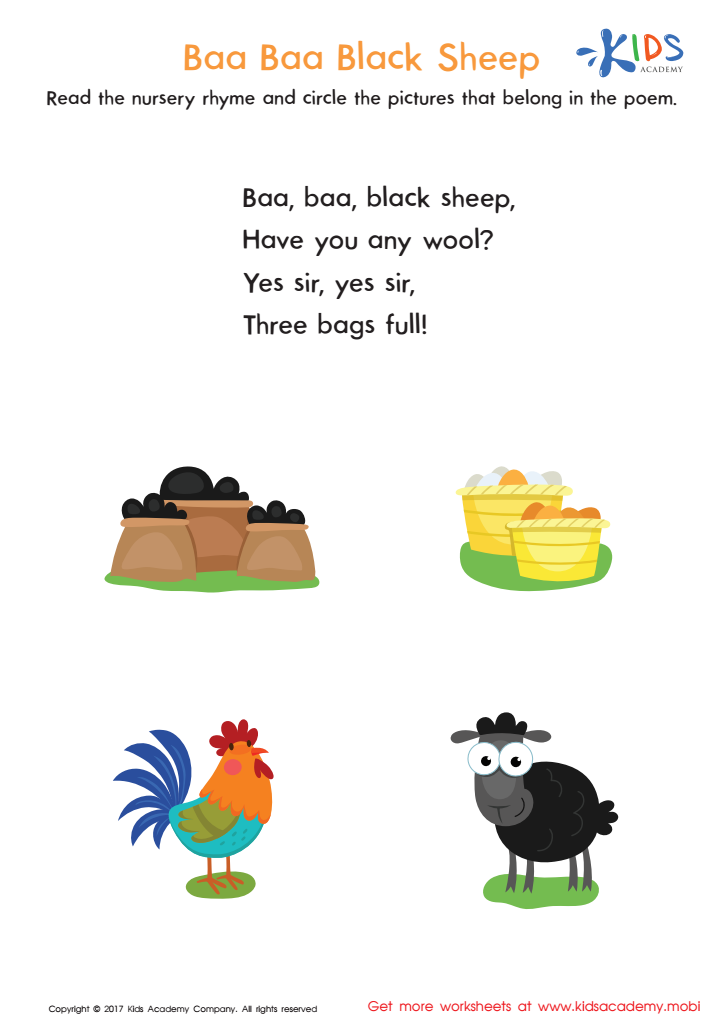
Baa Baa Black Sheep Printable
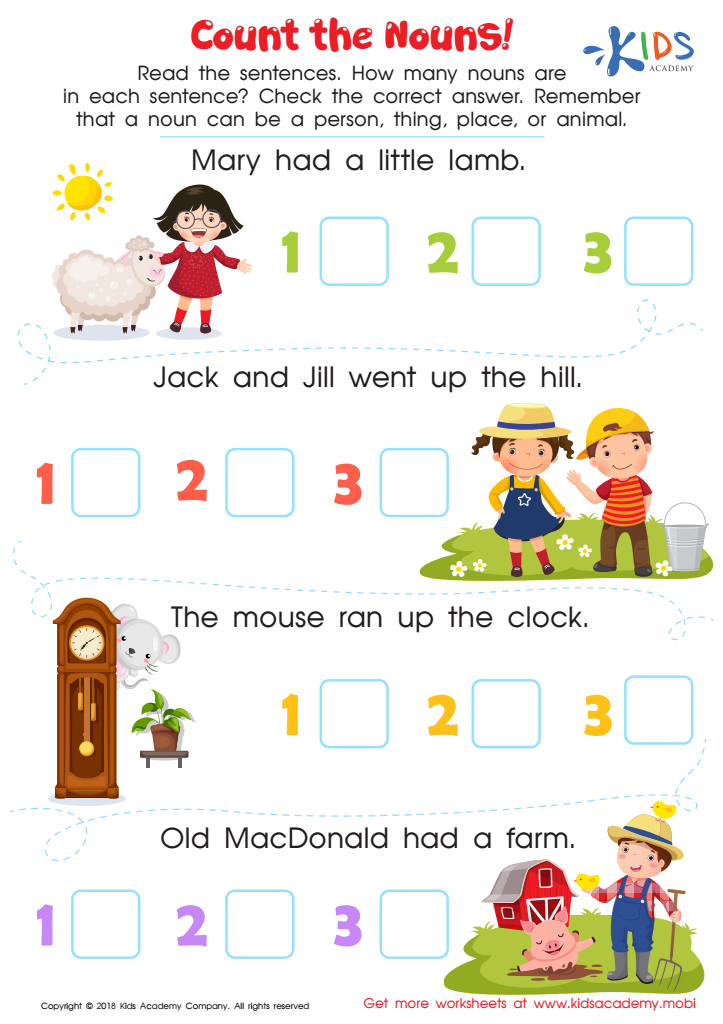
Count the Nouns Worksheet
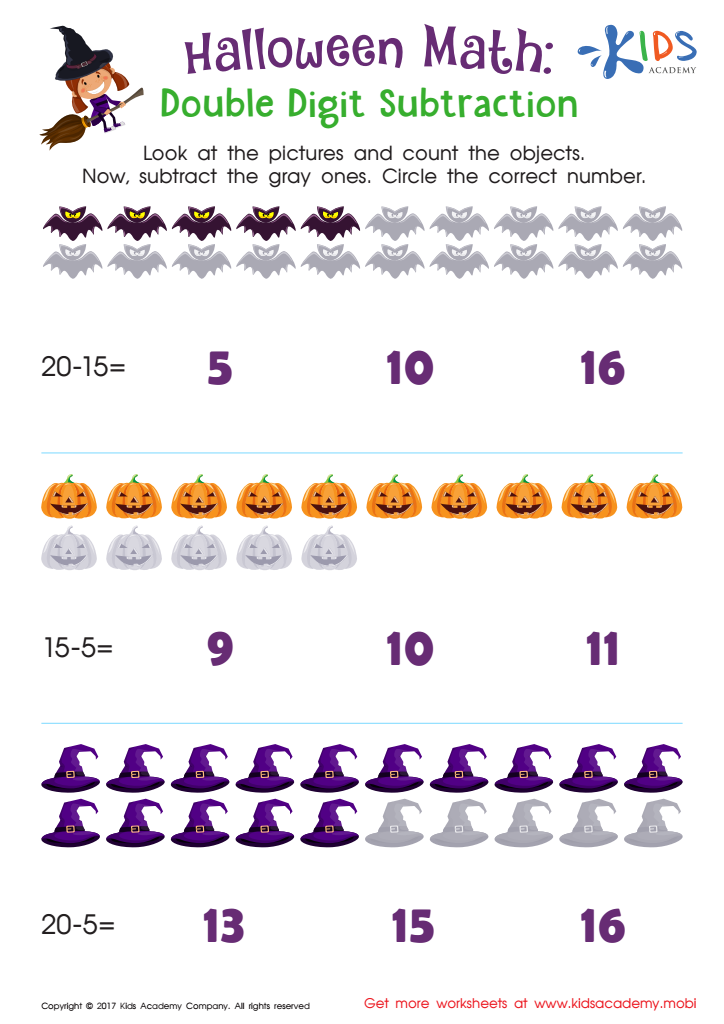
Halloween Math Subtraction Worksheet
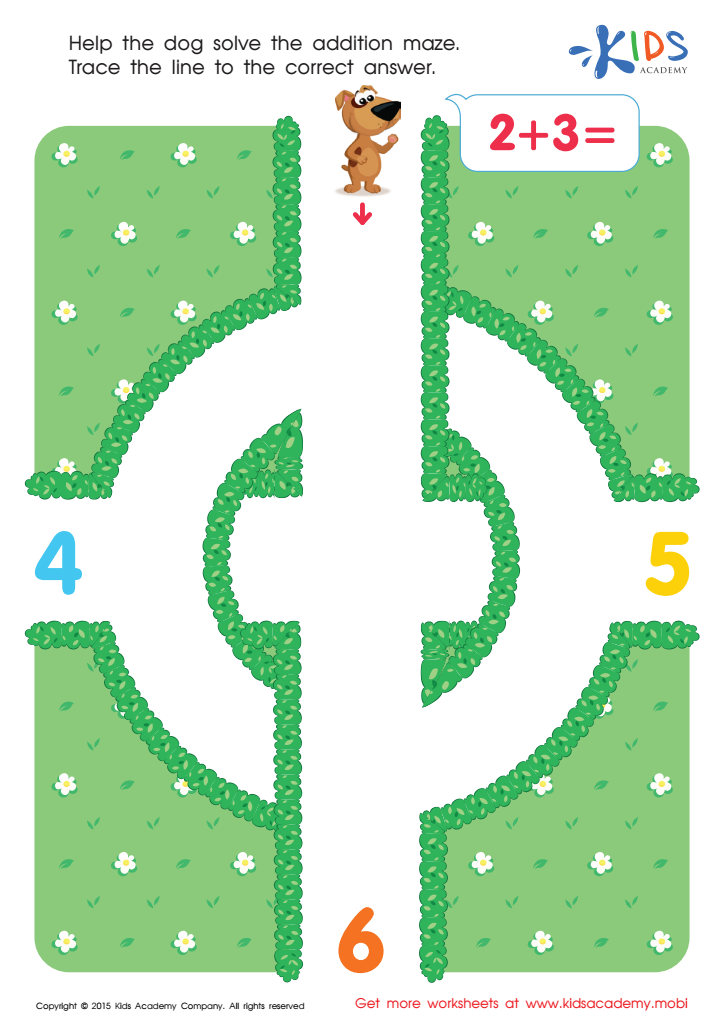
Two And Three Addition Worksheet
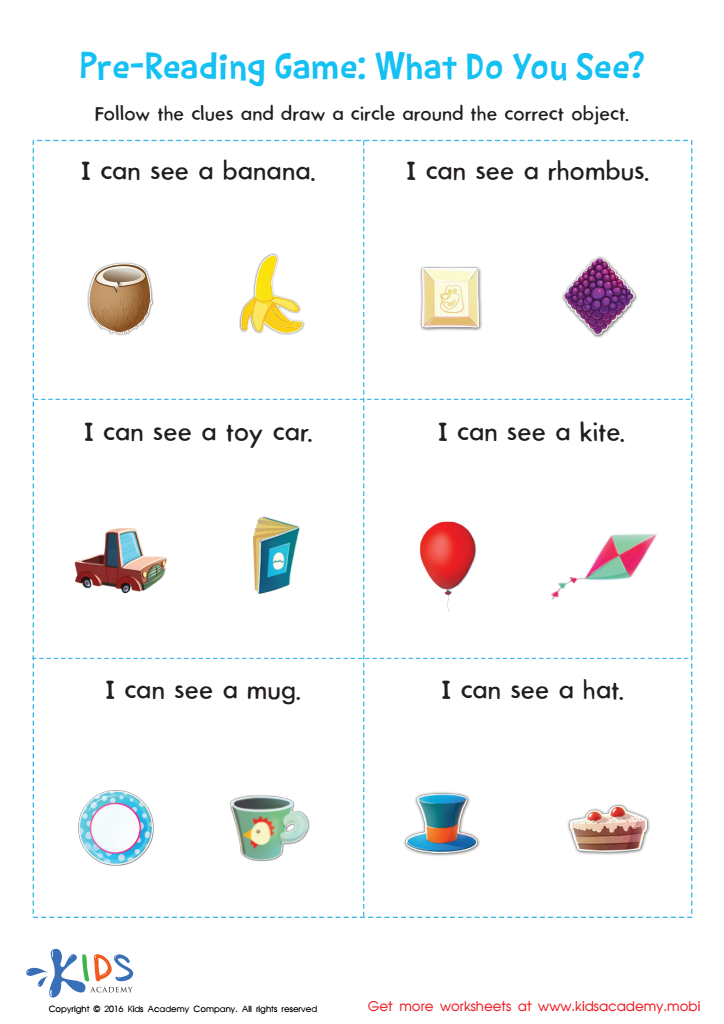
Pre–reading Worksheet: What Do You See?
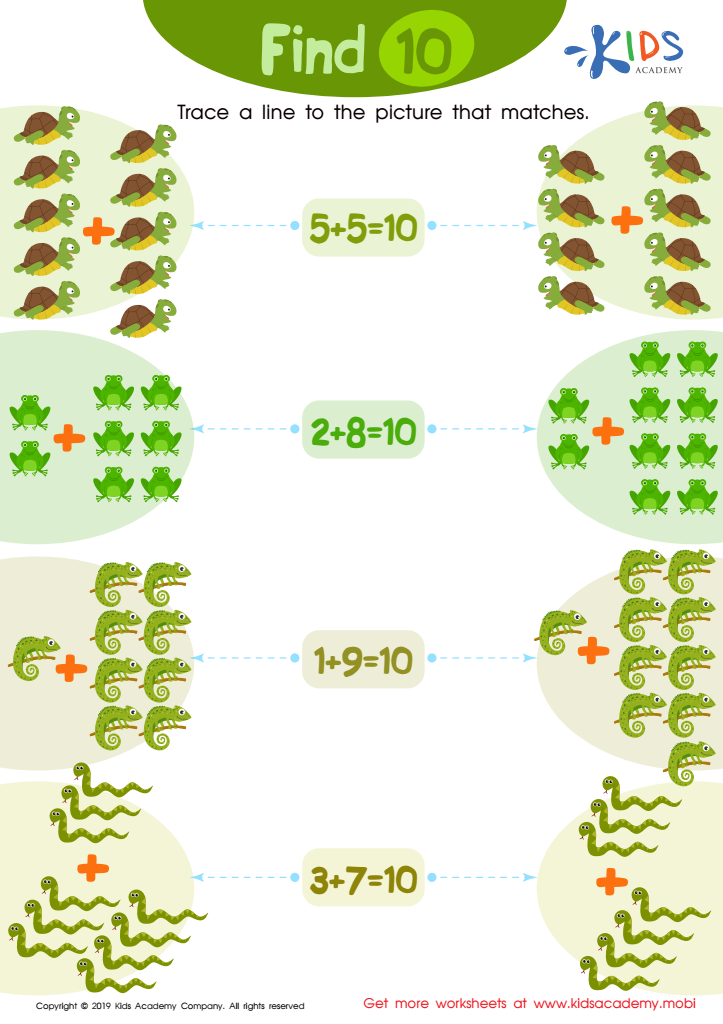
Find 10 Worksheet
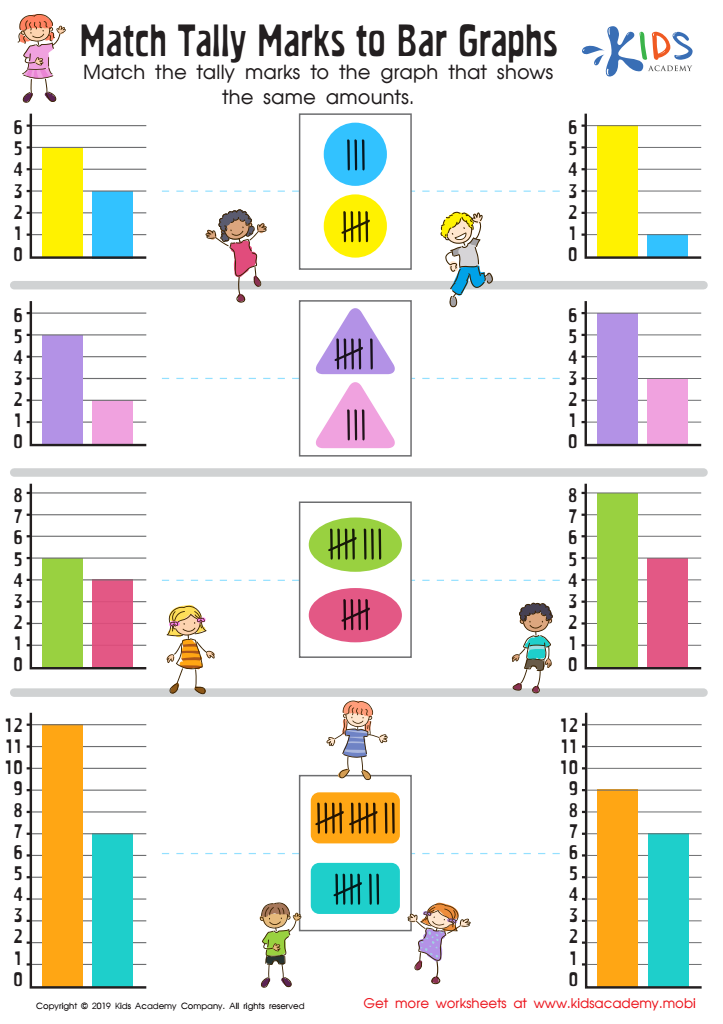
Match Tally Marks to Bar Graphs Worksheet
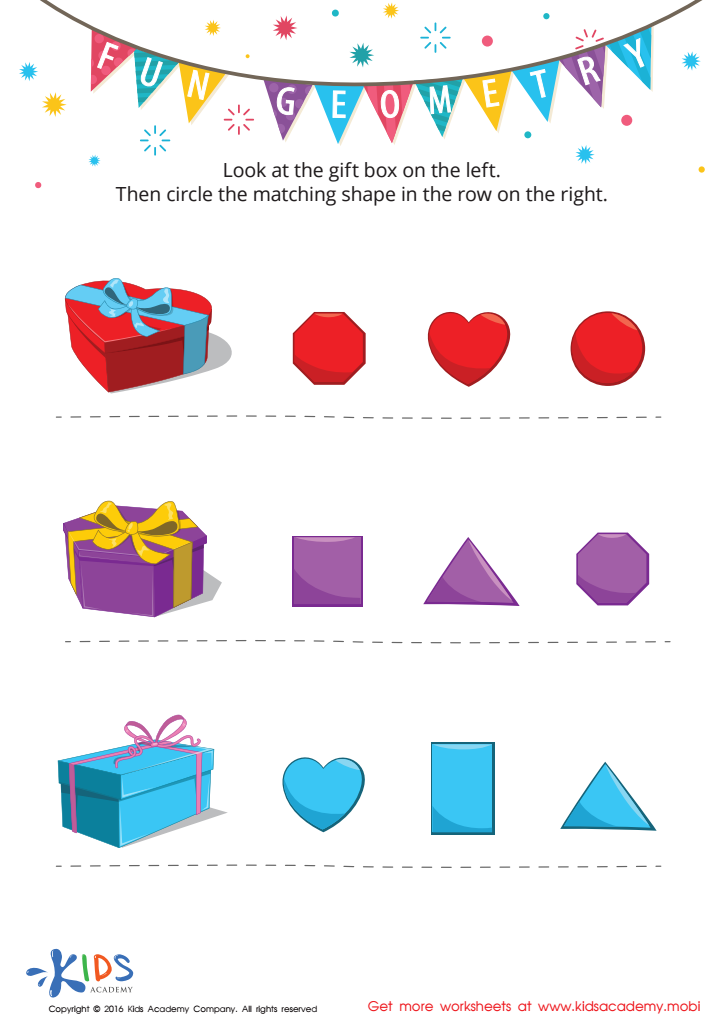
Fun Geometry Worksheet
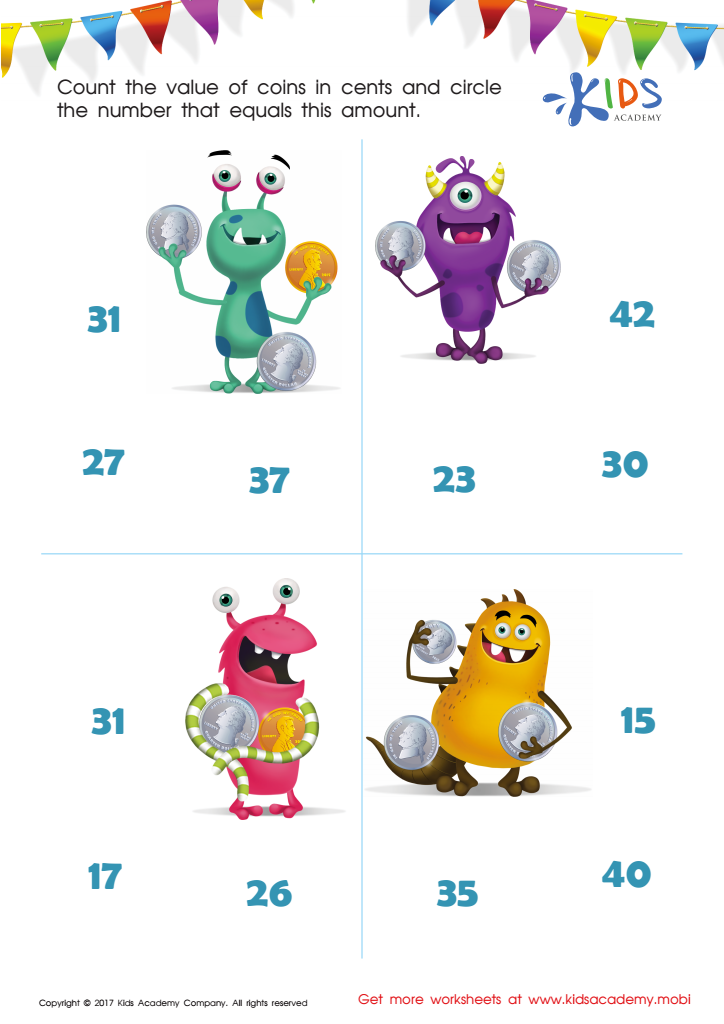
How Many Coins Money Worksheet
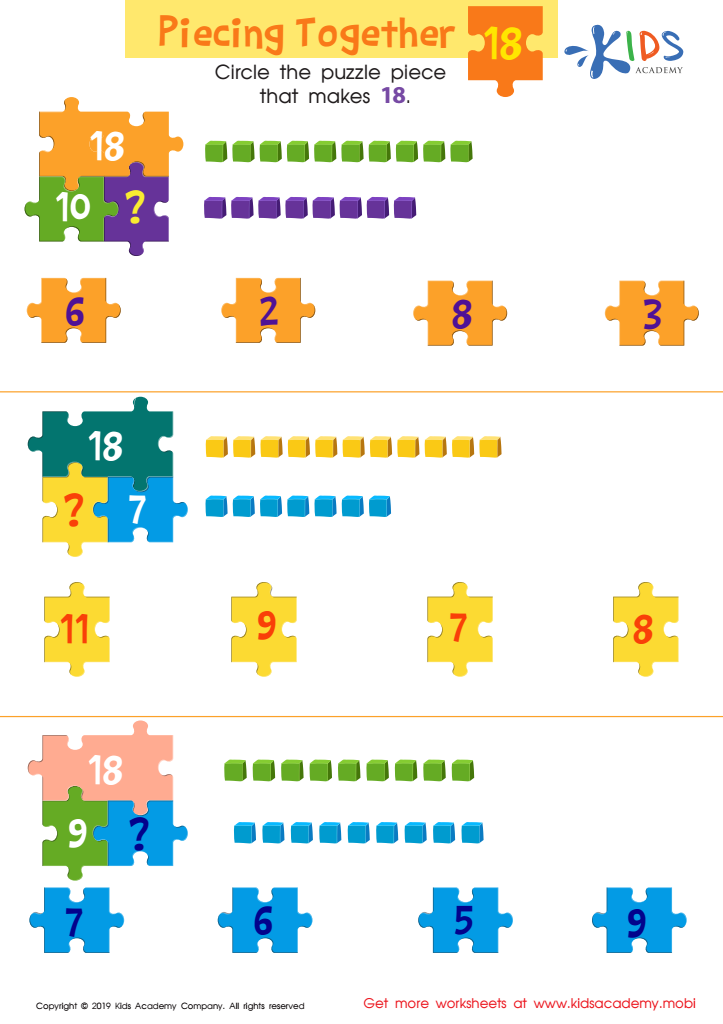
Piecing Together 18 Worksheet
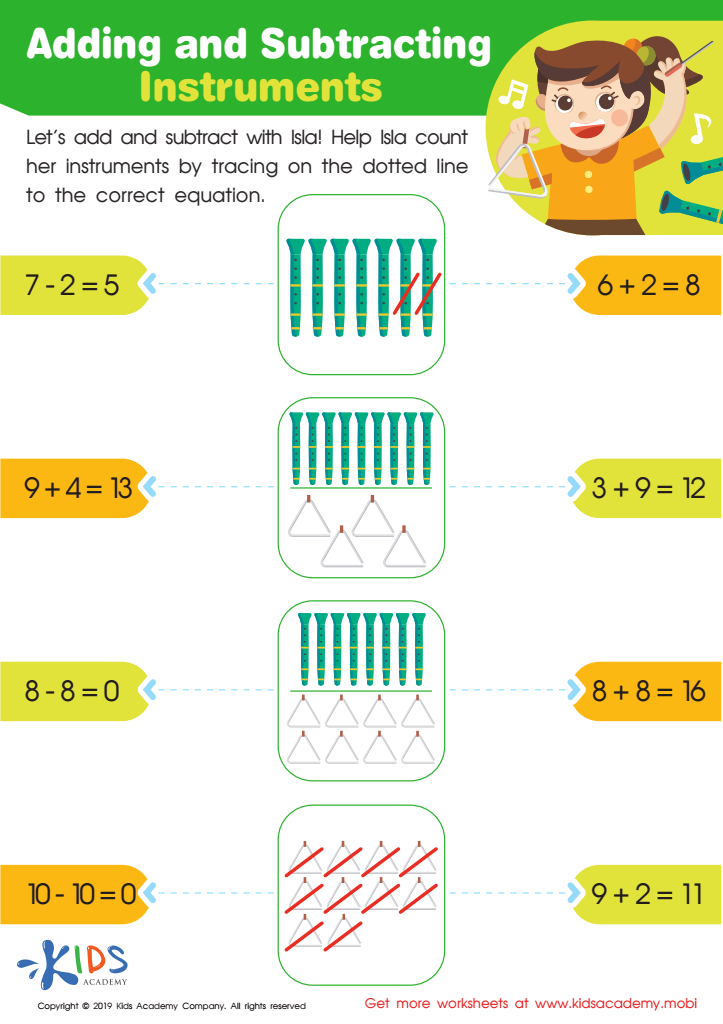
Adding and Subtracting: Instruments Worksheet
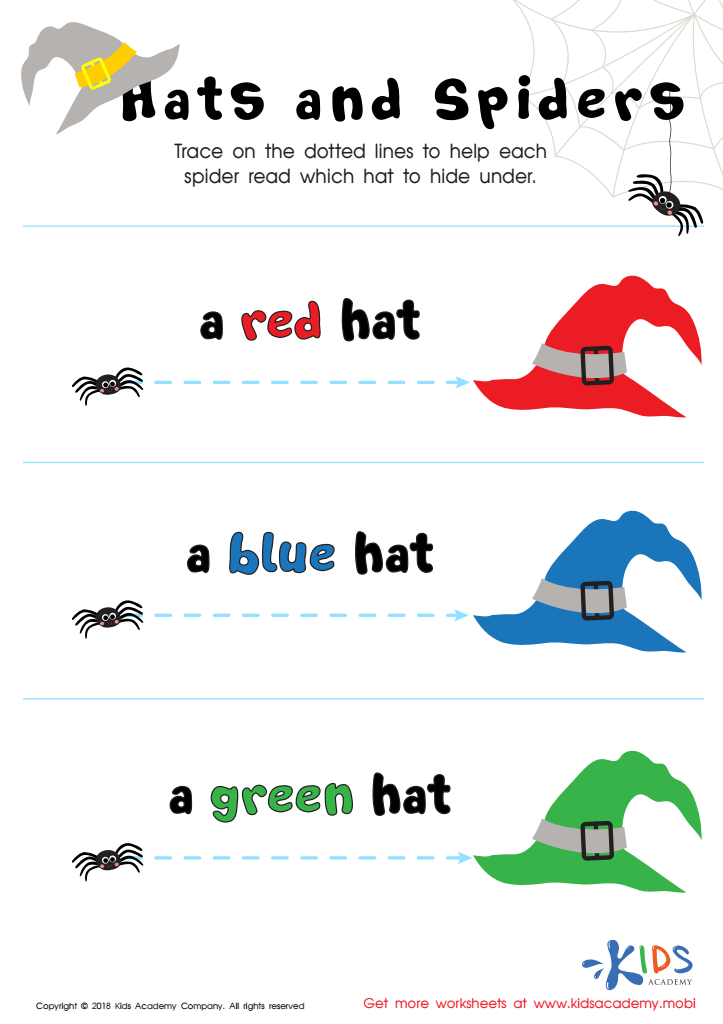
Read from Left to Right: Hats and Spiders Worksheet
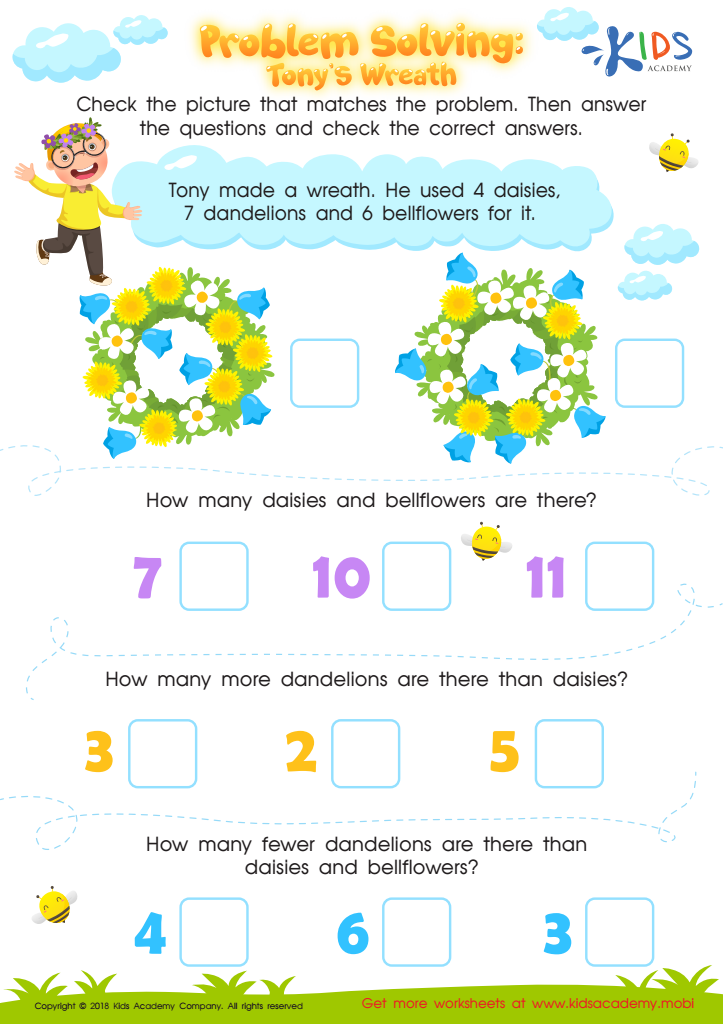
Problem Solving: Tony's Wreath Worksheet
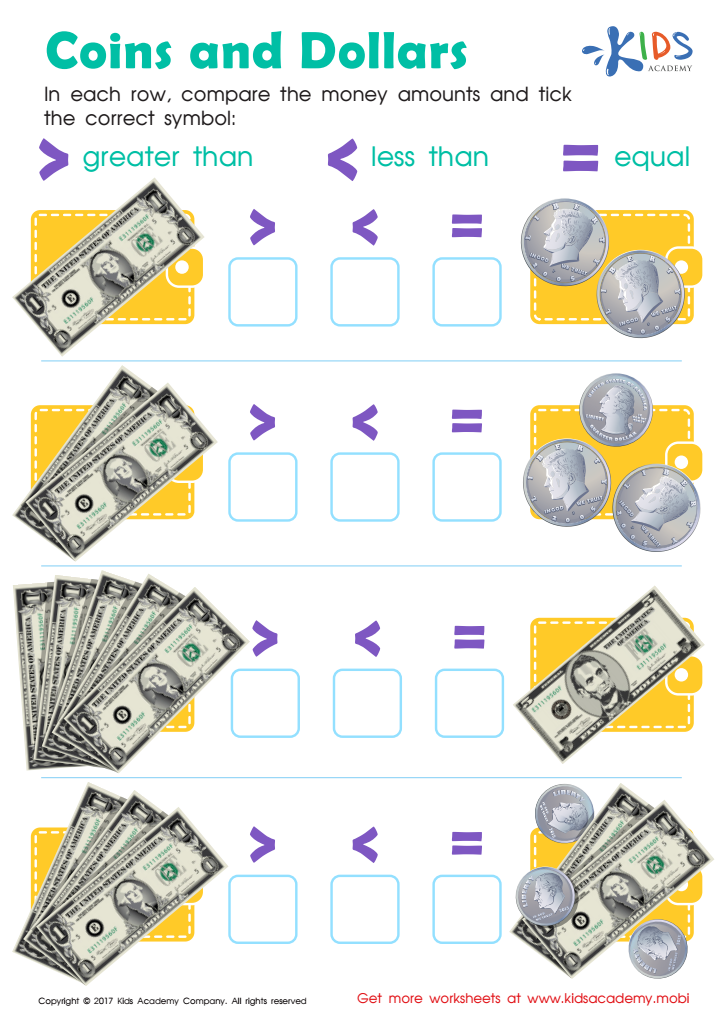
Money: Coins Dollars Printable
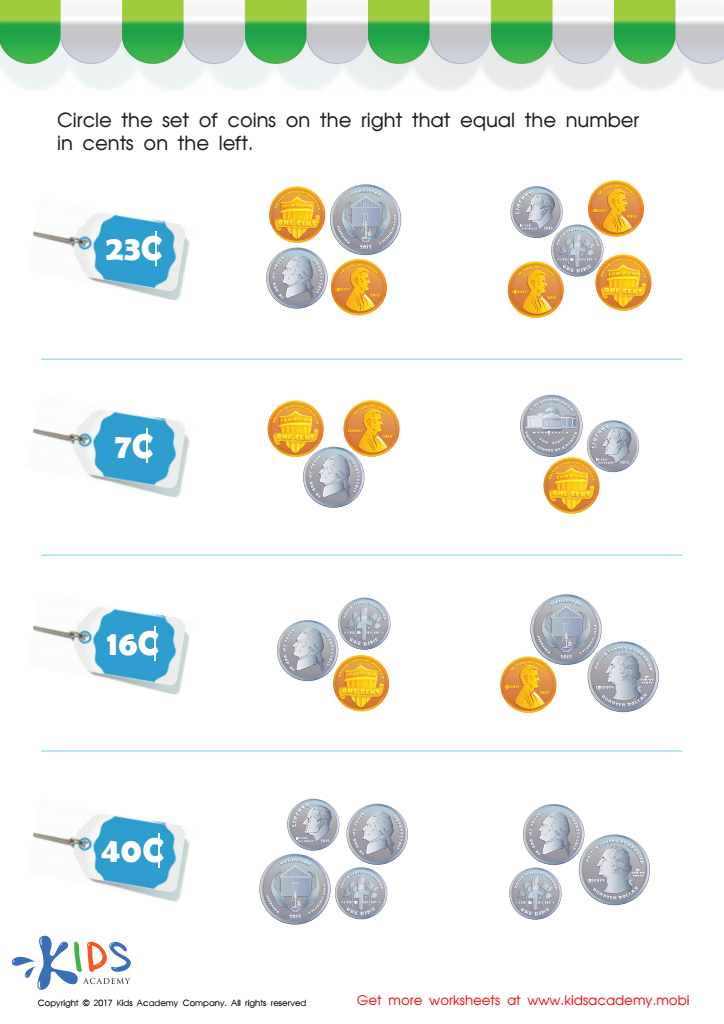
Picking the Coins You Need Money Worksheet
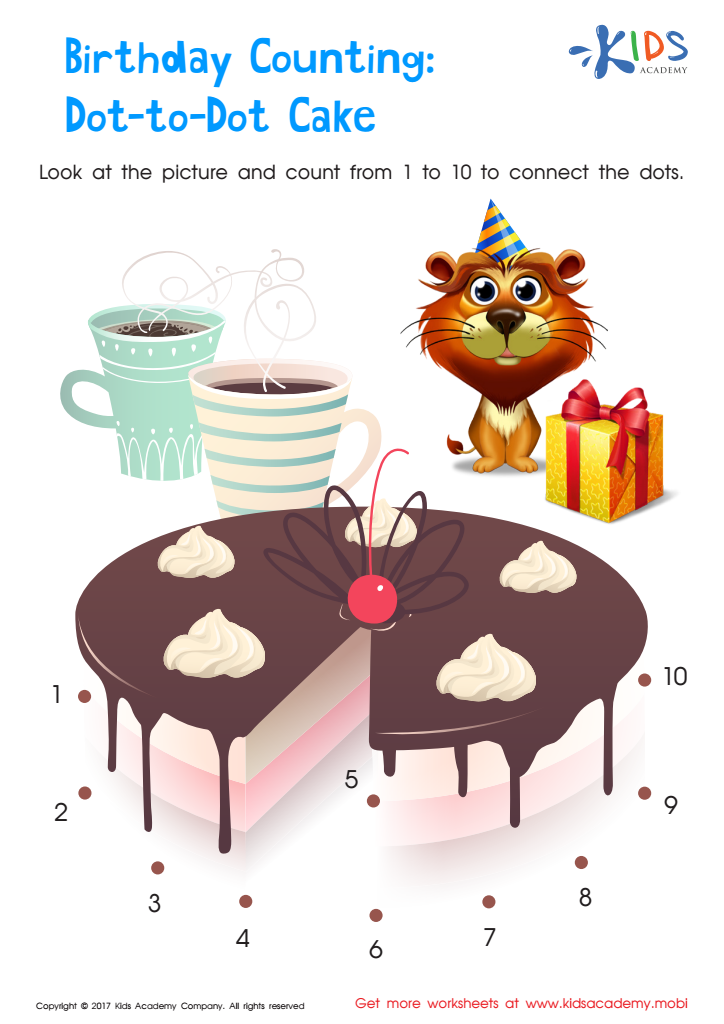
Birthday Counting Connect Dots Worksheet
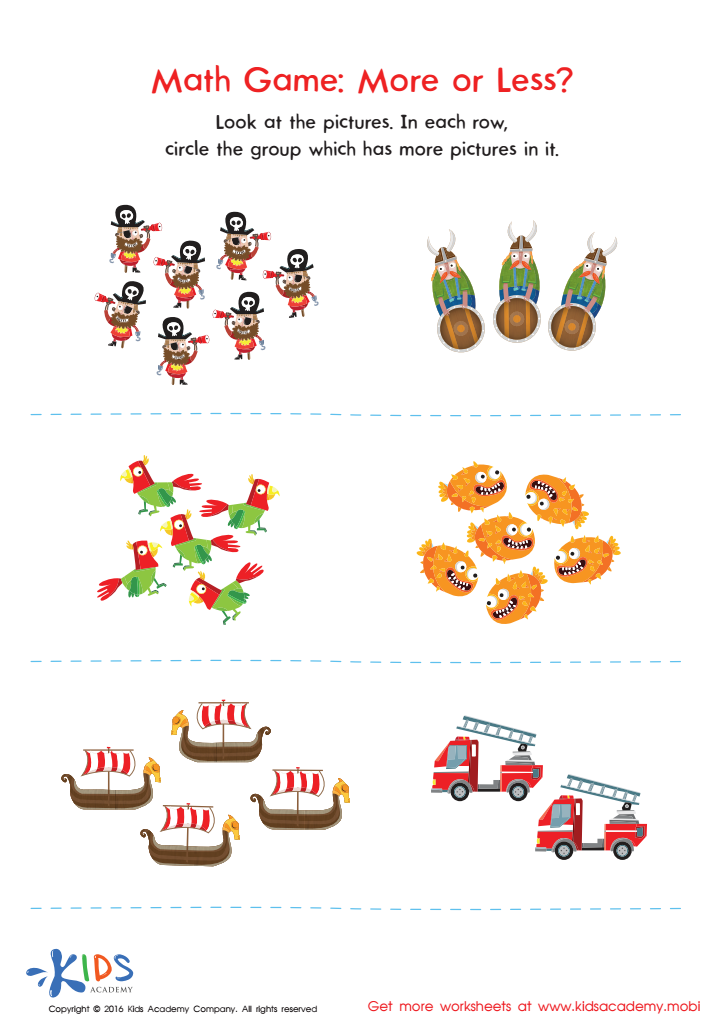
More or Less Worksheet
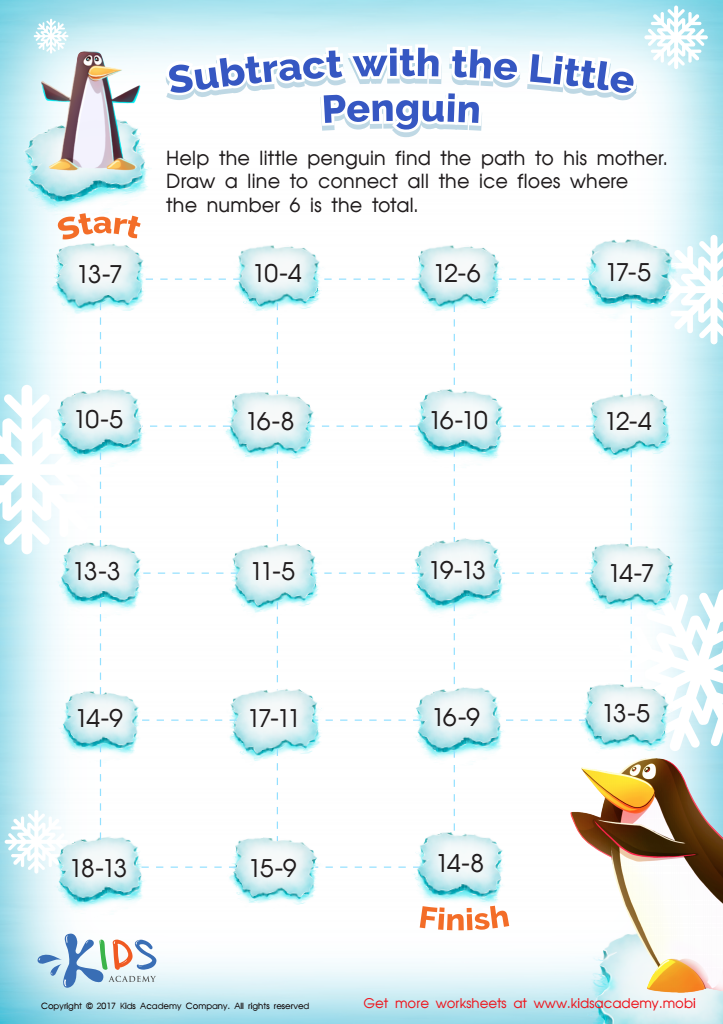
Subtract With The Little Penguin Substraction Worksheet
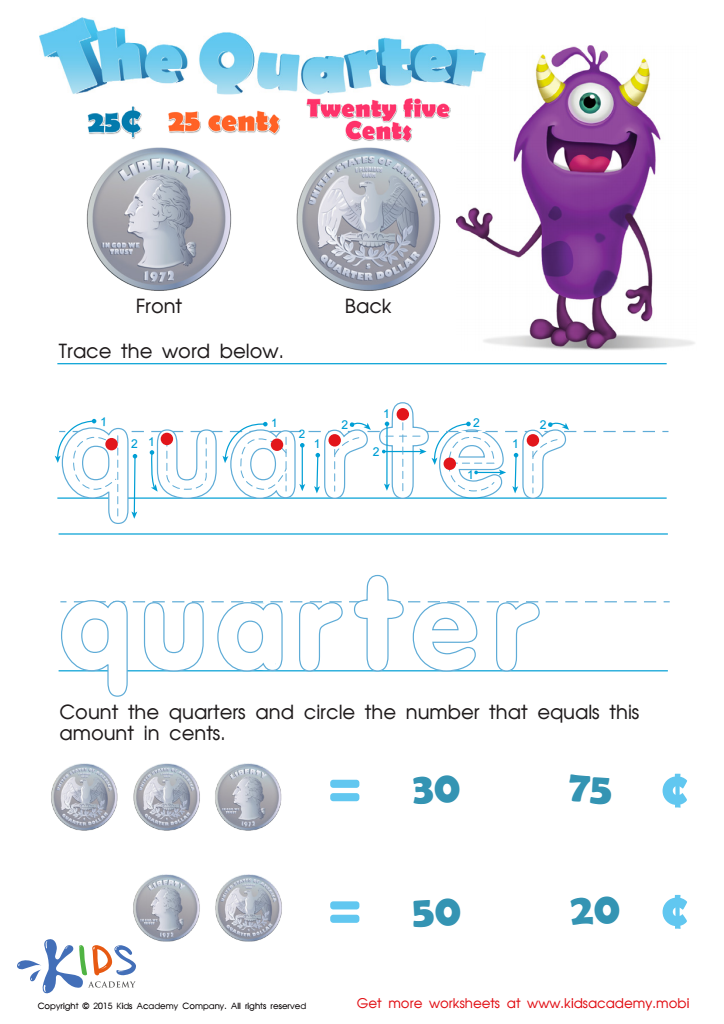
Twenty Five Cents or the Quarter Money Worksheet








Counting practice is fundamental for children aged 3-7, laying the foundation for future mathematical understanding and skills. Engaging in counting activities not only helps children recognize numbers but also enhances their one-to-one correspondence—a vital skill for accurate counting. Parents and teachers should prioritize counting practices, especially those that provide an extra challenge, as they encourage cognitive development through problem-solving and critical thinking.
Children love to explore numbers in creative and playful ways. Challenges can incorporate fun themes or real-world objects, making learning interactive and enjoyable. This approach fosters a positive attitude towards math, building confidence in their abilities. Additionally, extra challenge counting exercises promote perseverance and resilience, teaching kids to tackle difficulties and celebrate progress.
Furthermore, counting practices can be easily integrated into everyday routines—during play, grocery shopping, or meal times—making it both versatile and practical. Consistent exposure to numbers in various contexts helps solidify a child’s understanding.
In summary, parents and teachers should care about counting practice due to its pivotal role in early childhood education, laying a strong foundation for mathematical literacy and overall cognitive growth, while ensuring children develop a lifelong appreciation for learning.








