Critical Thinking Extra Challenge Worksheets for Ages 3-7
15 filtered results
-
From - To
Discover our "Critical Thinking Extra Challenge Worksheets for Ages 3-7," designed to ignite young minds with engaging activities that build essential problem-solving skills. These expertly crafted worksheets offer age-appropriate challenges that promote logical reasoning, creativity, and concentration. Perfect for enhancing at-home learning or supplementing classroom instruction, each worksheet encourages kids to think critically and approach problems from multiple angles. Our interactive and fun exercises are tailored to advance your child's cognitive development while keeping them entertained. Start your child's journey towards becoming a confident, independent thinker with our vibrant and effective critical thinking worksheets.
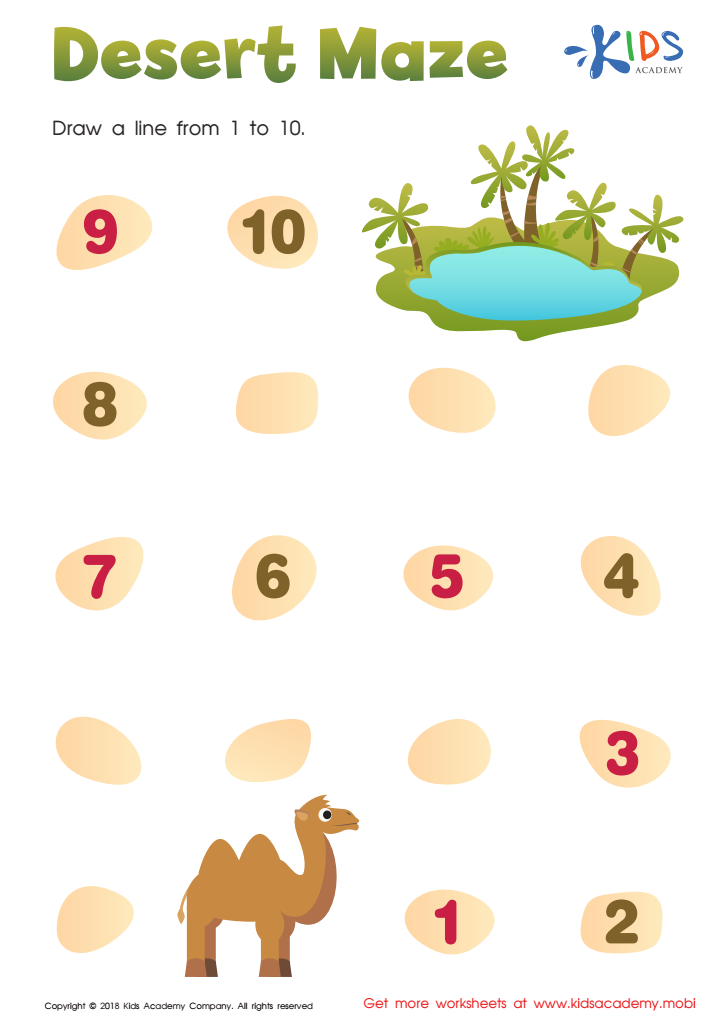
Desert Maze Worksheet
 Assign to My Students
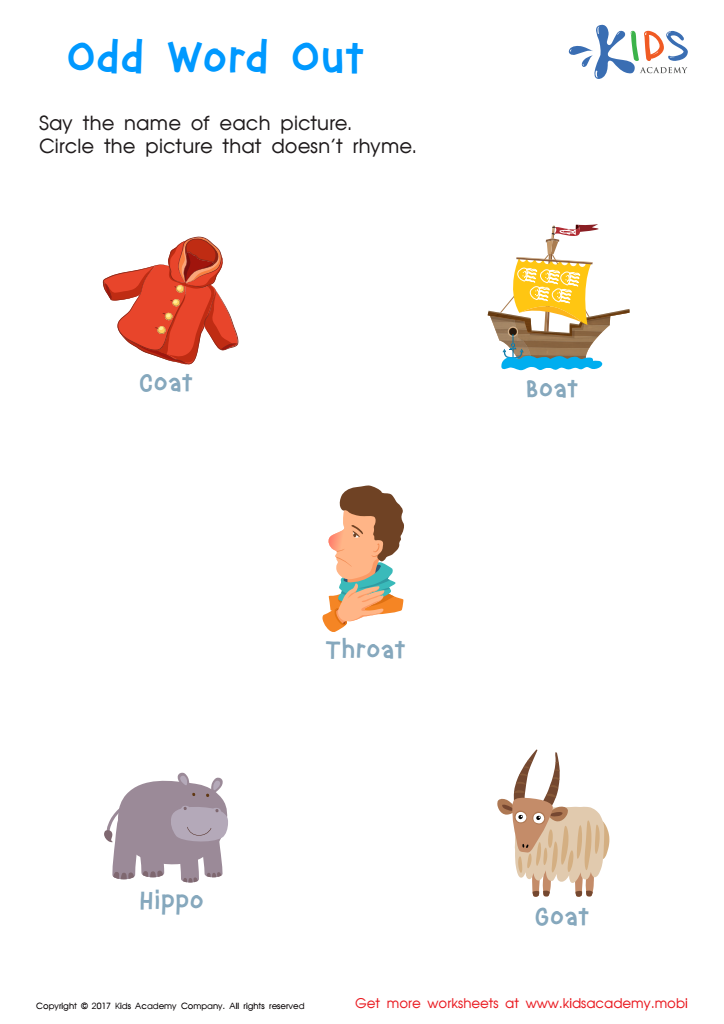
Odd Word Out Rhyming Worksheet
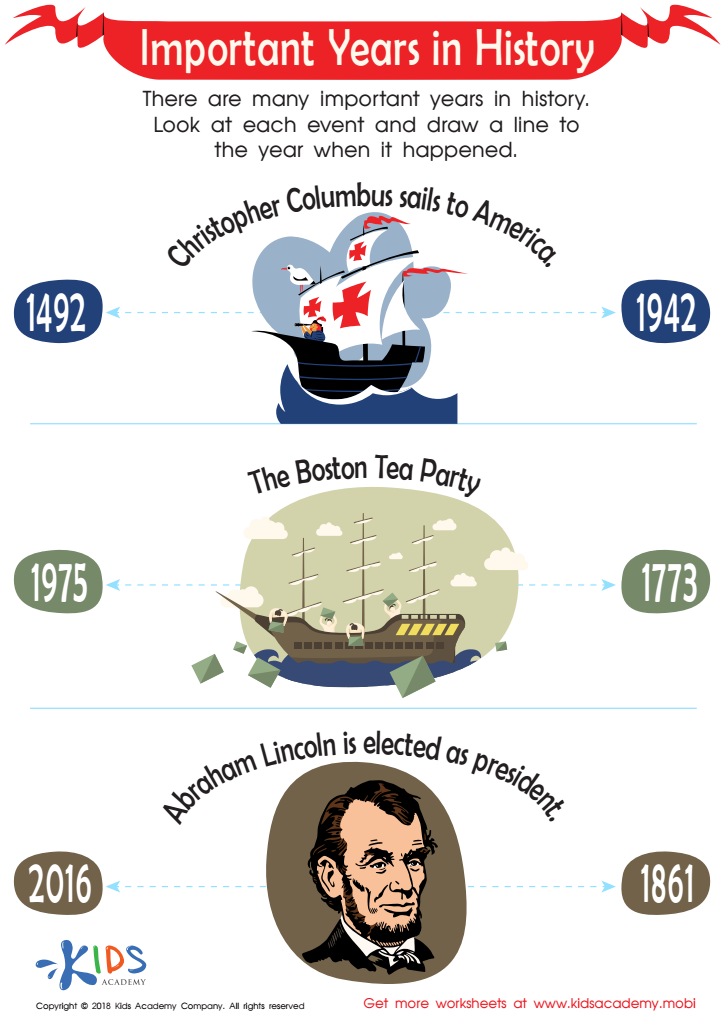
Important Years in History Worksheet
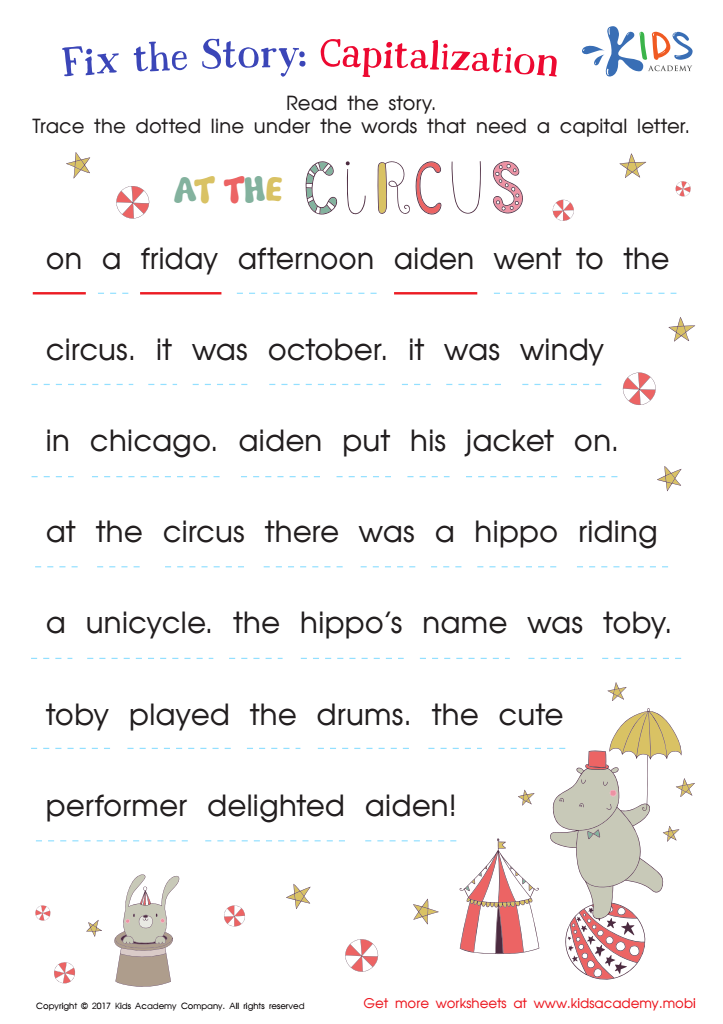
Capitalization: Fix the Story Worksheet
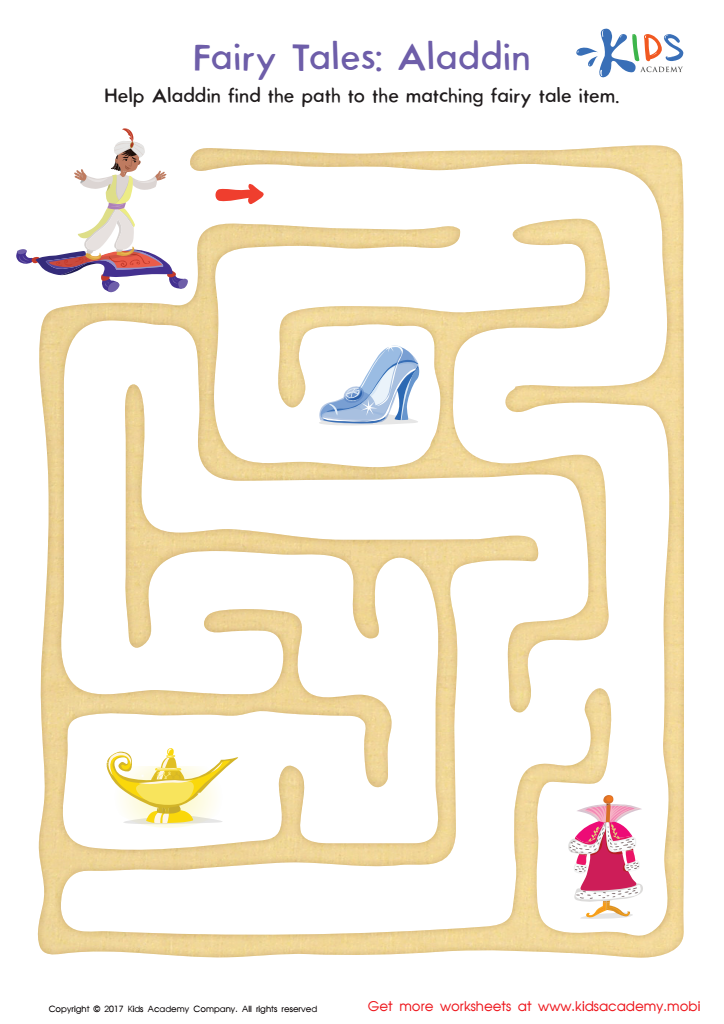
Fairy Tales Aladdin Printable
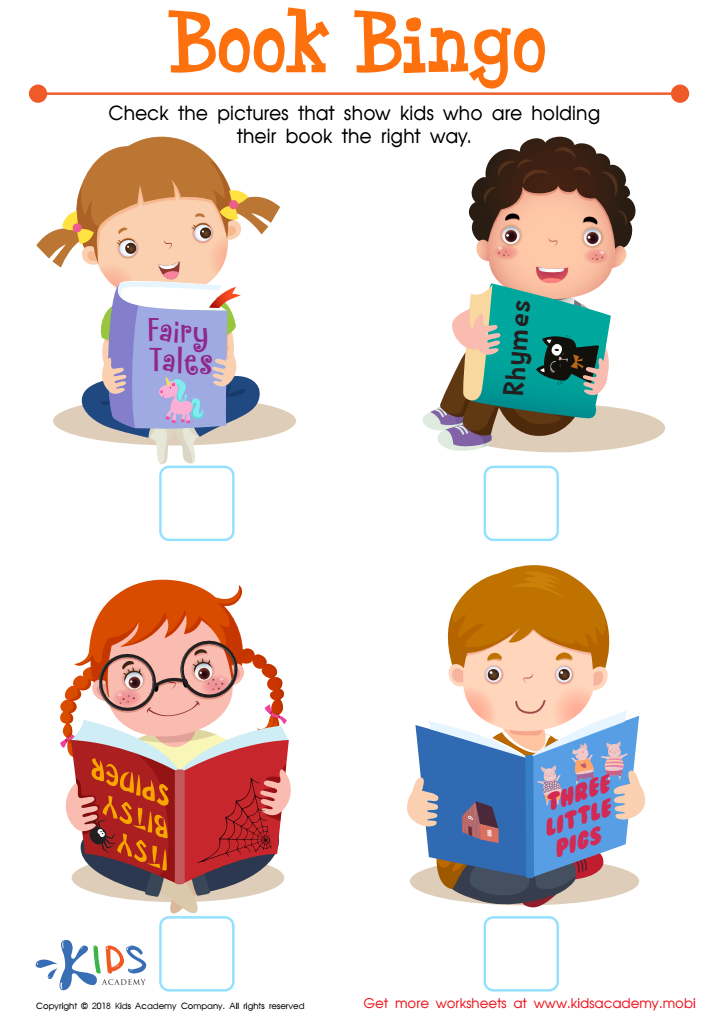
Book Bingo Worksheet
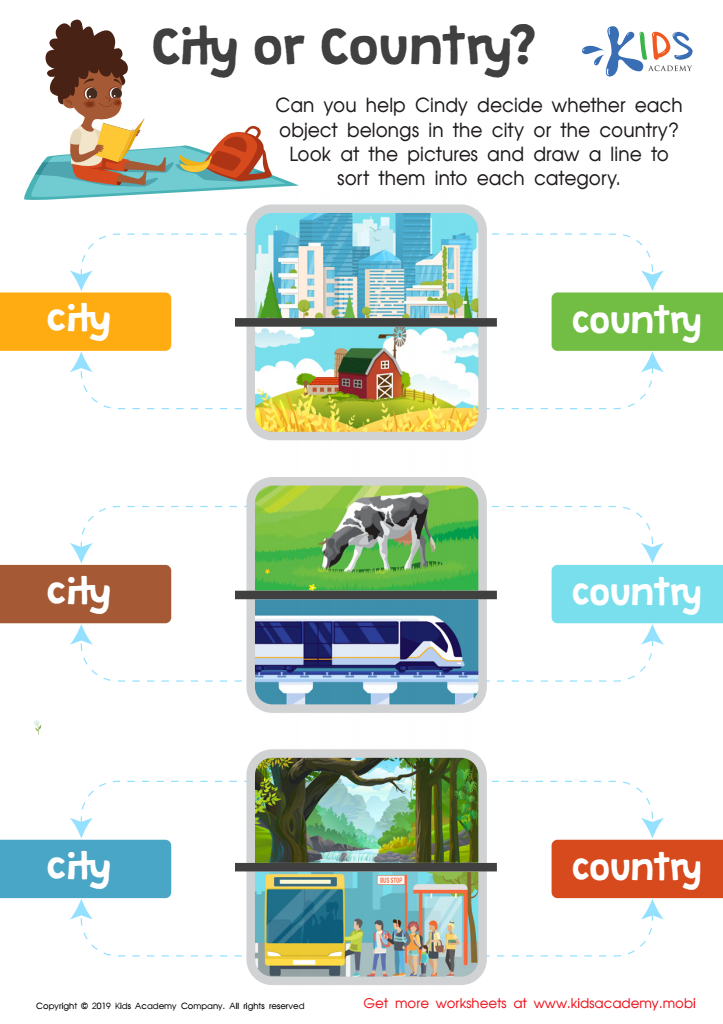
City or Country? Worksheet
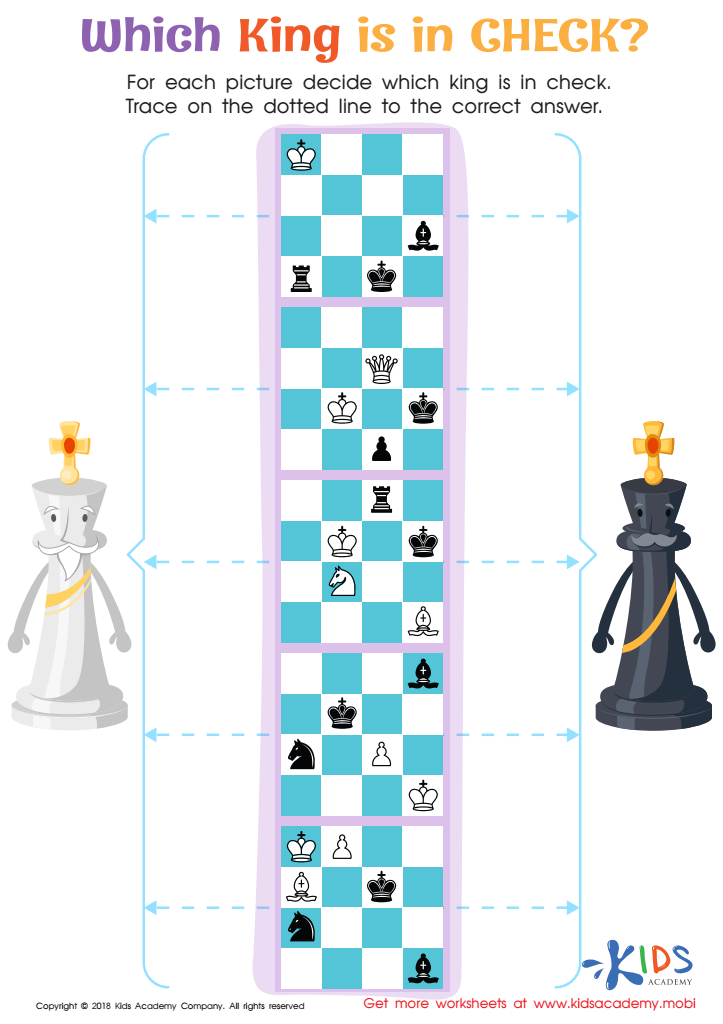
Which King is in Check? Worksheet
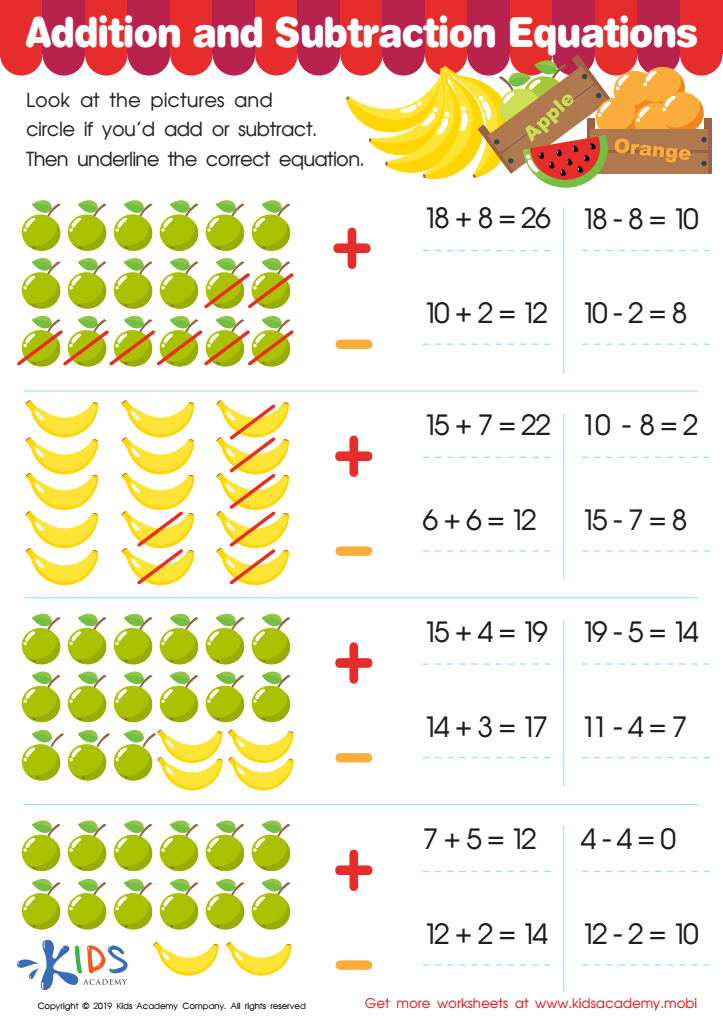
Addition and Subtraction: Equations Worksheet
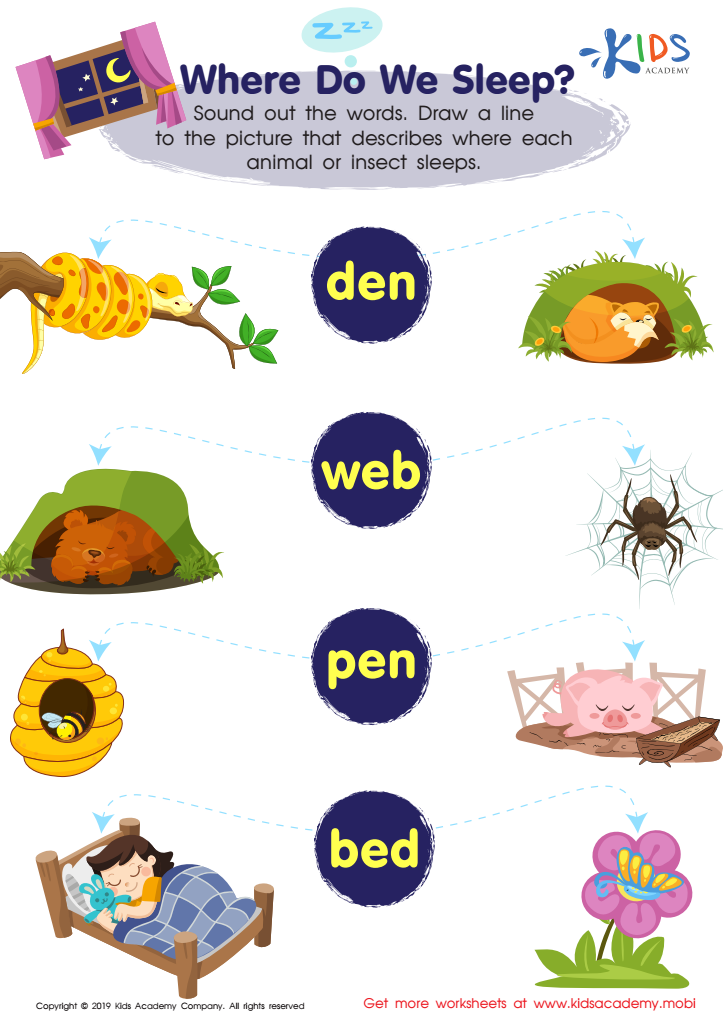
Where Do We Sleep Worksheet
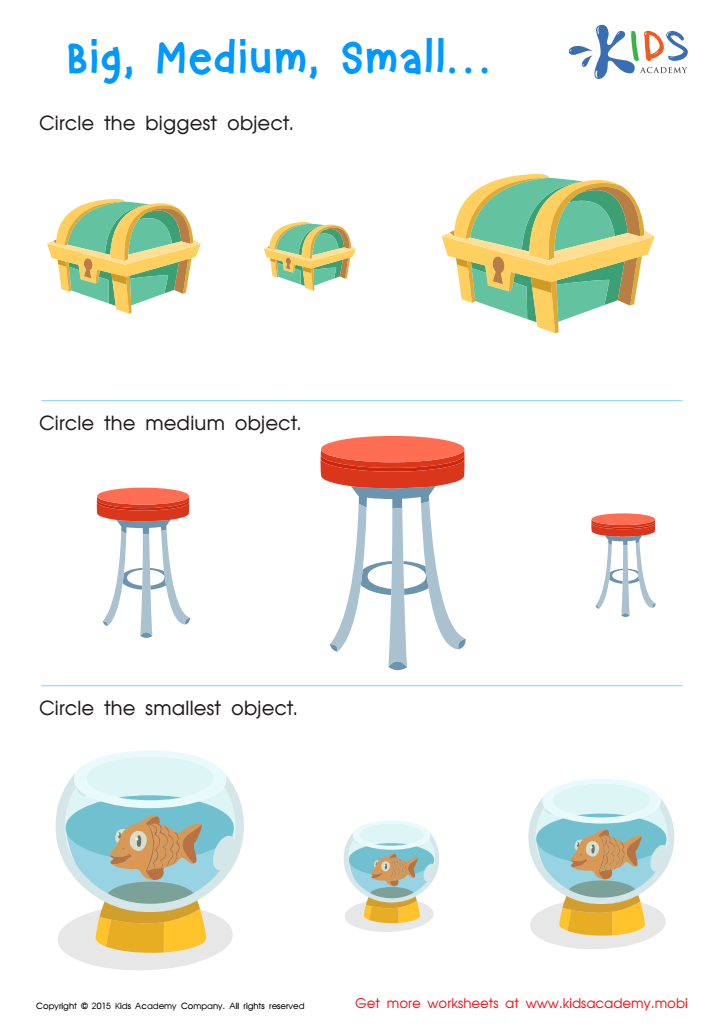
Big Medium Small Worksheet
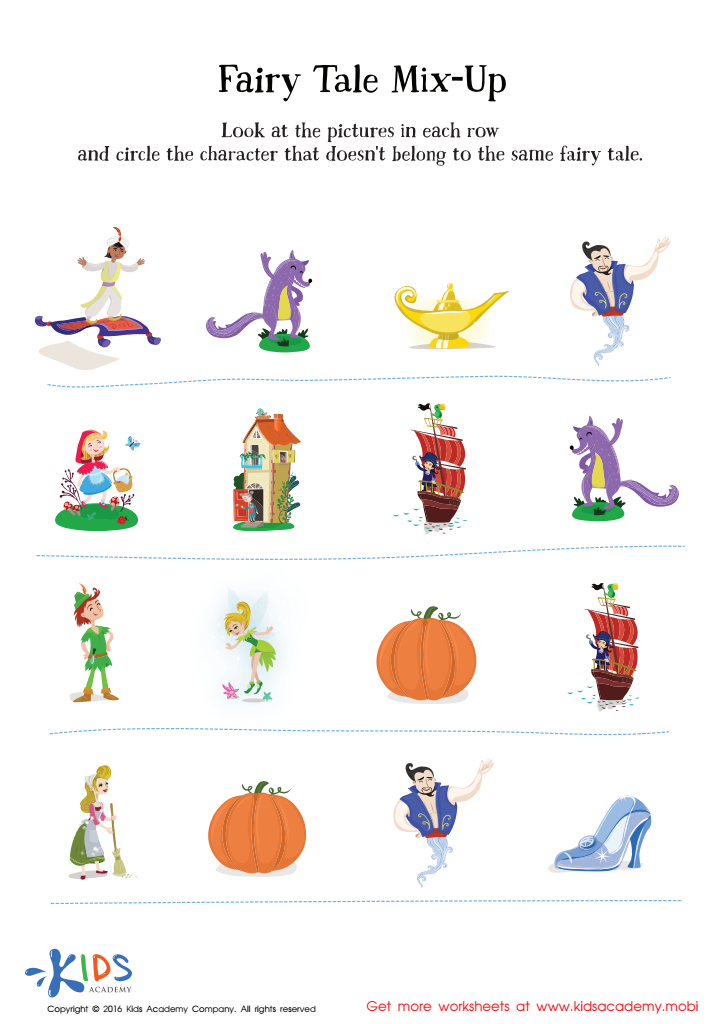
Fairy Tale Worksheet: Story Mix Up

Leprechaun Maze Printable
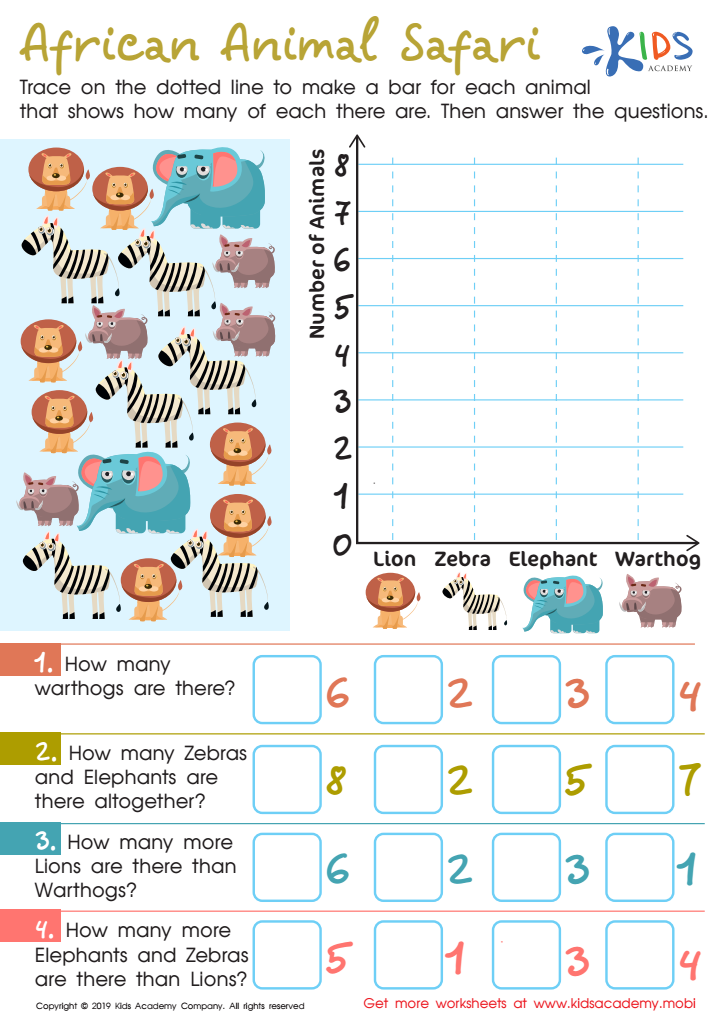
African Animal Safari Worksheet
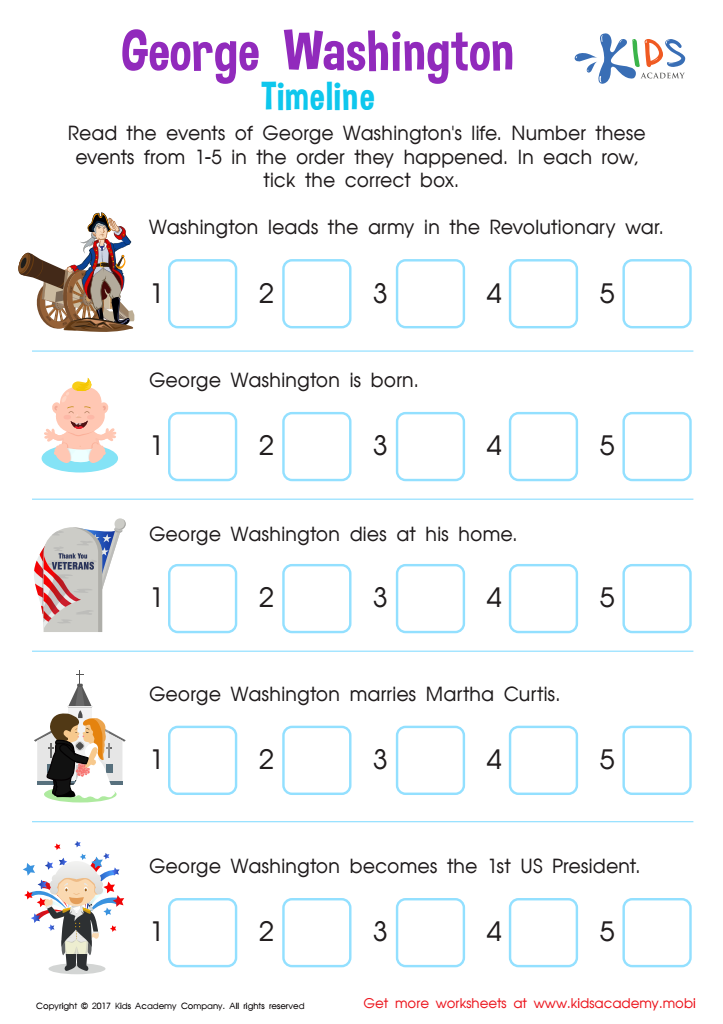
George Washington Timeline Worksheet








Critical Thinking Extra Challenges are crucial for early childhood development, particularly for the ages 3-7, as they play a significant role in shaping cognitive, social, and emotional skills. Parents and teachers should care about these activities because they lay the cornerstone for lifelong learning and problem-solving abilities. These challenges enhance a child's curiosity and inquisitiveness, crucial traits for academic success.
Introducing critical thinking at an early age fosters creativity and innovation. Children learn to approach problems from various angles, think out of the box, and develop solutions through logical reasoning. These skills are indispensable in a world that increasingly values critical thinking and problem-solving over rote memorization.
Additionally, engaging in these challenges improves communication skills. As children articulate their thought processes and reasoning, they become more adept at expressing their ideas and understanding others. This bolsters social interaction and collaboration, preparing them for group settings in both academic and personal contexts.
Moreover, nurturing critical thinking encourages independence and confidence. Children who are confident in their reasoning abilities are likelier to take intellectual risks, ask questions, and seek knowledge proactively.
In essence, fostering early critical thinking equips young learners with essential skills that aid their academic journey and personal development, providing a foundation that supports all future learning endeavors.








