Logical thinking development Extra Challenge Worksheets for Ages 3-7
5 filtered results
-
From - To
Enhance your child's cognitive skills with our Logical Thinking Development Extra Challenge Worksheets for ages 3-7. These thoughtfully designed worksheets offer engaging activities that promote critical thinking, problem-solving, and reasoning. From puzzles to matching games, each worksheet encourages young learners to think outside the box while having fun. Ideal for both classroom and home use, these resources are perfect for enriching your child's learning experience. Foster a love for learning and help them build essential skills for future success. Get ready to challenge their minds and track progress as they tackle these exciting logical thinking tasks! Explore our collection today!
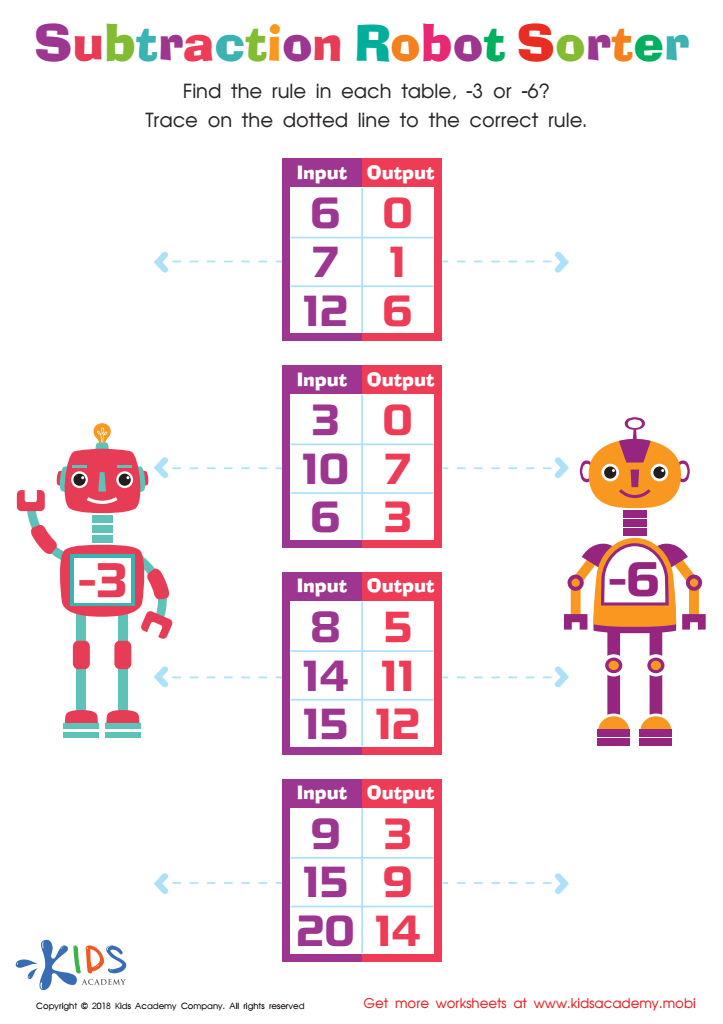
Subtraction Robot Sorter Worksheet
 Assign to My Students
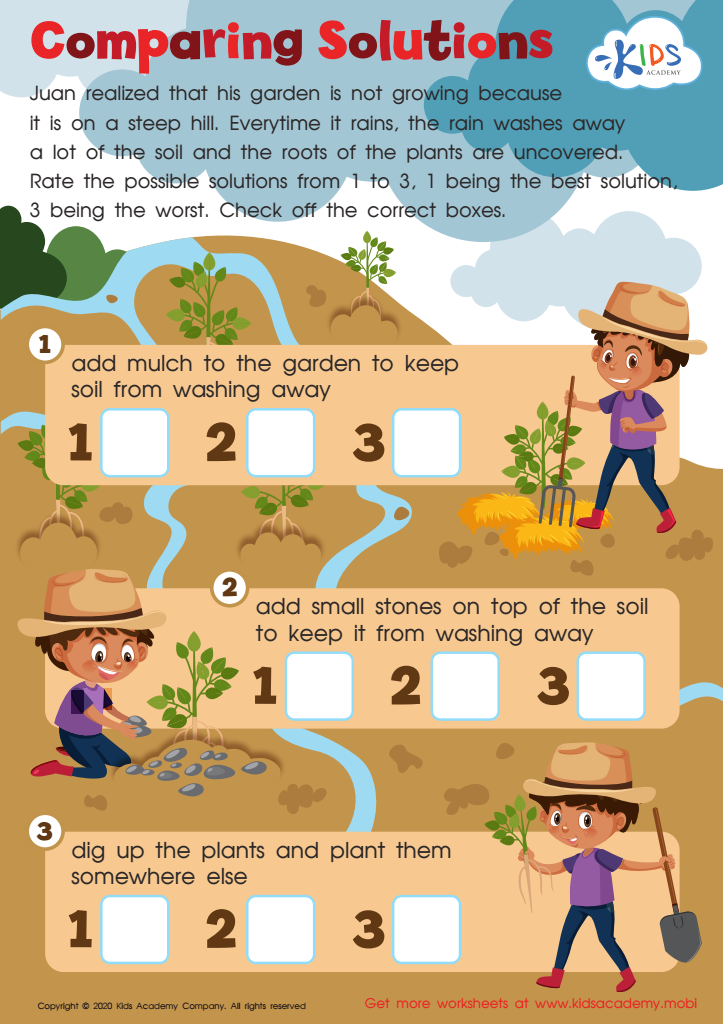
Comparing Solutions Worksheet
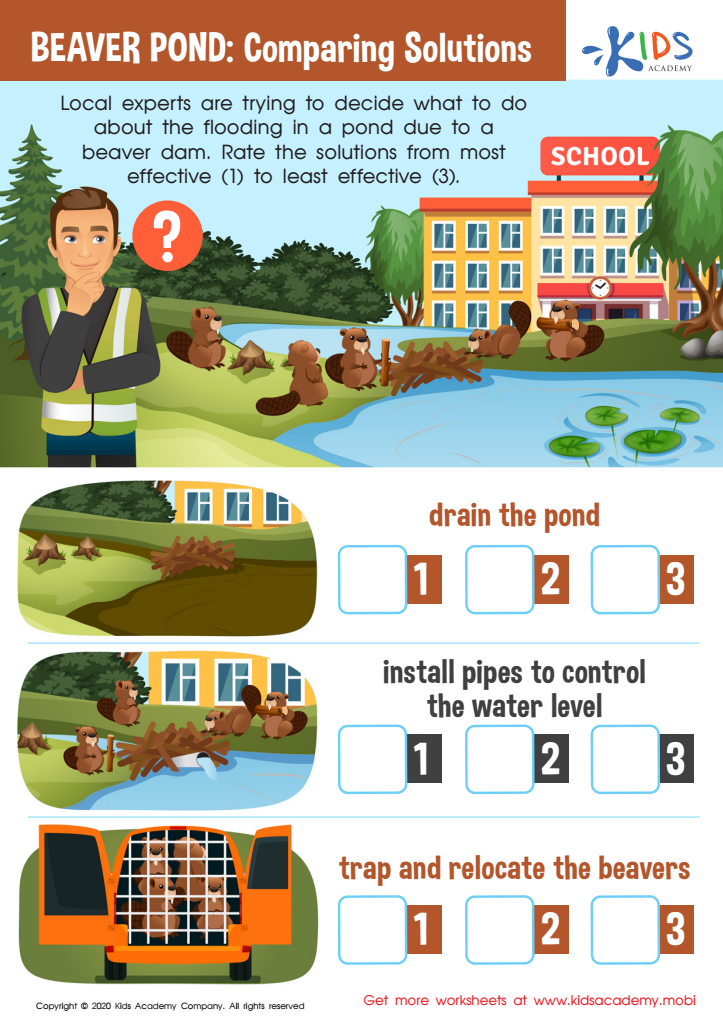
Beaver Pond: Comparing Solutions Worksheet
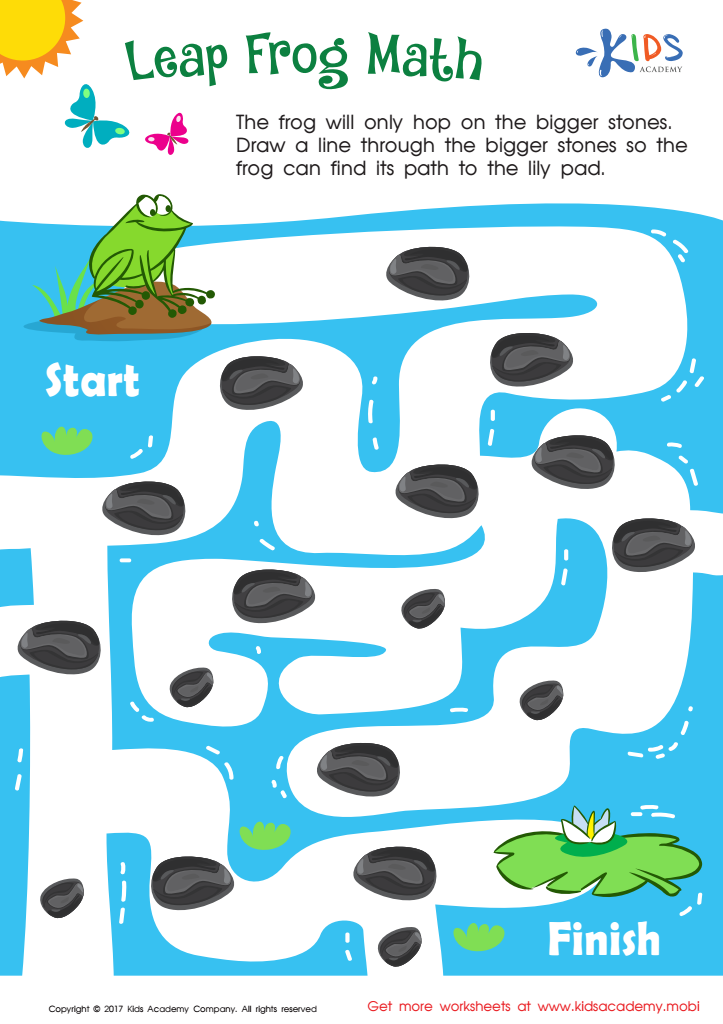
Math Puzzle Worksheet
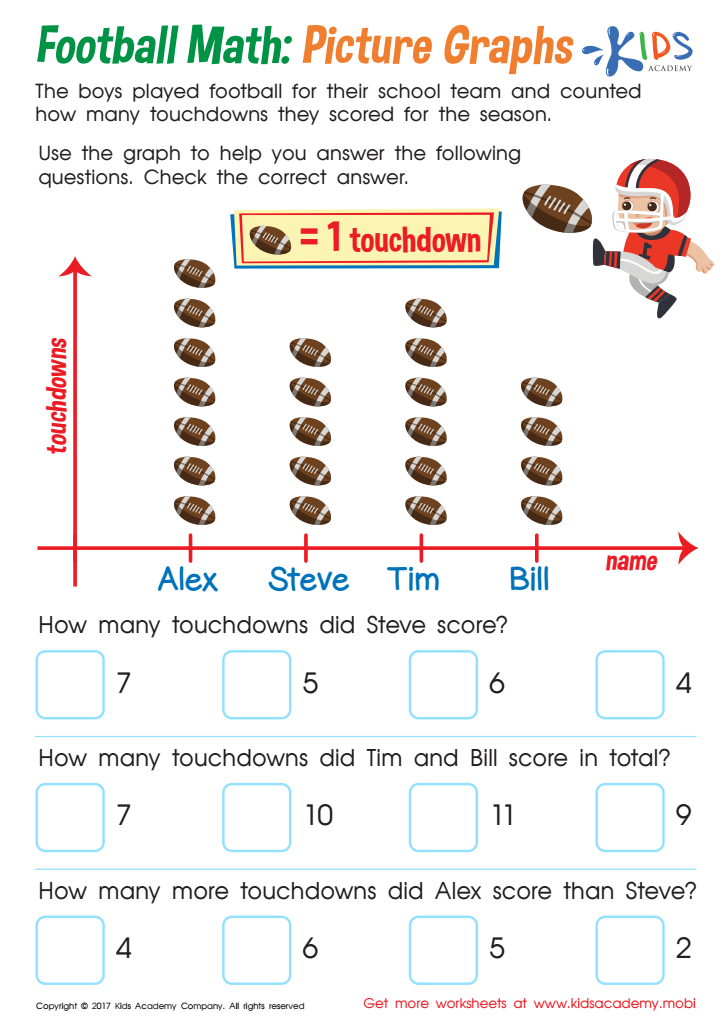
Football Math Worksheet





.jpg)
Logical thinking development is crucial for children aged 3-7 because it lays the foundation for problem-solving, reasoning, and critical thinking skills that are vital in their academic and everyday lives. At this age, children's brains are highly adaptable and receptive, making it the perfect time for them to explore and develop these essential skills.
When caregivers emphasize logical thinking, they help children learn how to make connections between ideas, categorize information, and understand cause-and-effect relationships. This empowers children to approach challenges with a structured mindset and develop decision-making skills from an early age. For example, activities like puzzles, sorting games, and simple science experiments engage children in logical reasoning processes, which can be both fun and educational.
Additionally, nurturing logical thinking aids in language development and enhances social skills, as children learn to express their thoughts clearly and listen to others’ reasoning. Teachers and parents who prioritize these skills create collaborative environments where children can thrive, learn collaboratively, and innovate. Ultimately, fostering logical thinking not only prepares children for future academic success but equips them with the tools they need to navigate complex challenges throughout their lives.








