Vowel Recognition Extra Challenge Worksheets for Ages 3-7
8 filtered results
-
From - To
Unlock the power of reading with our "Vowel Recognition Extra Challenge Worksheets for Ages 3-7!" Designed specifically for early learners, these engaging worksheets make mastering vowels fun and interactive. Each activity enhances your child's ability to recognize, pronounce, and differentiate vowels, laying a strong foundation for reading success. Perfect for parents and teachers, these printable worksheets offer a variety of exercises that support phonetic development and build confidence. Whether in the classroom or at home, make vowel recognition a delightful adventure for children ages 3-7. Download today and watch your child's literacy skills flourish!
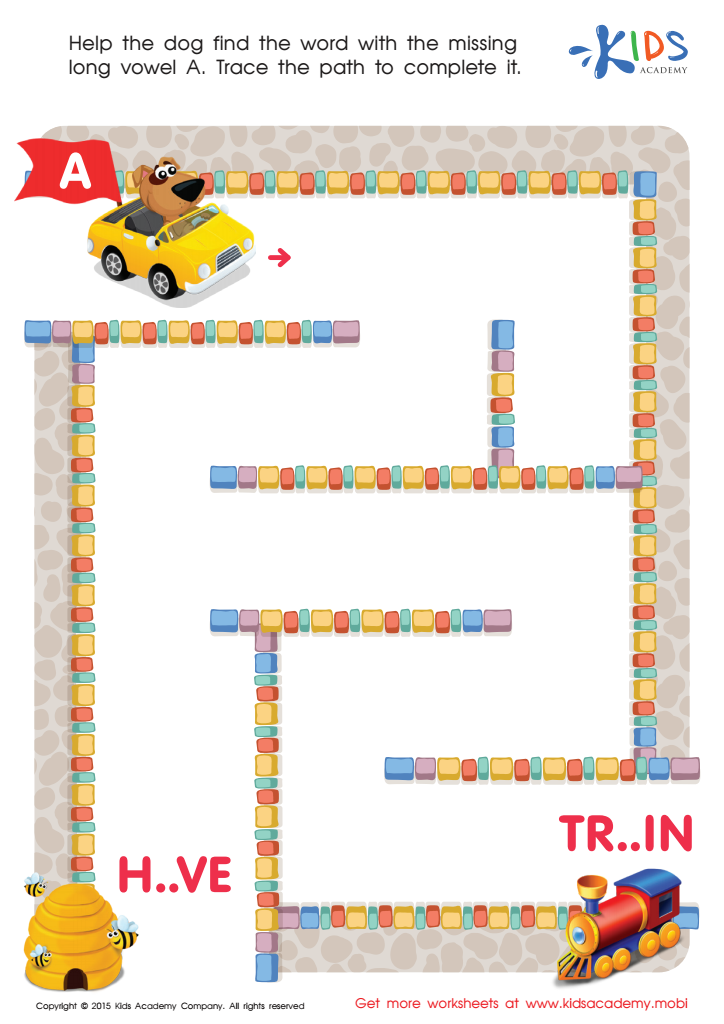
Long Vowel Sound A Worksheet
 Assign to My Students
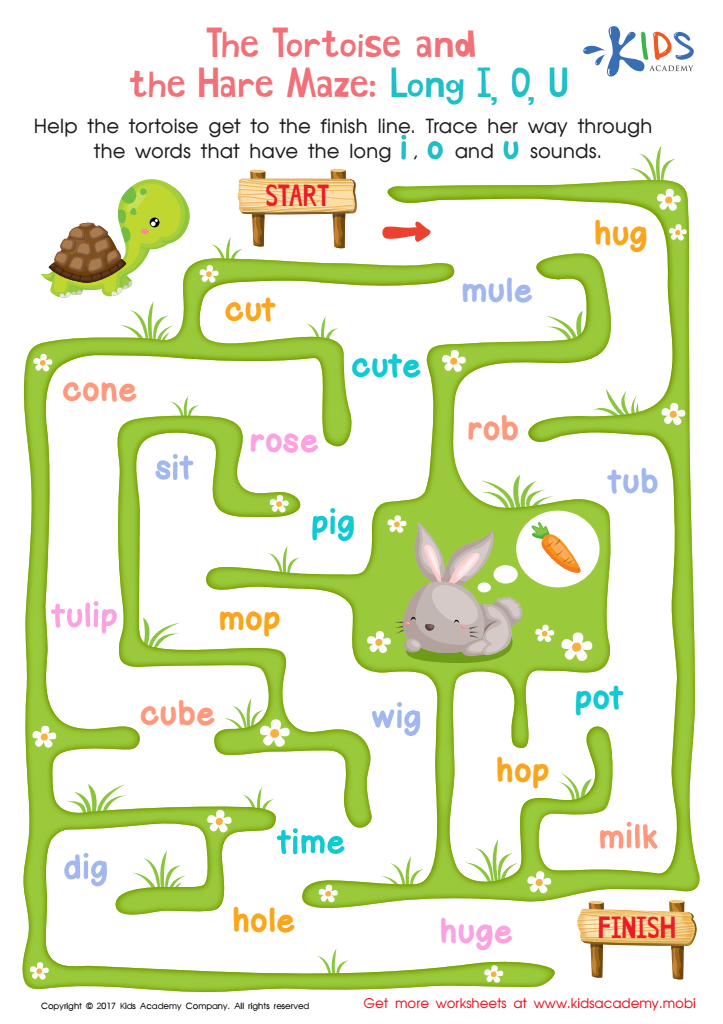
Long I, O, U Words Worksheet
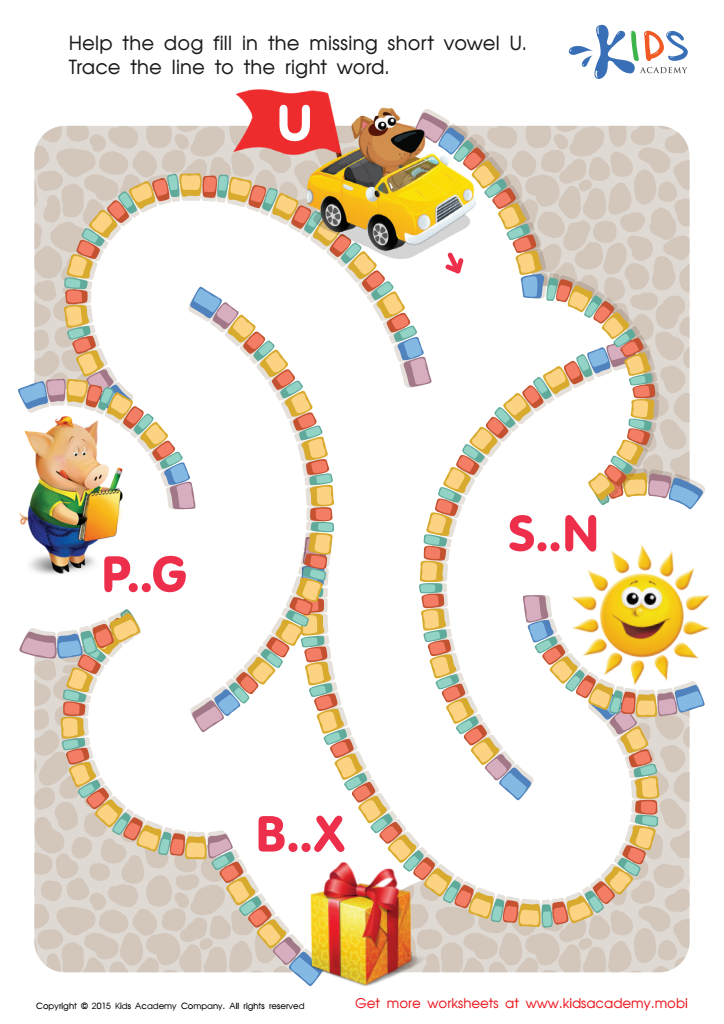
Short Vowel Sound U Worksheet
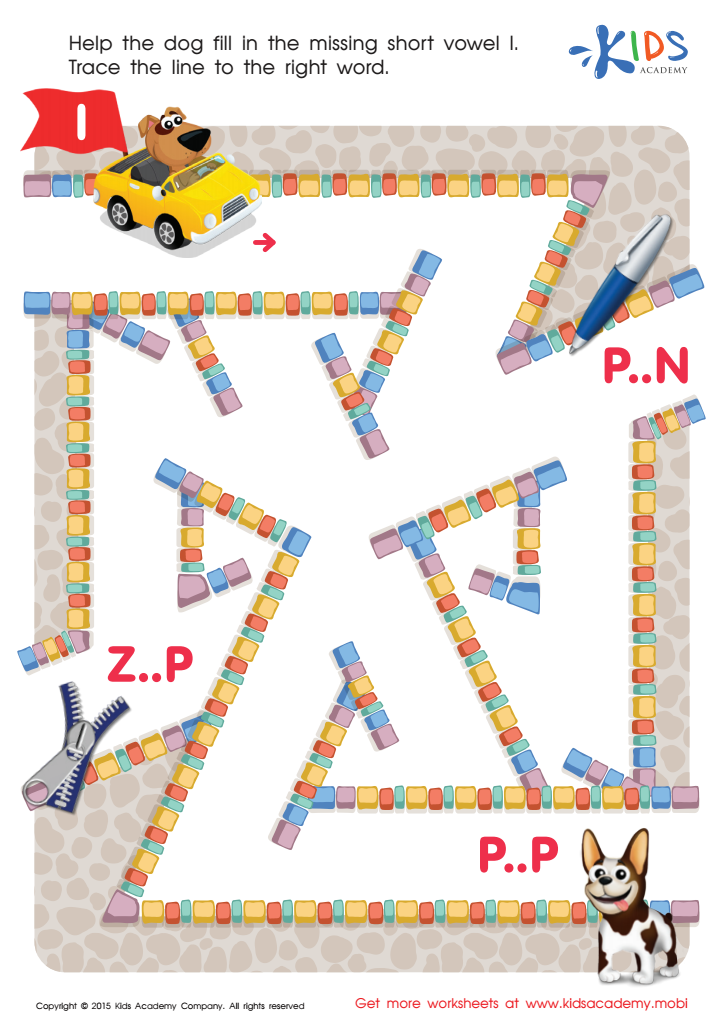
Short Vowel Sound I Worksheet
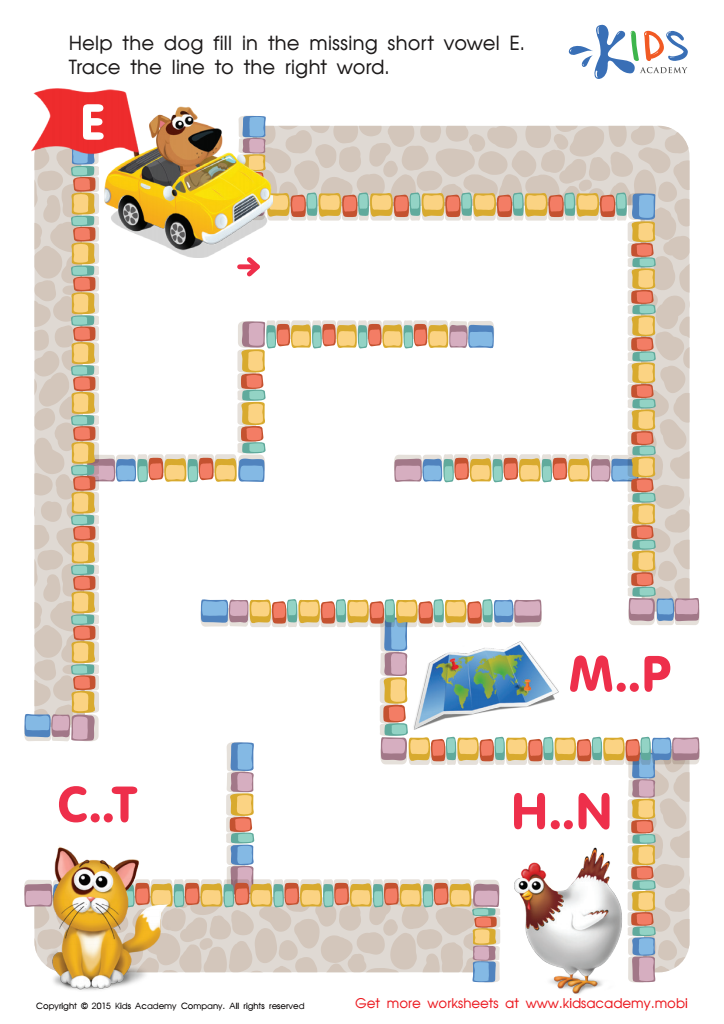
Short Vowel Sound E Worksheet
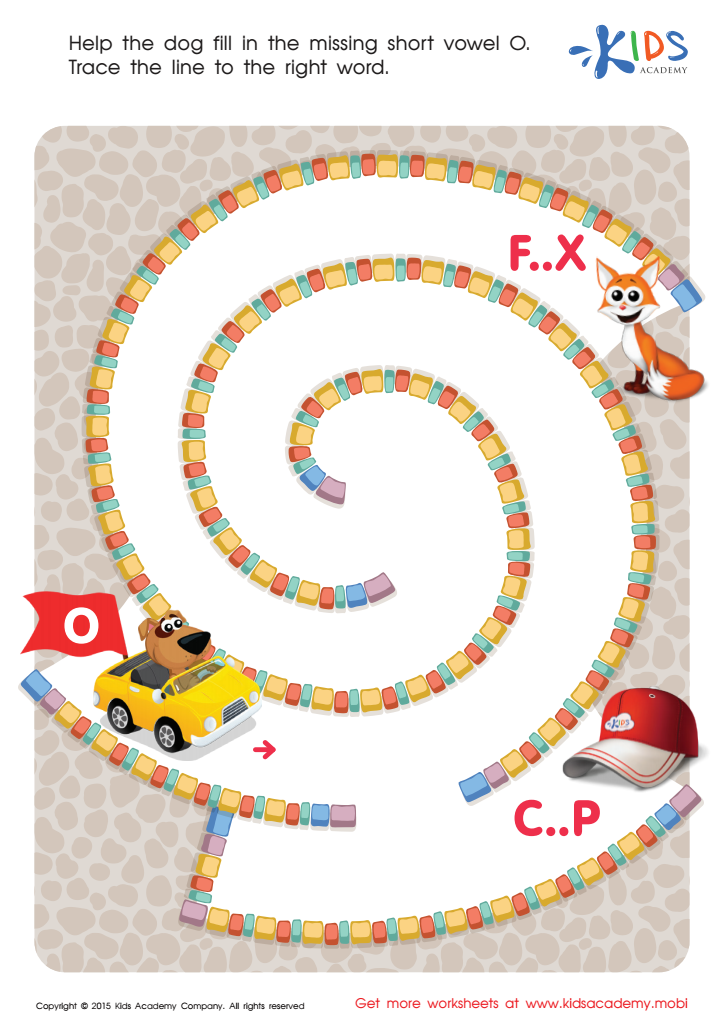
Short Vowel Sound O Worksheet
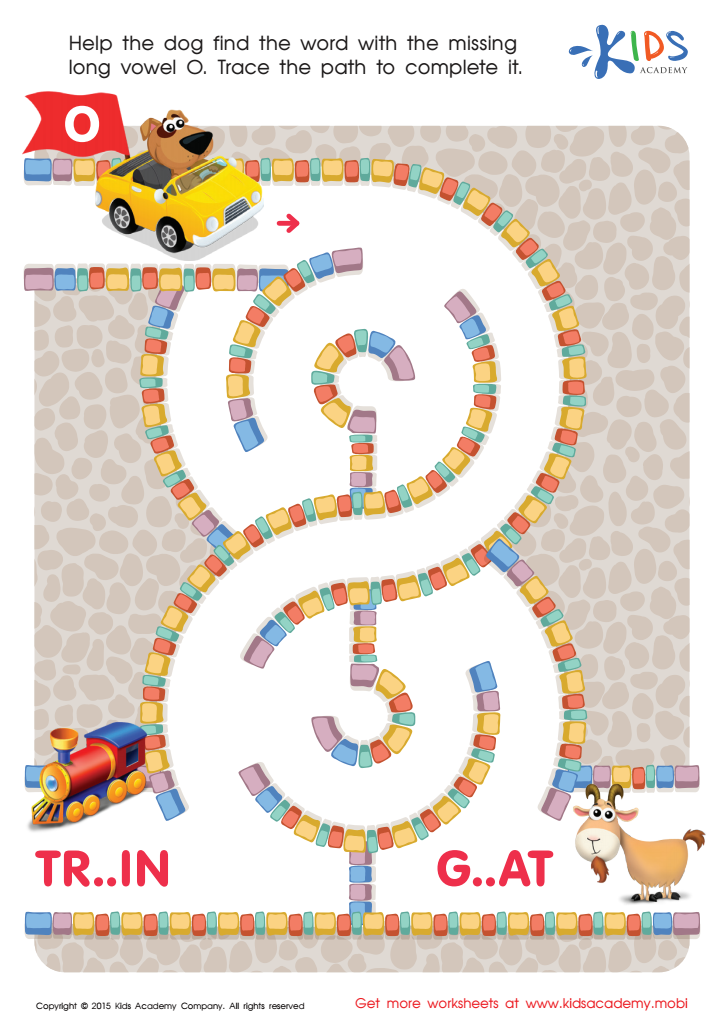
Long Vowel Sound O Worksheet
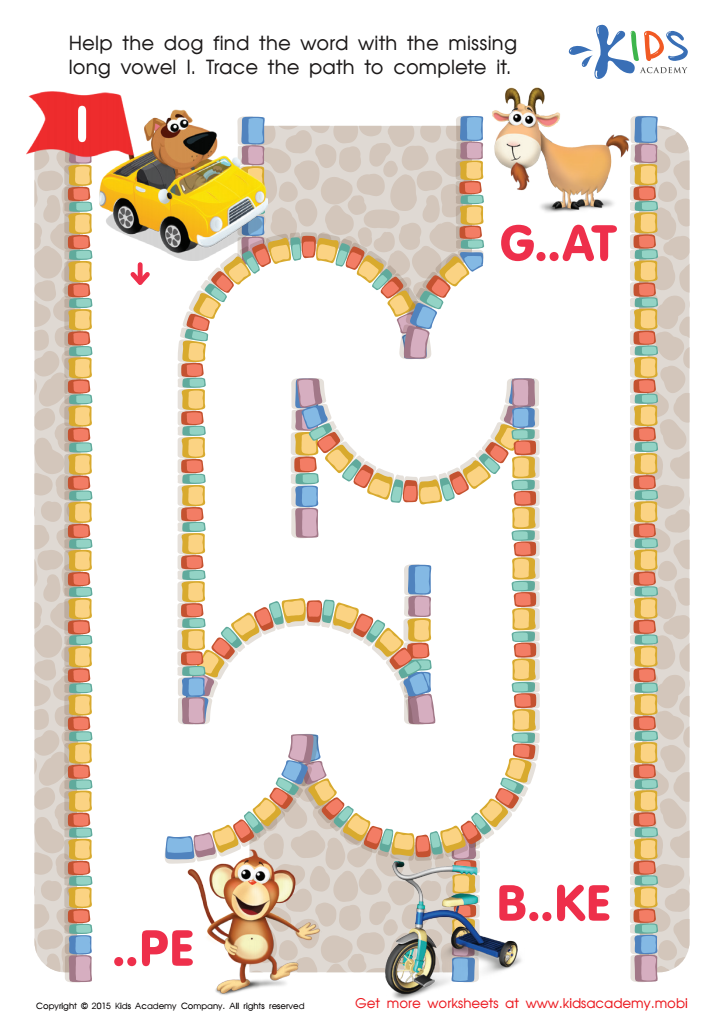
Long Vowel Sound I Worksheet






Parents and teachers should invest in vowel recognition activities for children aged 3-7 because understanding vowels is a fundamental aspect of early literacy. Vowels are the building blocks of words, and recognizing them helps children develop decoding skills, enabling them to read and spell more accurately. Early vowel recognition fosters phonemic awareness, which is crucial for recognizing sound patterns within words.
Engaging children in vowel recognition tasks, like an extra challenge, can enhance their auditory discrimination, helping them distinguish between similar sounds. This skill is particularly beneficial in mastering word families and spelling patterns, which are vital for fluent reading. It creates a strong foundation, allowing children to progress to more complex reading and writing tasks confidently.
Additionally, interactive vowel challenges can make learning fun and engaging, fostering a positive attitude towards education at a young age. It encourages children to pay attention, think critically, and persevere through challenges, characteristics important for academic success.
By placing emphasis on vowel recognition, parents and teachers can ensure that children develop the necessary skills to become efficient and confident readers, setting the stage for lifelong learning and academic achievement. It’s a simple yet powerful way to support early development and lay the groundwork for future literacy.








