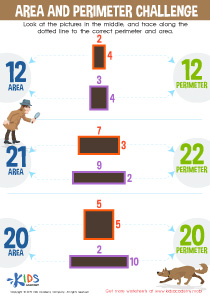
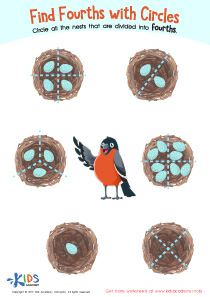
Shape identification Extra Challenge 2D Shapes Worksheets for Ages 3-7
3 filtered results
-
From - To
Enhance your child's understanding of 2D shapes with our engaging "Shape Identification Extra Challenge" worksheets, designed specifically for ages 3-7. These fun and interactive activities encourage young learners to identify, classify, and manipulate various shapes, fostering essential skills in observation and critical thinking. Each worksheet features colorful illustrations and varied challenges to keep kids motivated and excited about learning. Perfect for home or classroom use, these worksheets promote shape recognition while encouraging creativity and problem-solving. Whether your child is a beginner or ready for an extra challenge, our resources support their journey to mathematical success. Explore the joy of shapes today!
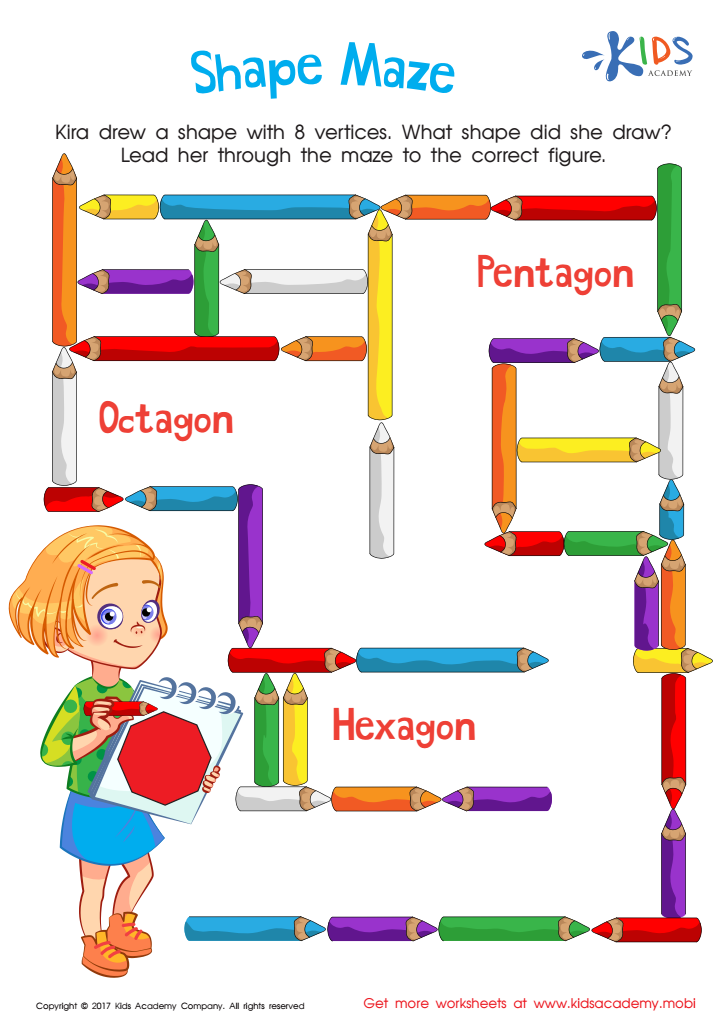
Shape Maze Worksheet
 Assign to My Students


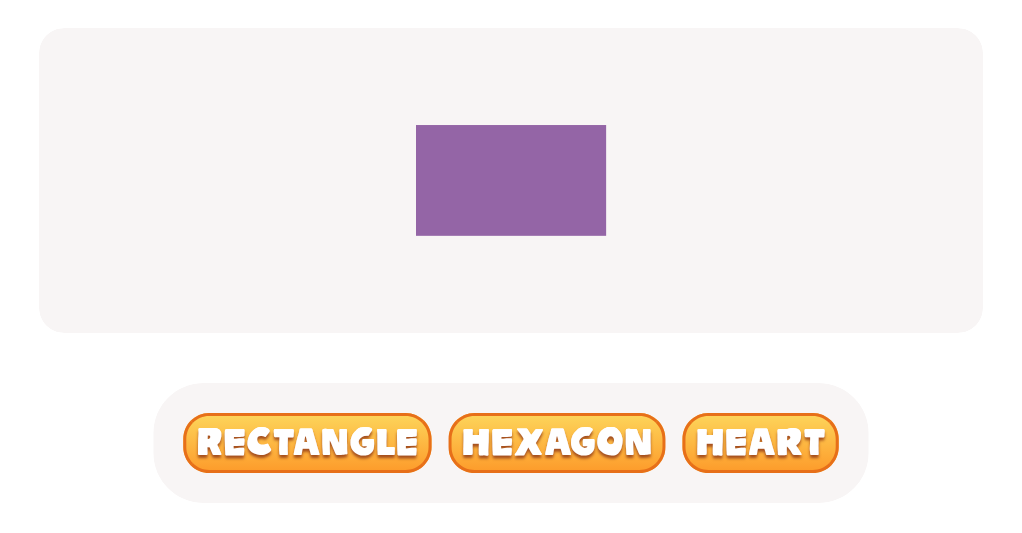
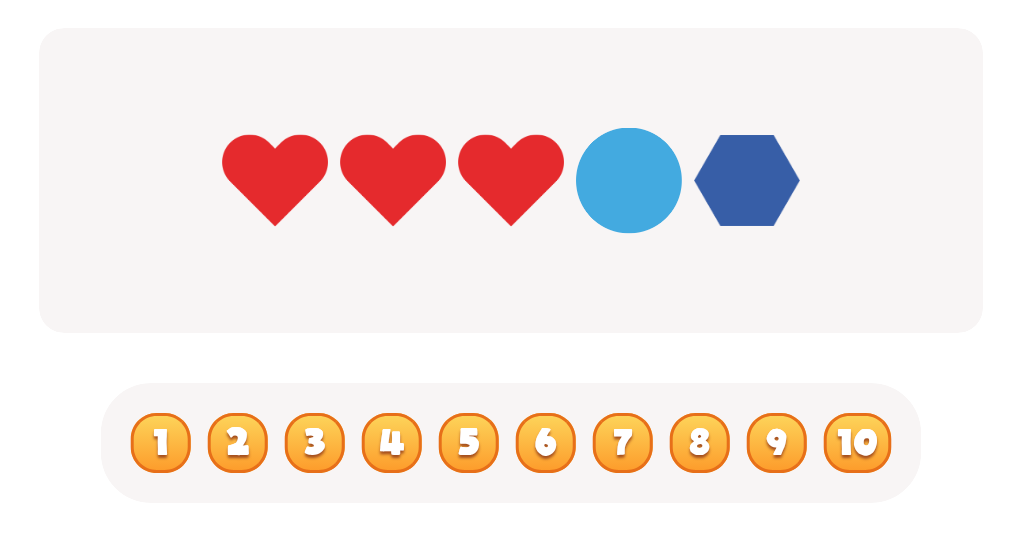
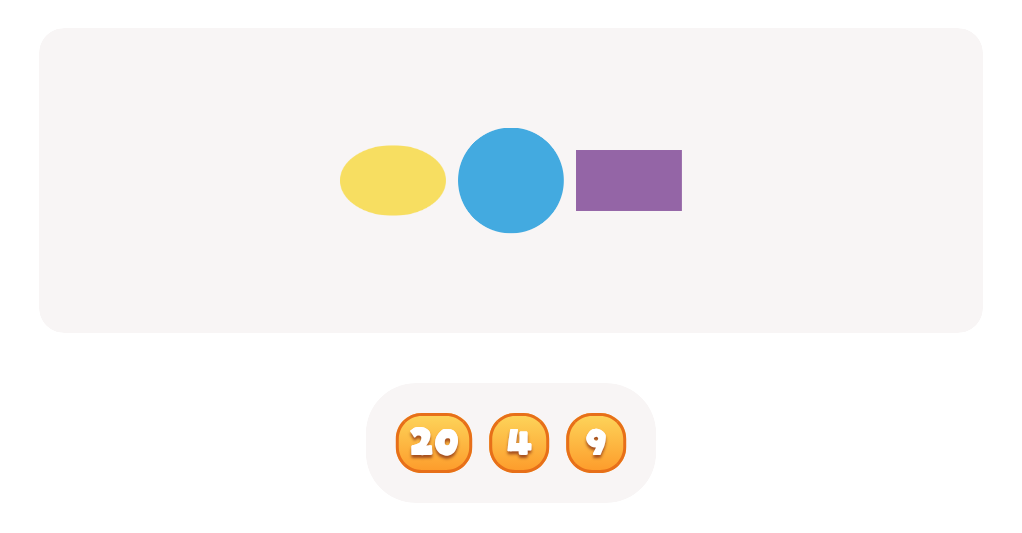
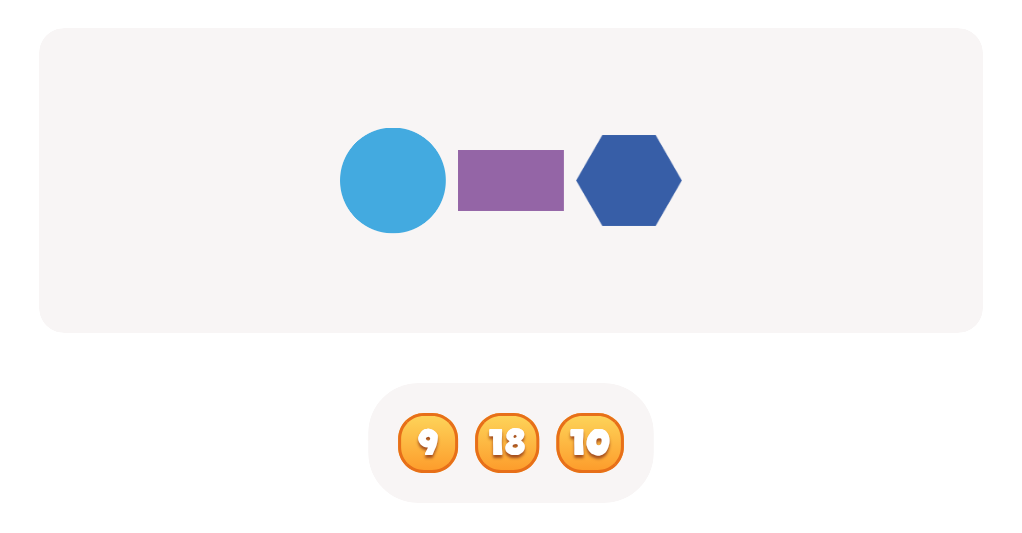
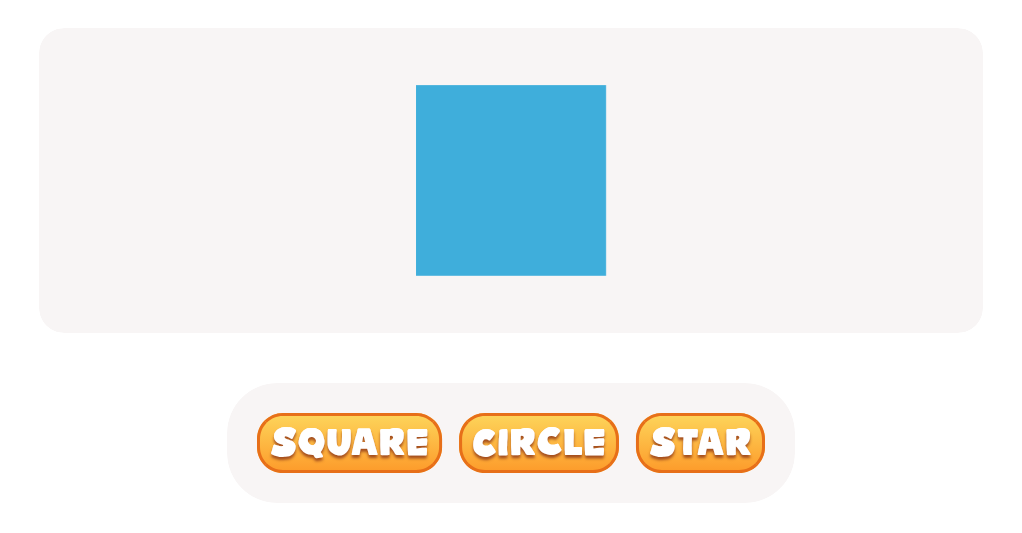
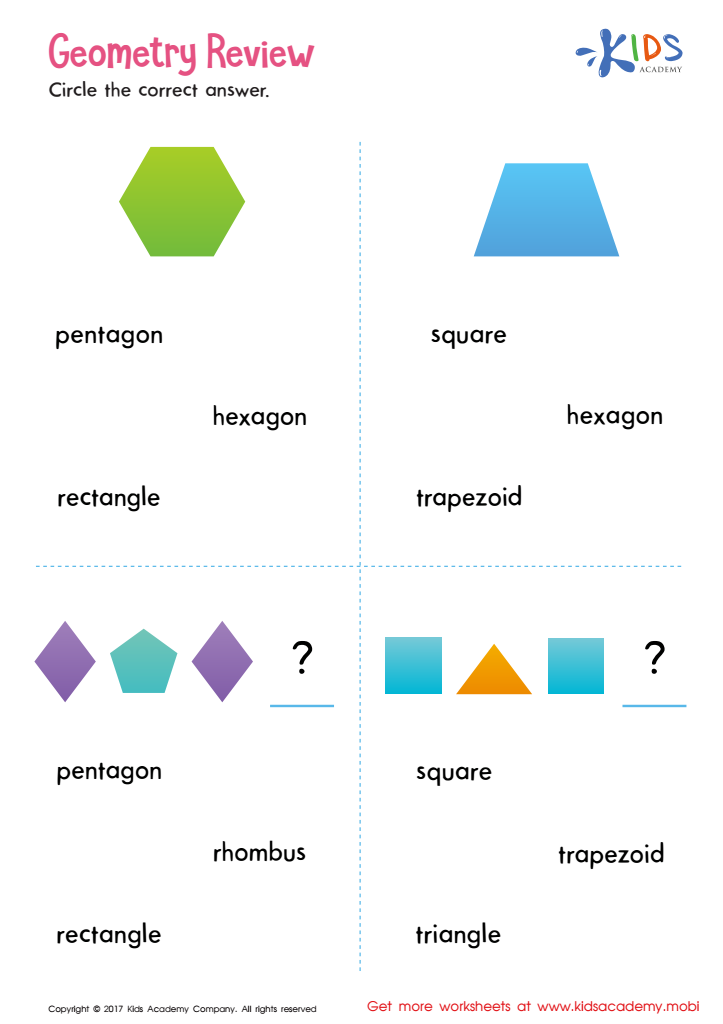
Geometry Review Printable
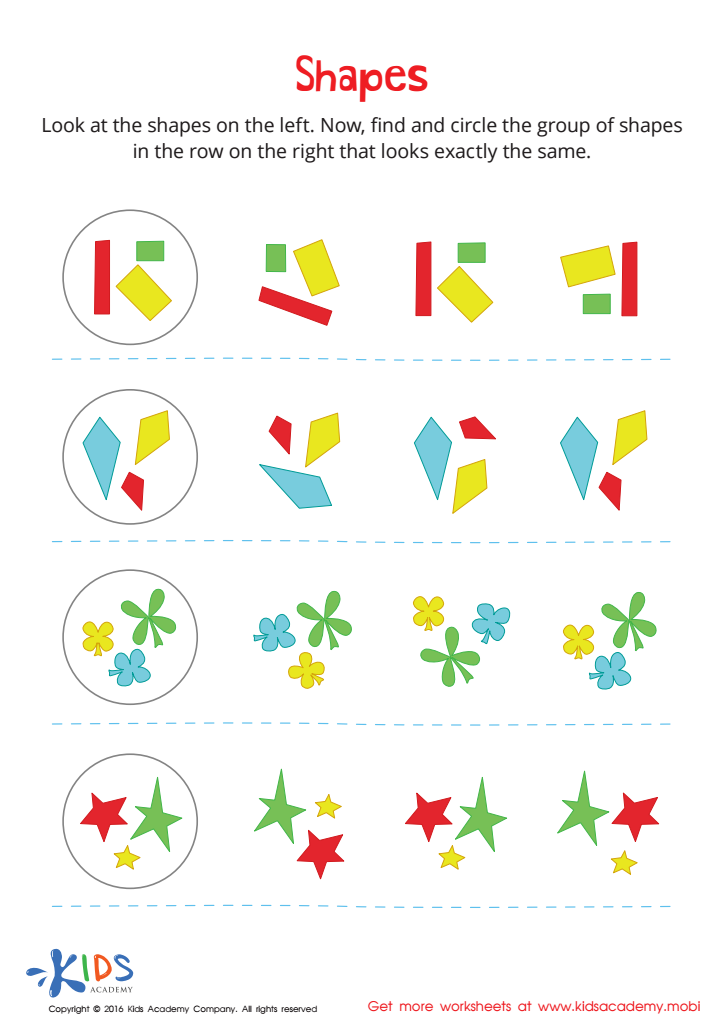
Shapes Worksheet








Shape identification is a crucial developmental milestone for children aged 3-7, serving as a foundational skill in early education. Parents and teachers should care about this aspect for several reasons.
Firstly, identifying 2D shapes enhances spatial awareness, helping children understand the world around them. Recognizing shapes lays the groundwork for future math concepts, such as geometry, by fostering critical thinking and problem-solving skills. As children categorize and compare shapes, they develop cognitive abilities that promote logical reasoning.
Moreover, engaging in shape identification activities helps strengthen fine motor skills through hands-on learning. Many shape activities, such as drawing, cutting, and sorting shapes, encourage physical dexterity while stimulating creativity. These activities often enhance language skills, too, as children learn to describe shapes and articulate their discoveries.
Social interaction is another vital factor; group activities centered around shape identification promote cooperation and communication among peers.
Overall, by prioritizing shape identification, parents and teachers can create a strong learning foundation, positioning children for academic success and holistic development. Investing in this early knowledge propels children toward critical lifelong skills while fostering a love for learning.